If you read my Croatia post – Link Here – then you know we did a small detour when we were travelling from Split to Dubrovnik. That detour was an overnight stop in Mostar, Bosnia.
Why did we choose to stop there? Going to Bosnia wasn’t originally in our plans but a very popular tour from Debrovnik was going to Mostar as a day trip. We did some research and decided it looked interesting enough for a day stop but we didn’t want to pay the crazy price of a private tour.
When we looked at it on the map it seemed like it made sense, travel wise, to go from Split to Mostar and then to Dubrovnik and there were lots of cheap bus options to take.
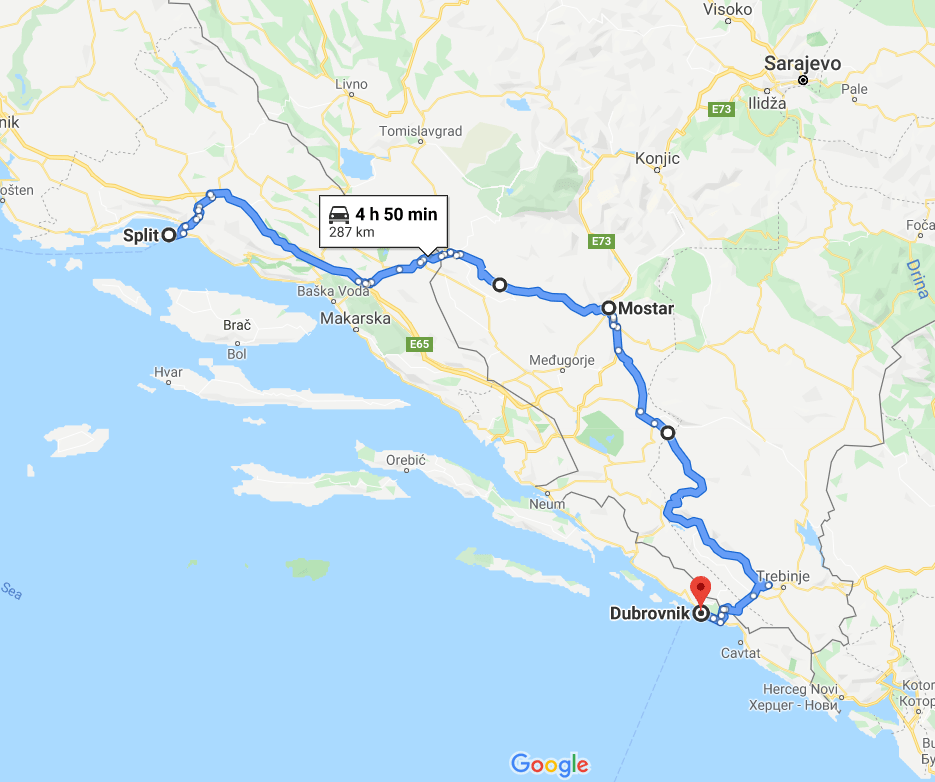
In reality the bus rides did this but I still think it was worth the side trip.
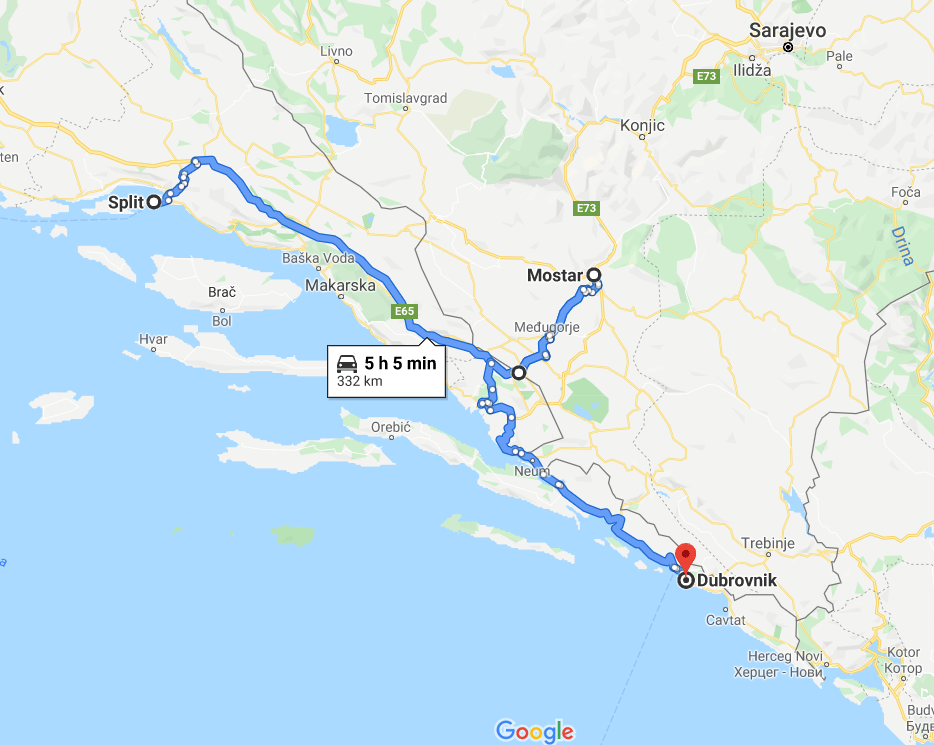
It’s very mountainous along Croatia’s coast so it’s possible that the road was just better along the coastline and maybe driving through Bosnia’s mountainous south isn’t that great for buses.
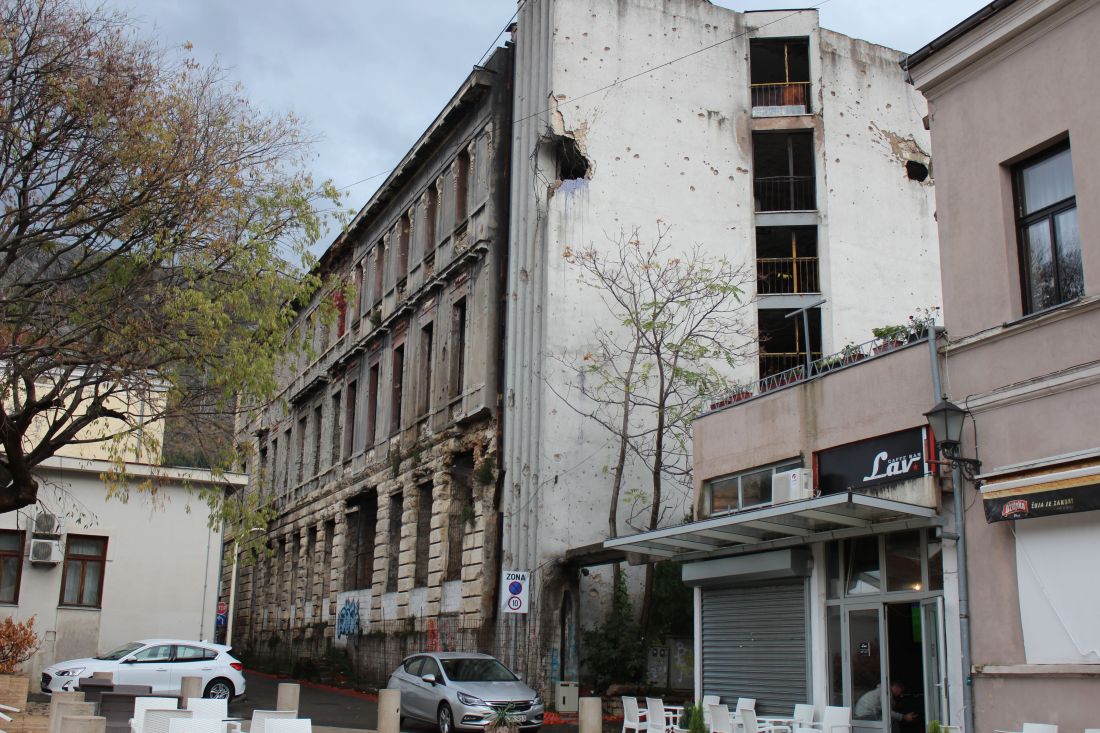
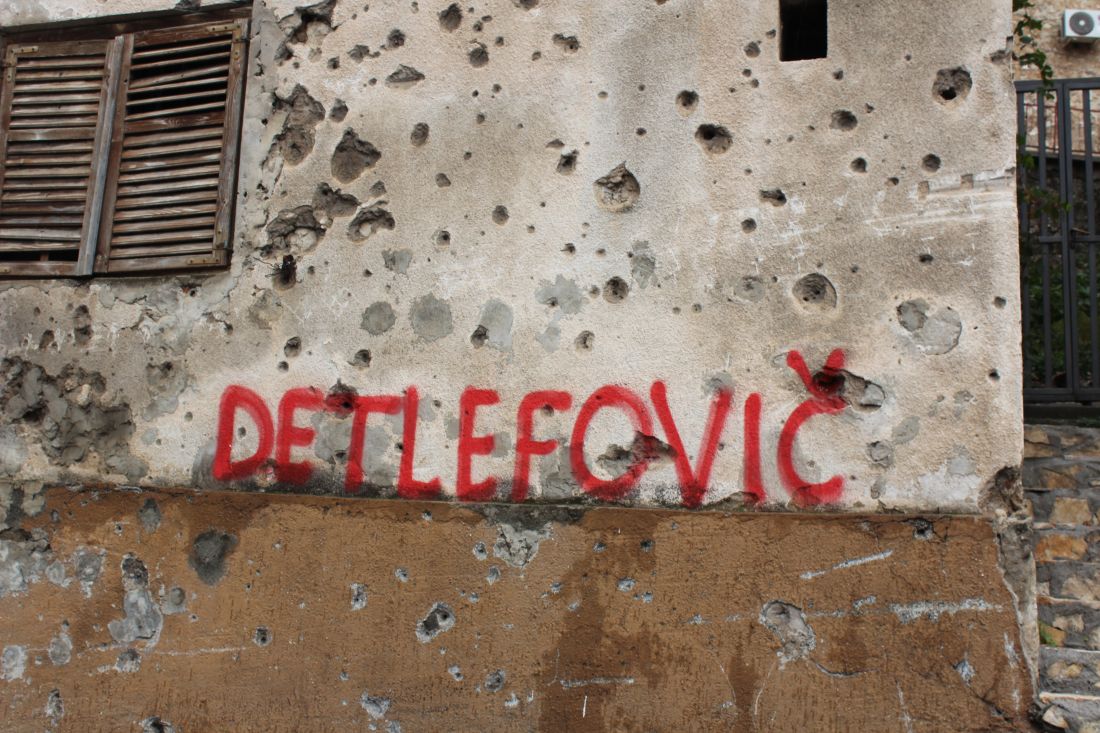
When you arrive in Mostar it instantly has a different feel from anywhere in Croatia we had been. Croatia exhumes that Mediterranean feel and it’s very similar to Western Europe but Mostar is not Mediterranean and has not been fully rebuilt since the Croatia-Bosnia war in the 1990s.
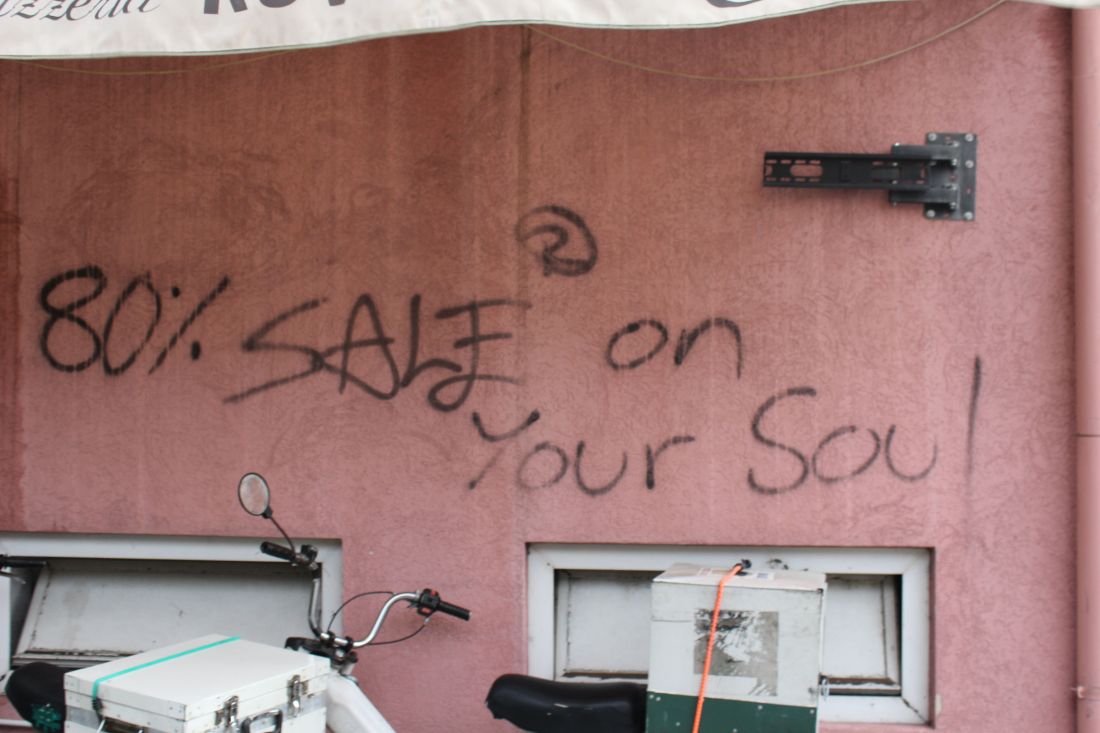
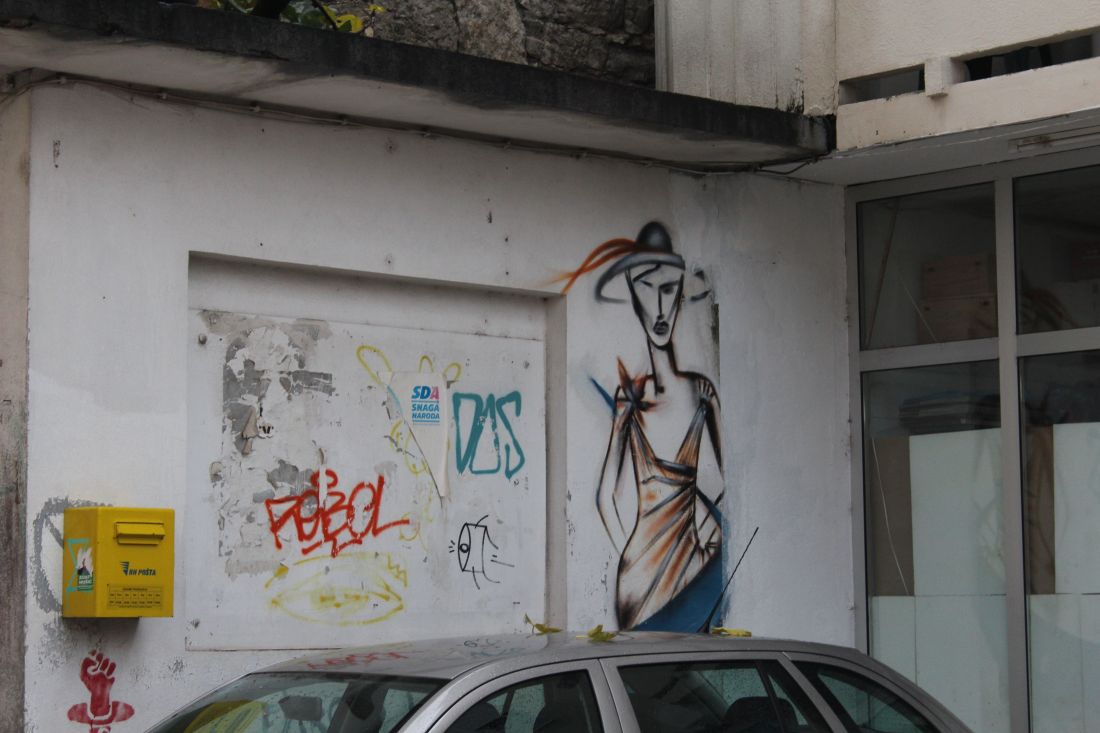
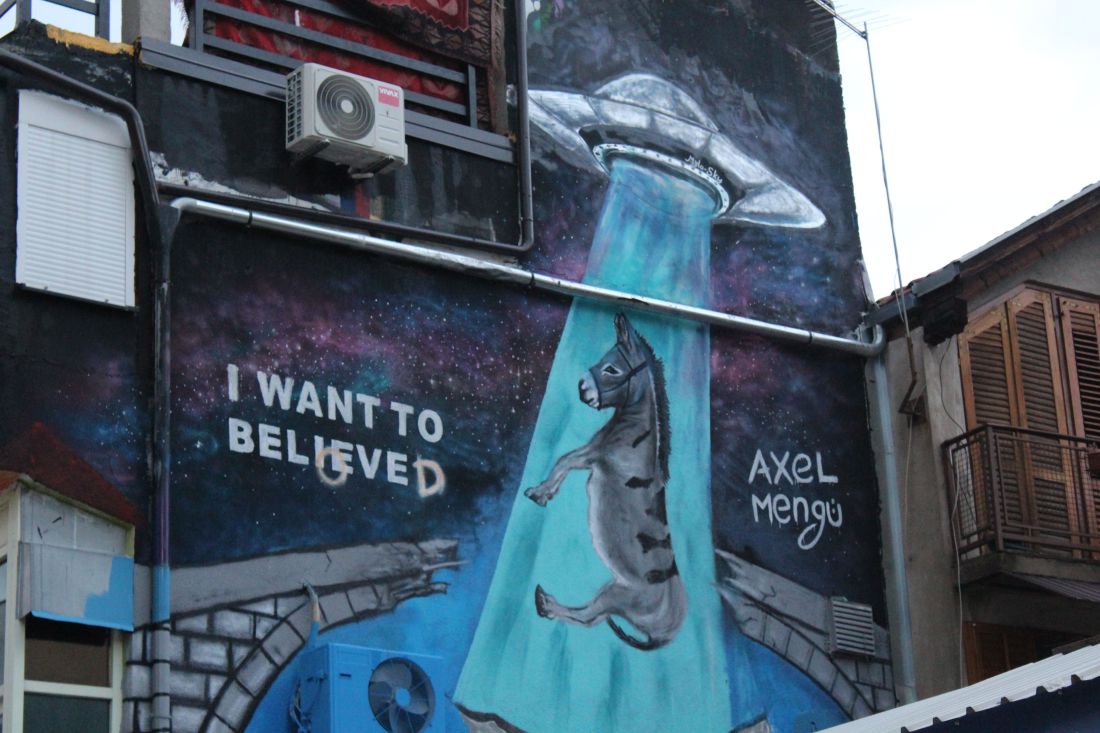
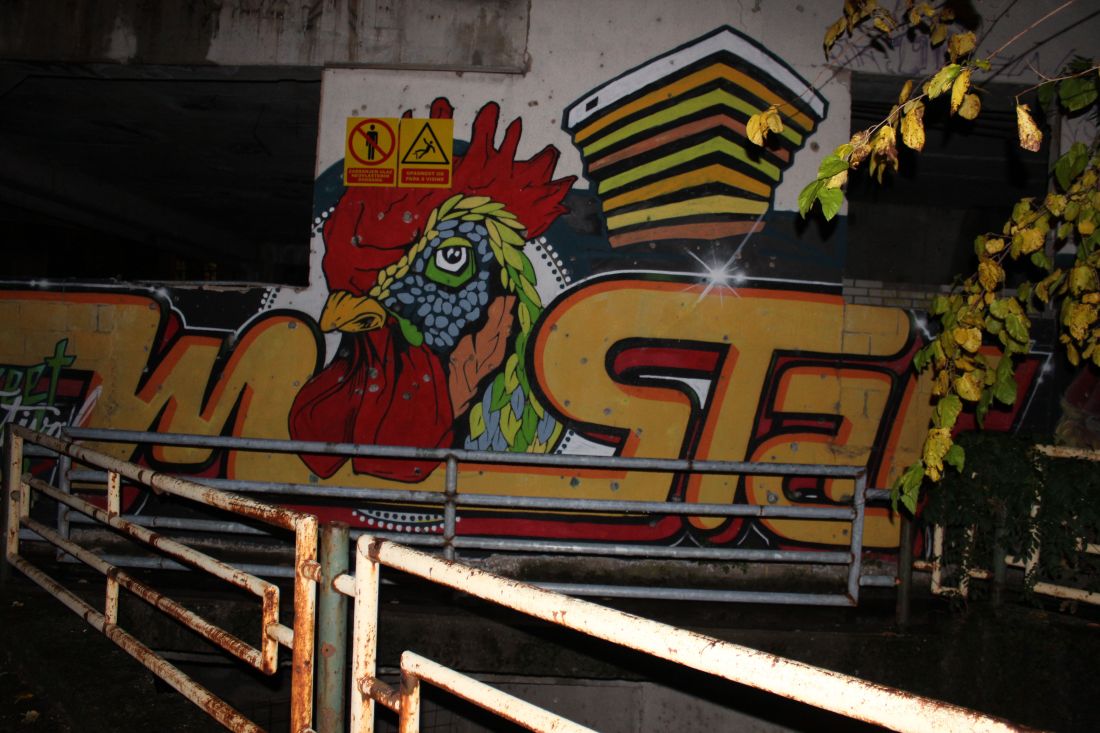
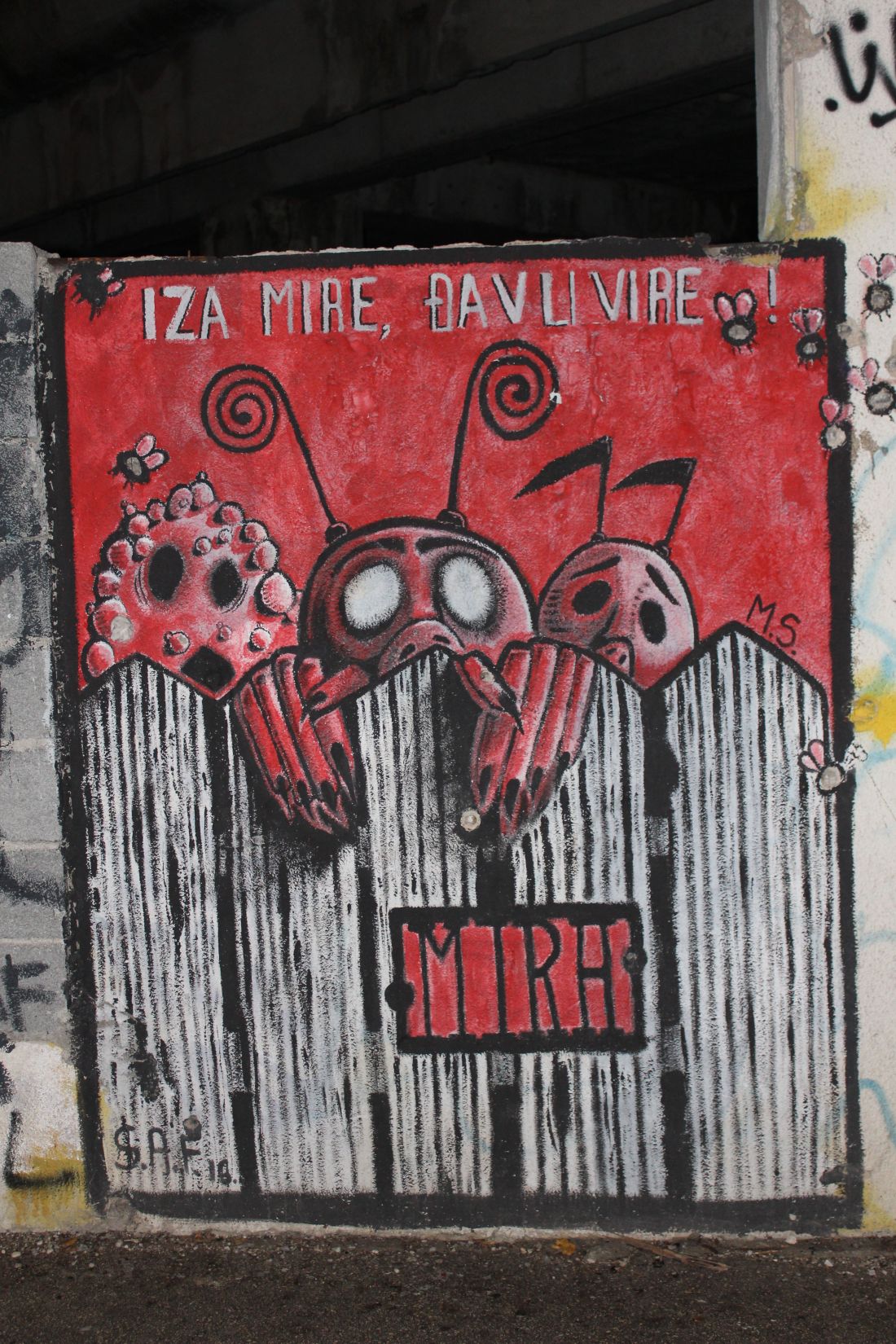
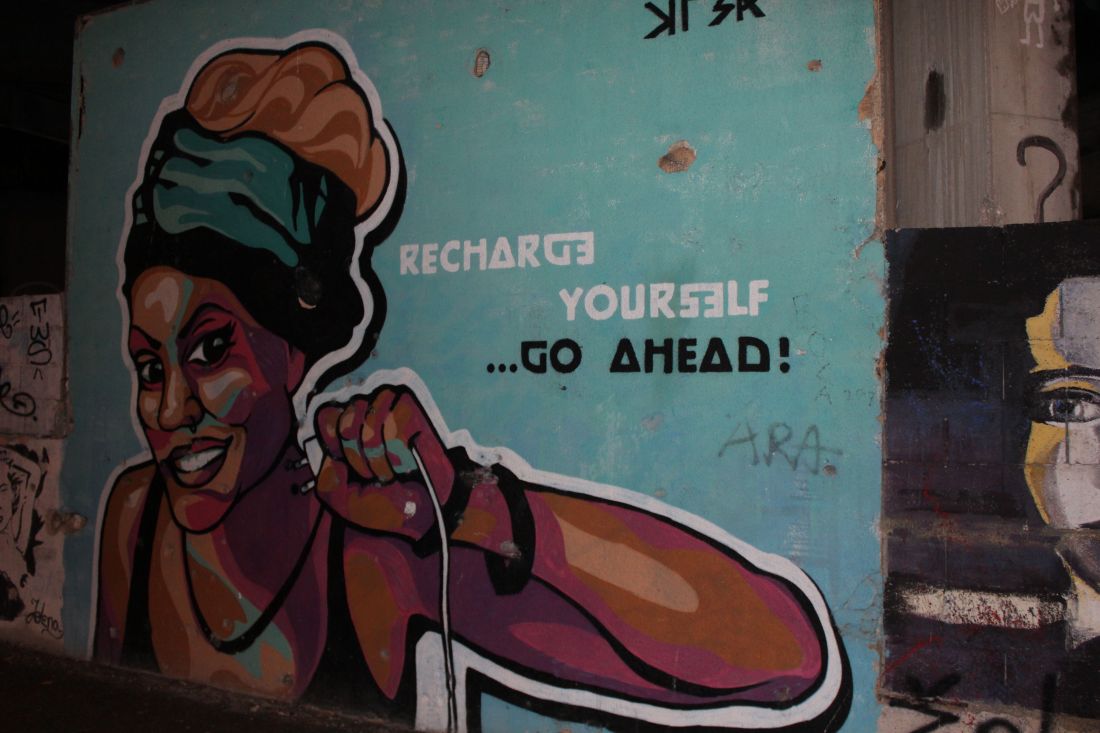
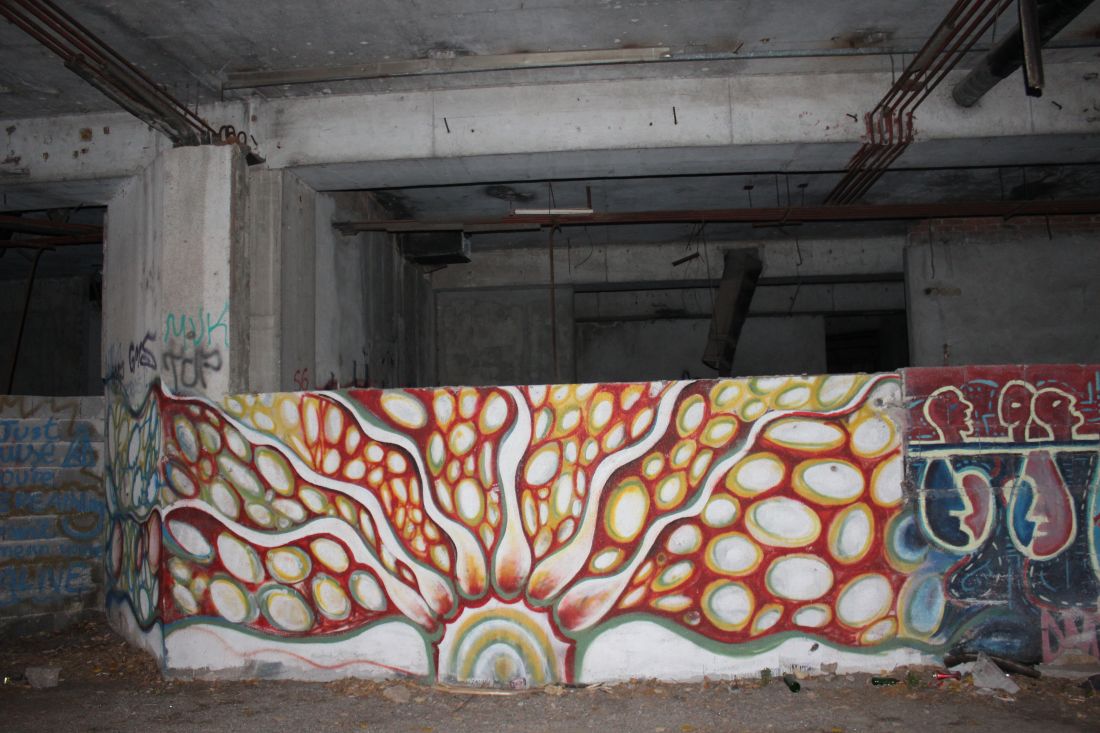
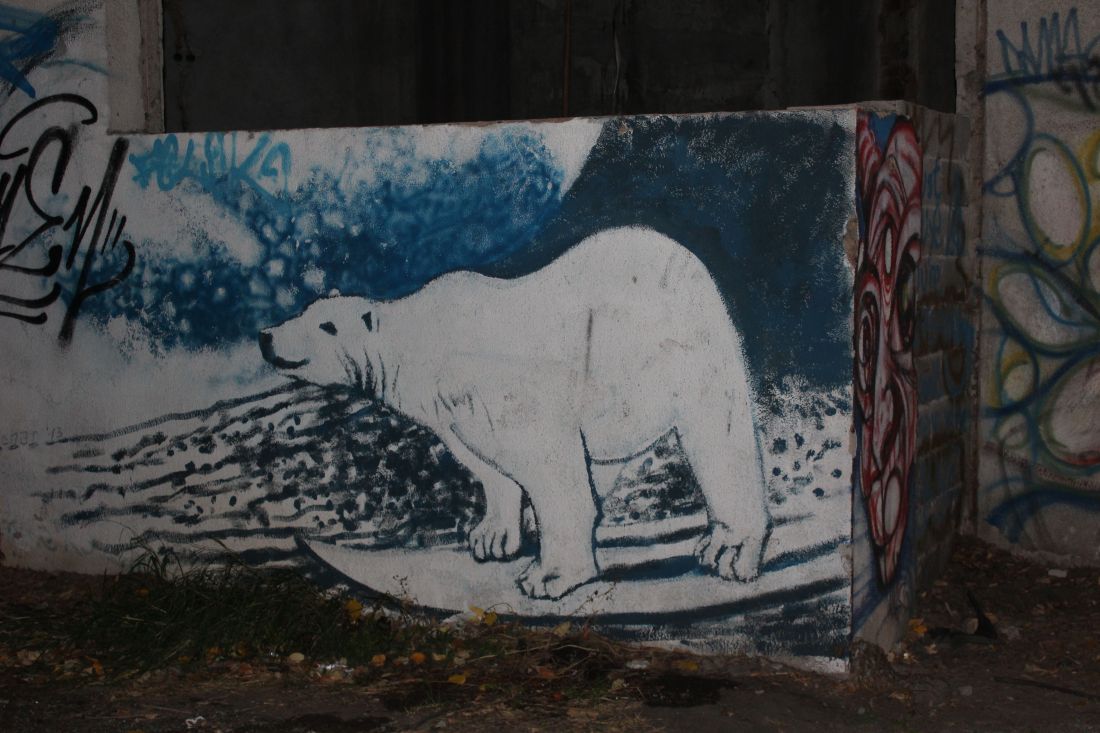
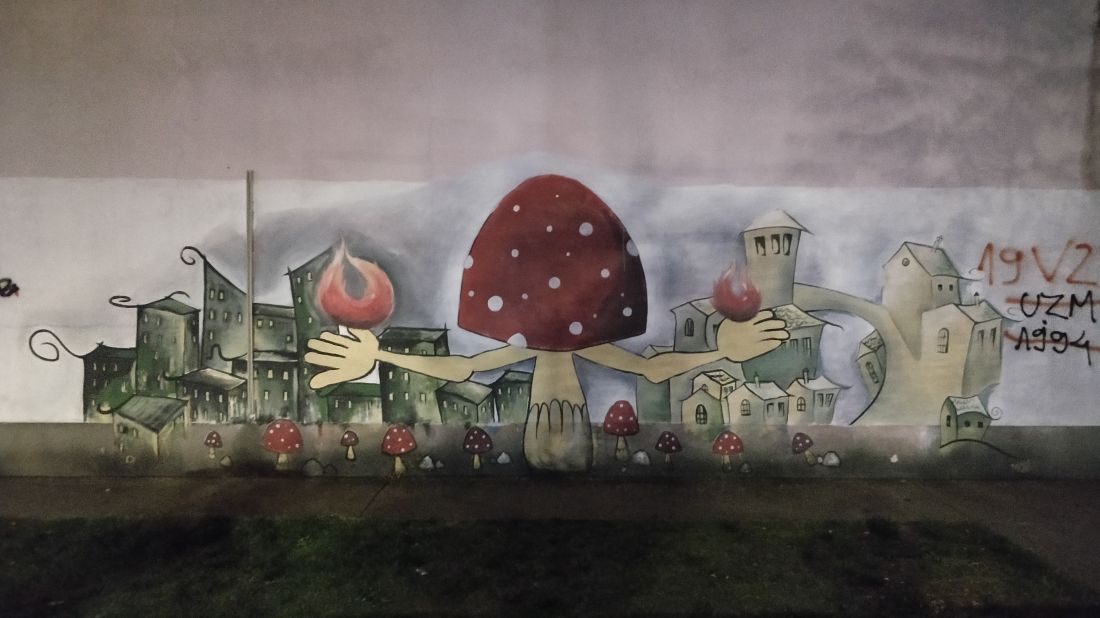
Graffiti is very common all over the town and you can see bombed out buildings at every corner.
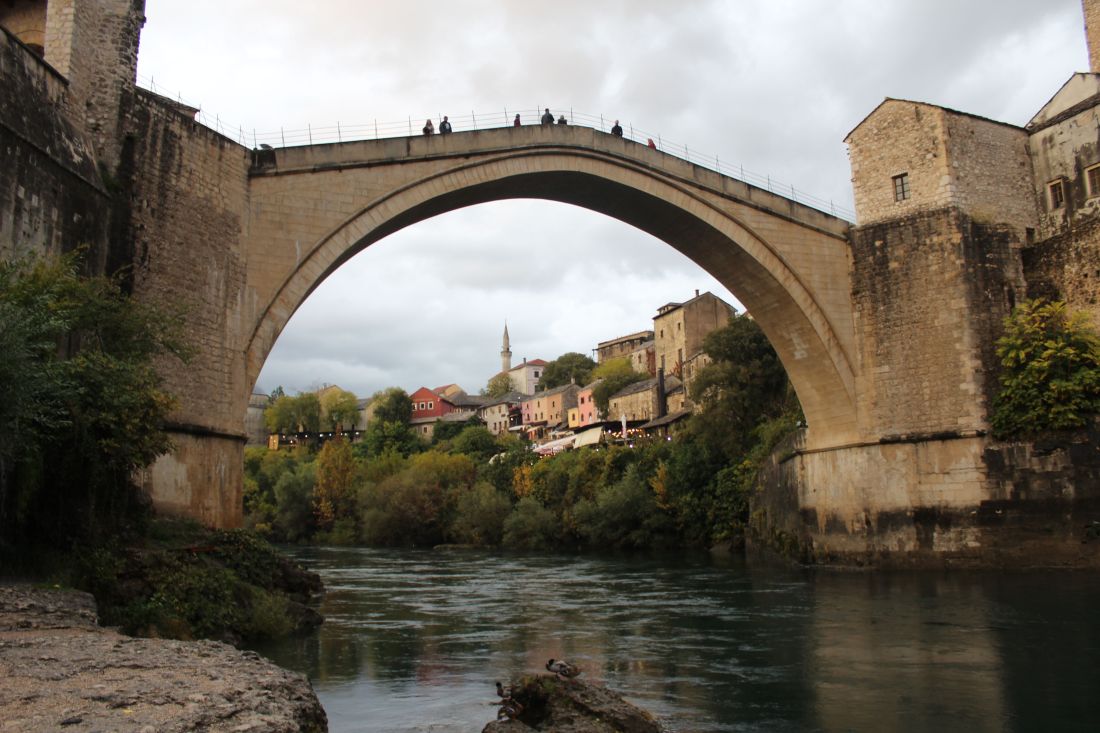
The biggest attraction in Mostar is the Stari Most which translates to Old Bridge. The bridge was originally built in the 1500s and is considered one of the best examples of Balkan Islamic architecture. As the Ottoman empire controlled this part of Europe for over 500 years the bridge and the old town have a very Turkish feel to it.
The bridge is on the south side of the old town and impossible to miss.
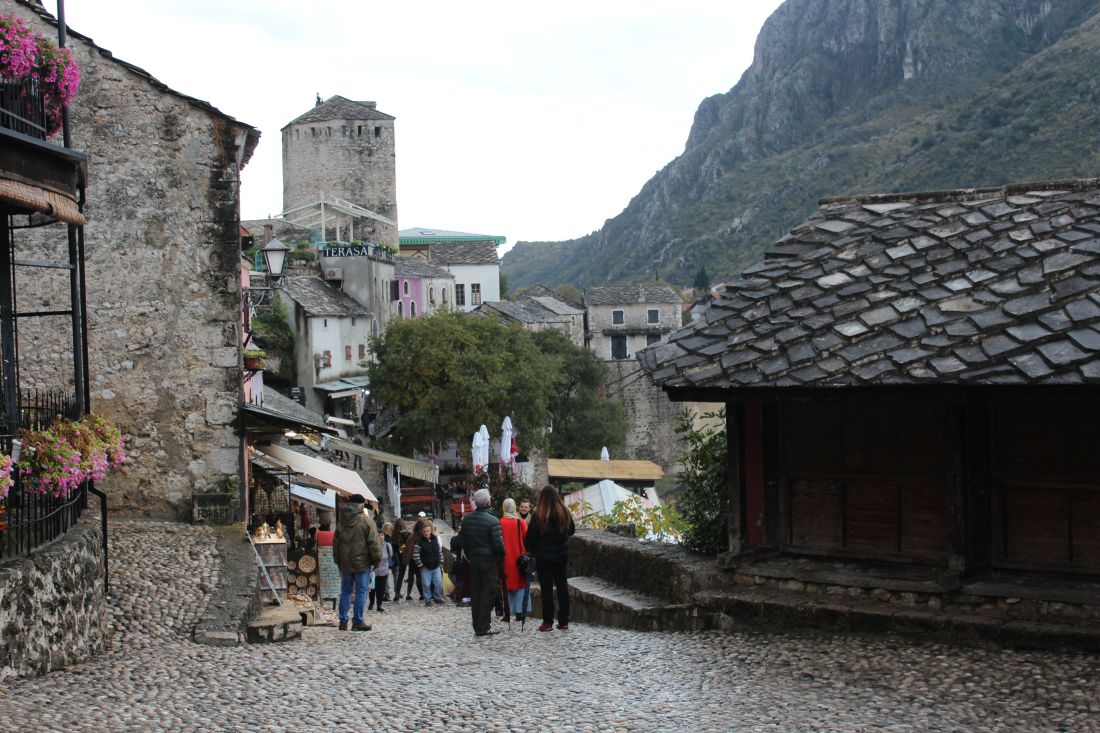
Don’t let the picture fool you. The incline on this bridge is very steep so if you have mobility issues you’ll want to take it slow.
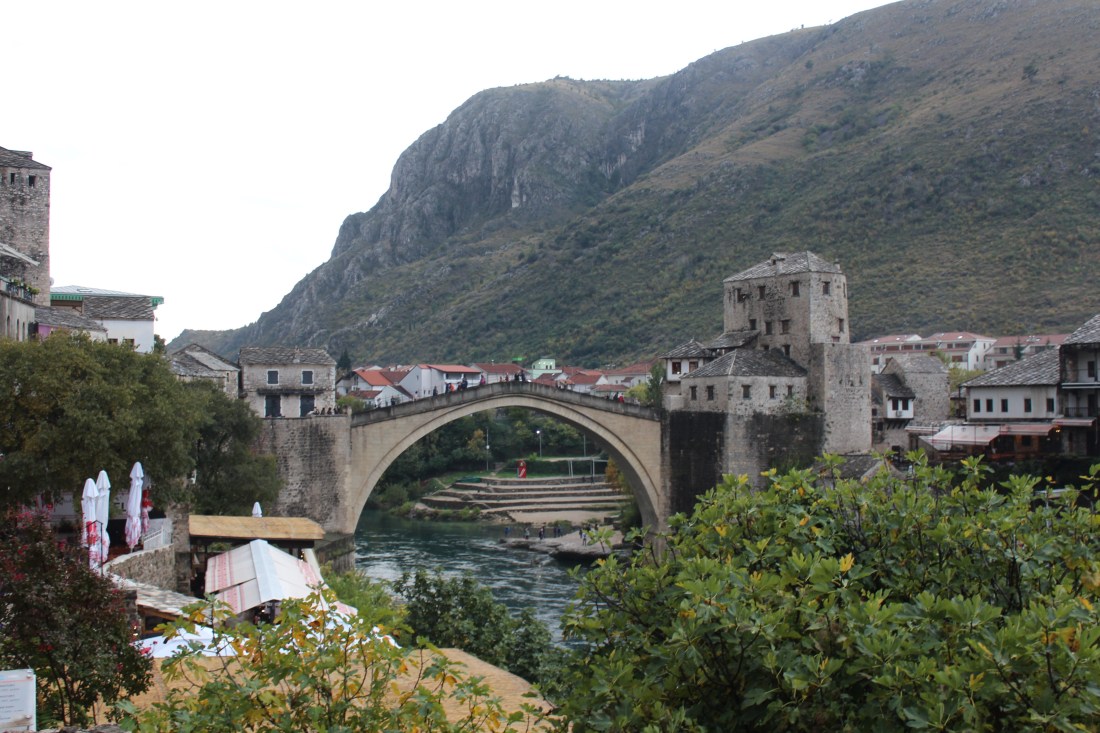
The bridge isn’t original anymore as during the Croatia-Bosnia war Croatian paratroopers blew the bridge up but it was rebuilt in 2004 to its original design.
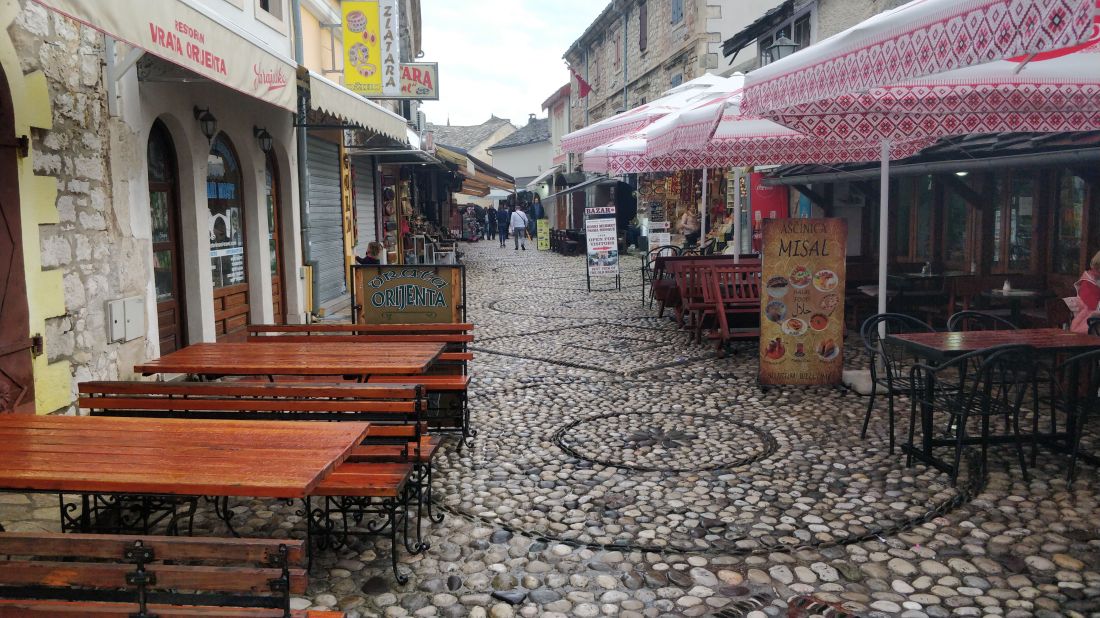
The area surrounding the bridge is a major tourist trap but there are some very cool restaurants and shops and the street is so unique.
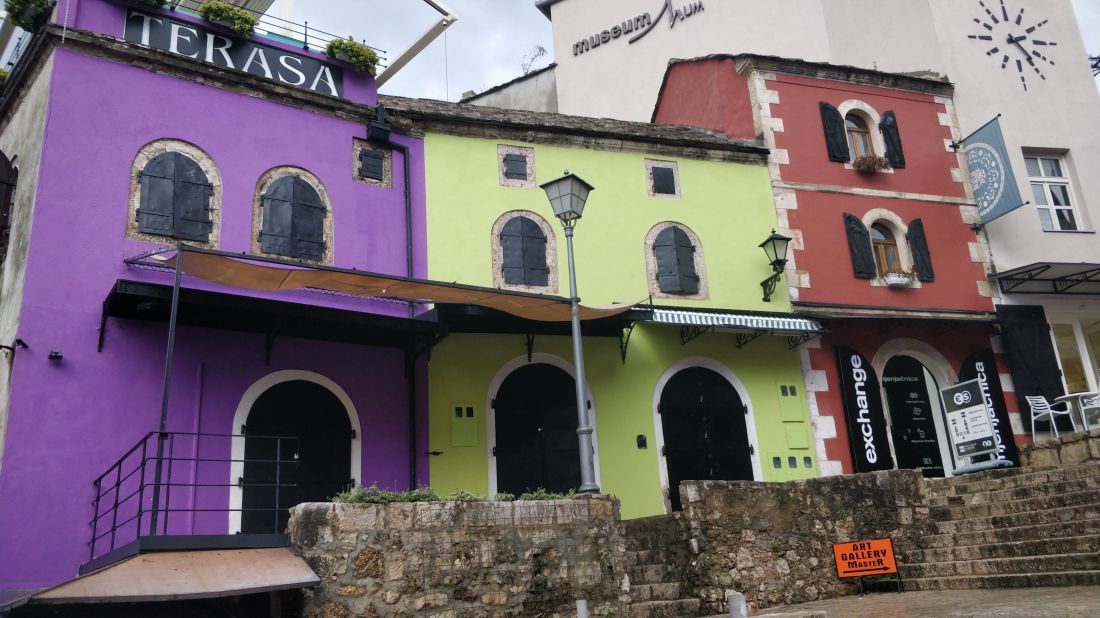
We didn’t see very many painted buildings but these 3 were very fun.
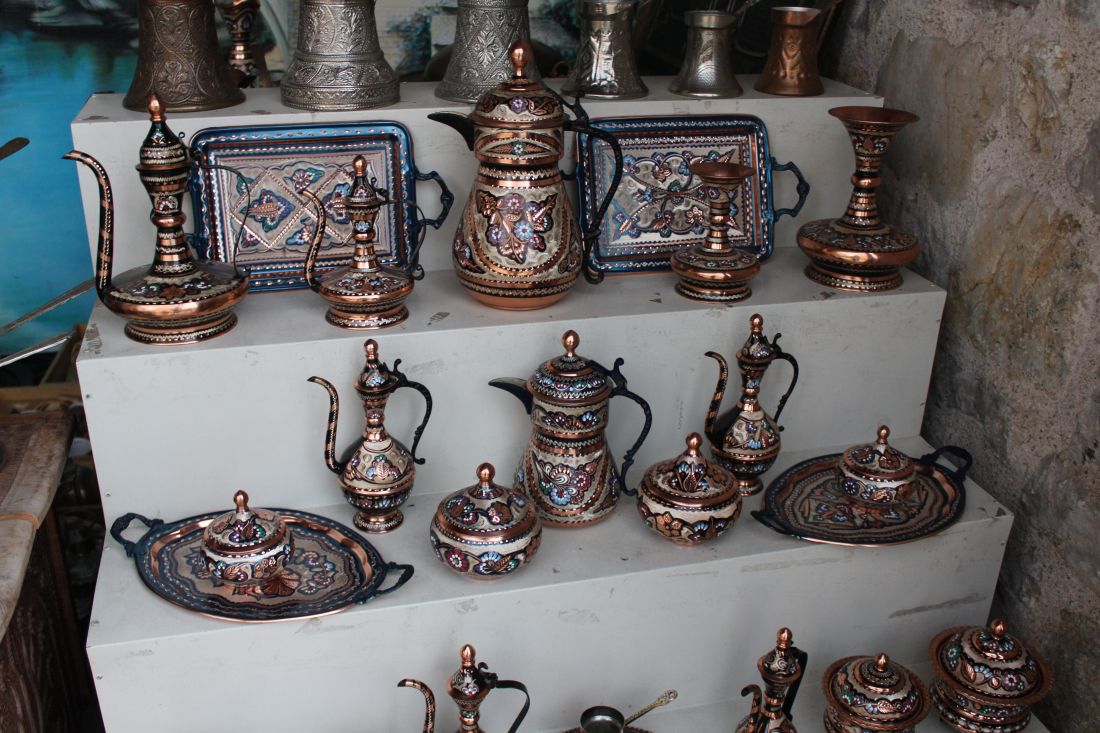
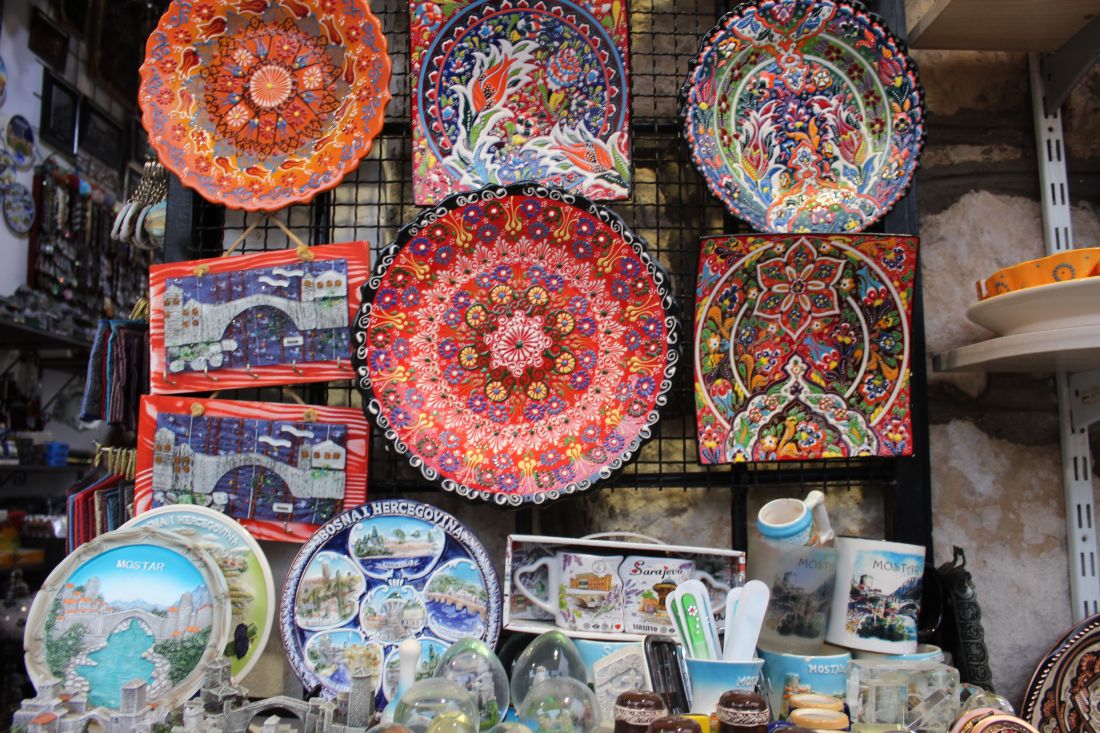
We noticed that copper ware was extremely popular in all the tourist shops.
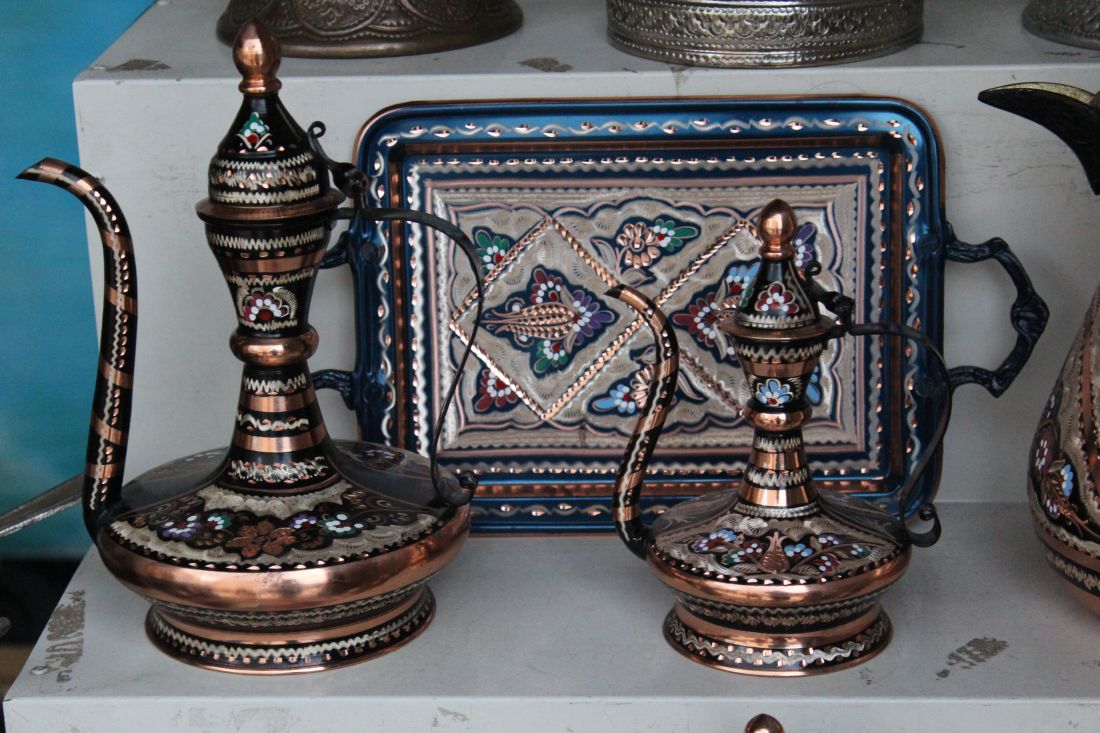
These plates we’ve noticed are common through out the Balkans (after this trip we saw them in Montenegro, Bulgaria, and even in Turkey).
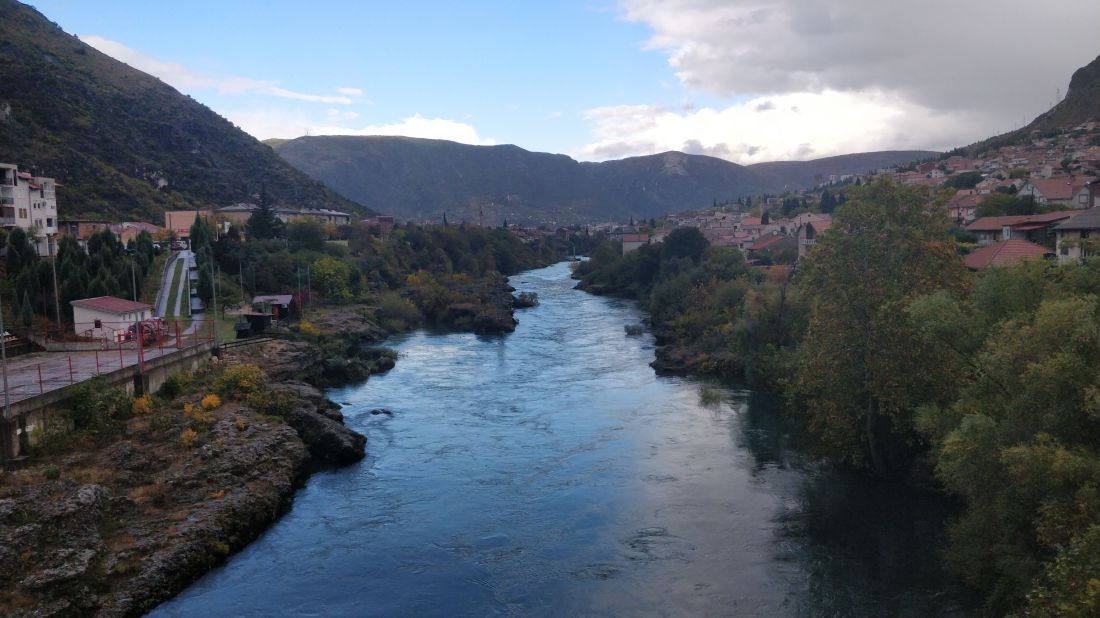
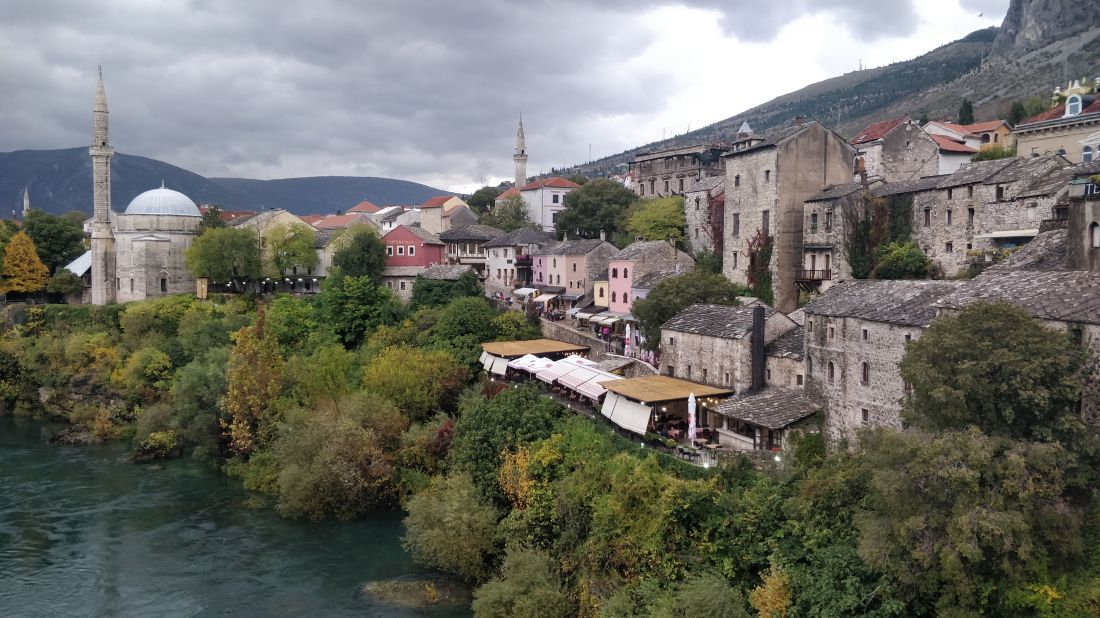
Exploring the back streets you’ll find a mini Stari Most.
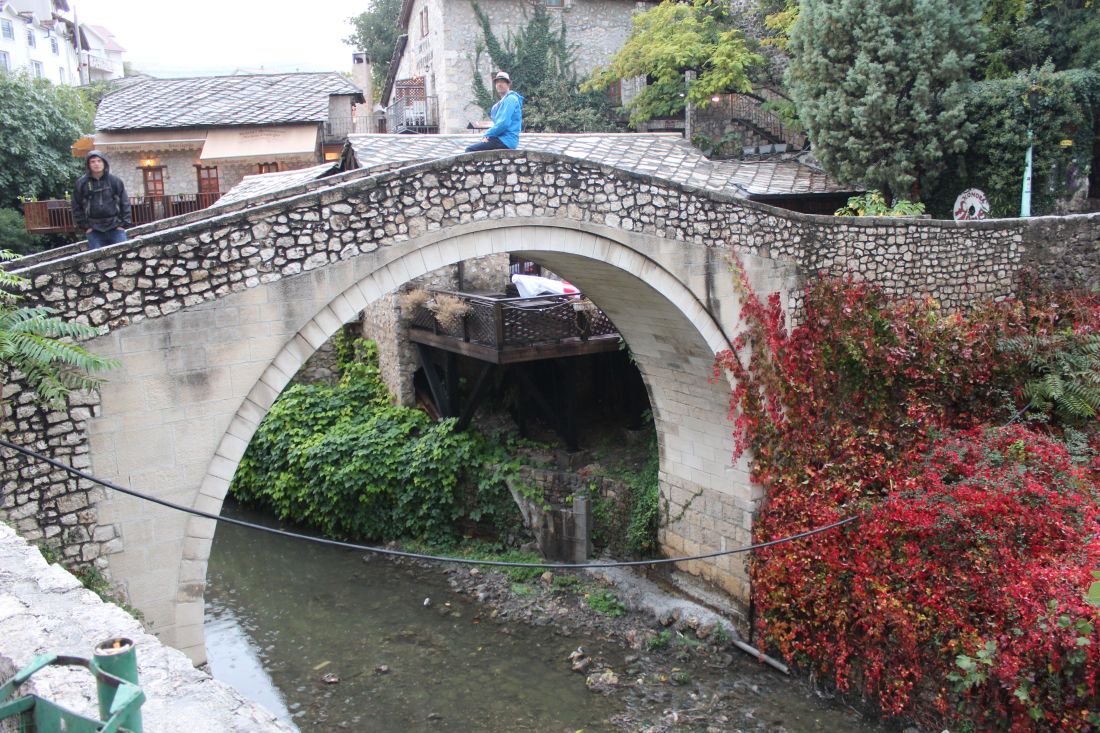
It’s a little bit of a maze to find your way down to the water but it’s worth the trouble for a unique view of the bridge.
Just behind the beach with the best view of the bridge are some destroyed buildings left over from the war.
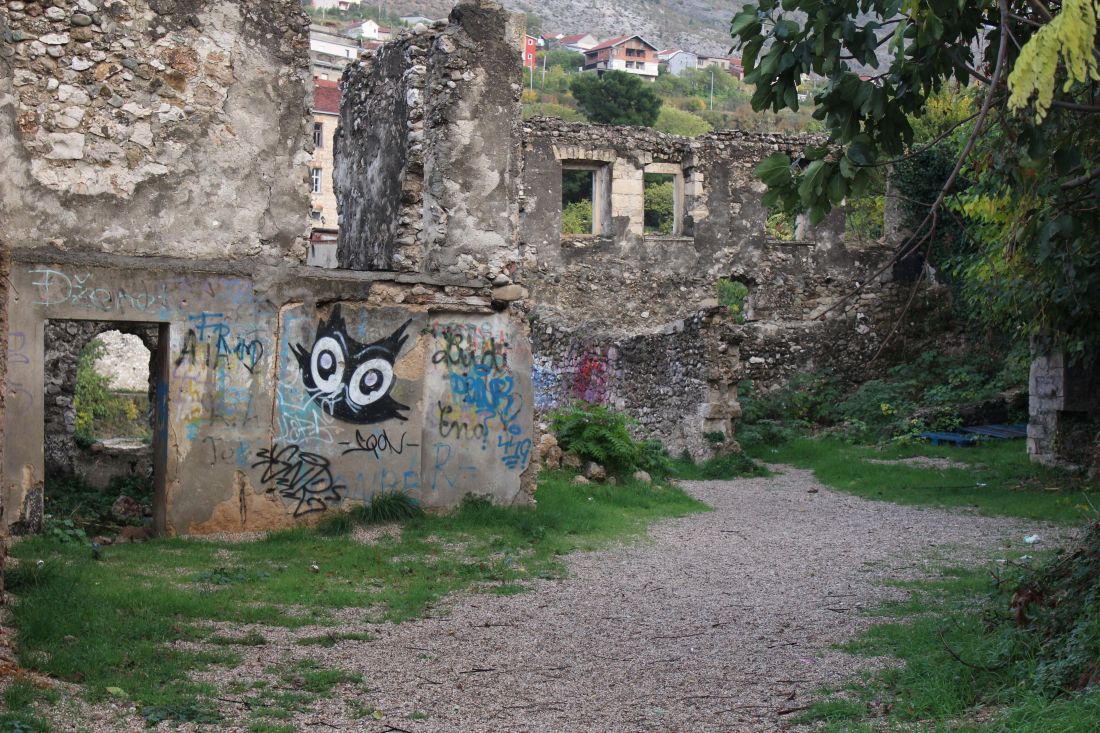
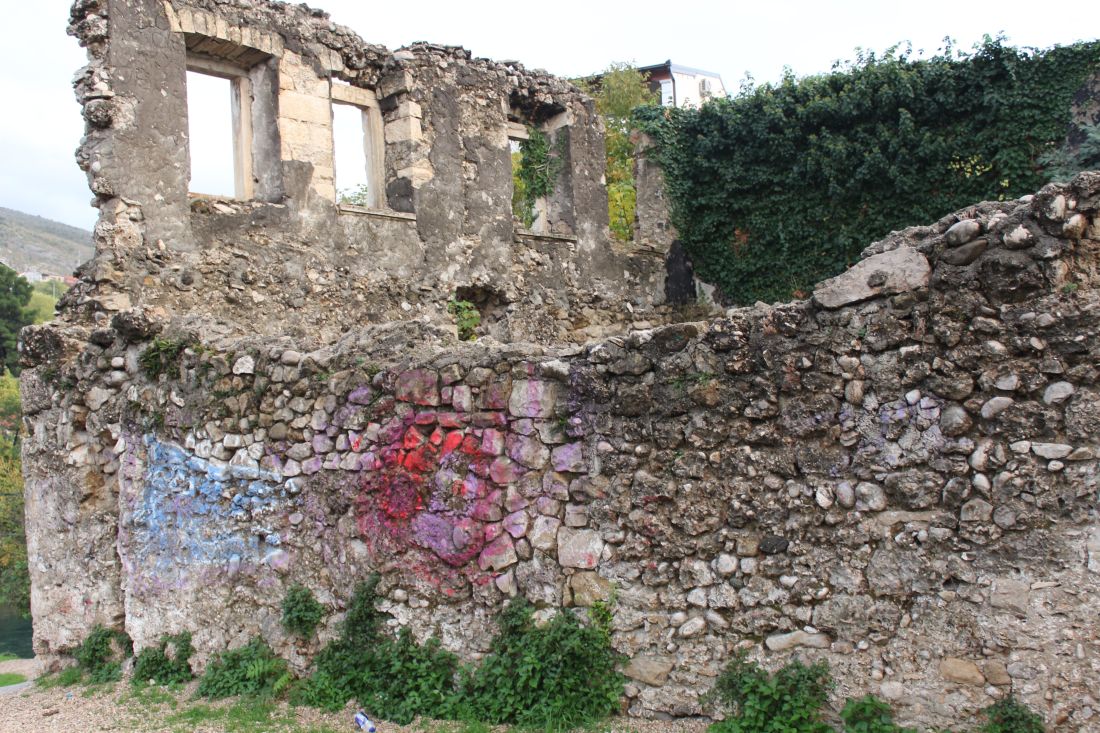
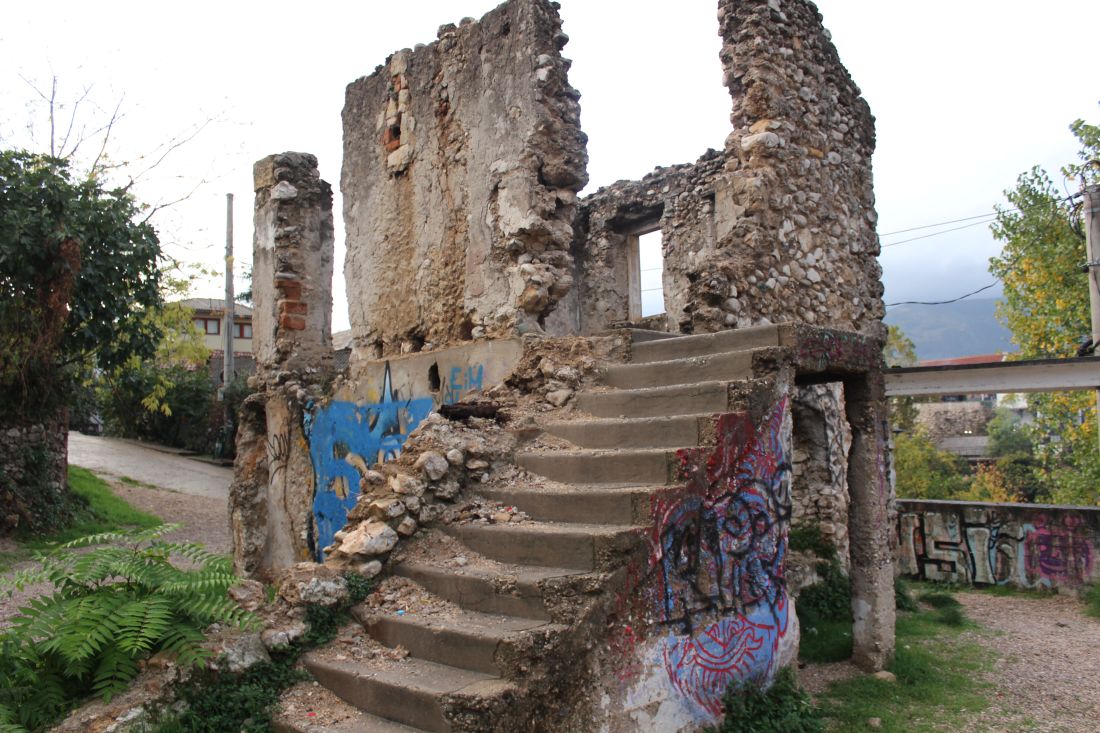
Here I think is a good time to talk some recent history. Sometimes you hear about historical events but don’t take the time to really understand them until you’re in the spot where it happened (at least that’s been me as we travel).
The Bosnian Wars started as a direct result of the collapse of Yugoslavia. During the Yugoslavian wars, Serbia wanted full control of the country and used armed force to make Croatia and Slovenia submit. Bosnia wasn’t cool with Yugoslavia either and so they joined their army with Croatia and together they pushed back the Yugoslavian army.
However once the Yugoslavian army withdrew Croatia got greedy and thought they could backstab Bosnia to take some land that had large Croatian populations. This started the Croat-Bosnian war of the 1990s and a lot of the fighting happened here in Mostar.
One of the most ominous reminders of the war is this destroyed bank. Croatian snipers used it during the war as it had a good vantage of the Eastern, Bosnian held, side of the city. It’s not open to the public but it seems to be fairly common for people to jump the fence and explore inside, however, we were not about to do that.
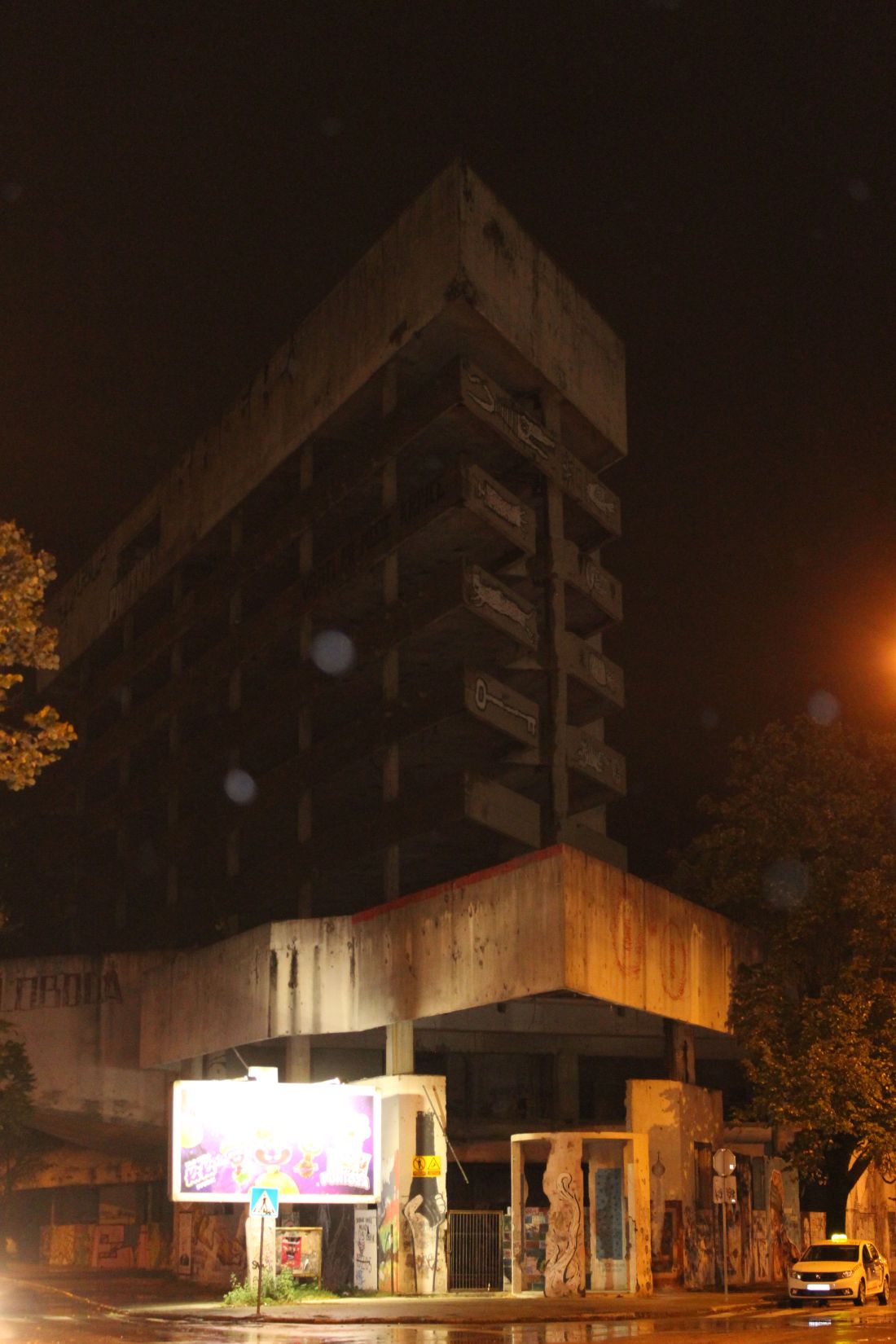
Wandering around the newer part of the city in the evening we came across a lot of cool and really strange graffiti.
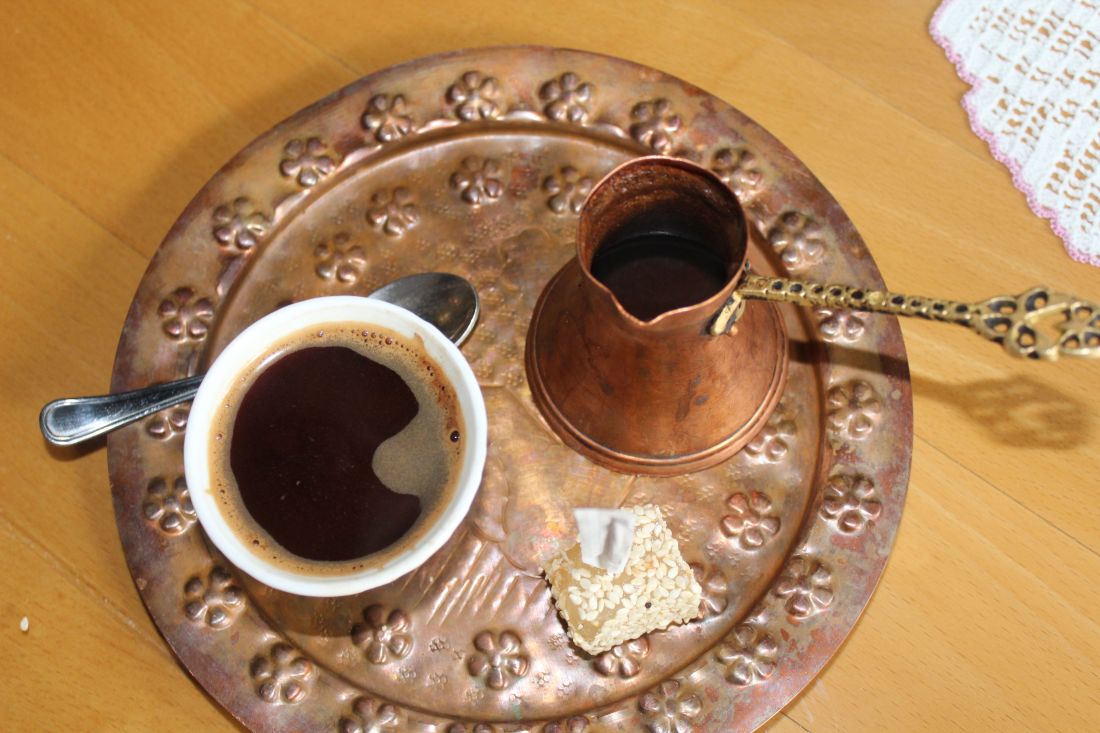
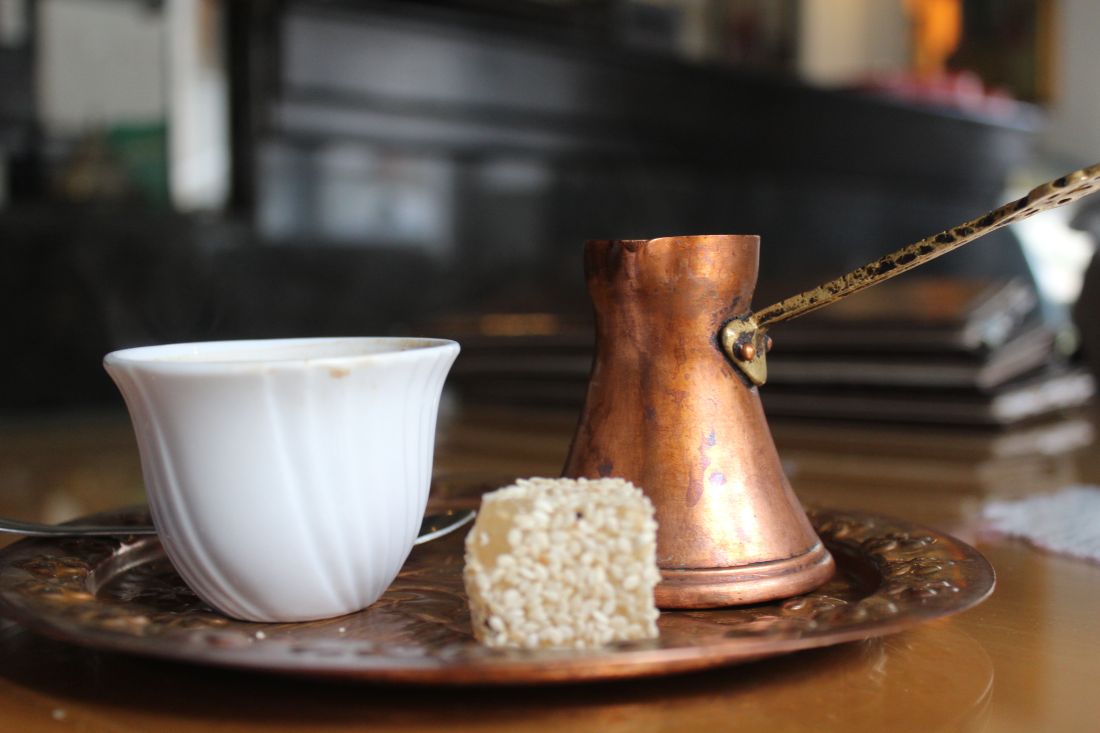
One last thing I want to talk about Mostar is the Bosnian coffee. If you’ve never heard of it before it’s almost identical to Turkish coffee but without the coffee grinds at the bottom of your cup. I would say it’s a must try but it is quite strong and something you drink very slowly. I really enjoyed that instead of sugar to sweeten your drink you’re given a small piece of lokum (Turkish delight) to nibble on between sips.
After our quick overnight stop here we were back on a bus headed to Dubrovnik to finish our 18 days in Croatia. You don’t need much time to explore Mostar but if you’re in the area or you do decide to visit Bosnia make sure to stop in for a look.
 A Romping European Time
Another fascinating travel story! Thank you for sharing your jourey.
LikeLike