After a great 3 weeks visiting with Candice’s Mom in Romania and Bulgaria we were now on a flight from Sofia to our next destination, Turkey. When we were planning this trip I had 3 big countries to visit, Poland, Greece, and Turkey so I had high expectations for this next part of our trip.
Leading up to our visit to Turkey I only ever met 2 type of people; those that don’t understand why anyone would want to go to Turkey and those that have been there and loved it. I don’t think I’ve met anyone that has gone to Turkey and not enjoyed it.
Geographically speaking, Turkey has a very interesting history as it has been a literal crossroads between many cultures for over 3000 years.
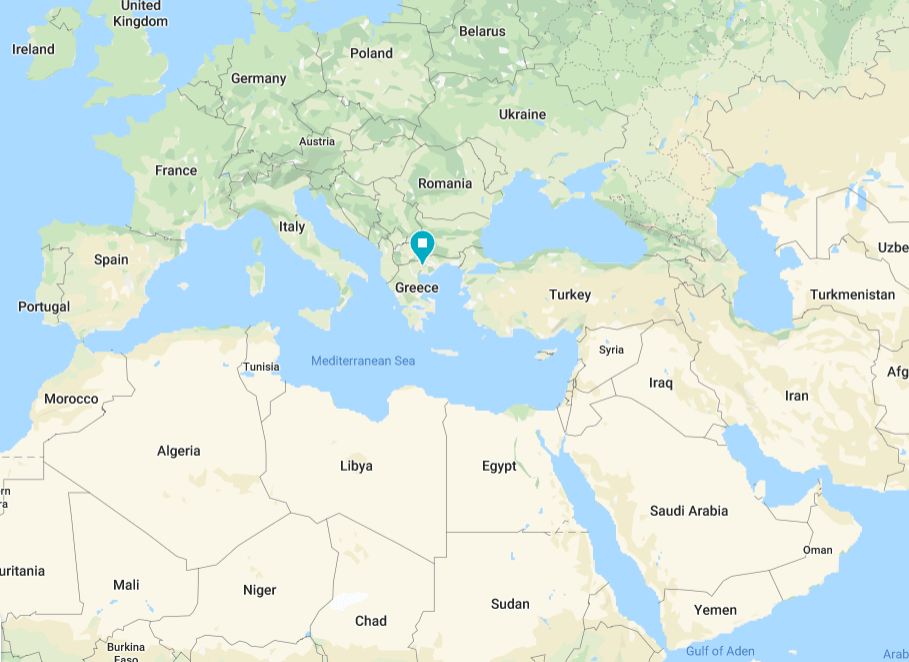
Even before 1000 BC Western Turkey was populated by hundreds of Greek cities but by 300 BC those Greek cities were conquered by the Persians hailing from the central Iraq region. The following Persian empire was the largest and strongest in the region and for over 200 years they were a main rival to the Greeks on the Greek mainland.
It wasn’t until 150 BC that Turkey was then conquered by the Romans and stayed under Roman control for close to 1500 years. By the 1200s a group of people from the central Asia region (Turkmenistan, Uzbekistan, Kazakhstan, etc) established themselves in the eastern part of Turkey. They quickly started conquering lands in the Middle East and came to call themselves as the Ottoman Empire (I’ve spoken about them in my Bulgaria and Romania posts).
Within 200 years (so around 1400), the Ottomans become strong enough to start pushing the last remnants of the Roman empire back. By 1453 the only hold out of the Romans was their capital city of Constantinople and when it finally fell to the Ottomans it was renamed to Istanbul and become the new capital of the Ottoman Empire.
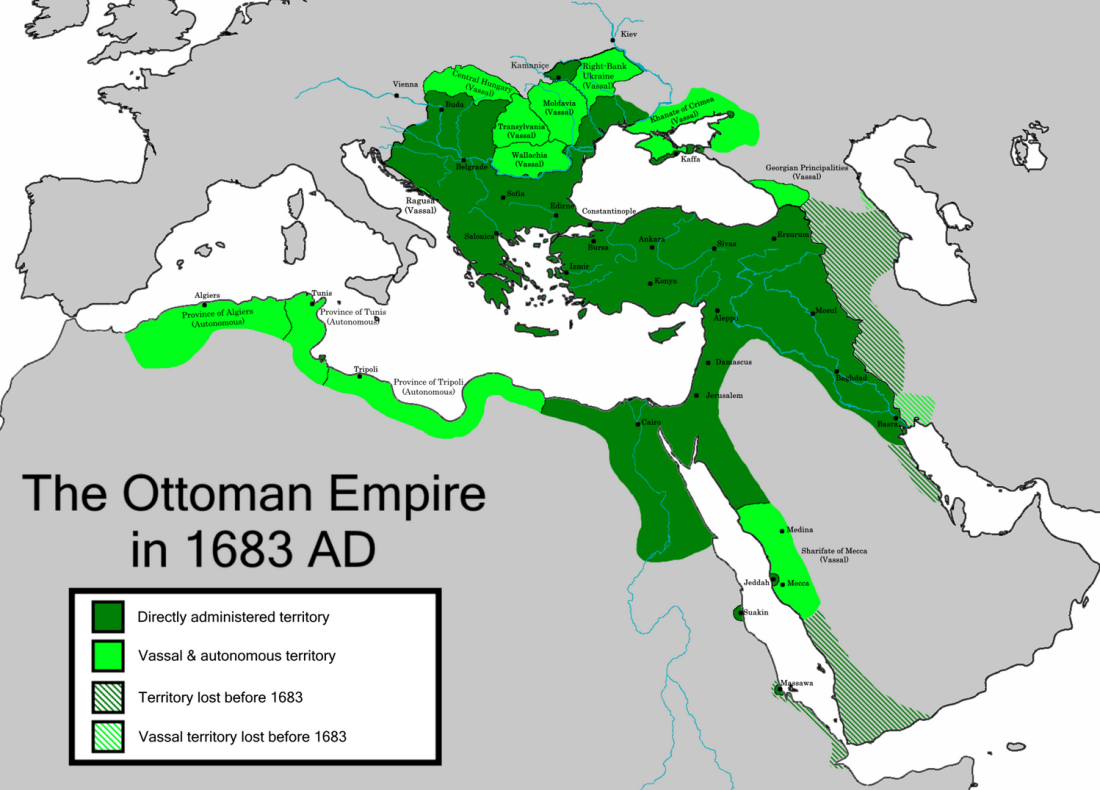
For anyone that might be confused that I said the Romans lasted until the 1400s and are pretty sure the history books say it ended in the 500s I should clarify. By 285 AD Rome was too big to govern from Rome alone so the Emperor Diocletian (the same dude that made the crazy palace that is now Split, Croatia, by the way) made the decision to split the empire into 2 parts, east and west. There were now 2 emperors ruling 2 Roman empires, strange but completely true.
His successor, Constantine, chose to rule the eastern part since it was far wealthier then the west. He chose a small town at the crossroads of lucrative trade routes for his new capital and called it Constantinople. By the 500s the west part of the Roman empire was falling apart but the eastern Roman empire was doing fantastic and continued on for another 1000 years. Historically we call them the Byzantines but those people would have considered themselves Roman and they never called themselves the Byzantines.
The Ottomans at their height of power were probably the most powerful force in Europe and were poised to potentially conquer all of Europe. The only problem was they were up next to 3 of Europe’s most powerful states at the time, the Hapsburg’s Austro-Hungarian empire, the Polish-Lithuanian Commonwealth, and Russia. In the 1500 and 1600s the Hapsburgs and Polish-Lithuanian Commonwealth united to fend off repeated Ottoman attacks, finally stalling their advances into Europe, and in the mid 1600s Russia started their own conquest of the Balkans.
Russia’s main reason to attack the Ottomans was to establish ports on the Black Sea so they had easier access to trading in the Mediterranean but they soon started winning major victories against the Turks and so they kept up their attacks for almost 200 years slowly taking more and more land from the Ottomans.
By WWI the Ottoman empire was falling apart from the inside, they joined the war on the side of Germany, and when the Allies won, the US, Britain, and France split up the Ottoman empire into the Middle East we know today (mostly). One Ottoman political leader fought feverishly to keep a state for the Turkish people and he is now a revered hero in Turkey.
I suppose if you’ve been following all my blog posts you’re used to the history lessons (or just skip ahead to the good parts) so I wont apologize this time. But yes lets get on to the trip.
Working The Olive Fields
Candice and I had such a great time during a Workaway program on the Polish farm back in September that we wanted to do a couple more before coming back to Canada. We had about 6 weeks to kill before our time in the Schengen Euro travel zone reset so it looked like Turkey was the perfect place for another Workaway.
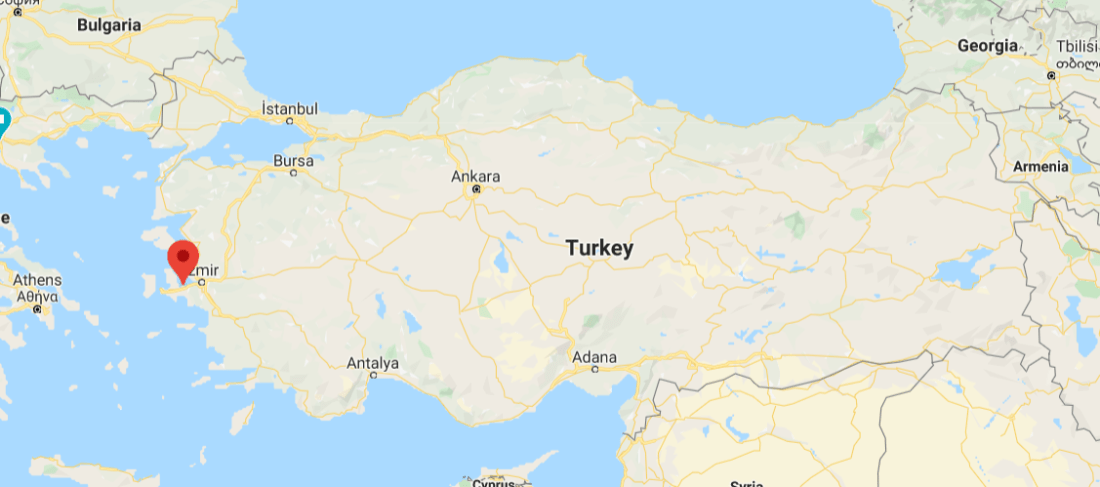
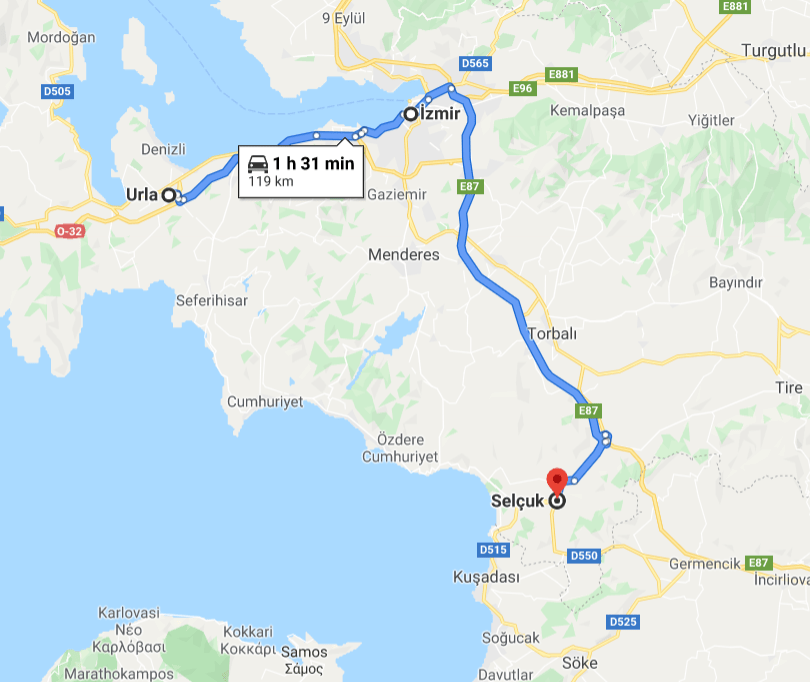
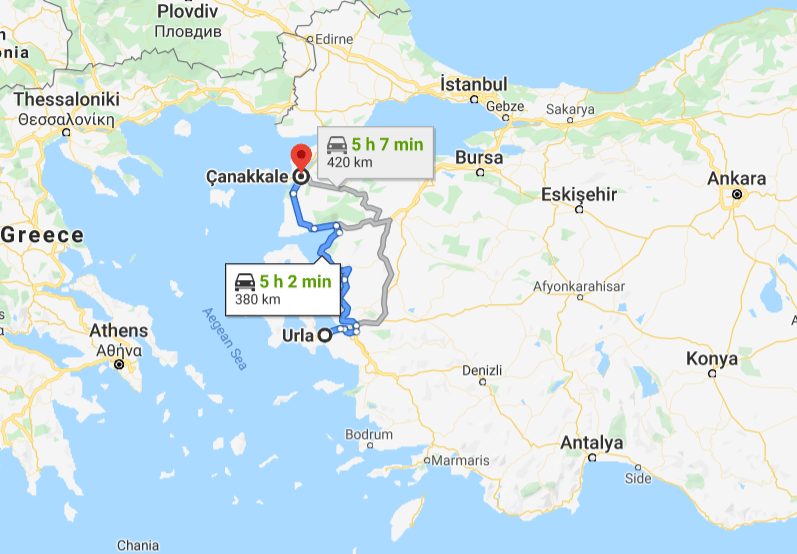
We choose an Olive farm about an hour West of Izmir, in Western Turkey, outside a small town called Urla.
We hadn’t been in much countryside since we were in Slovenia so it was nice to be on the farm away from the hustle and bustle of cities.
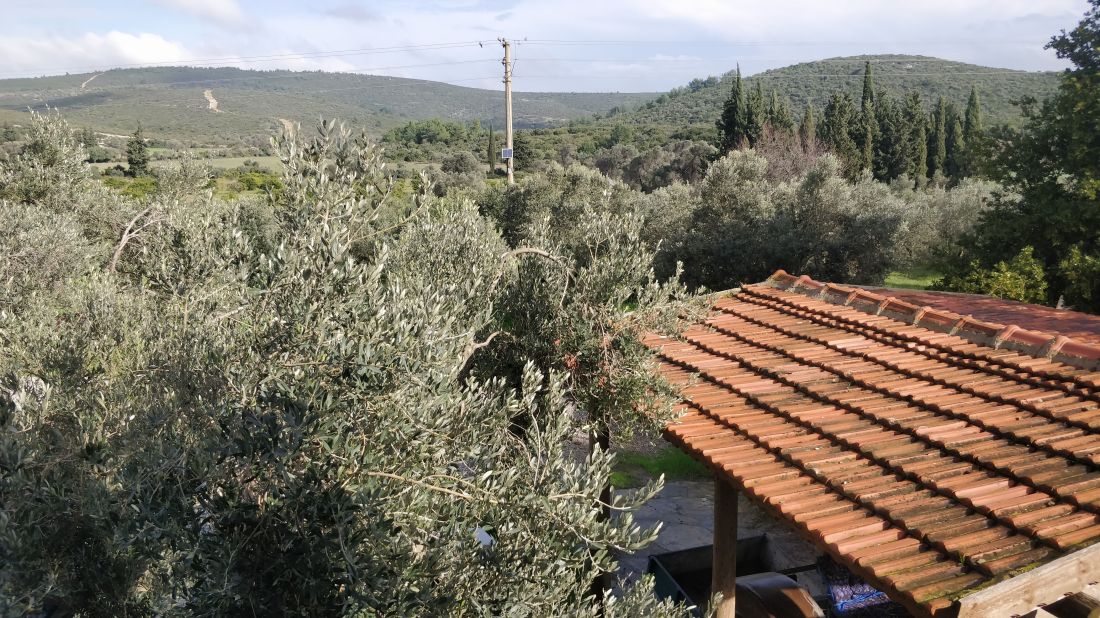
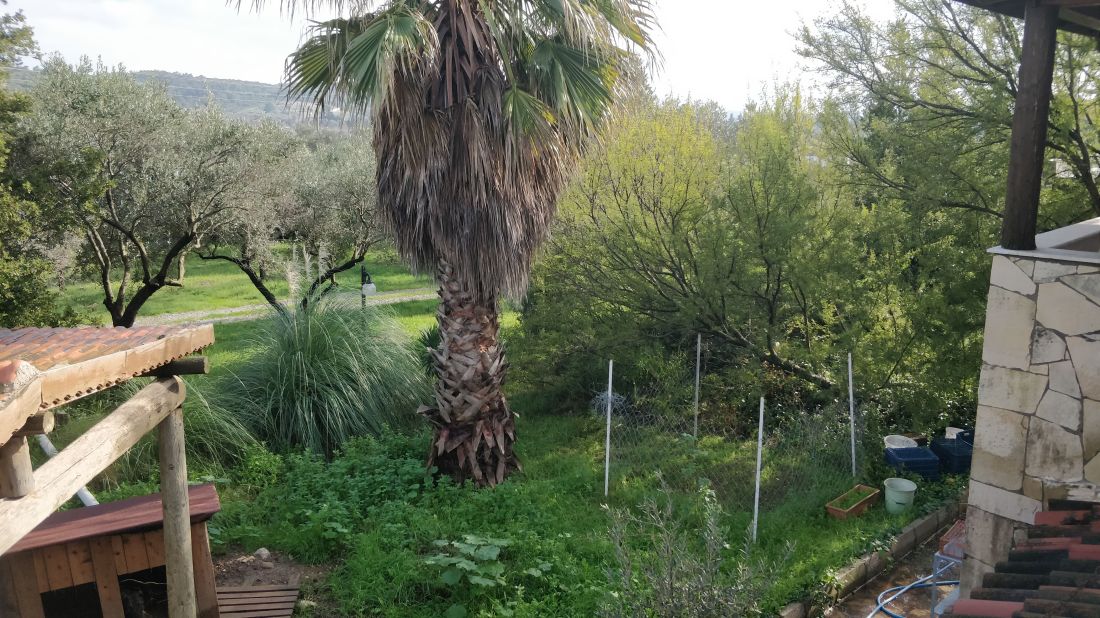
We were close enough to the sea to see it from the house but while we had nice weather we didn’t quite have swimming-nice weather.
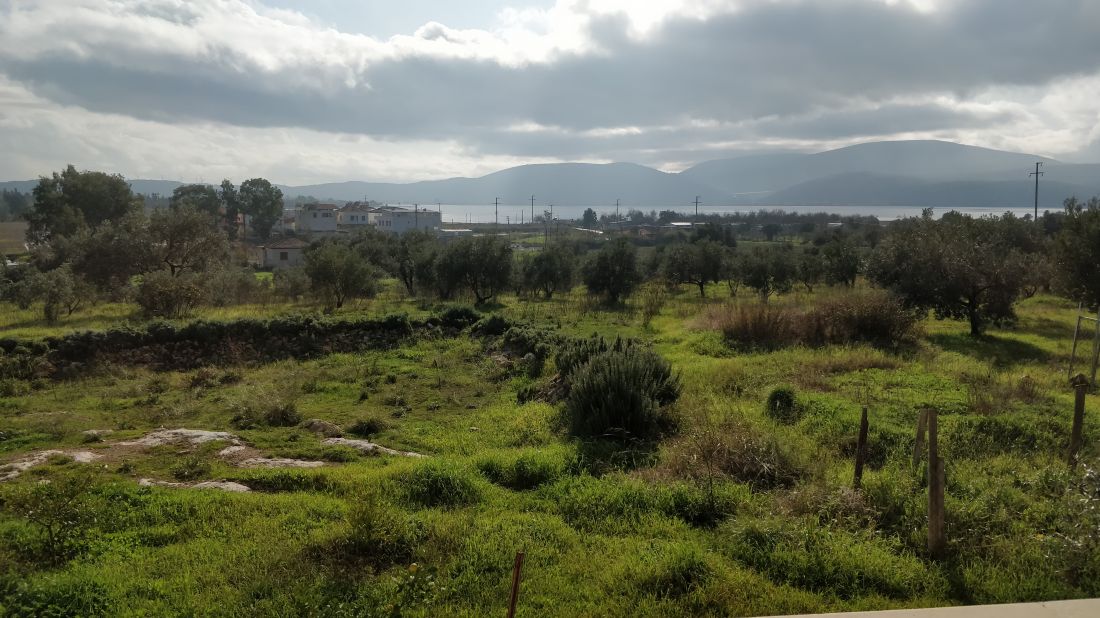
For the 3 weeks our main jobs were pulling weeds out of the blackberry bushes,
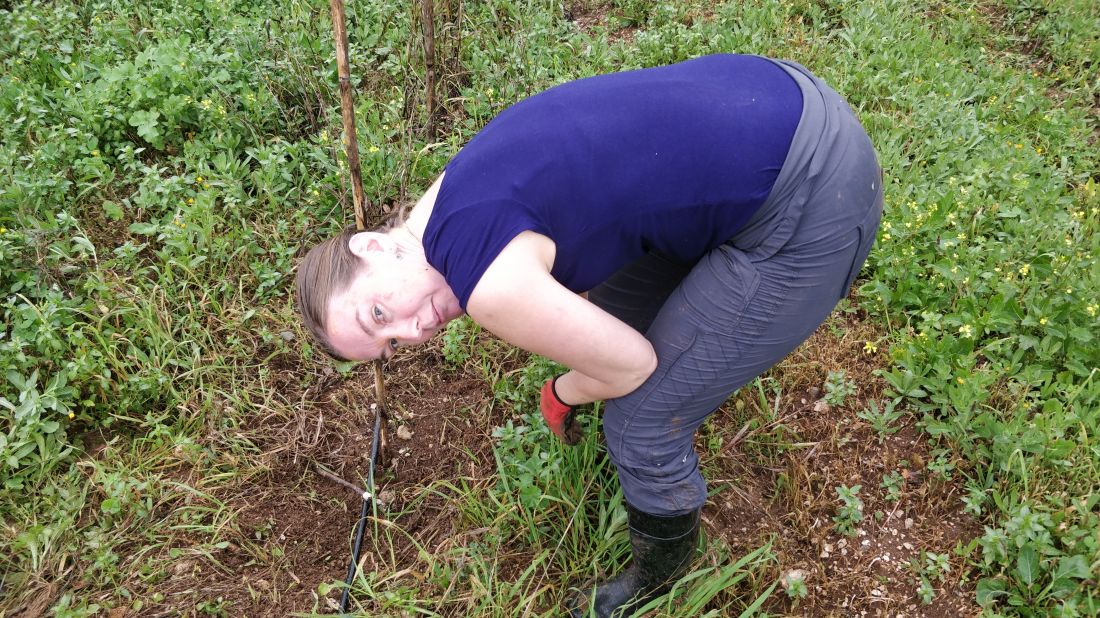
cleaning seeds from the grain on the rainy days,
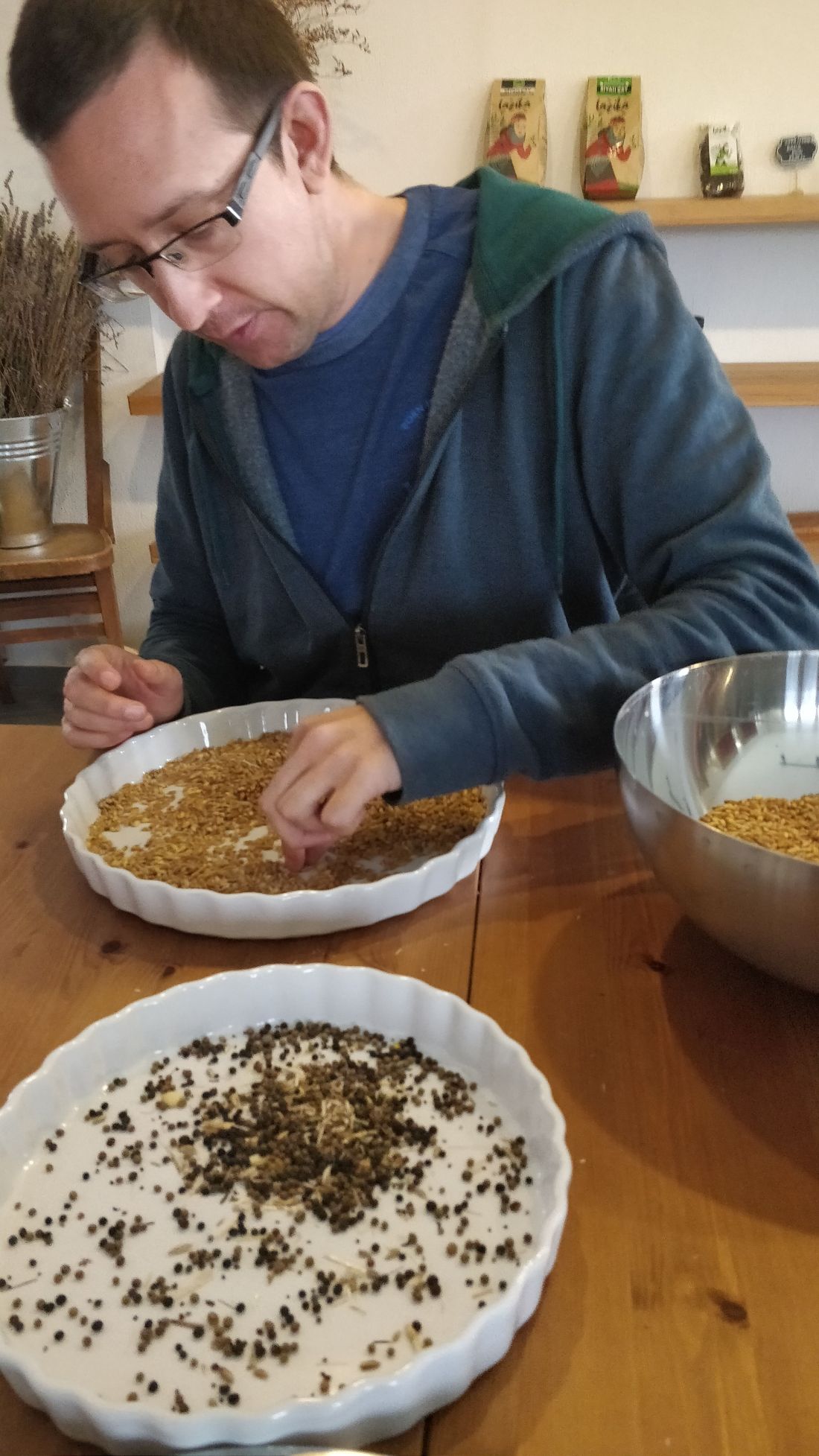
and clearing out olive tree branches after the olive groves were pruned.
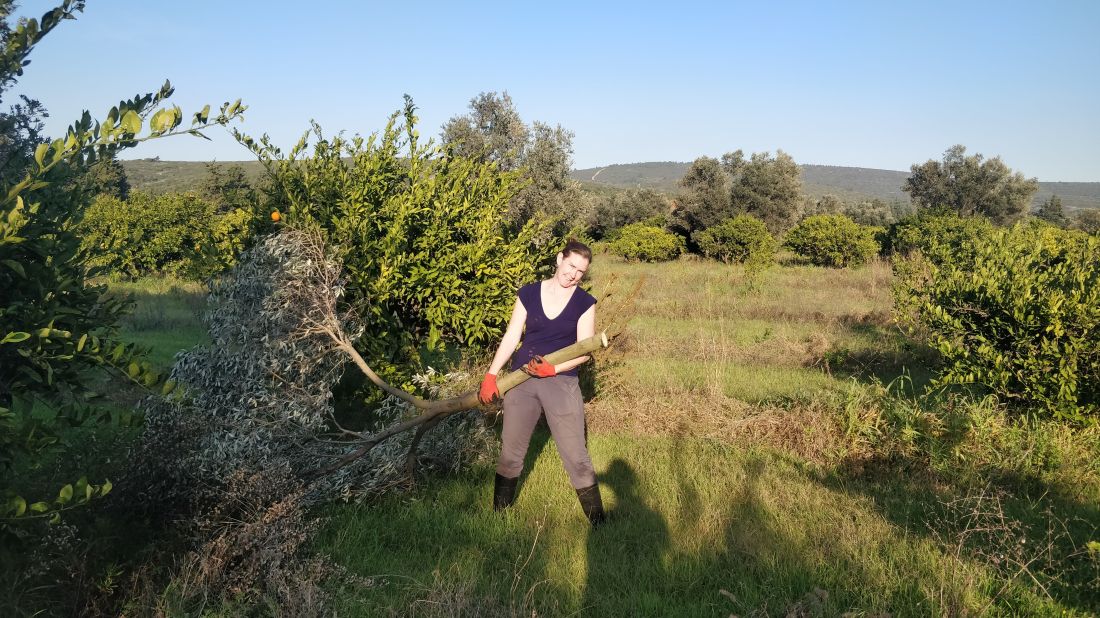
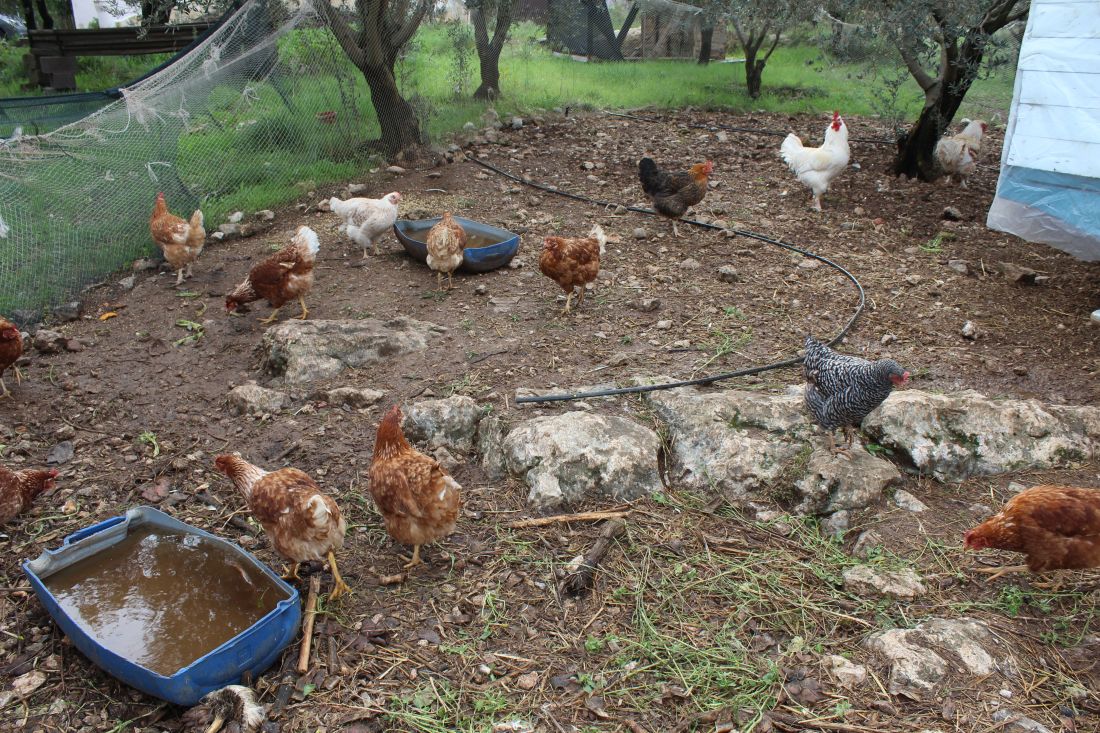
The farm had over 3000 olive trees so we spent most of our time dragging olive tree branches out to be mulched. We also had a couple side jobs like feeding the chickens every lunch
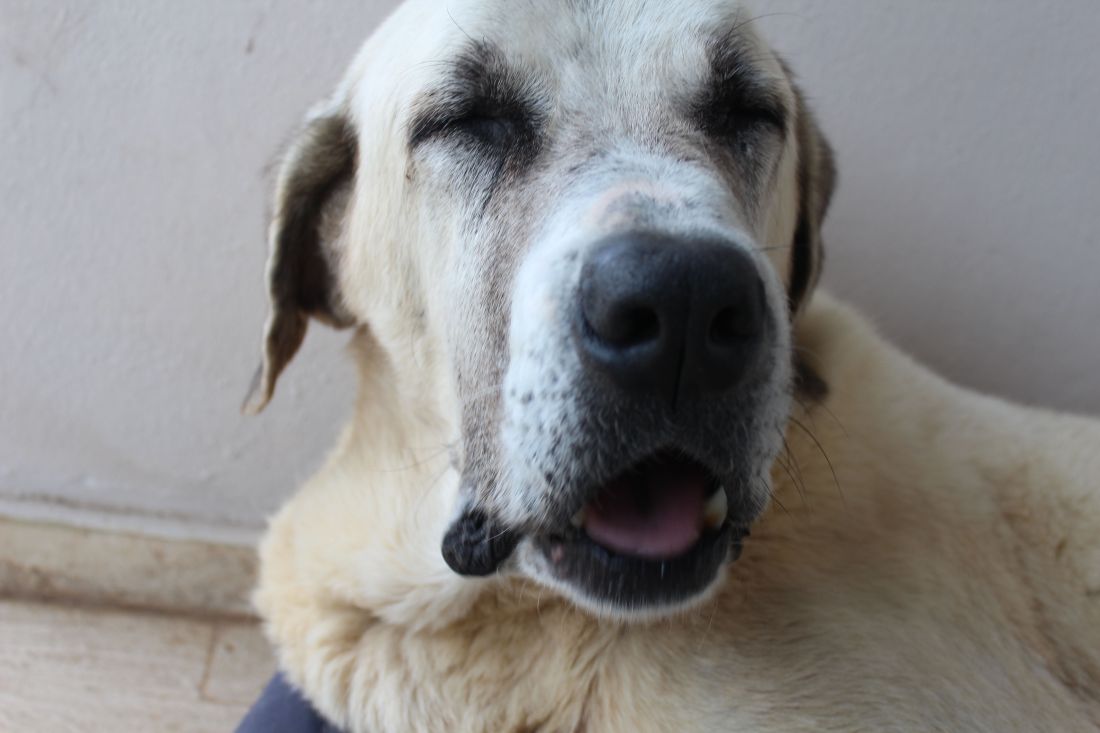
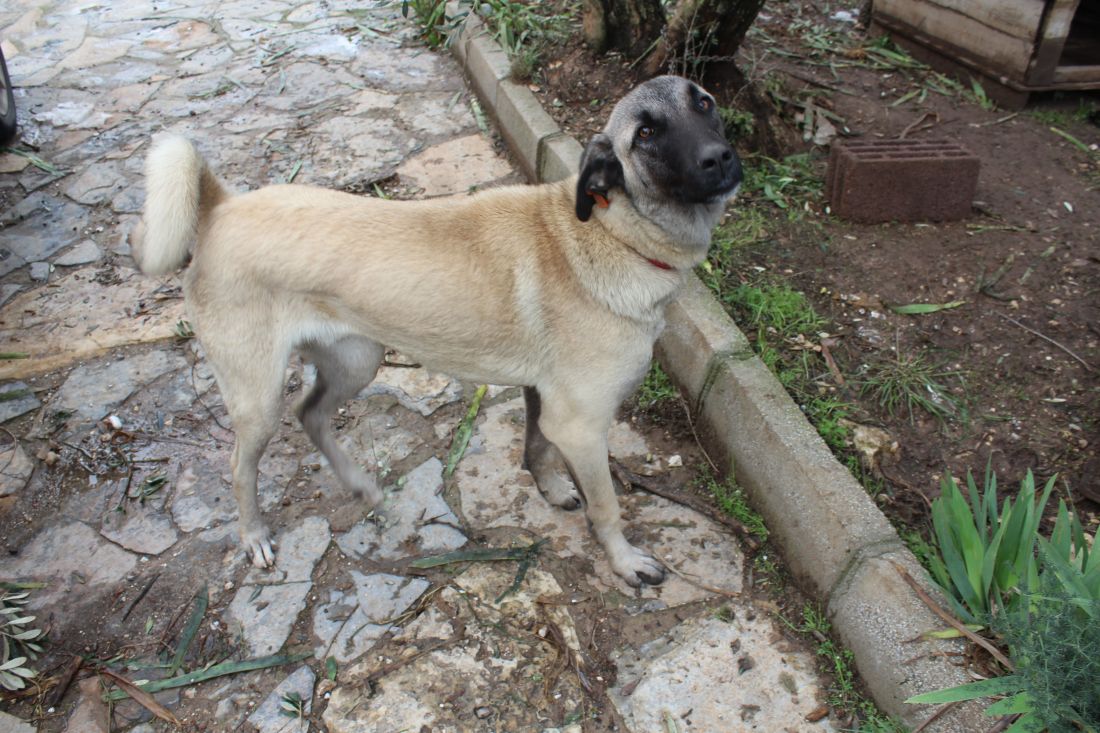
and playing with the 10 dogs and 6 cats at the farm!
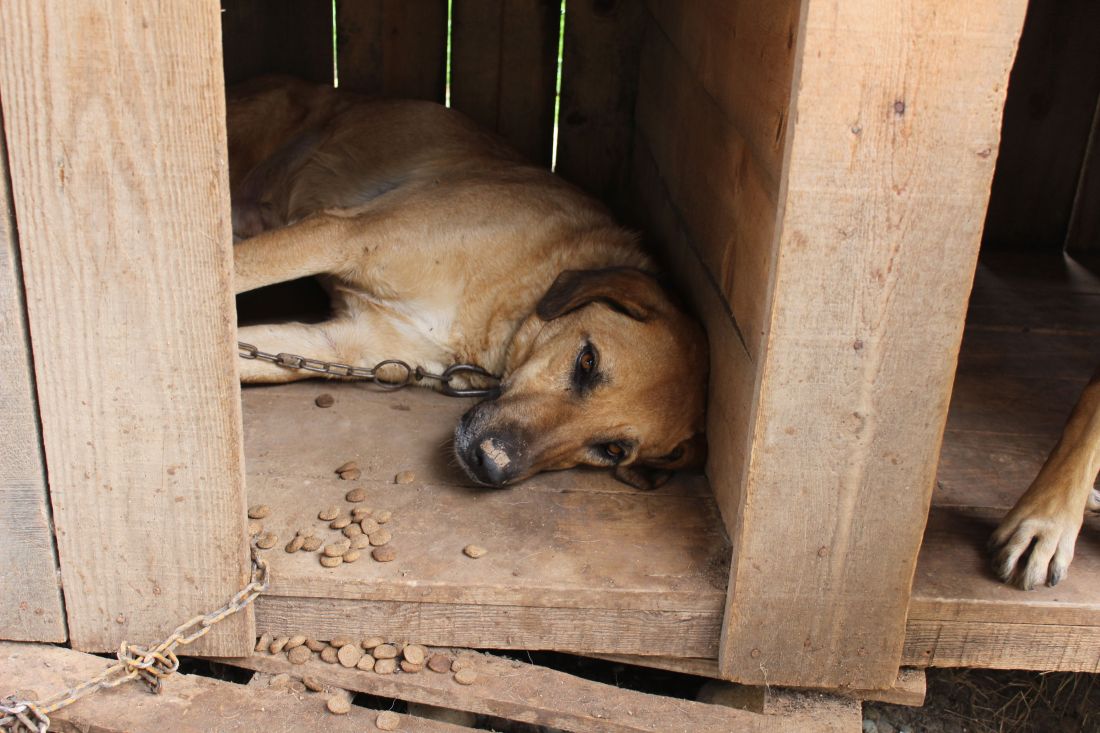
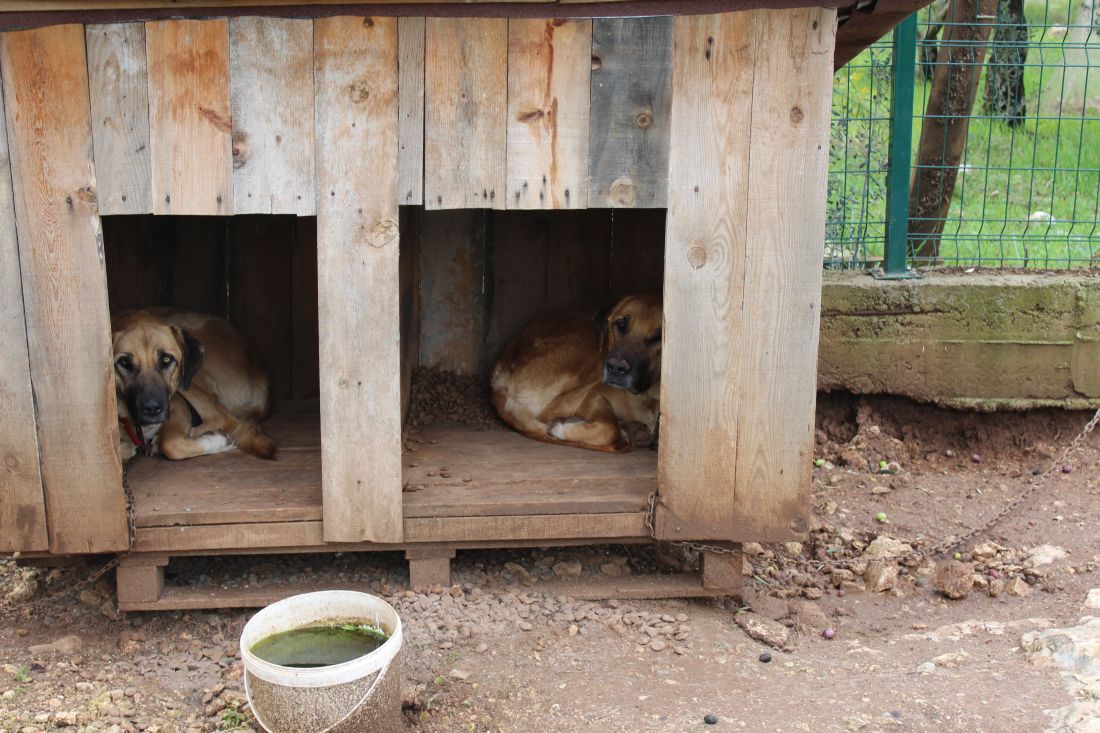
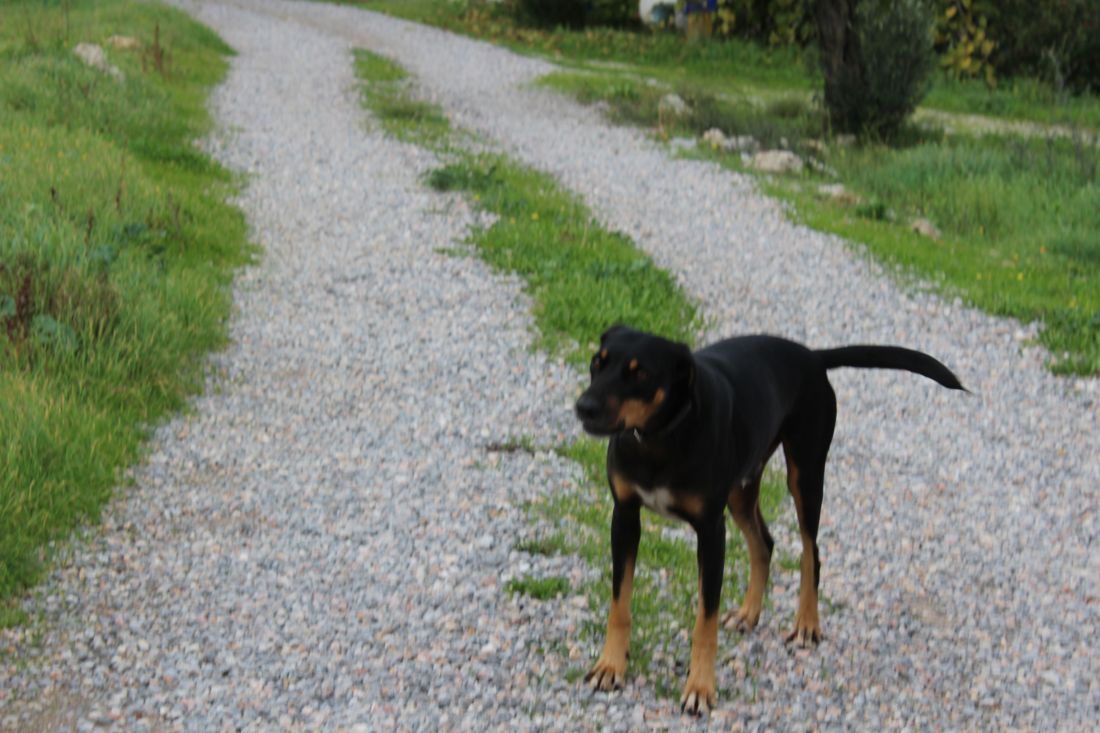
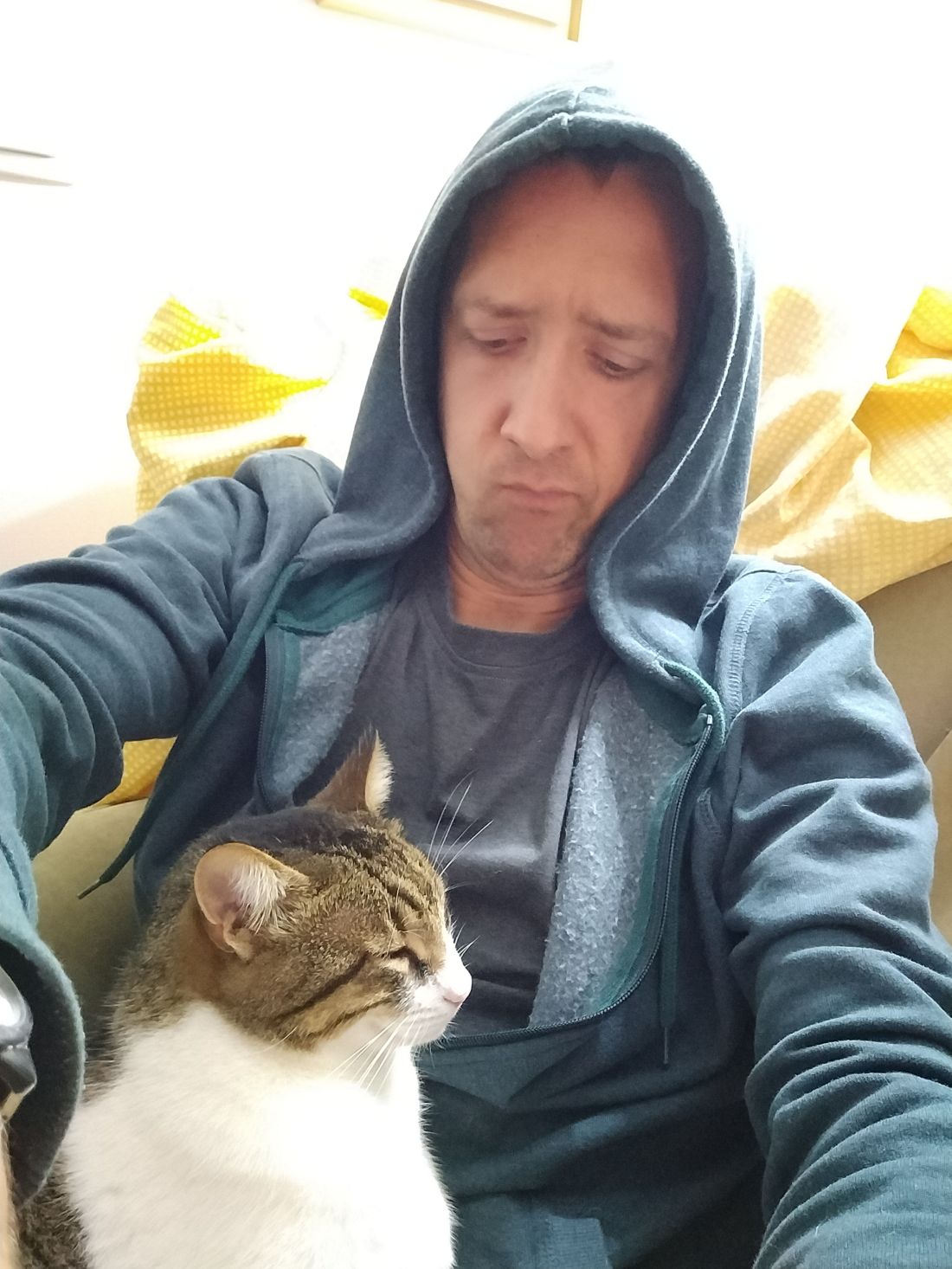
With our time off there wasn’t much we could go do without a car to drive around but we went for walks and rested at the house just enjoying some downtime.
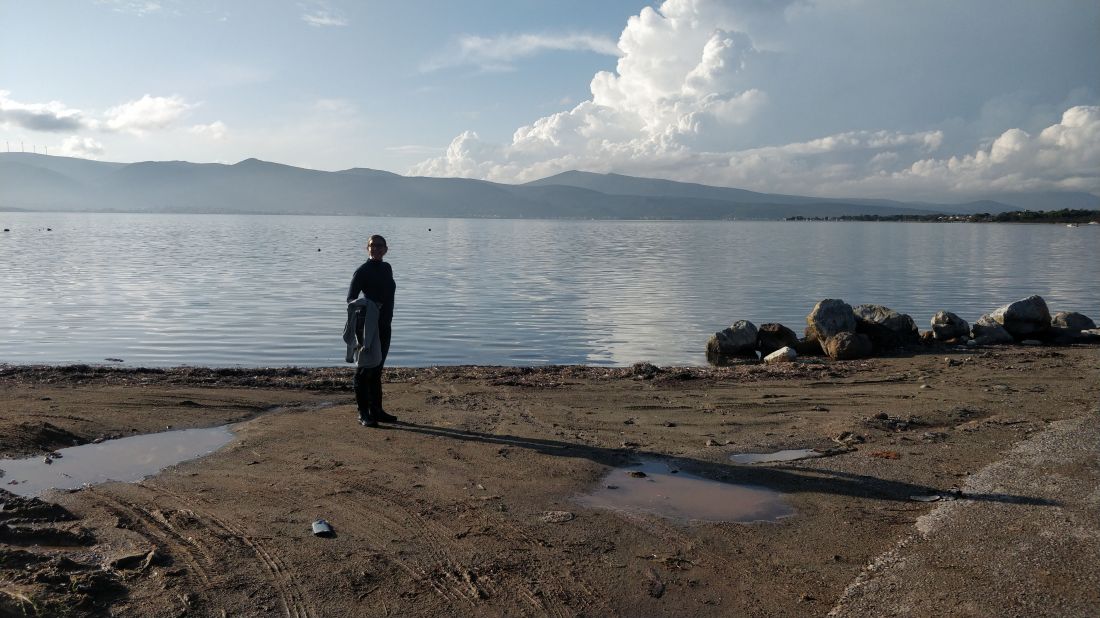
If you’ve never seen an olive tree before you should know they can be pretty funky looking.
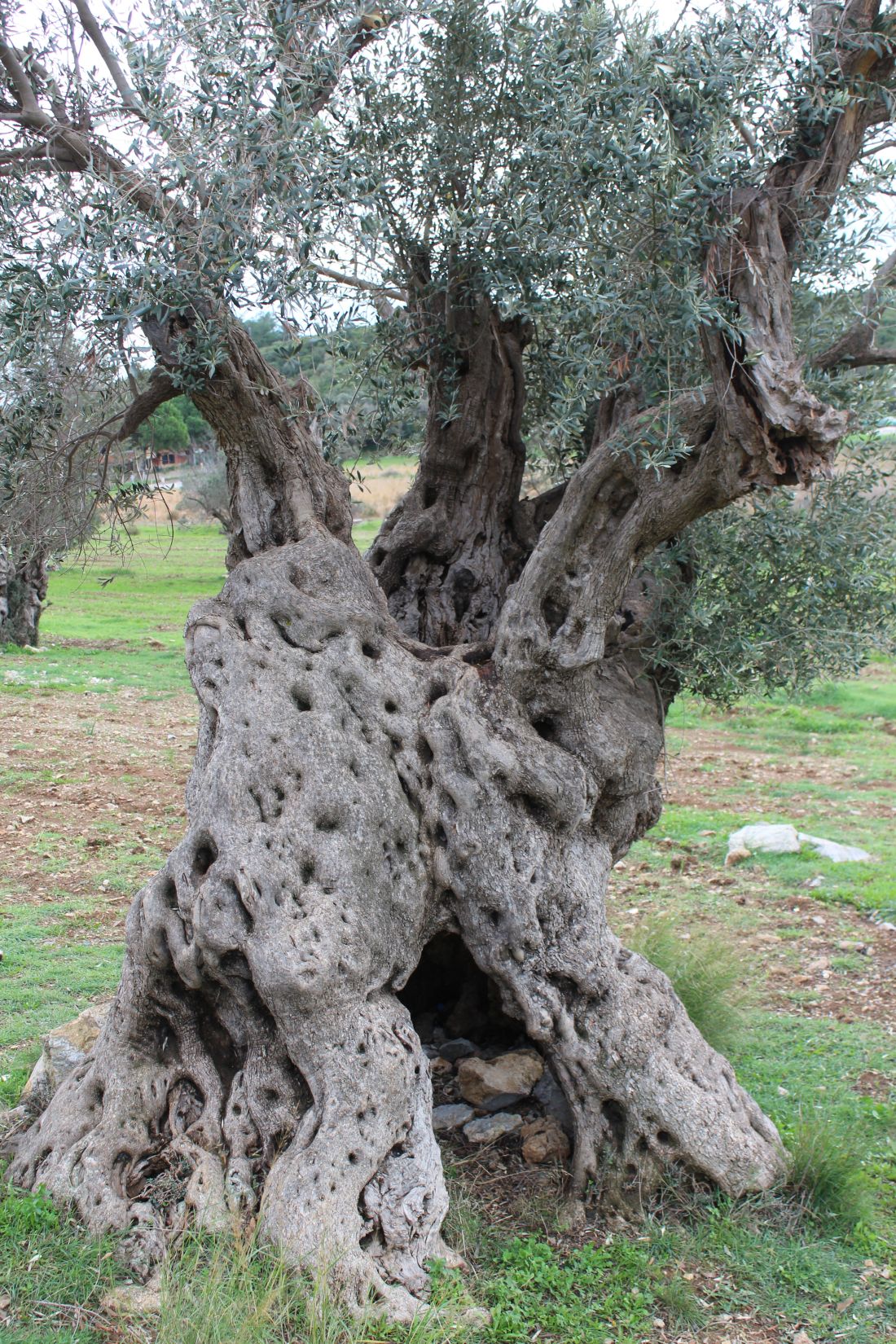
And we had some really cool sunsets to watch.
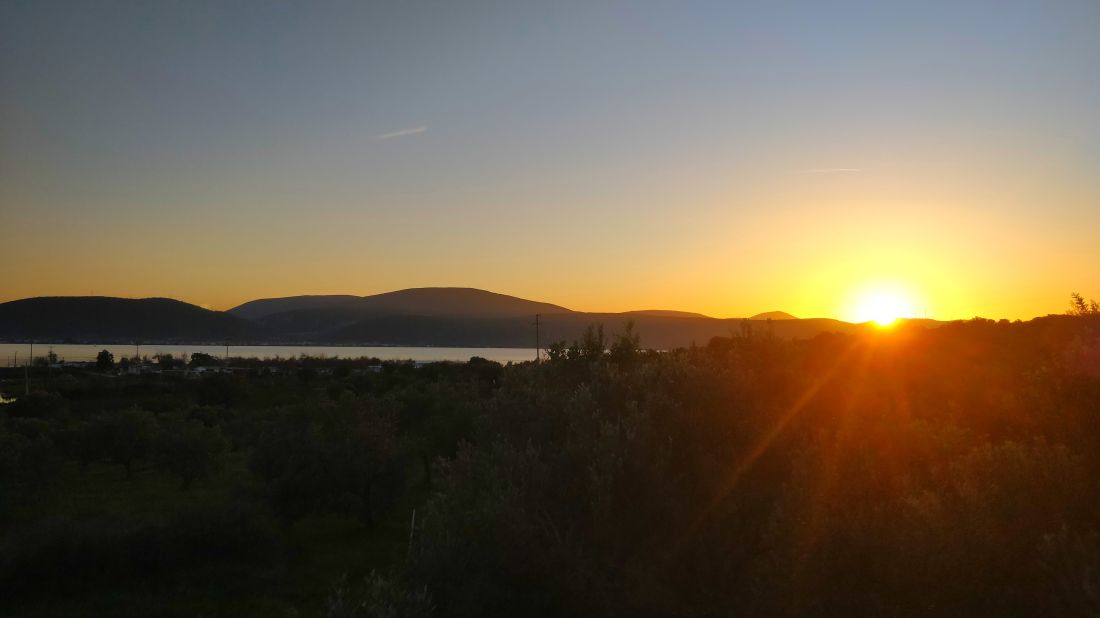
Our hostess was kind enough to drop us off in town (Urla) on one of our days off and we were able to try some of the local restaurant food such as this salad served with a tzatziki and a red pepper dip.
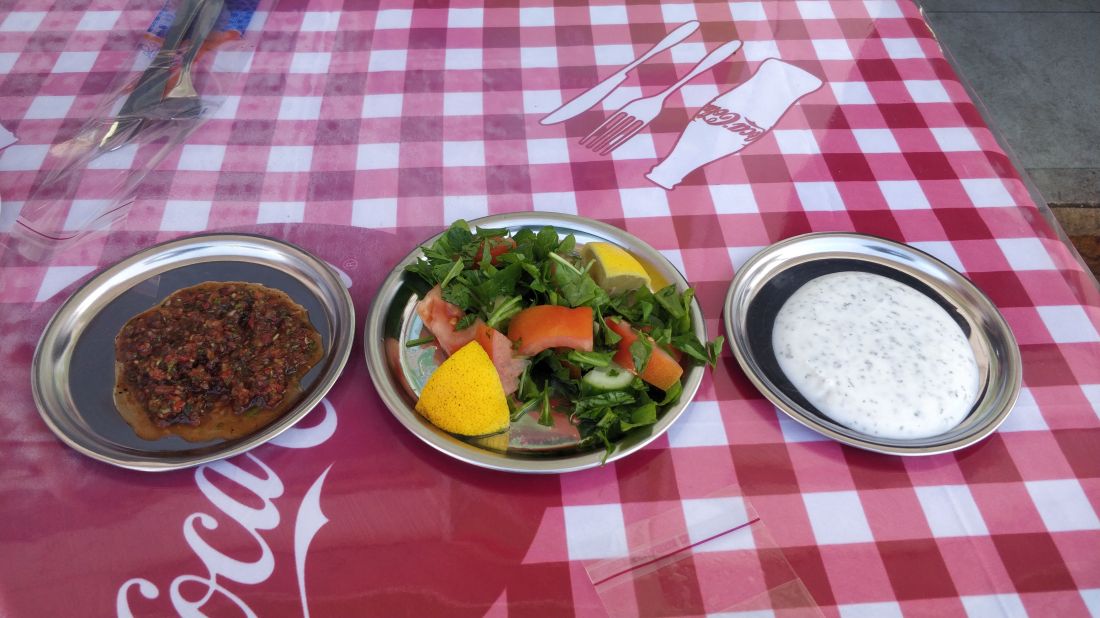
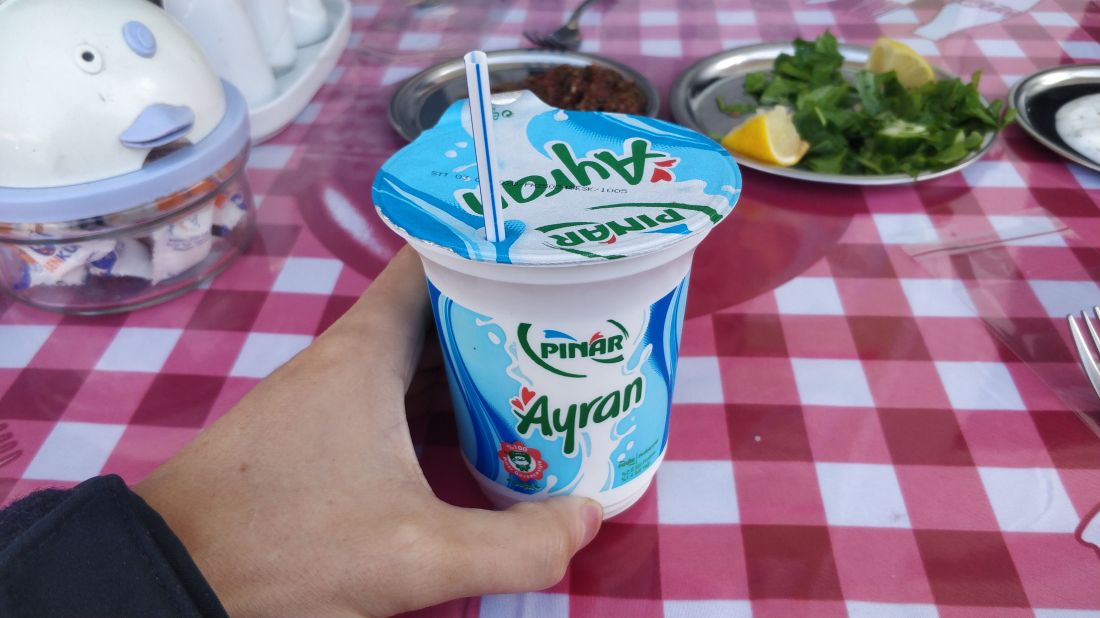
This milk/yogurt drink is super popular all over Turkey. It’s similar to an Indian lassie if you’ve had that before.
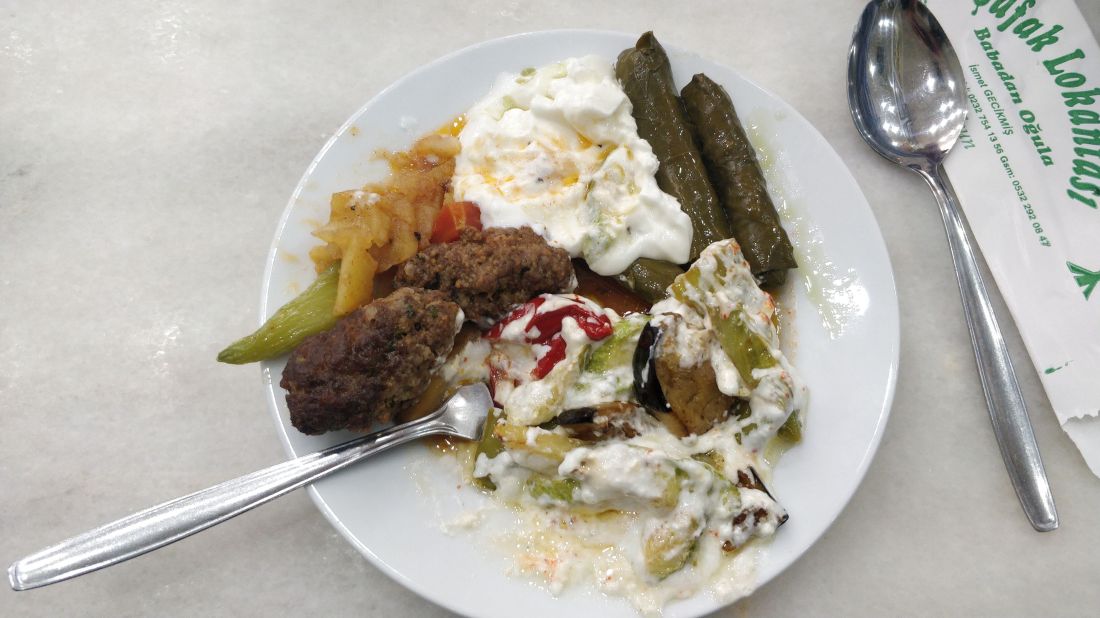
This plate looks a bit of a mess but I assure you it was very very delicious and at an affordable price.
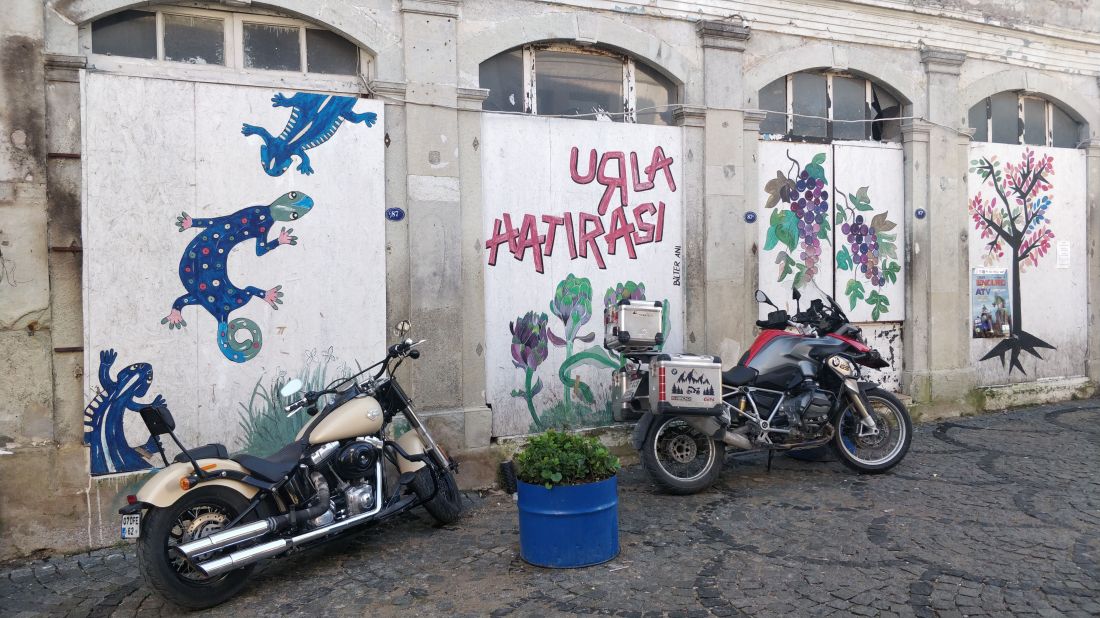
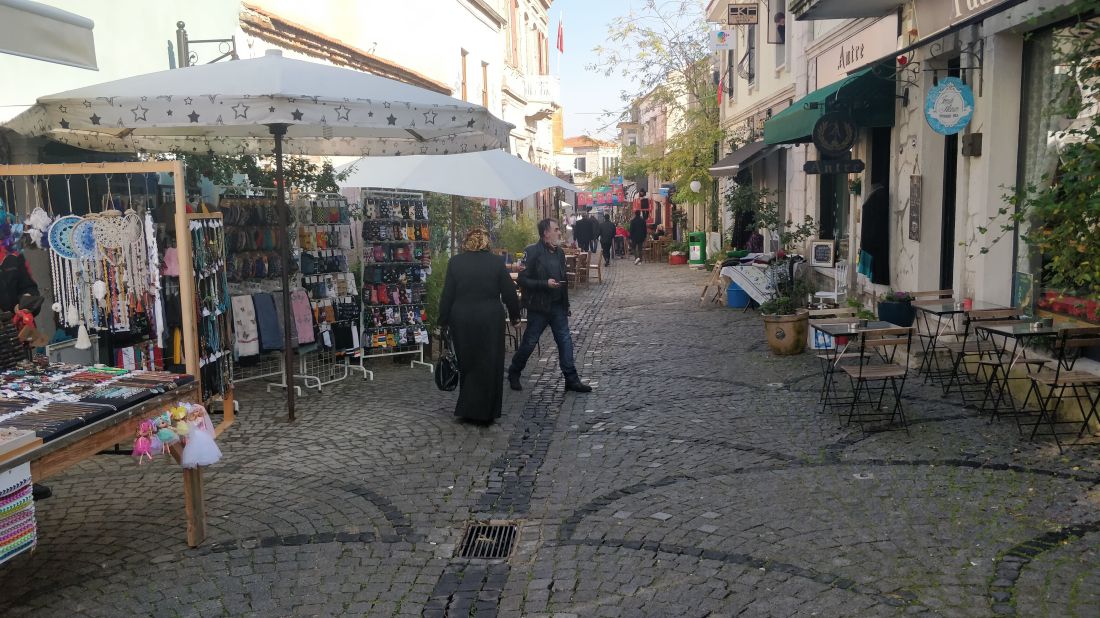
The town is small but incredibly old (more than 2000 years) and was interesting for a couple hour stroll around the streets.
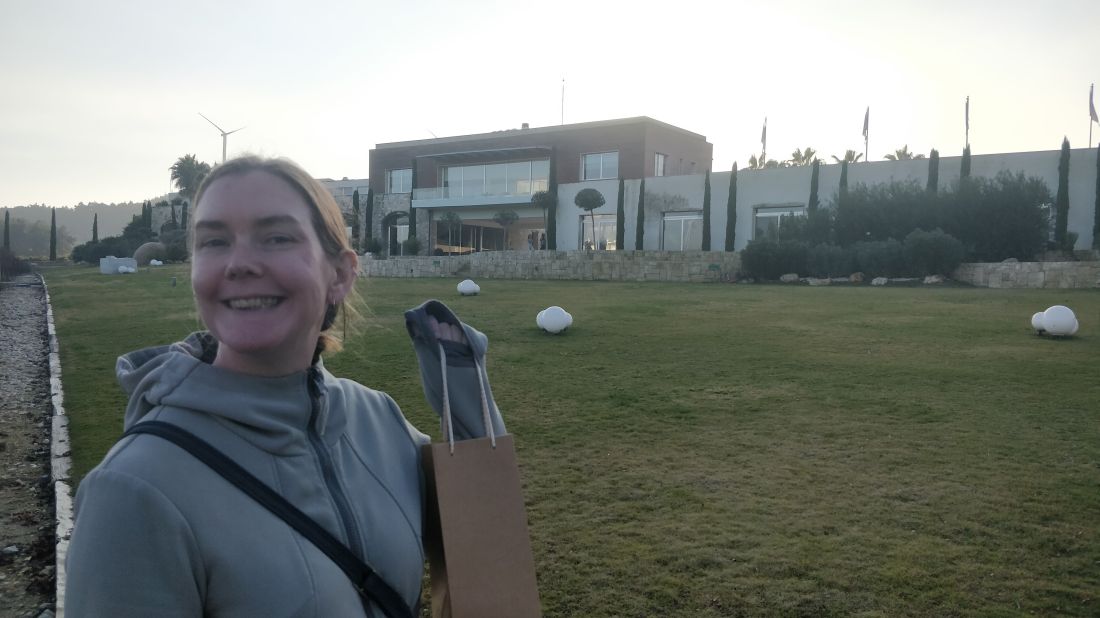
Western Turkey is prime winery land so we were able to take a taxi out to one of several in the area.
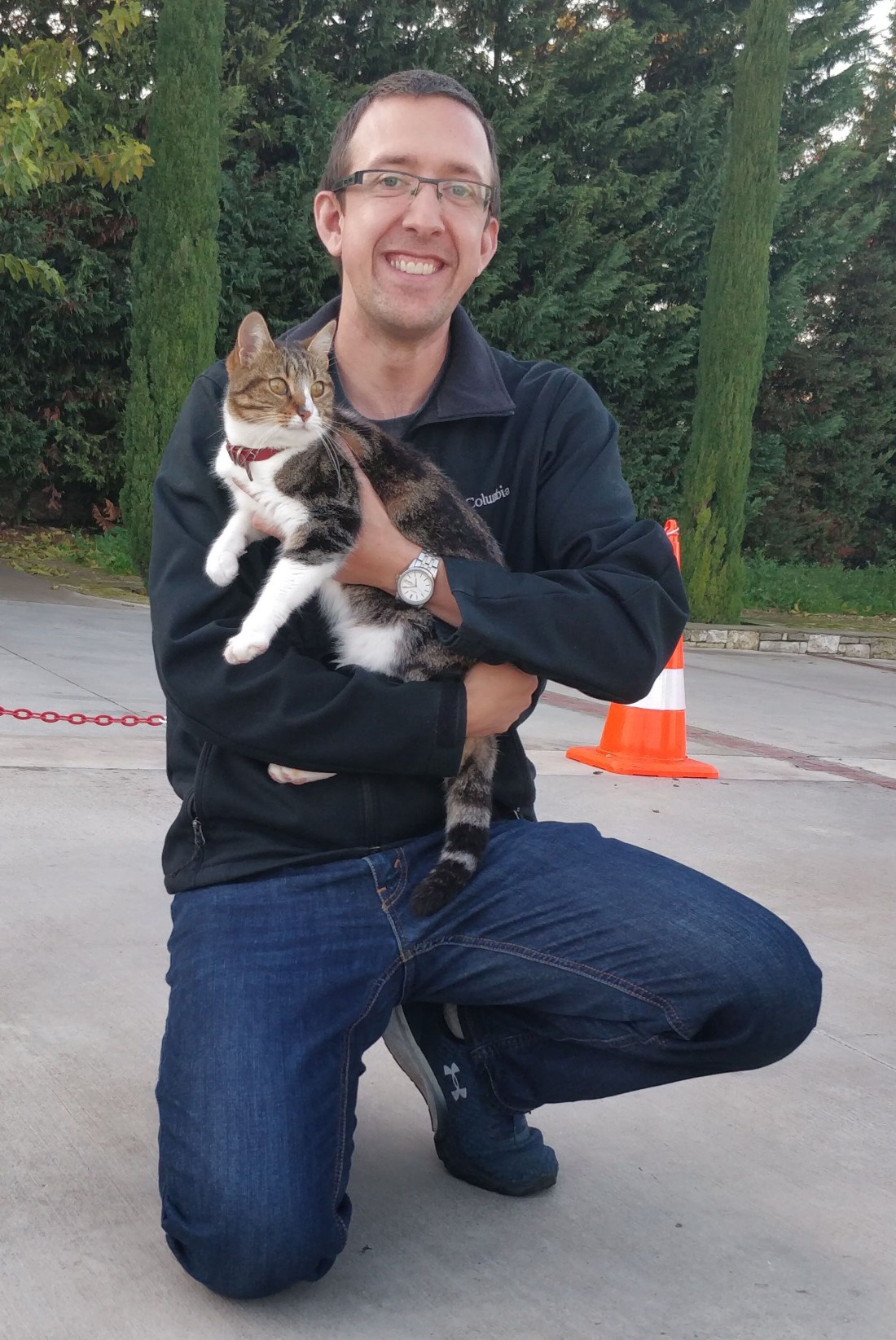
This proved to be a running theme for the entire trip in Turkey, there were local cats everywhere and 98% of them were super friendly. This guy followed me around and jumped straight into my arms the second I kneeled down to pet him
It’s quite staggering how many amazing tourist sites there are in Turkey but, without a doubt, the ancient city of Ephesus has to be ranked in the top 3. Just an hour south of Izmir we were able to use another weekend for a quick stop down to Selçuk to see it. By the way the Turkish alphabet has a c and an s with a little hook underneath it and for us English speakers you say those letters with an added h so Selçuk is pronounced (Sell-Chook).
I need to back track for a second: a popular way for locals to get around between cities less than 2 hours apart are mini buses called Dolmus, which is supposed to translate to “stuffed” or stuffed buses. They’re 15 passenger vans that run set routes leaving almost every 15 minutes and they are incredibly cheap. An hour ride costs a mere $1.50 CAD, around 7 Turkish Lira, and while they’re not the most comfortable Candice and I love travelling the local way, especially when it’s so affordable.
The city of Selçuk is actually quite the tourist place and boasts about a half dozen other sites worth seeing though the vast majority of tourists only stop to see Ephesus. We arrived Friday evening and needed to head out Sunday morning so we didn’t get much time to explore the other sites unfortunately.
As I mentioned, Ephesus is a popular tourist site, so you should try to avoid the tour bus times. In the peak tour seasons this place gets 10s of thousands of visitors daily so arriving at either 8 am sharp or coming at the end of the day is the best advice I can give. We did not follow that advice and arrived just a half hour before the first tour buses but during the off season the tour groups aren’t too bad.
When we first entered Ephesus there were only about 10 other tourists around. Perfect.
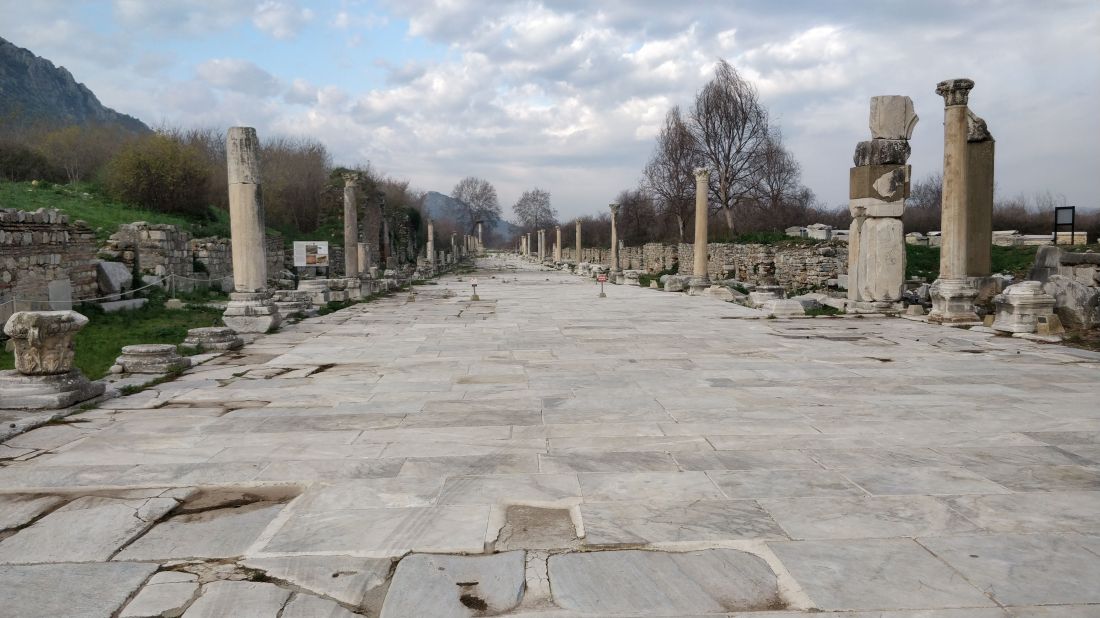
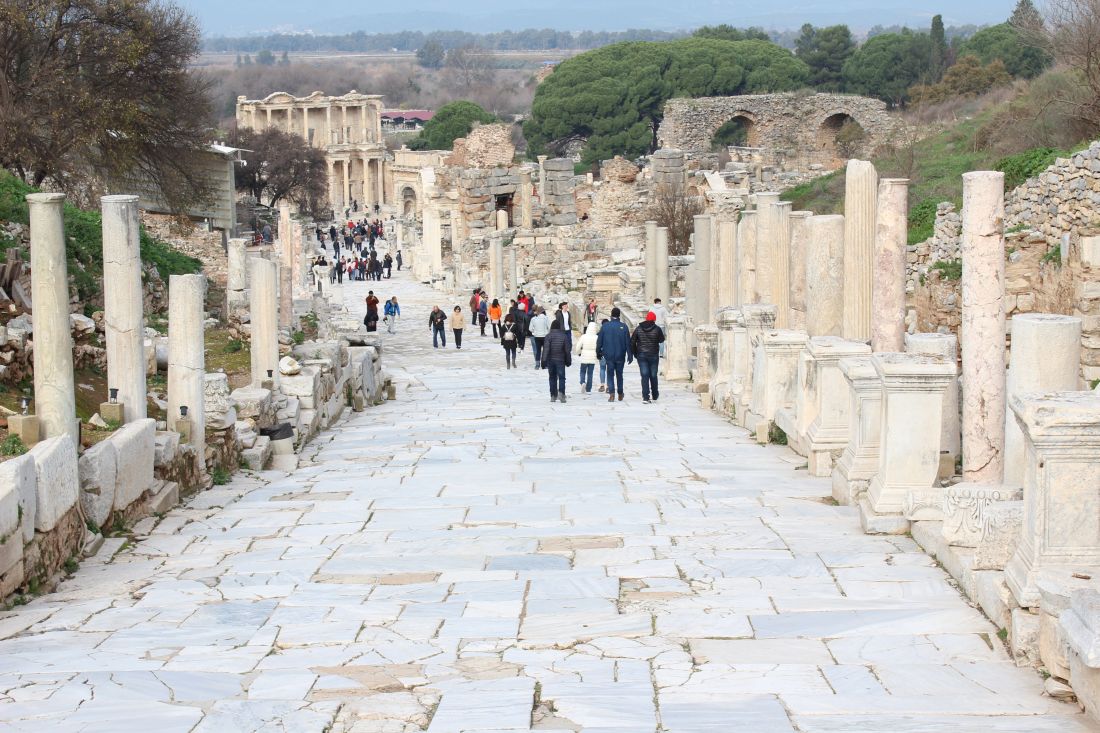
Located on the Mediterranean coast the city was a prime trading outpost and flourished more than 6000 years ago as a Greek city. During its history it was conquered by many different nations but when the Romans occupied the region it really flourished and became one of the most important cities in the empire.
The first stop from the North entrance is the Grand Theatre, famous among Christians as the place that Paul the Apostle preached early Christianity to the people. Below is an aerial view of the theatre.
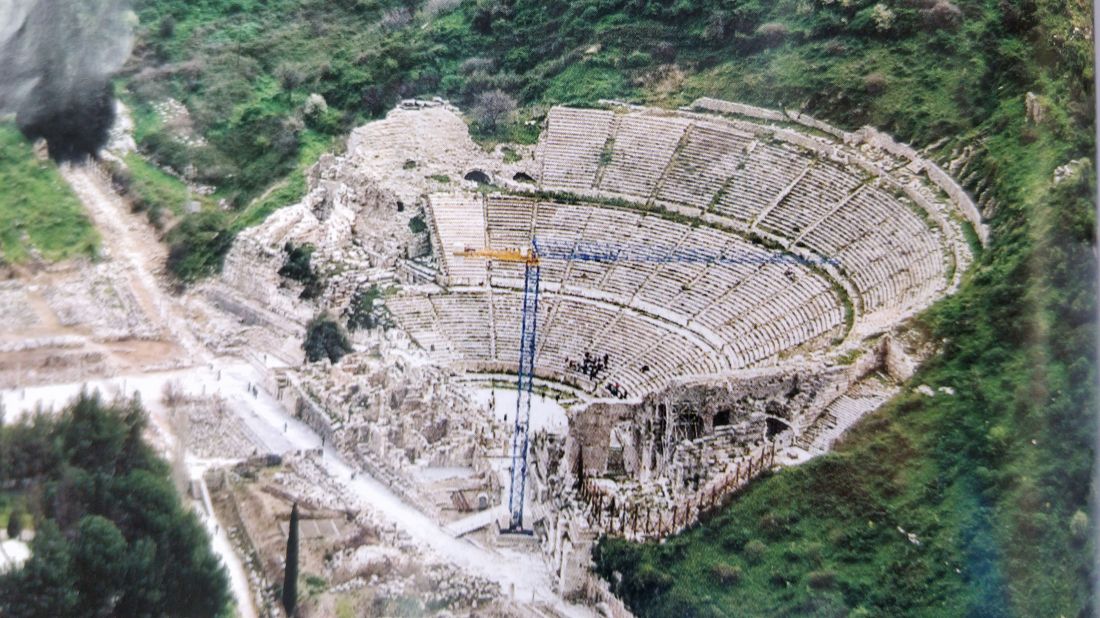
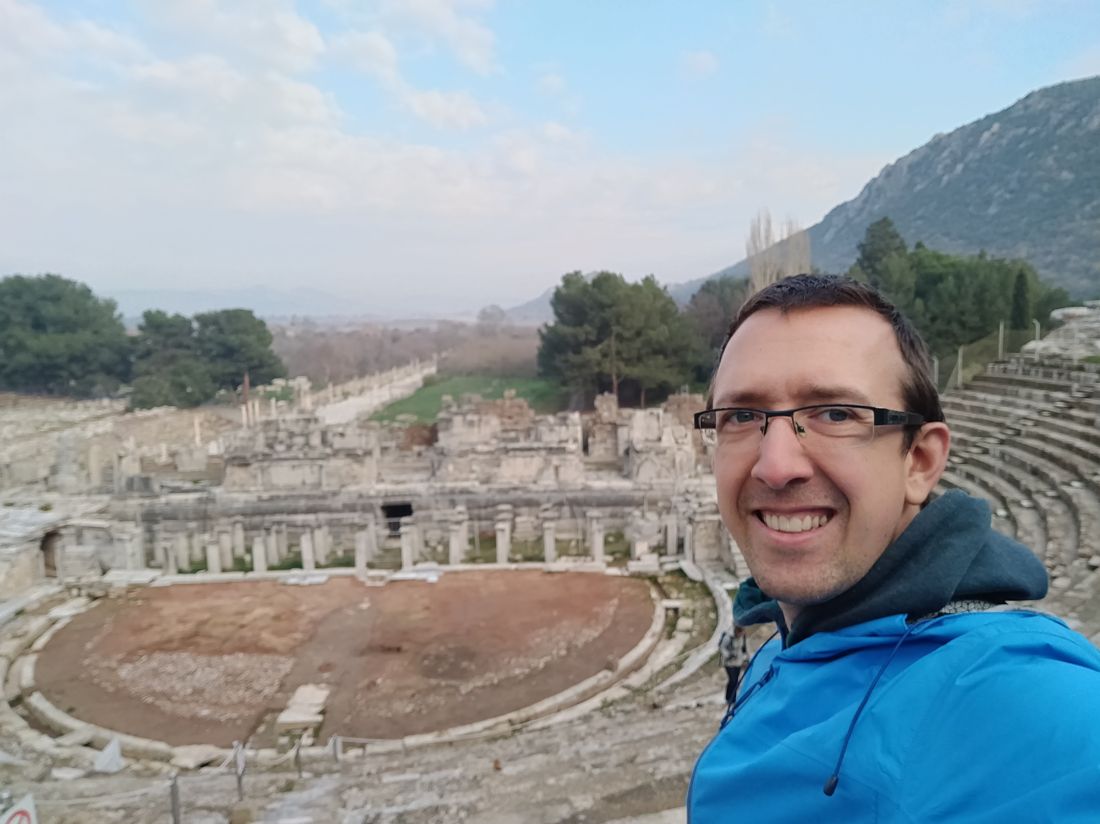
This theatre is mind blowingly big and we sat here for a good half hour just taking it all in. I’d be interesting in seeing how it compares to the arena in Pula that we visited in Croatia, which is also extremely large, but without a doubt the seating here was far larger.
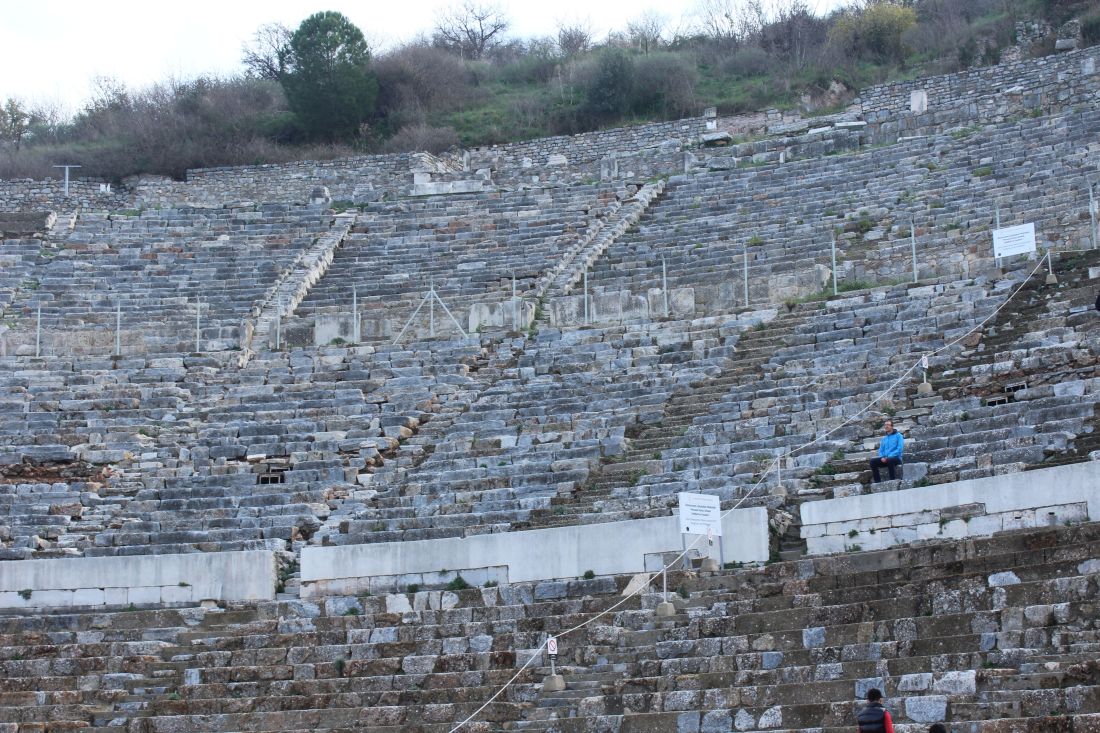
The 3rd level was blocked off for repairs so this picture below is only from the 2nd level.
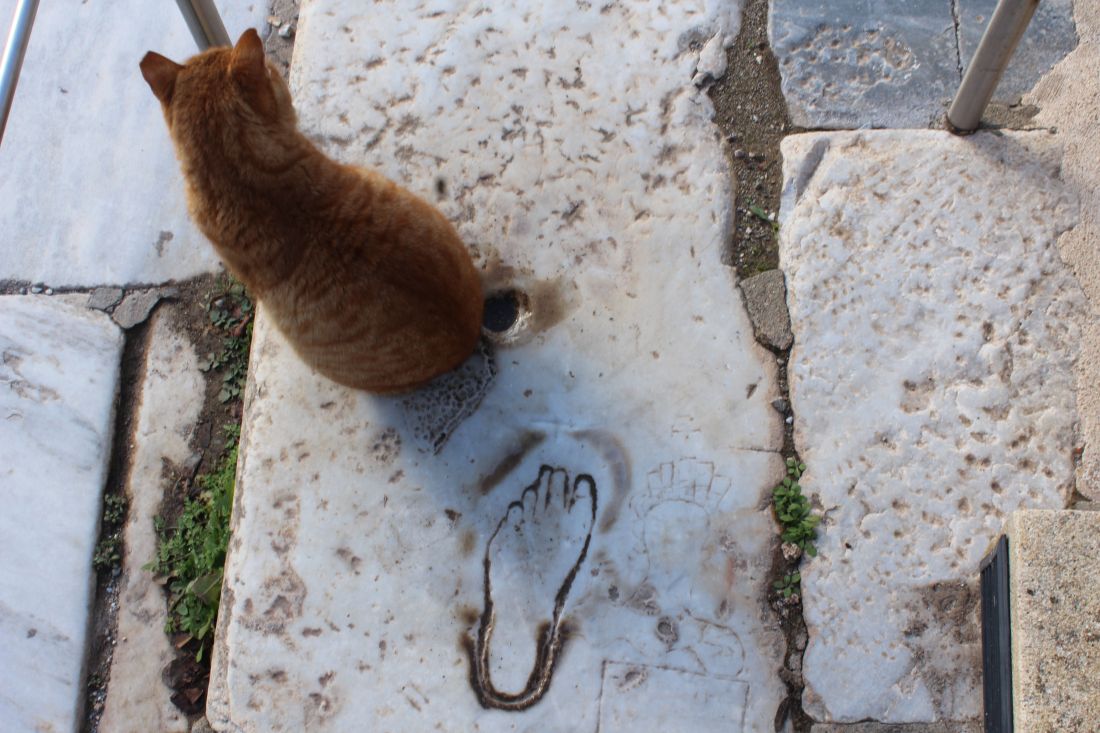
Walking along the ruins we found an ancient Roman foot print.
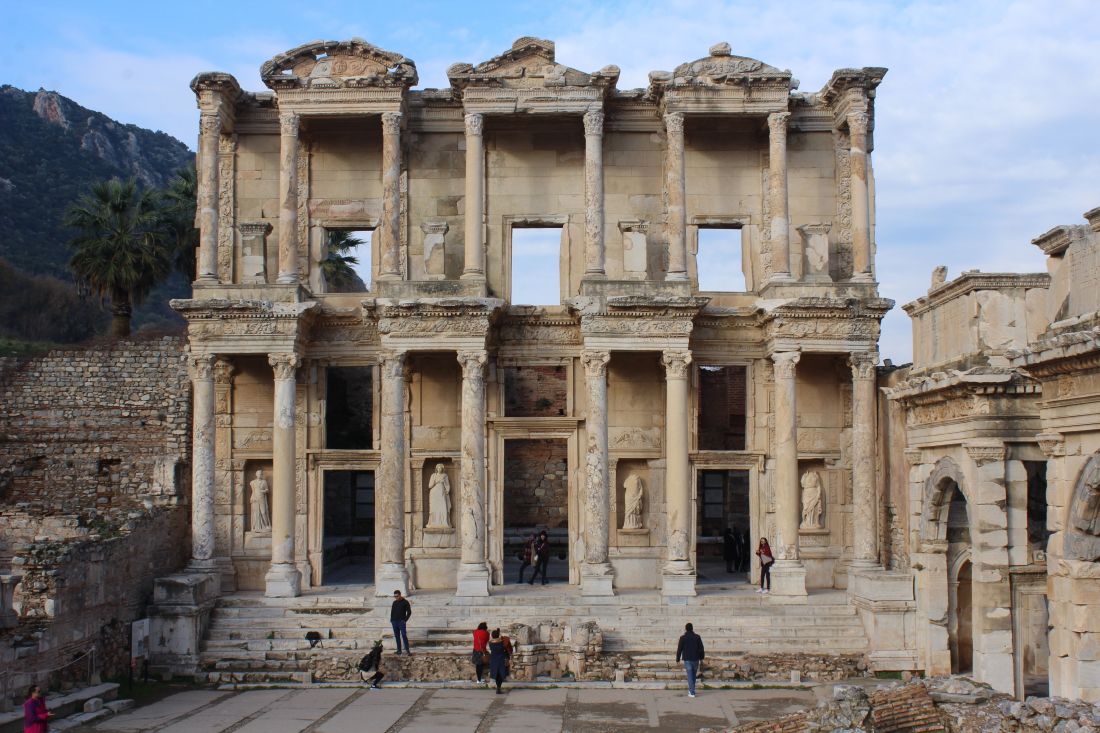
The tour buses always stop at the entrance opposite from where we entered so by the time we reached the most famous ruins, the Library of Celsus at the midway point, we were in the thick of the crowds. The picture below doesn’t have too many people but trust me when I say we waited about 20 minutes (we wandered around looking at the ruins) for one tour group to leave and quickly ran out to take a couple photos just minutes before the next tour groups wandered in.
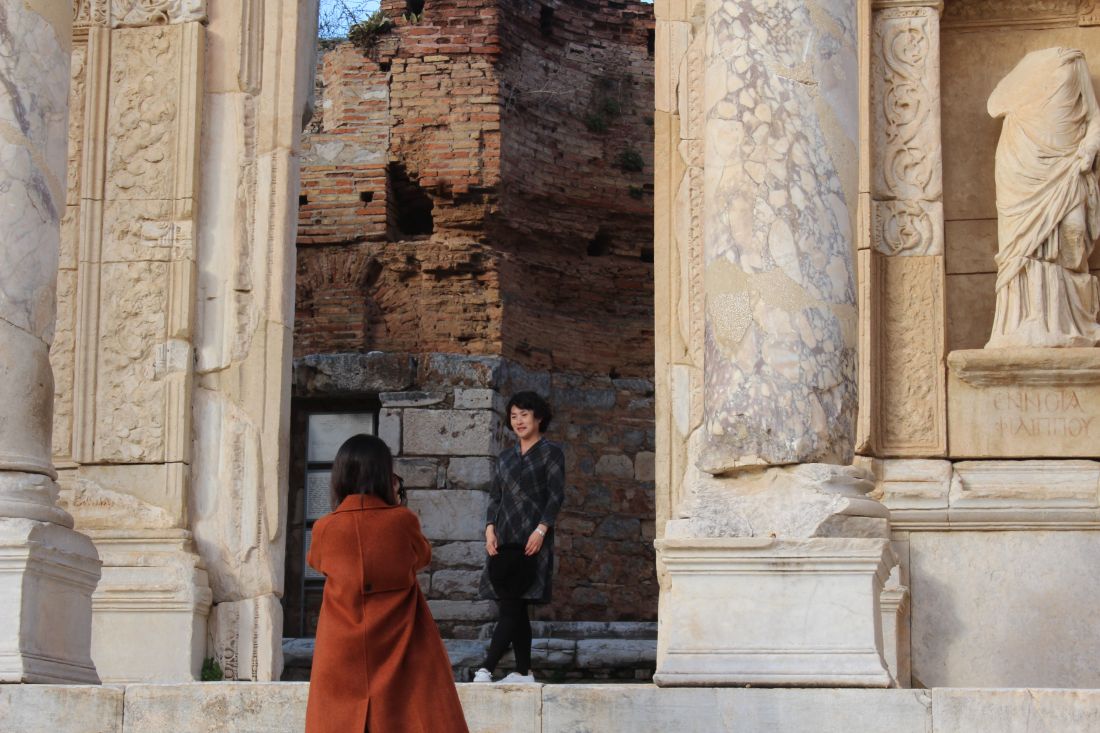
Candice always gets a kick out of watching the Chinese tourists take photos. These ladies were here for over 15 minutes in this same spot taking over a hundred photos. When we left they were still taking photos at this exact spot.
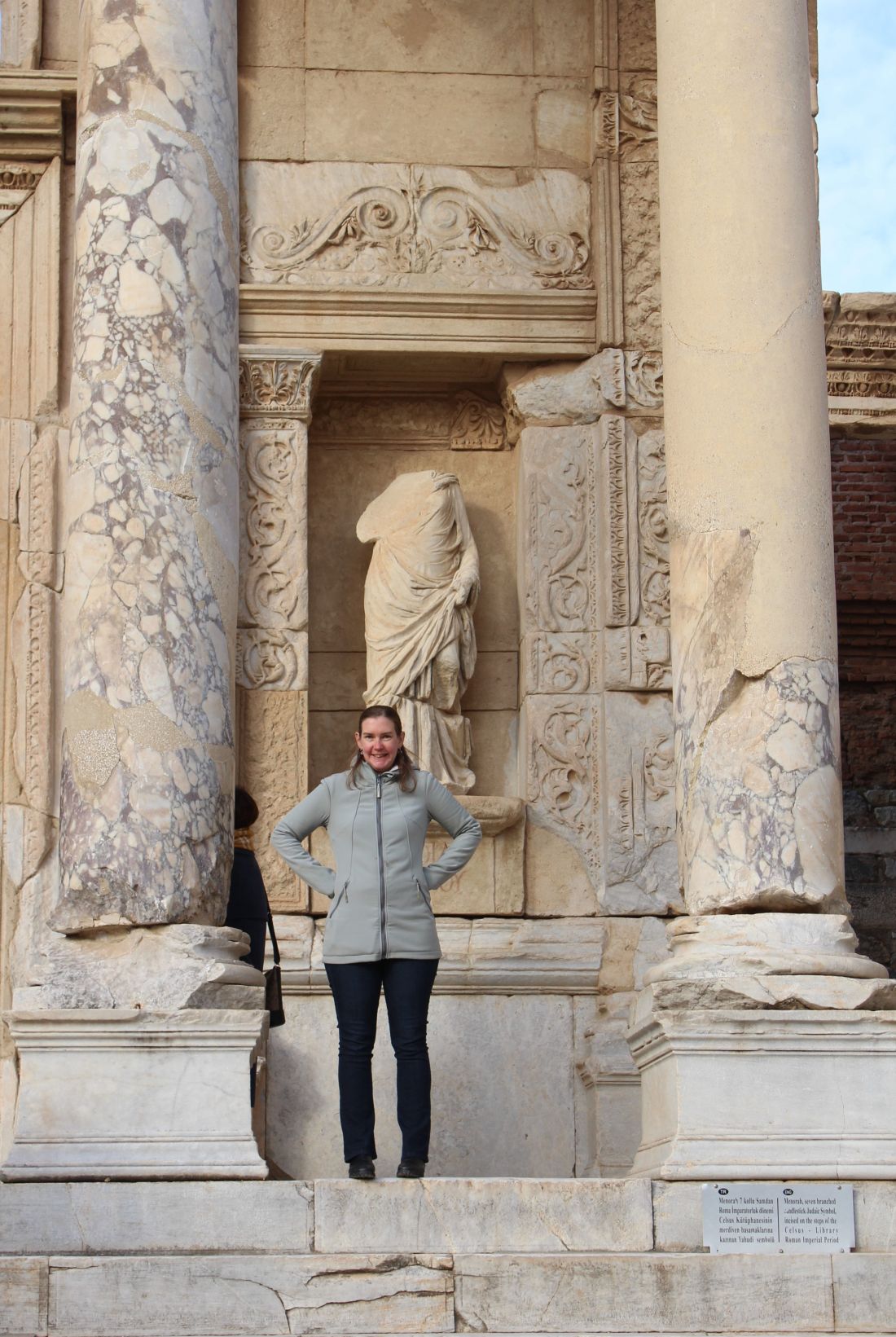
We waited, and waited, and waited, and finally just gave up on taking that photo so Candice settled for this one instead (and we still had a tourist in the background!)
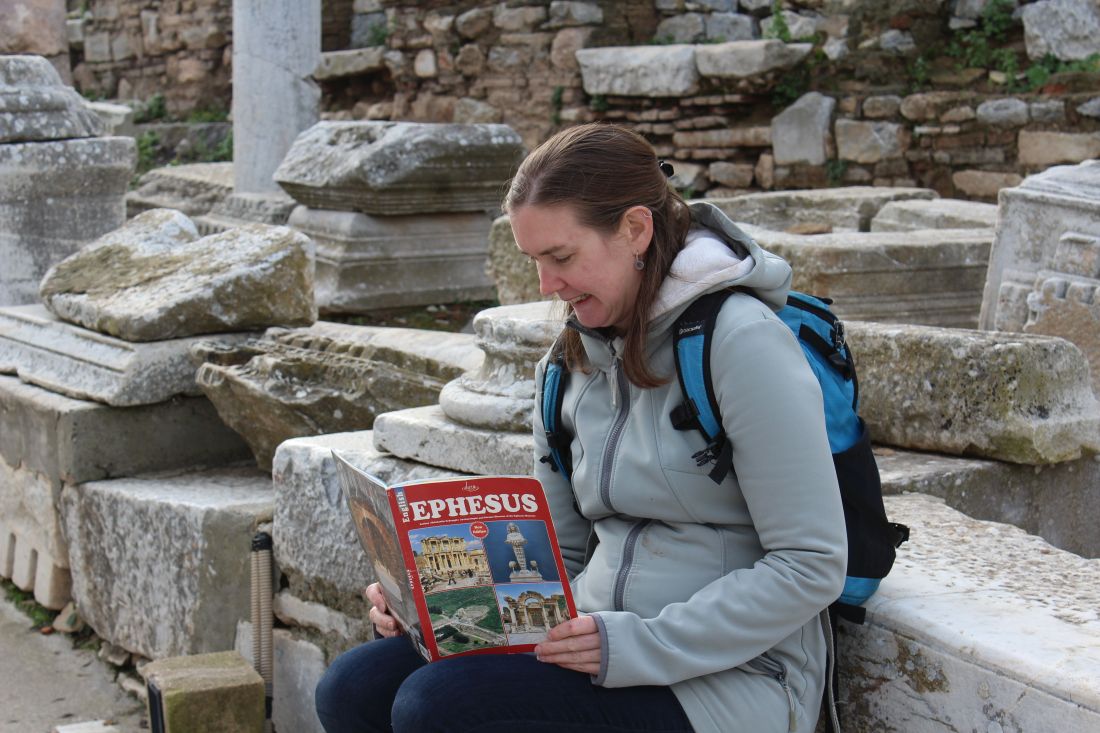
Something else I forgot to mention was how friendly people in Turkey are. Comparing with every country we’ve been so far I think only India, very slightly, beats out Turkey as the most friendly country. The night before coming to Ephesus we ate at a small, local, restaurant and the gentleman from the carpet shop next door came in for some tea. The owner told him we were from Canada and he came over with a huge smile and introduced himself. We chatted for a while and he offered to loan us his guide book on Ephesus.
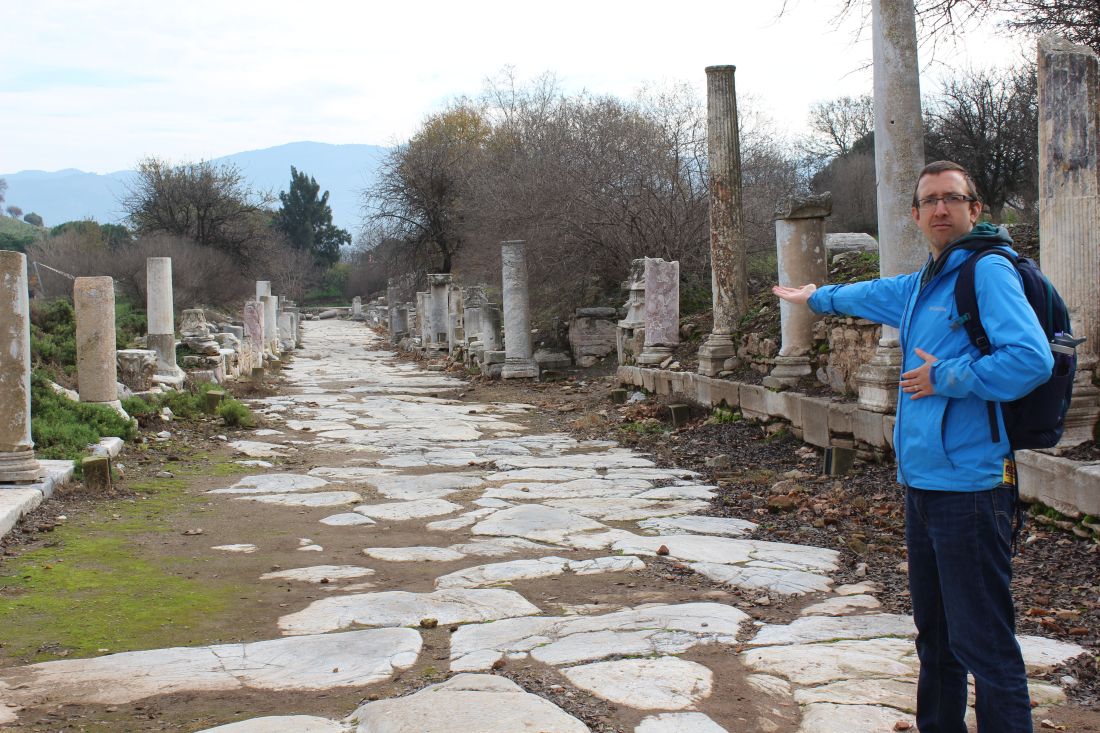
We spent more than 4 hours at Ephesus and even then we only left because it was past 1 pm and we were starving for lunch. We did see everything in that time but we both could have stayed longer and enjoyed being in one of the oldest cities in the World.
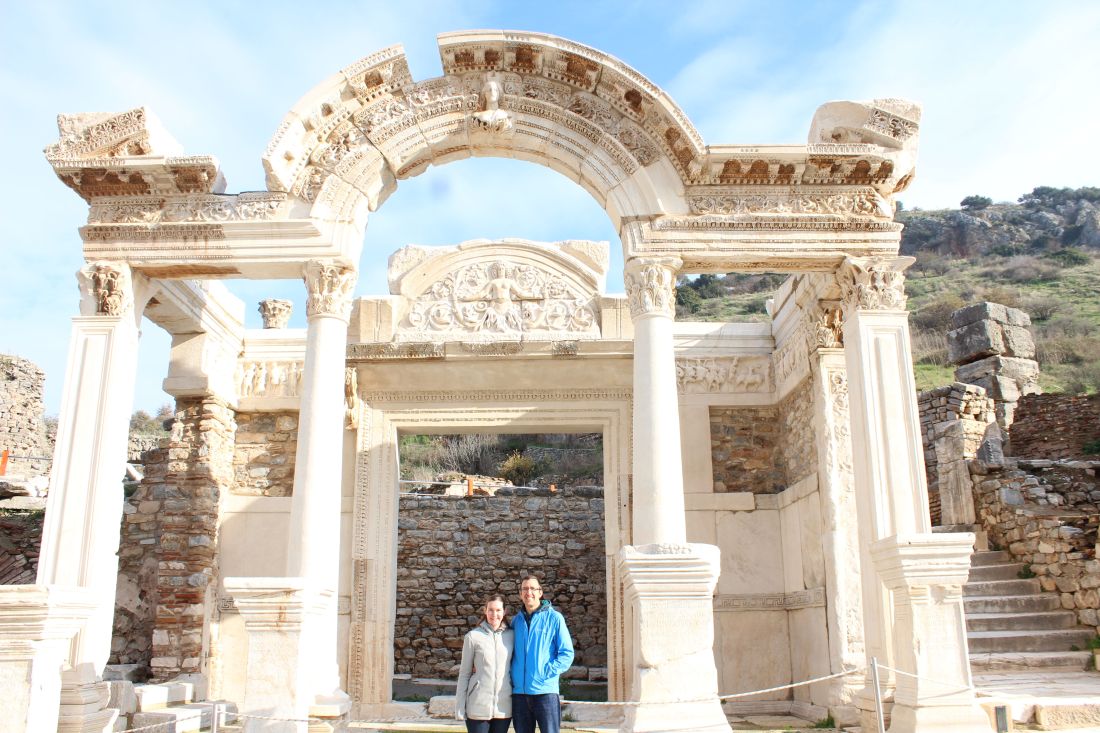
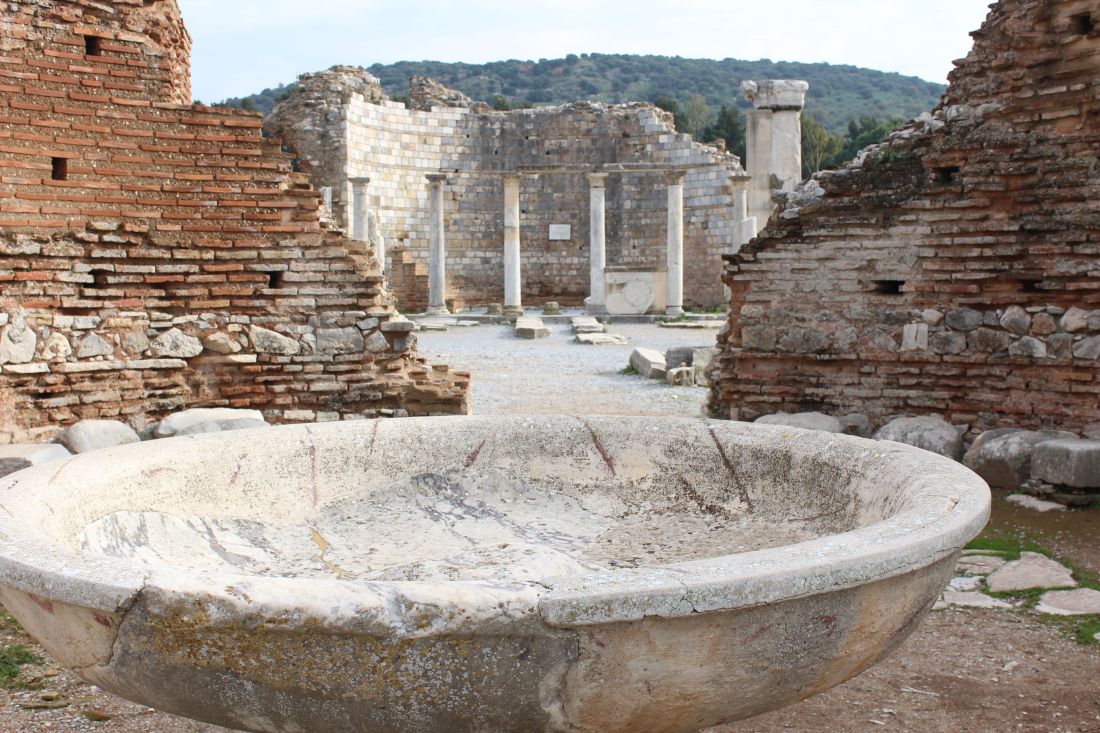
Another interesting, Christian religious, fact is that 7 kms from Ephesus is the house where, supposedly, Saint John took Mary to live out the rest of her days. It has become a huge pilgrimage site ever since it was discovered in the early 1800s and here in Ephesus you can find an old Roman church that was dedicated to Mary.
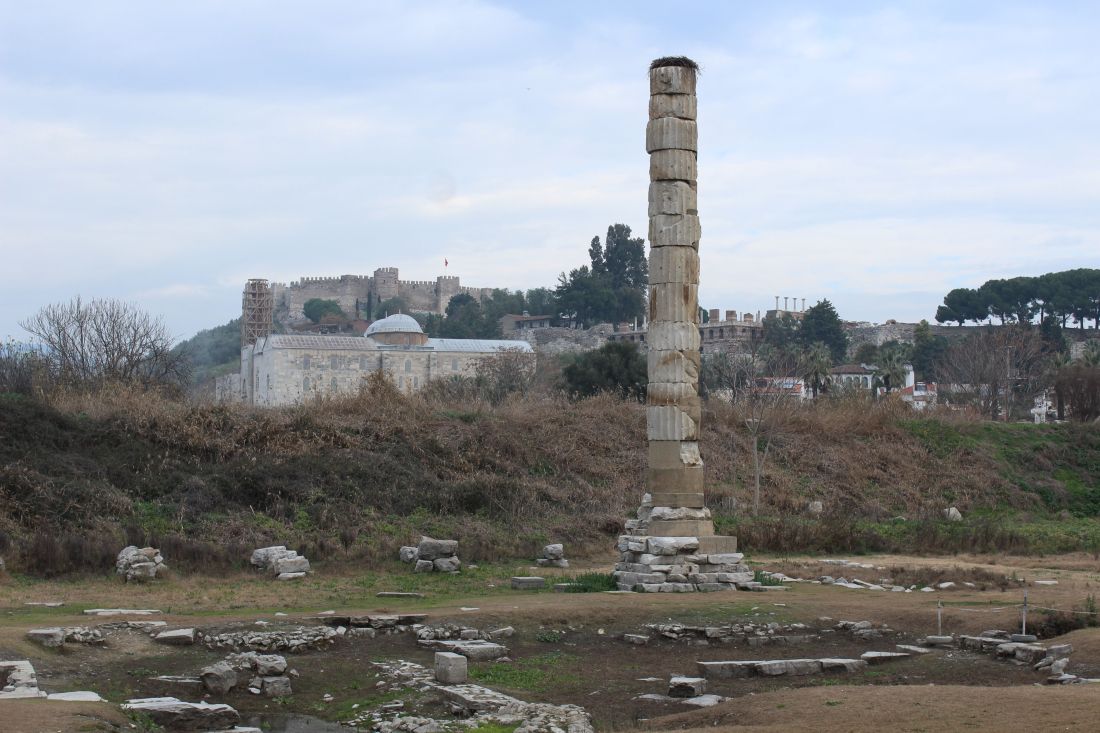
As I mentioned we didn’t have time to do a full tour of Selçuk but we made sure to fit in one more site. The Temple of Artemis is one of the 7 Ancient Wonders of the World and although there isn’t much remaining it was cool to check that off our list.

The temple was completed sometime around 300 BC and had 127 pillars. Today the temple is completely ruined and only 1 pillar, reconstructed with some concrete, remains to mark the site. To give a sense of scale each of the sections making up the pillar is roughly 2 meters or 6 feet tall!
In total we spent 3 weeks at our Workaway in Urla and this concluded the first half of our time (we had 6 weeks total) but don’t worry we packed a ton into our last 21 days.
Let The Touring Begin
From Izmir our plan was to do a clockwise tour of Turkey. We needed to end our trip at Marmaris, about 4 hours South of Izmir, to catch a ferry over to Greece. Istanbul would be our next destination but along the way we had to make time to fit in a quick stop at Çanakkale (Cha-Nah-Kah-Ley).
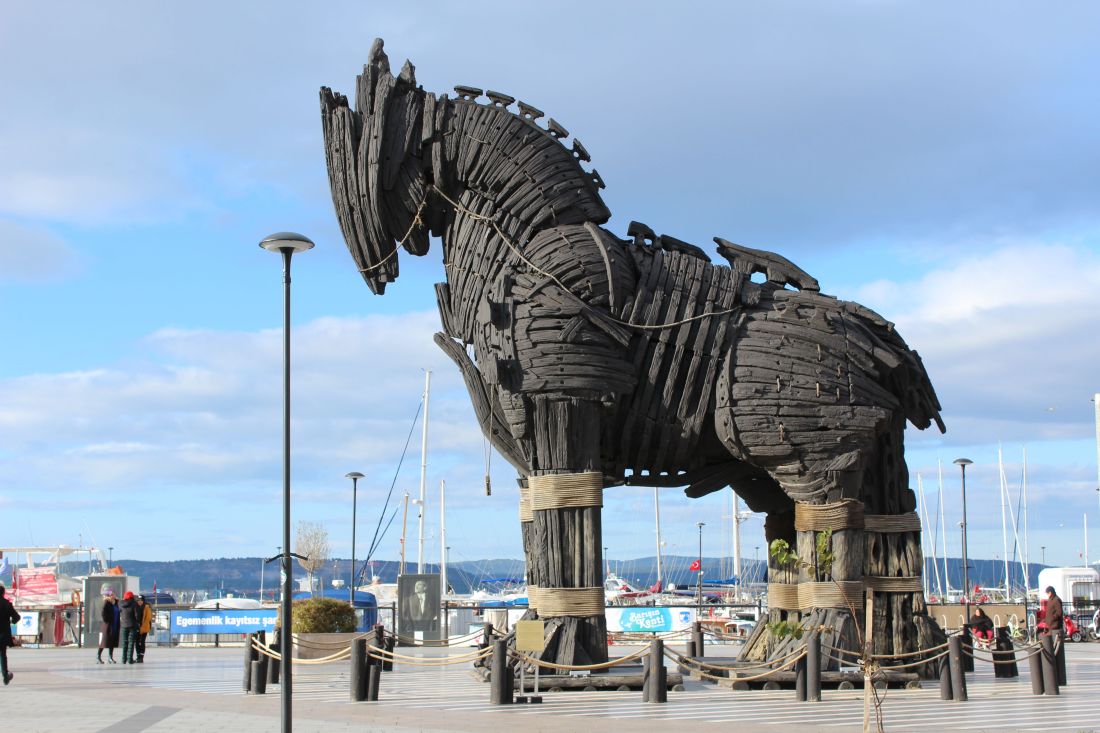
At Çanakkale is another set of ancient ruins that I know you’ve heard of before, the City of Troy. Yes the trojan horse, Achilles hero, city of Troy and although we’ll probably never know if the trojan horse story is true, historians are certain that the Iliad is based on a real war between the King of Sparta and Troy.
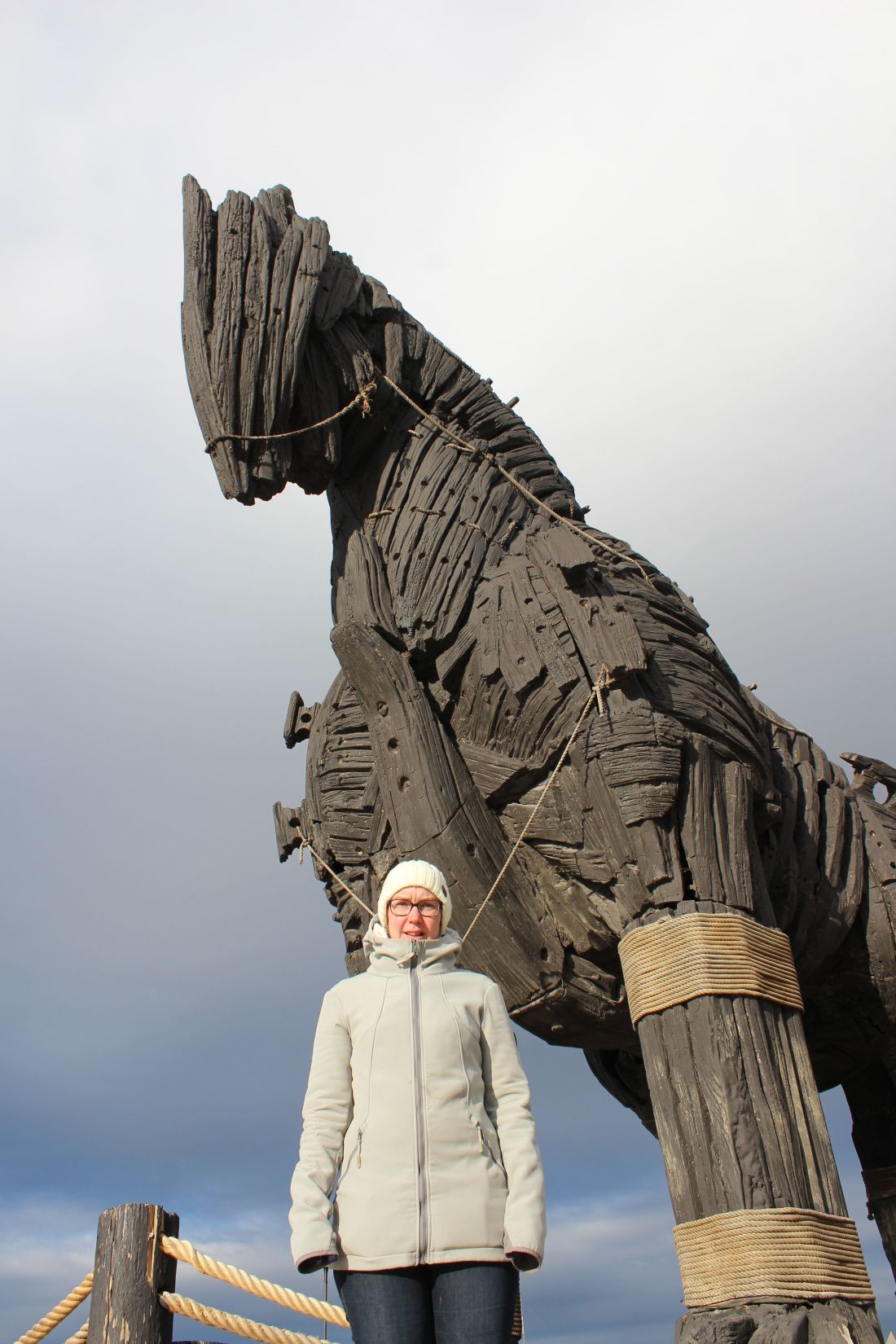
If you’ve seen the 2004 film, Troy, starring Brad Pitt then you’ll recognize this icon at the waterfront. I read it’s the real movie prop and was donated to the city after filming was completed.
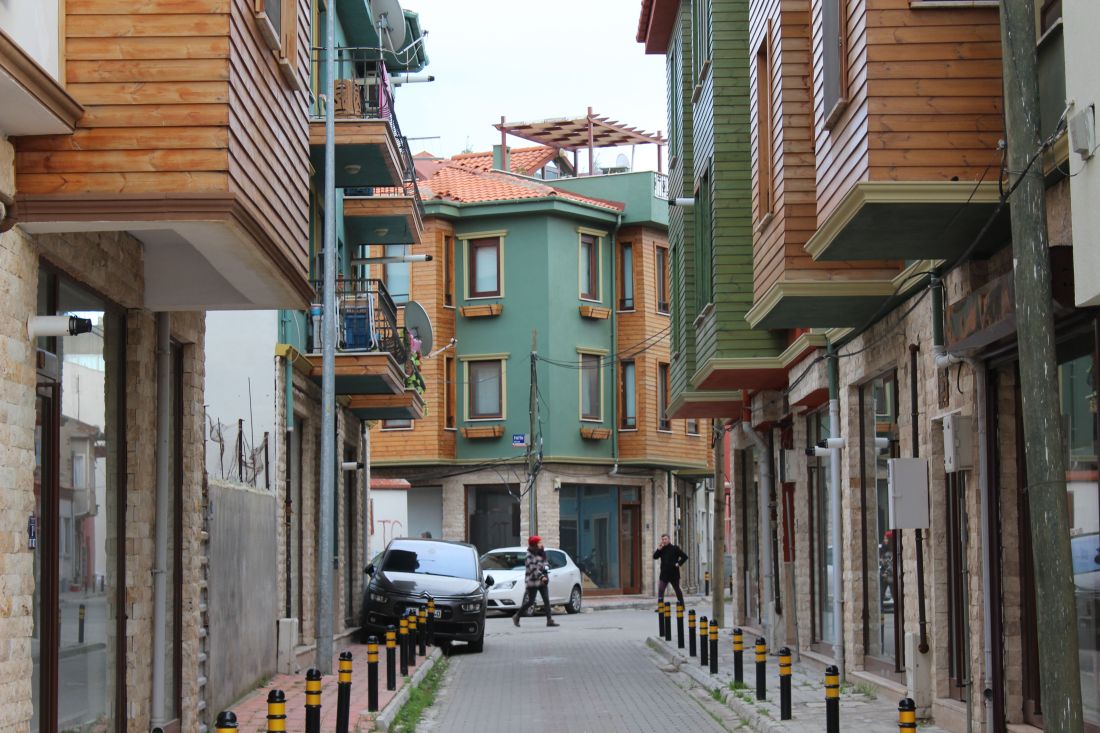
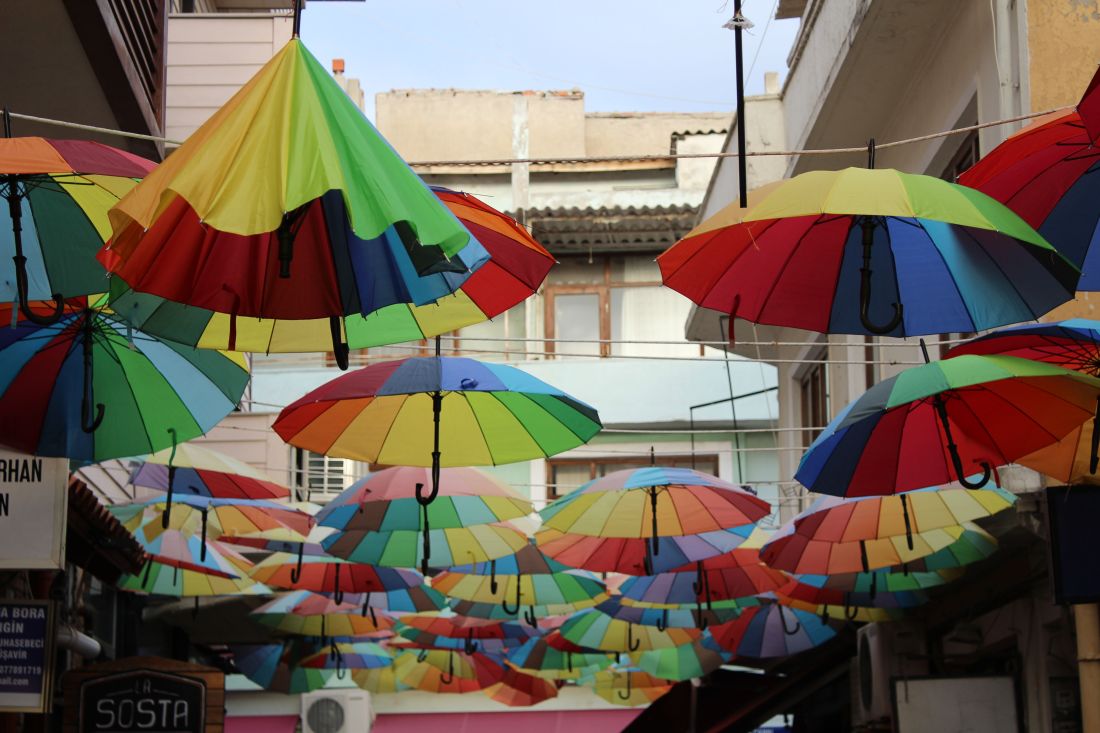
In my opinion it isn’t really worth staying long in Çanakkale. There’s a maritime museum to visit but other then that there wasn’t much else to do but if you have a couple of spare hours it is worth walking around. We found some really interesting areas to photograph.
Arriving at Troy you may be surprised to find given how big the myth of Troy is that there is surprisingly little reconstruction at the ruins. I don’t know if the lack of reconstruction is due to the nature of the ruins, a lack of funding, or simply by choice.
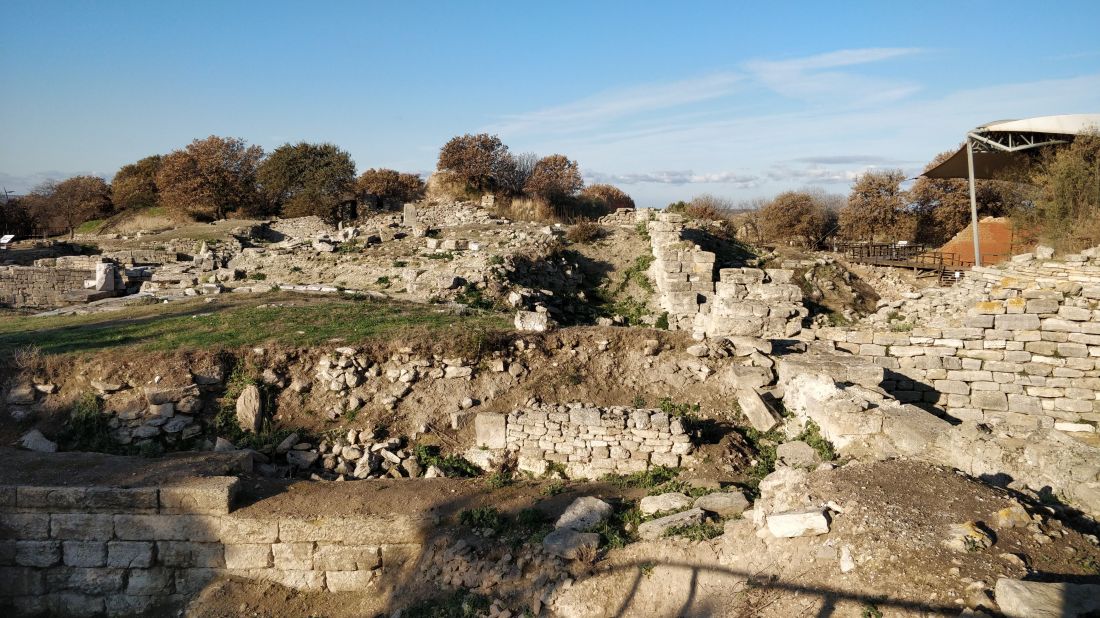
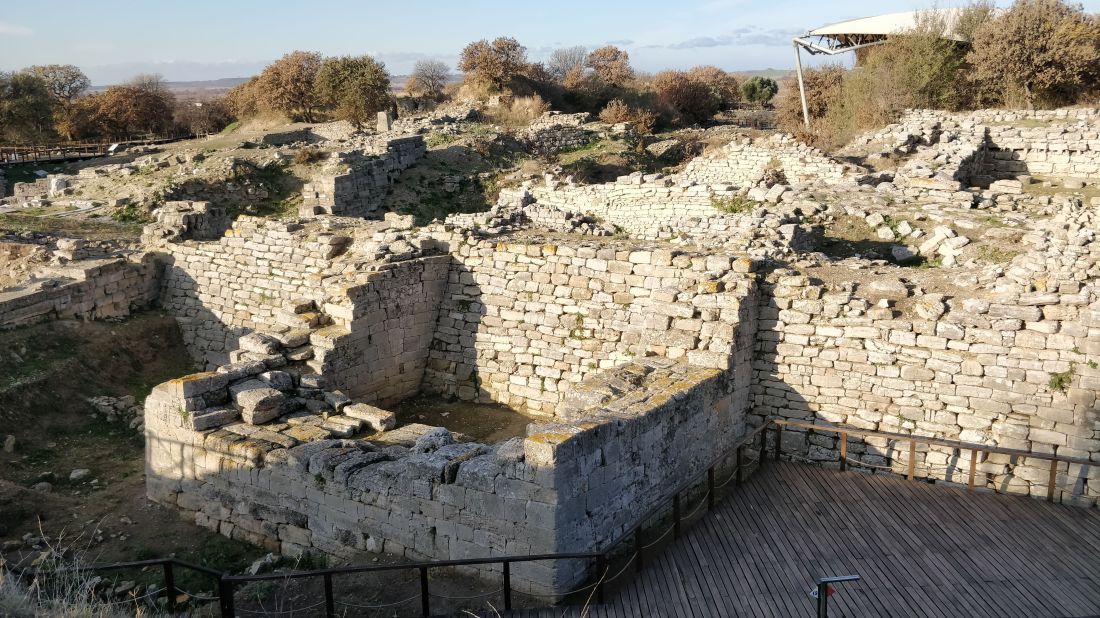
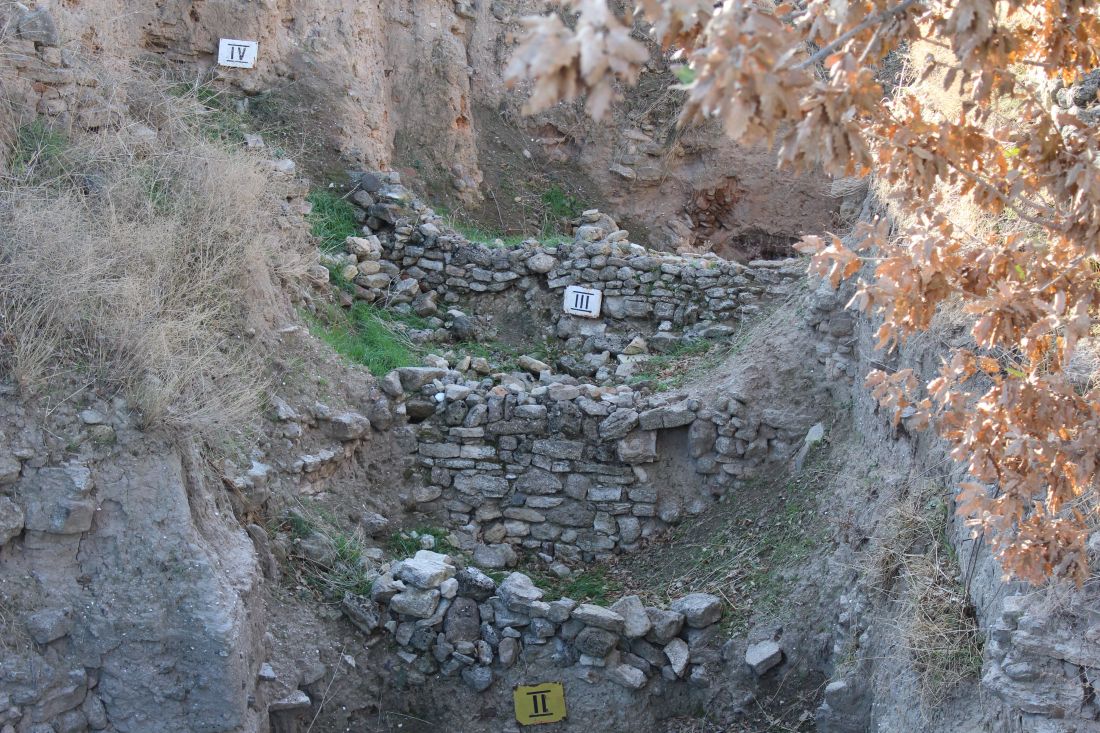
Enough remains of some areas, though, to allow you to imagine what it looked like. Here, for example, is a section of the outer wall with a square guard tower on the outside of the wall.
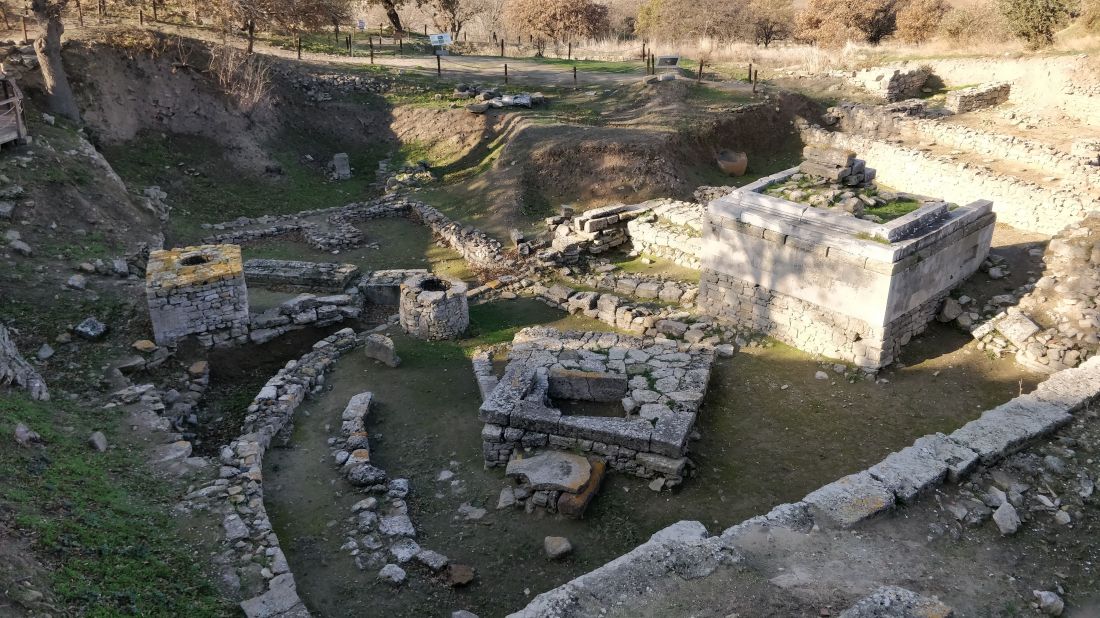
This is a tiny version of a Roman amphitheatre. It has a specific name but I can’t recall what it is.
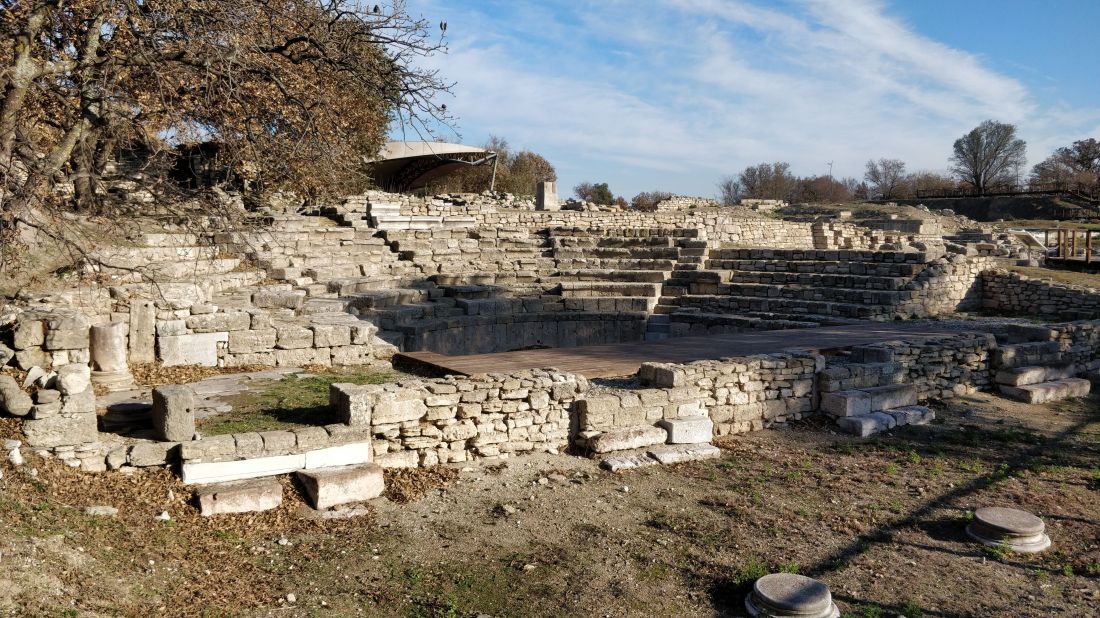
The rampart leading up to the central citadel of the city.
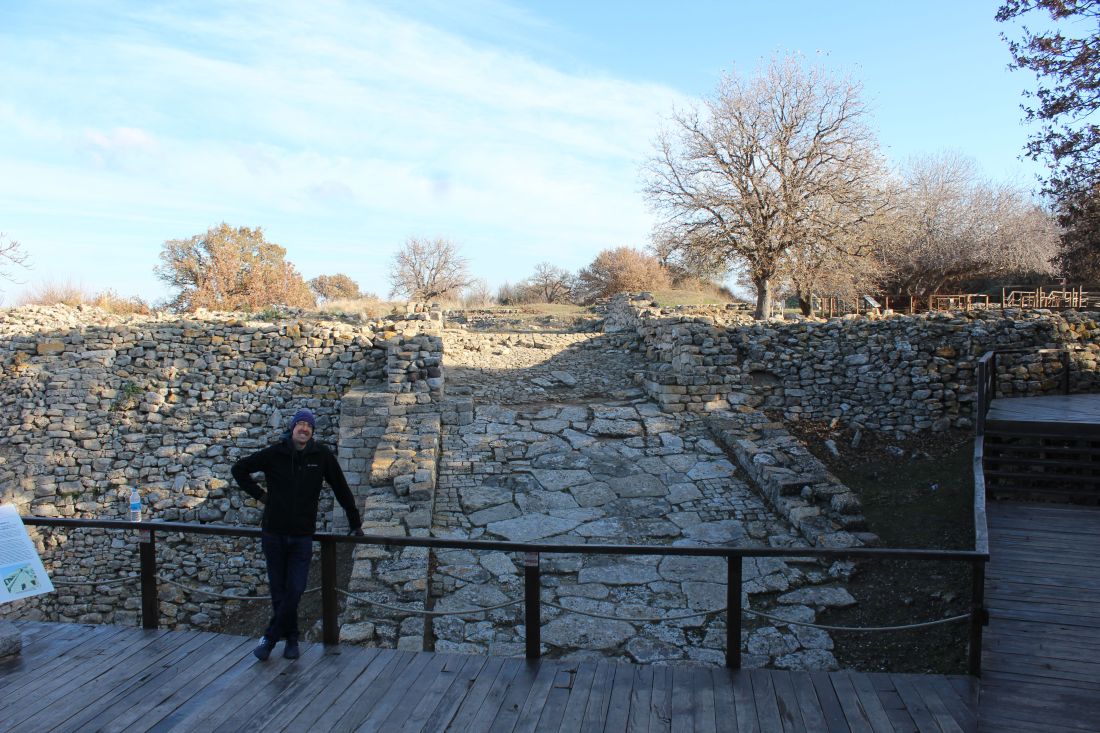
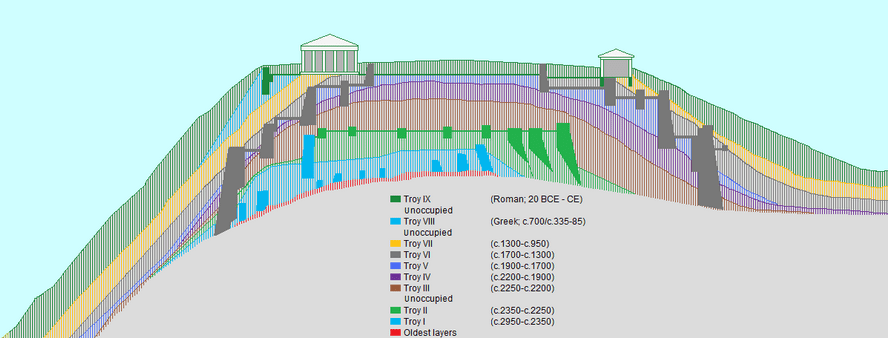
One really interesting fact about Troy is that it wasn’t one single city and there is actually 10 cities built one on top of the other. The first city or Troy I was built sometime in the 3000 BCs and for more than 4000 years, fires, earthquakes, and wars would force the Trojans to repeatedly rebuild it. By the time of Homer’s Iliad the city was Troy VI (6).
Below is a good illustration of the excavations of the different city versions and make note that the older the city the higher up it is.
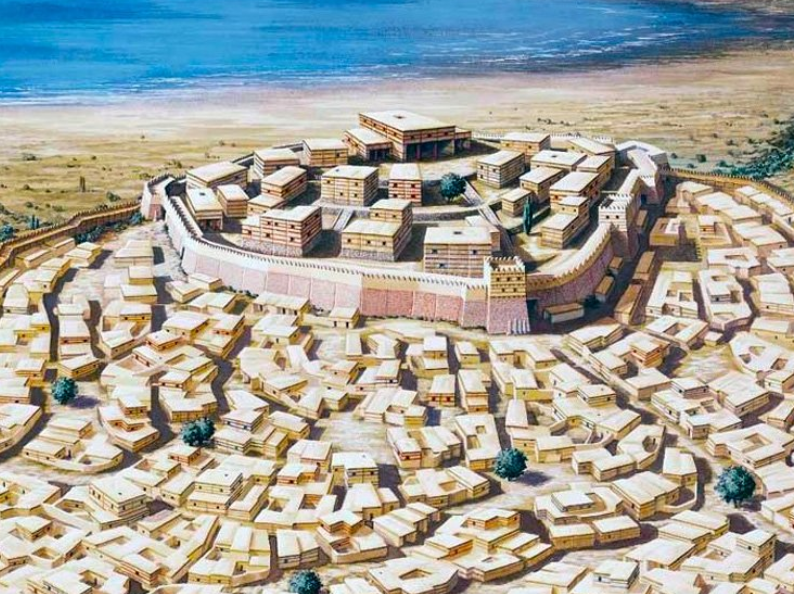
This drawing shows what the city may have looked like by Troy IX (9) or X (10).
And this, to me, is the most fascinating part. Because each new city was built on the rubble of the old city the land kept getting built up. However each version of the city was slightly larger in land area as well so slowly a hill was formed in the center (see below) and became the heavily fortified central citadel for the later Troys.
Along with Troy there is one more tourist site that I imagine is big with Australians and New Zealanders but is mostly unknown to people in Canada and the US.
From February 17, 1915 to January 9, 1916, known as the Gallipoli campaign, the Allied forces of WWI attempted to capture a key location from the Ottoman Empire. A large number of soldiers from the Australian and New Zealand Army Corp, or ANZAC, participated in the invasion and after 8 months of fighting there was almost 500,000 casualties (close to 60,000 were ANZAC casualties) and more than 100,000 dead on both sides.
Gallipoli is now seen as the starting event for Australian and New Zealand independence, much the same as Vimy Ridge is seen in Canada and interestingly enough it was also the fuel that started the Turkish independence movement that led to the modern state of Turkey after the Ottoman Empire was broken up.
To The Center Of The Roman Empire
Visiting the ruins of Troy is a total 3 hour adventure by the time you catch a bus out there, tour around and come back on the next bus. We left in the morning and were back in town around noon expecting to get a ticket for a bus to Istanbul that afternoon. Well that part didn’t work out so well and all bus tickets for the day were sold out except the 11 pm bus.
Pro tip here is to get your ticket online ahead of time but after killing some 7 hours playing cards and drinking Turkish tea at a nearby restaurant we were on our way to Istanbul. The drive from Çanakkale is 6 hours so we arrived at 5 am, checked in to our hotel and slept past noon. Luckily we planned 4 days so it wasn’t the end of the World.
I’m going to be straight up with you about Istanbul, it is a really cool city. Candice and I have been to a lot of big cities in our travels (Tokyo, Shanghai, Beijing, Hong Kong, Seoul, Kuala Lumpur, Bangkok, Saigon, Manila, Sydney, Auckland, New Delhi, Prague, Munich, Vienna, Budapest, Warsaw, Athens) but Istanbul was the most unique.
On our 2nd day we finally headed out to explore the city. Candice had booked us into a food tour, this is definitely becoming a mainstream tour for this trip, starting at noon so off we headed around 9 am to give us some time to meander our way down to the meeting location.
One thing that wasn’t unique to Istanbul was the air pollution. I suppose some things are the same in all big cities.
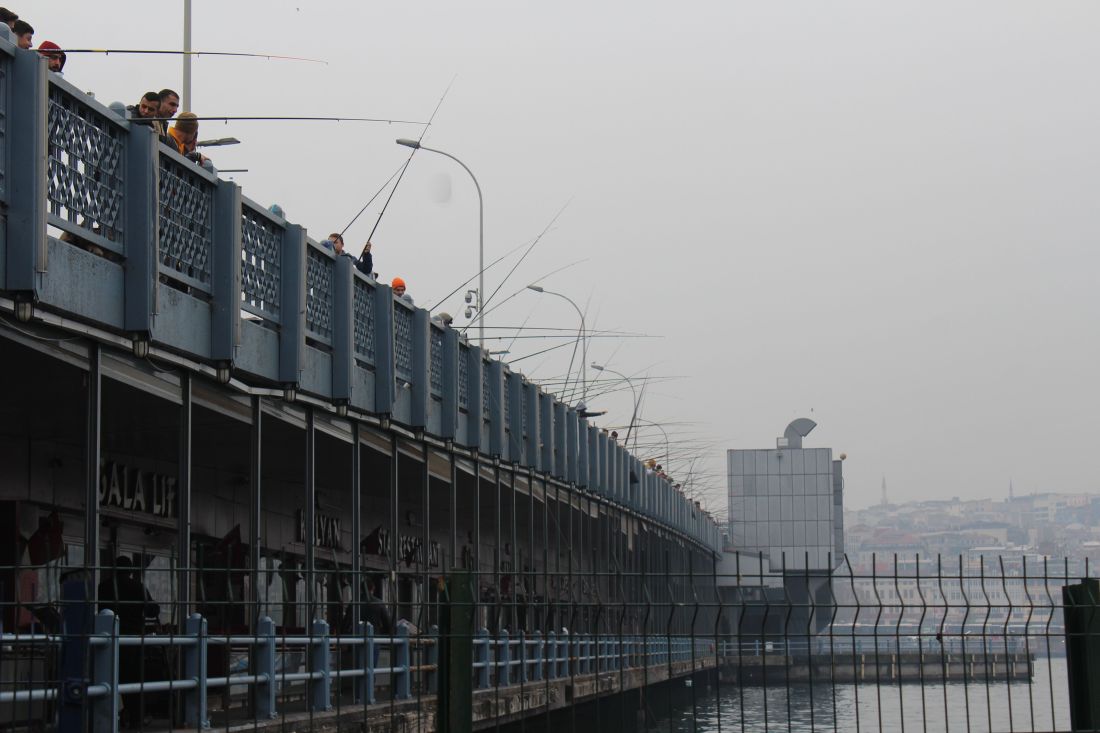
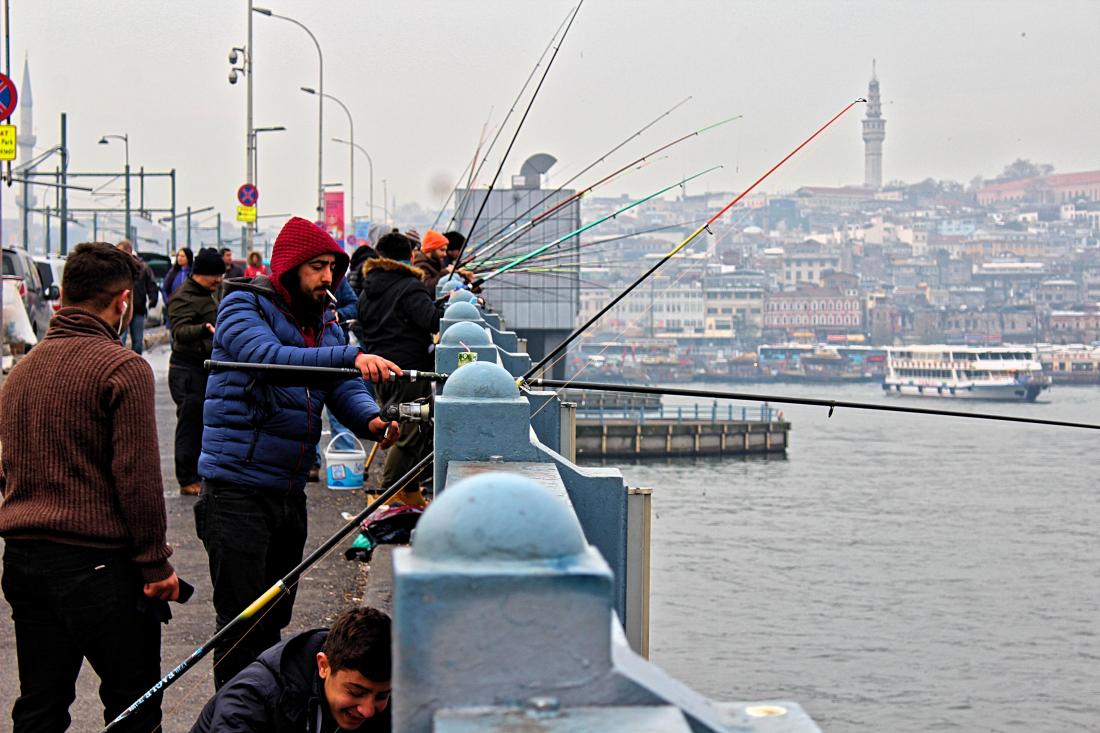
Crossing one of the main bridges of the city we were surprised to see hundreds of people fishing. People were lined up shoulder to shoulder for the entire length of the bridge on both sides and it was quite fascinating.
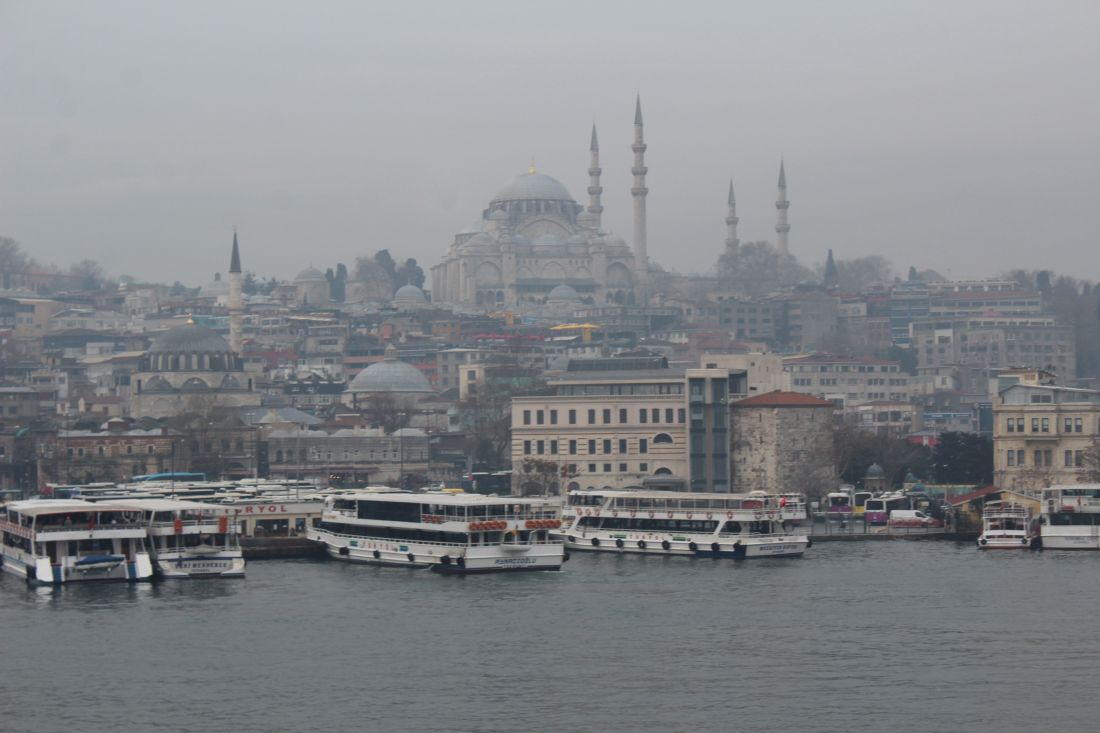
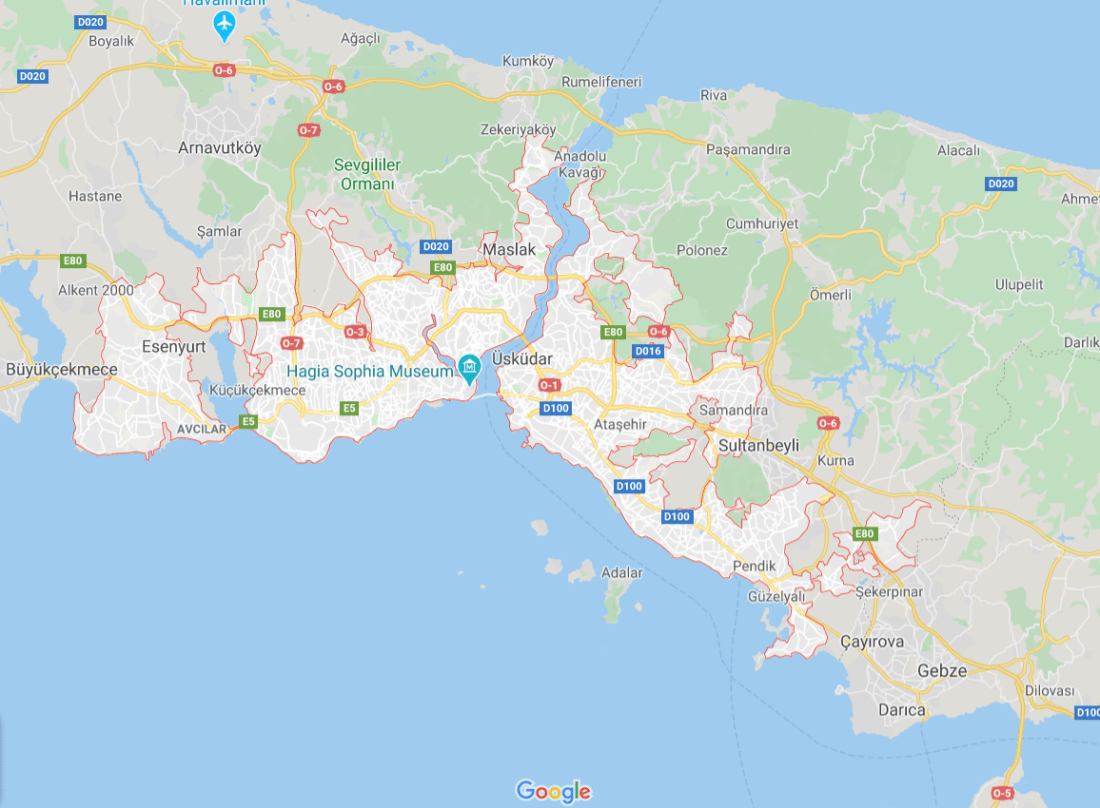
In my previous post I stated Bulgaria was at Europe’s crossroads but Turkey, specifically the Bosphorus Strait right down the middle of Istanbul, is the divider between Europe and Asia. The European side on the west is the more touristy part of the city while the Asian side is the more authentically Turkish side. Our food tour was, of course, on the Asian side where the restaurants serve authentic Turkish food and don’t change their flavours to cater to picky tourists.
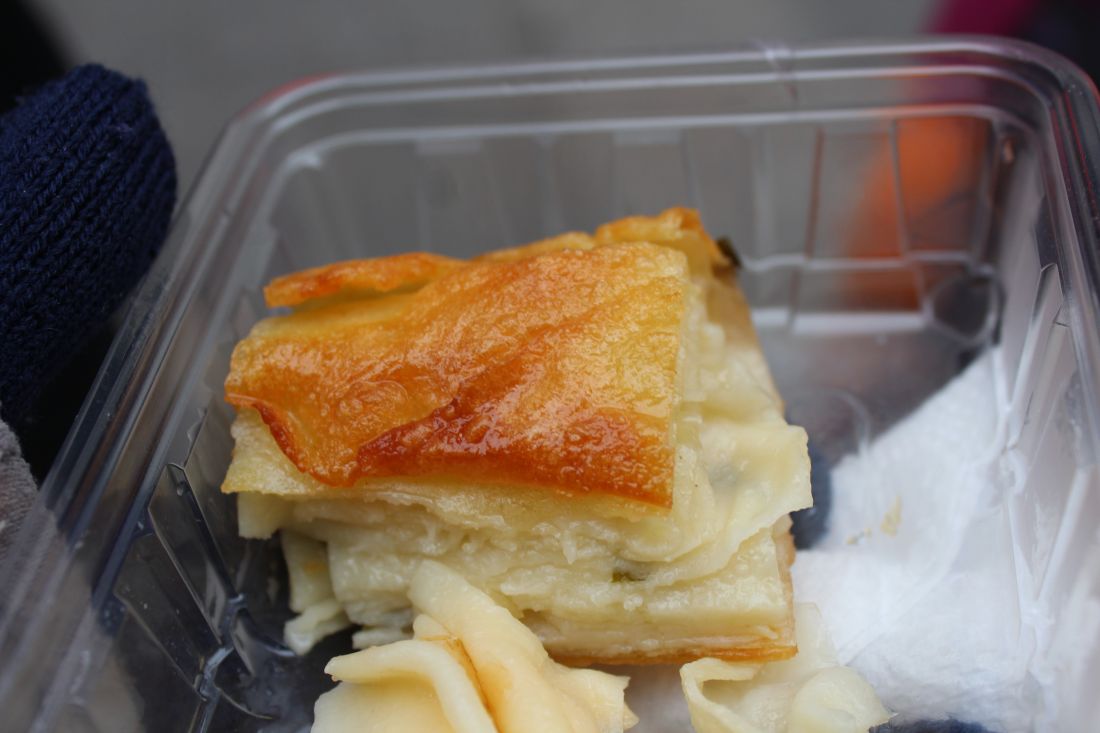
Our first stop was the best borek shop in town. We were told this is the only place in Istanbul that steams their borek making it a moist and delicious start to the tour. If you’re not familiar with borek it’s a layered pastry filled with cheese, garlic, onion, spinach, and egg and is almost identical Greek spanakopita.
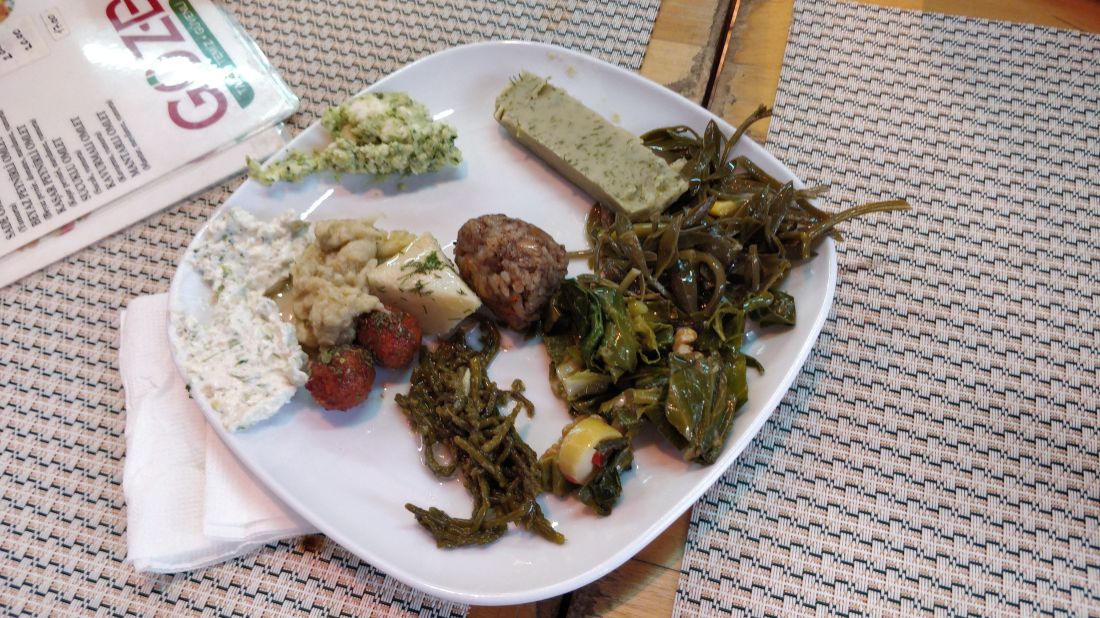
I was halfway into stop #2 before I remembered to take a photo. A random selection of items such as cooked greens, dolmades (stuffed vine leaves), and some other items I’m now forgetting.
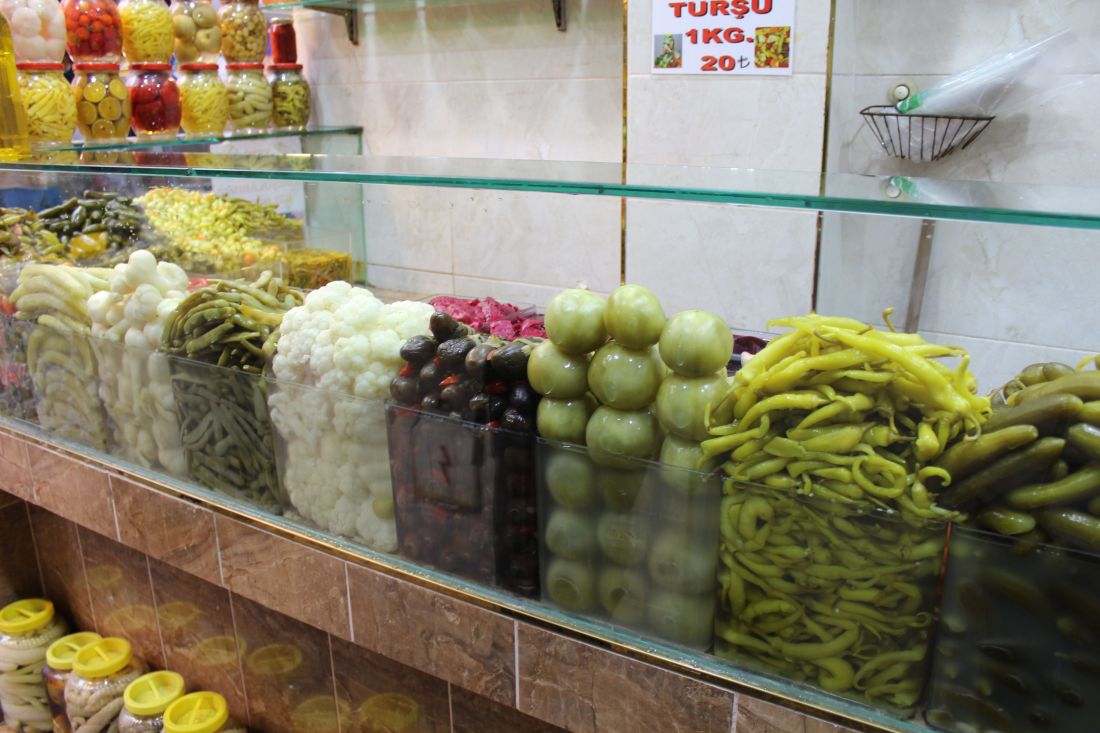
Pickled everything is popular in Turkey and at these shops they serve pickle drinks.
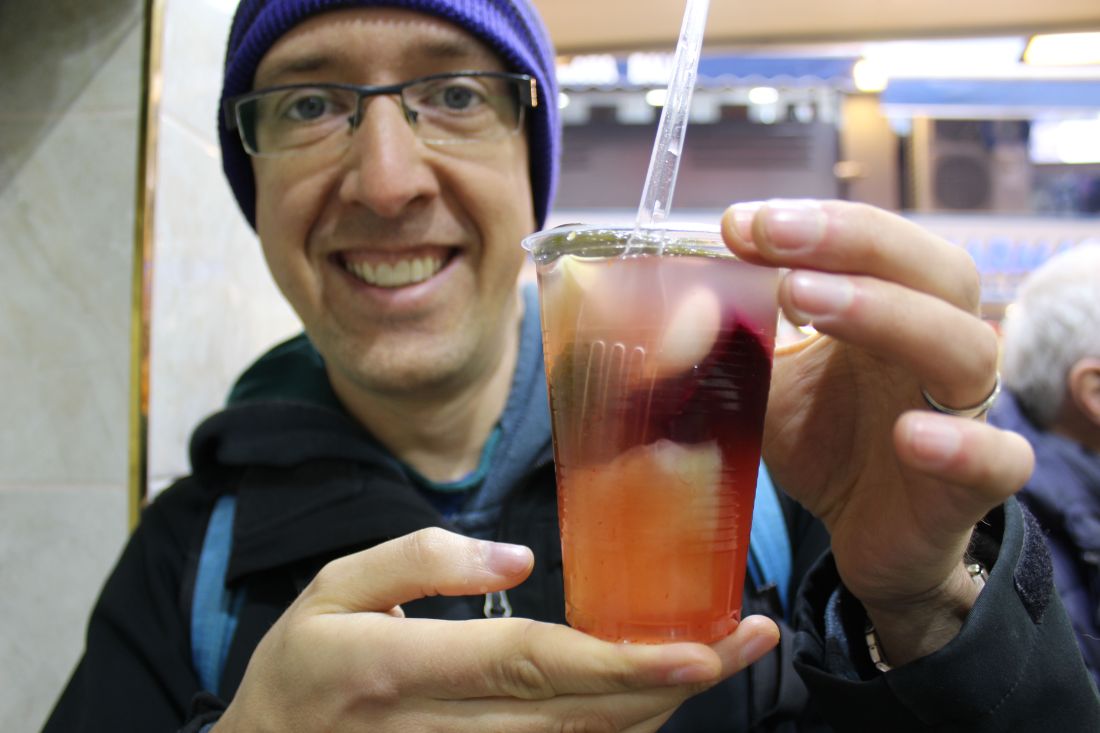
If you like drinking the juice from the dill pickle jar then you’ll love this drink, otherwise you may not appreciate it as much as I did.
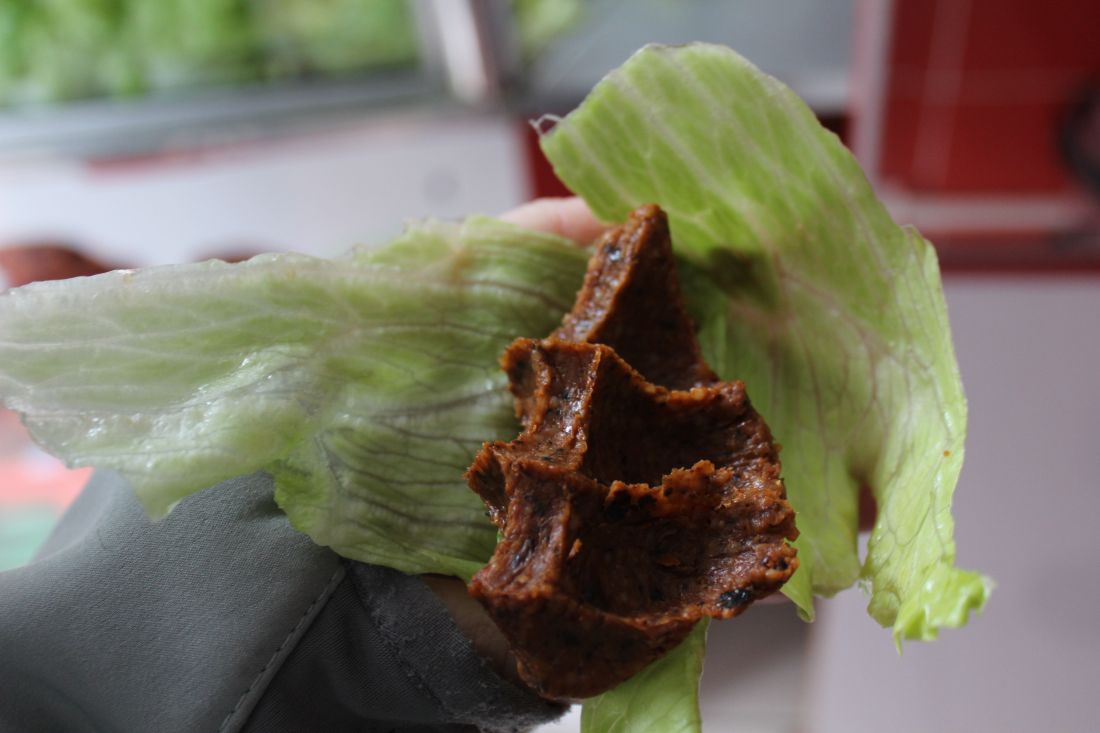
Some veggie kofta, the traditional kofta is basically a meatball and the veggie version is made from lentils, bulgar, and a whole lot of spices.
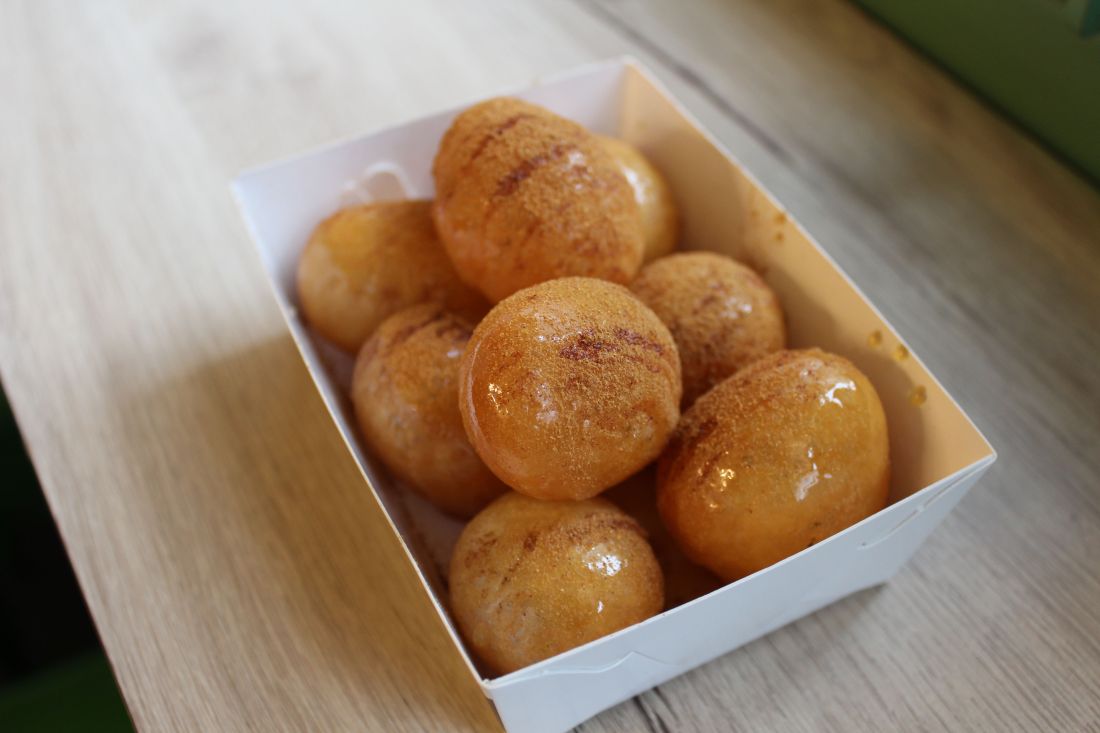
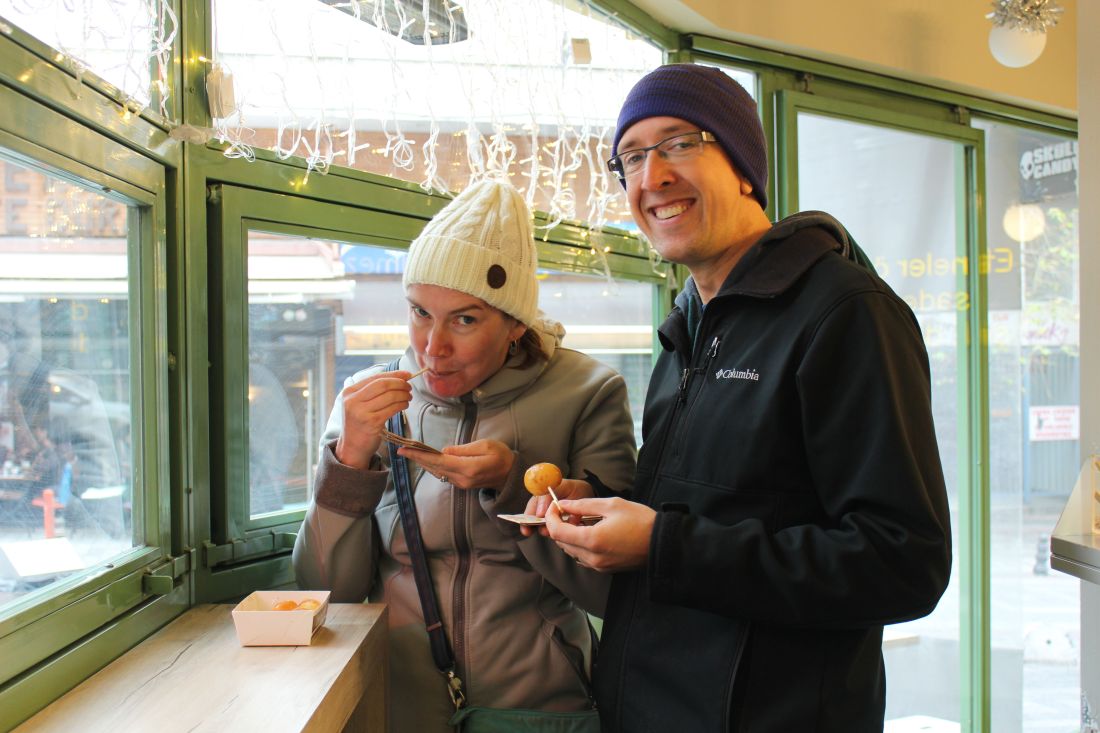
This was Candice’s favourite stop of the day. Lokma is a sweet fried dough covered in a sugar syrup and in this case some nutmeg and cinnamon as well. This shop had a lot of flavours to choose from but we were recommended to simply try the original. Yum, yum, yum.
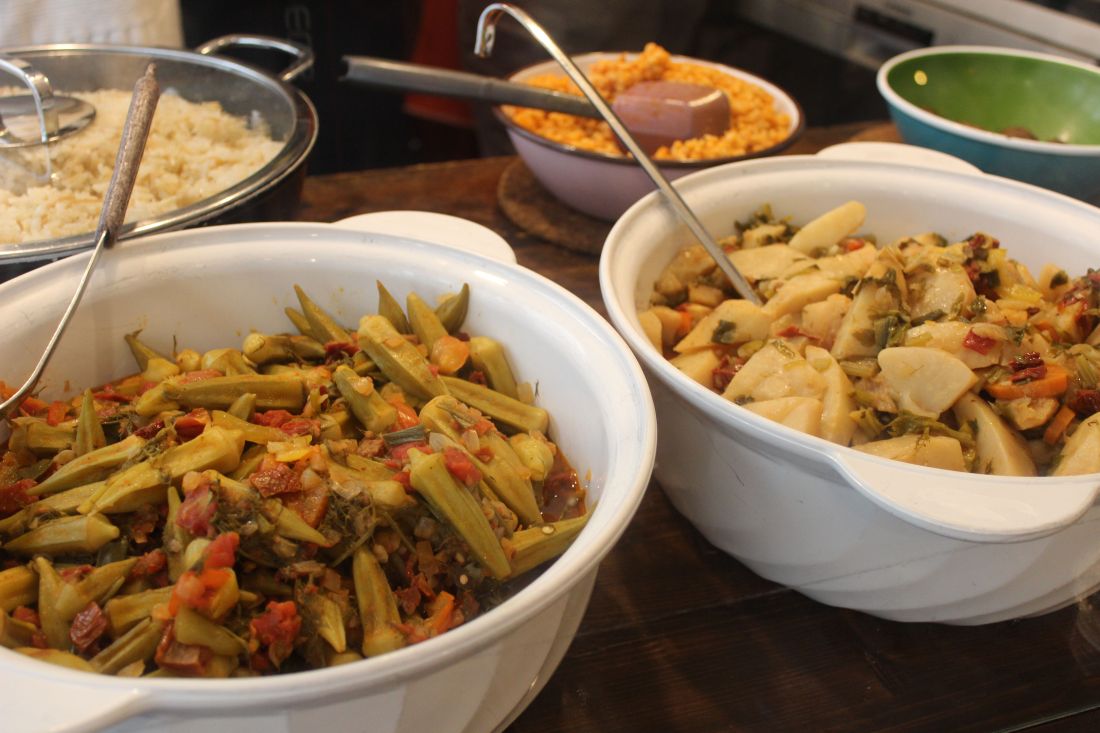
And our final stop was a lady who makes homemade Turkish dishes for a reasonable price. The bottom left is an okra dish (the small ones are called ladyfingers) and on the right is a celery root dish.
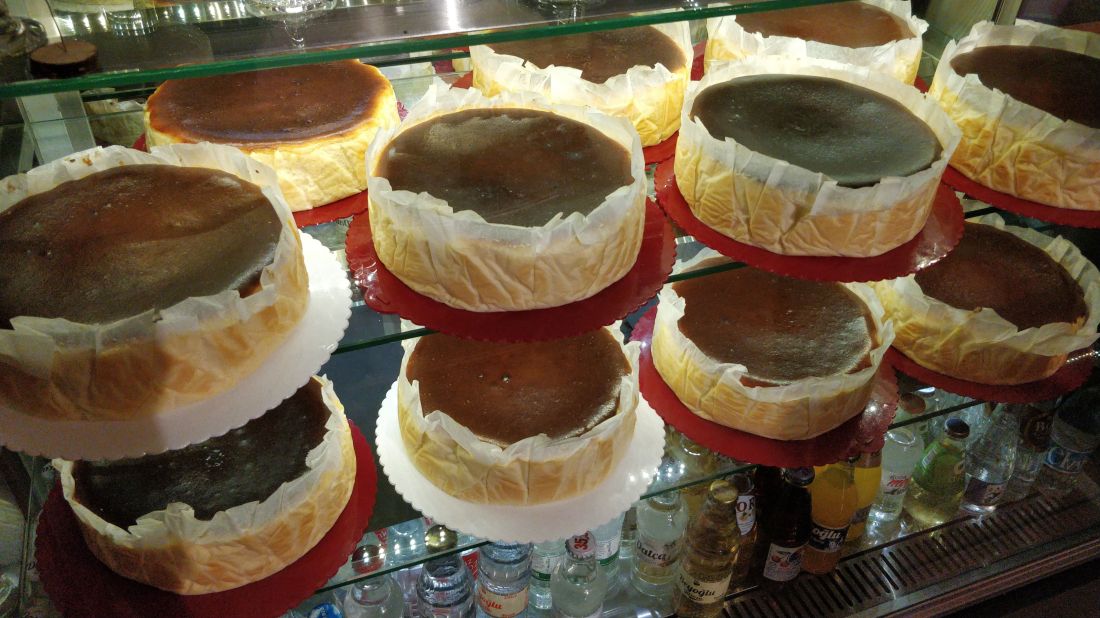
We ended the tour with a slice of Turkish cheesecake and some Turkish coffee. It was slightly lighter than New York style cheesecake but not as fluffy and cake like as the Japanese style cheesecake we had all over Asia.
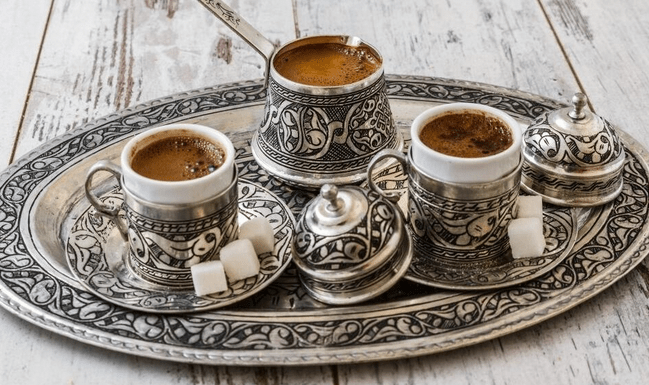
And if you’ve never seen Turkish coffee it’s almost identical to the Bosnian coffee I tried in Mostar which came over from centuries of Ottoman occupation. Turkish coffee is extremely strong and is always served with a side of sugar or Lokum (Turkish delight) to cut the bitter a bit. I’m a huge fan of similar coffees like European espressos and Vietnamese coffee so this wasn’t a shock and I love the decorative way it’s usually served.
We had another fantastic food tour and our host was so friendly and fun to chat with. After we were done she asked us if we wanted to hang out longer and help her walk her dog, Candice couldn’t say no to that.
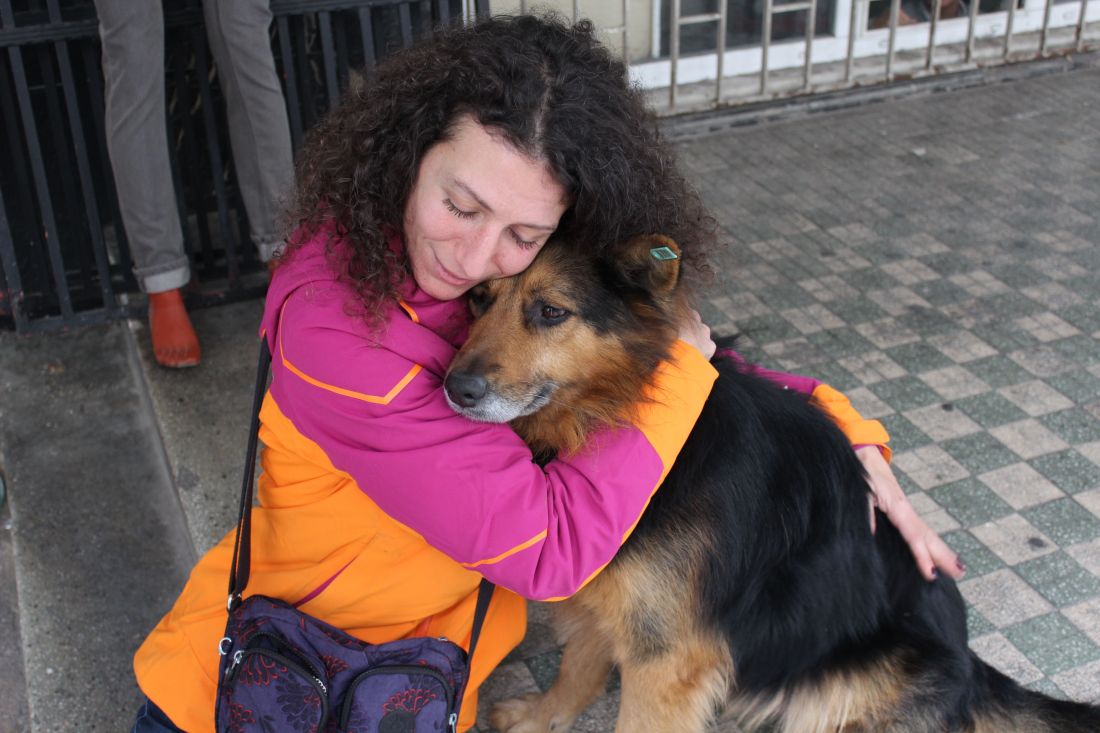
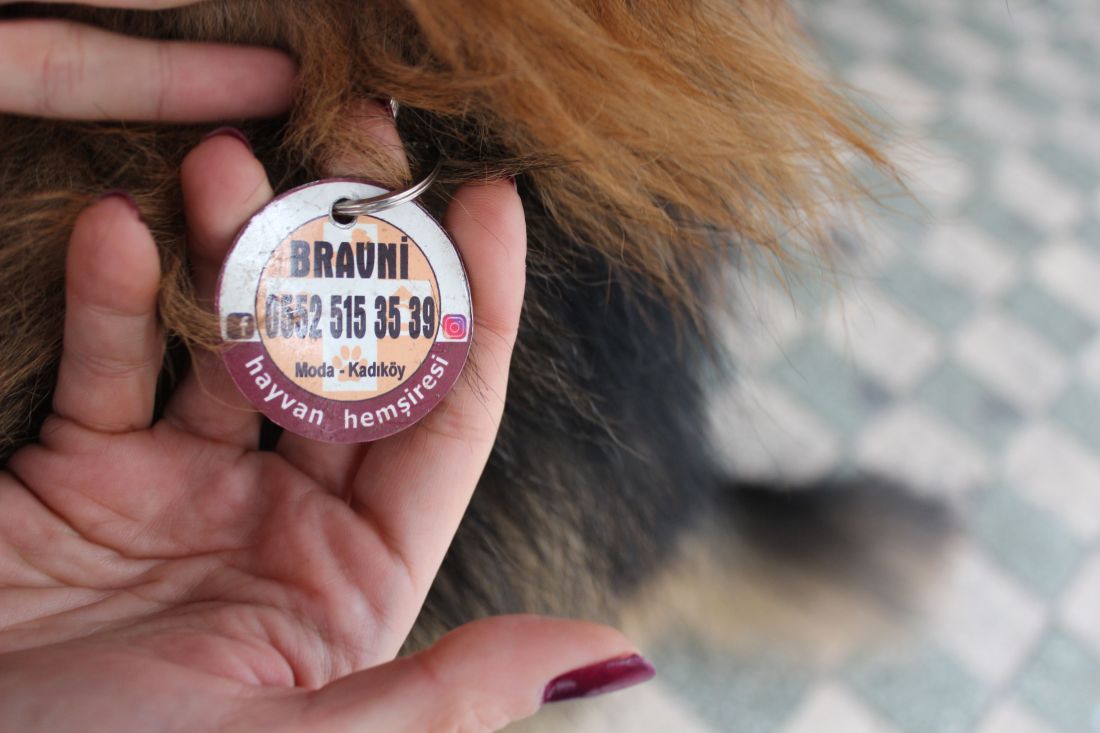
Above isn’t her dog by the way. In our host’s neighbourhood they have a lot of strays that the community takes care of by making an agreement with the city to have them tagged and tracked and everyone in the community takes care of them.
But before we could do the dog walk our host had to run a few errands so we agreed to hang around for 2 hours and explore this part of the city some more.
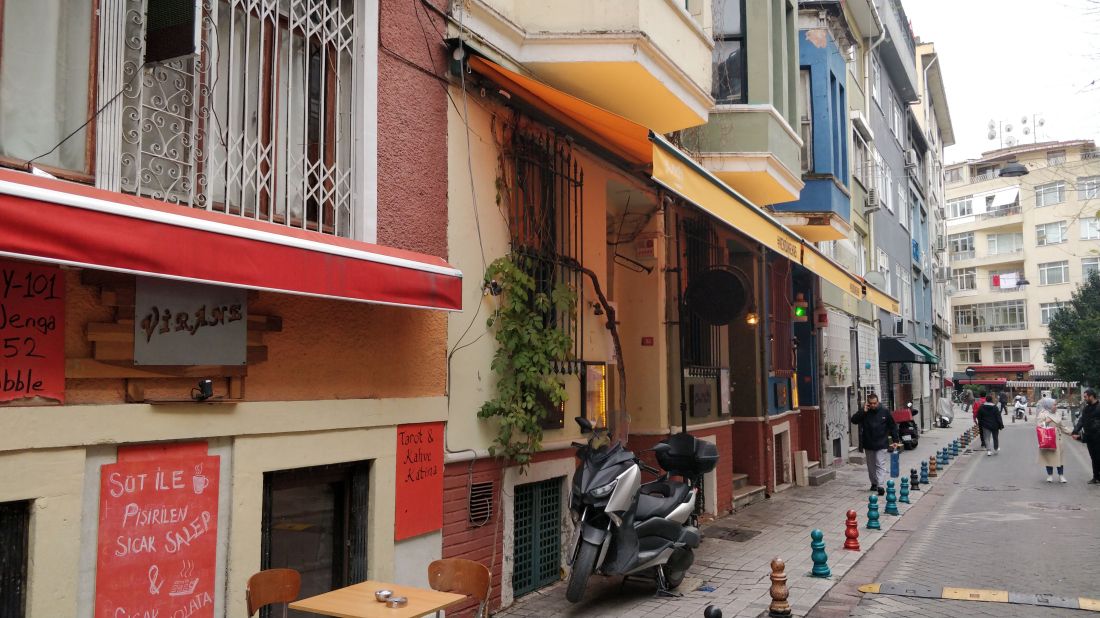
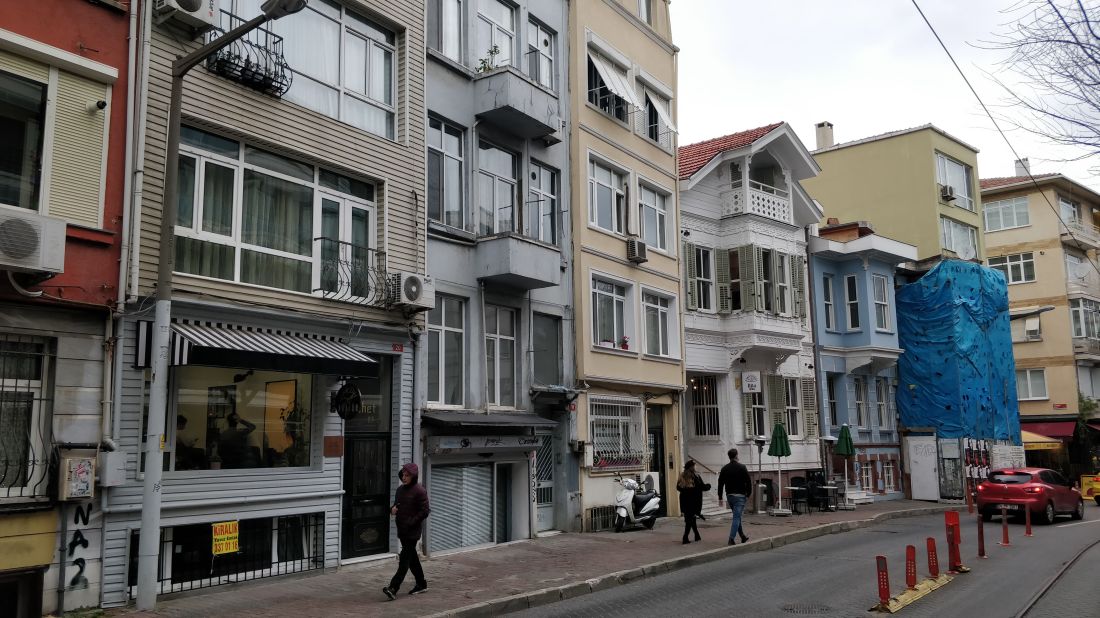
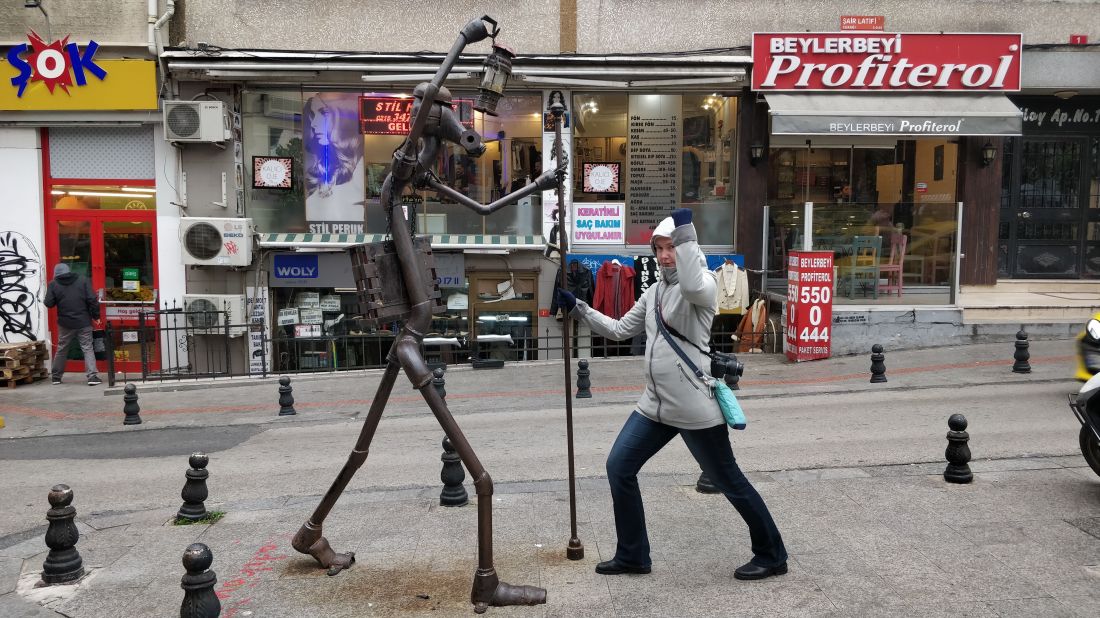
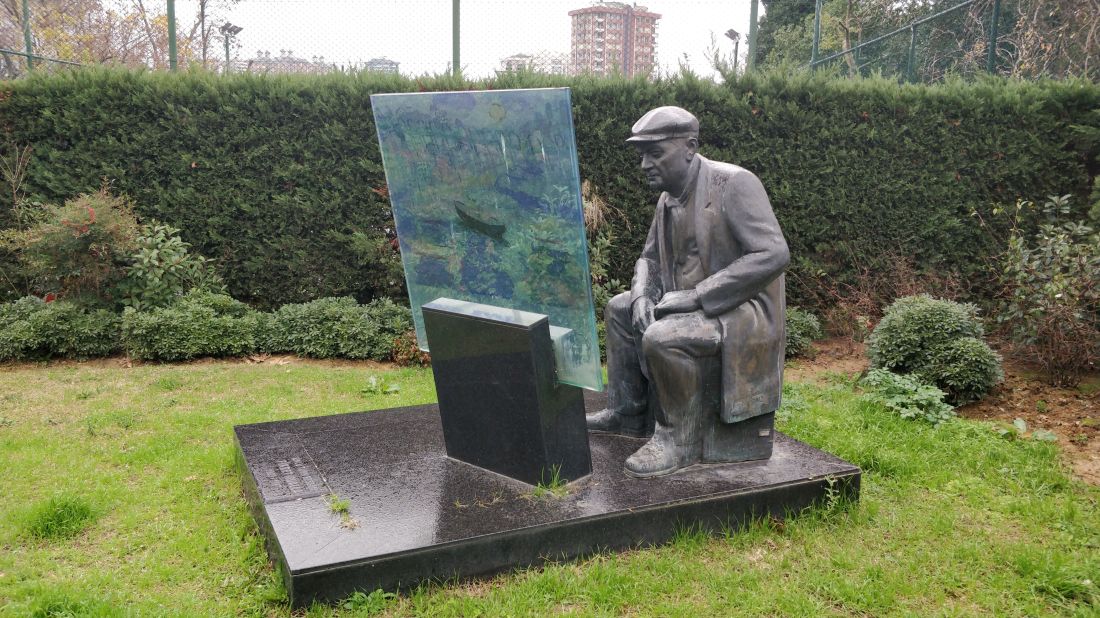
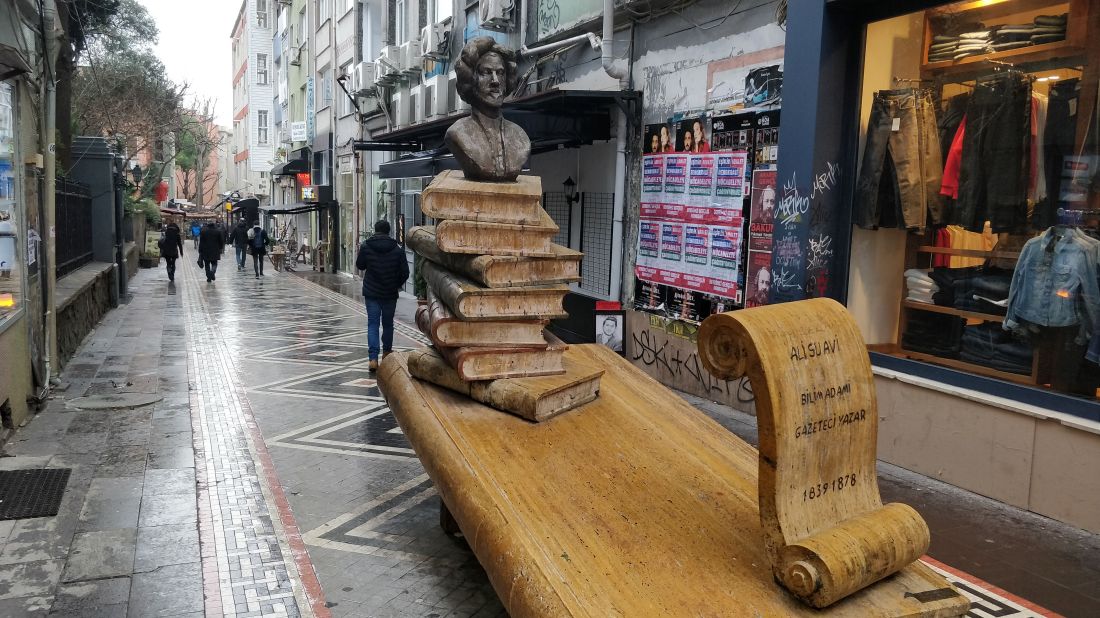
We found quite a few interesting art displays.
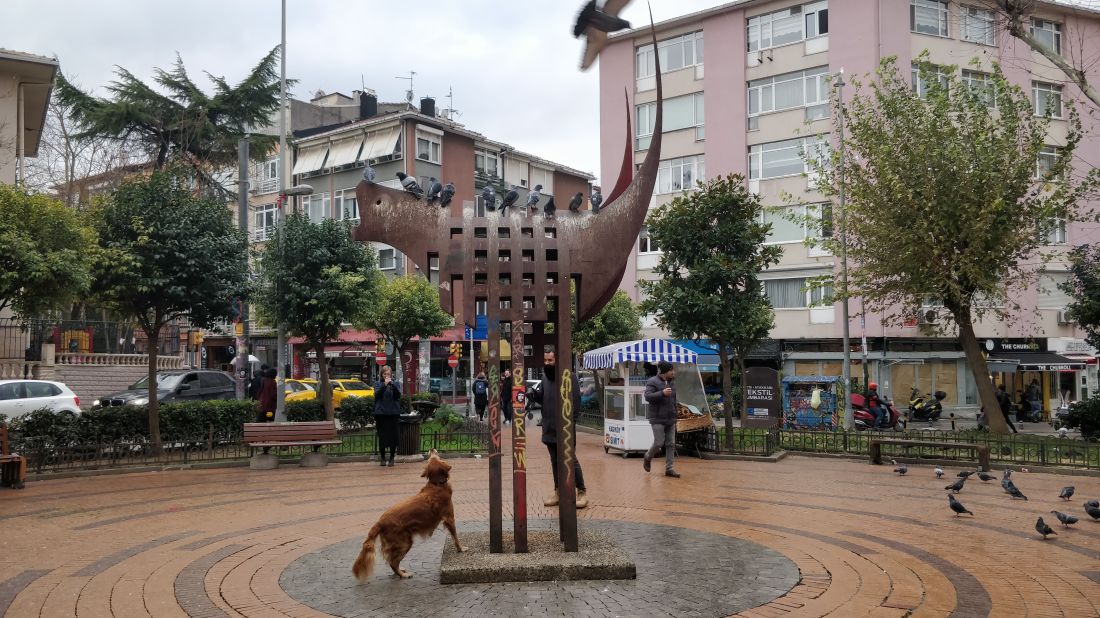
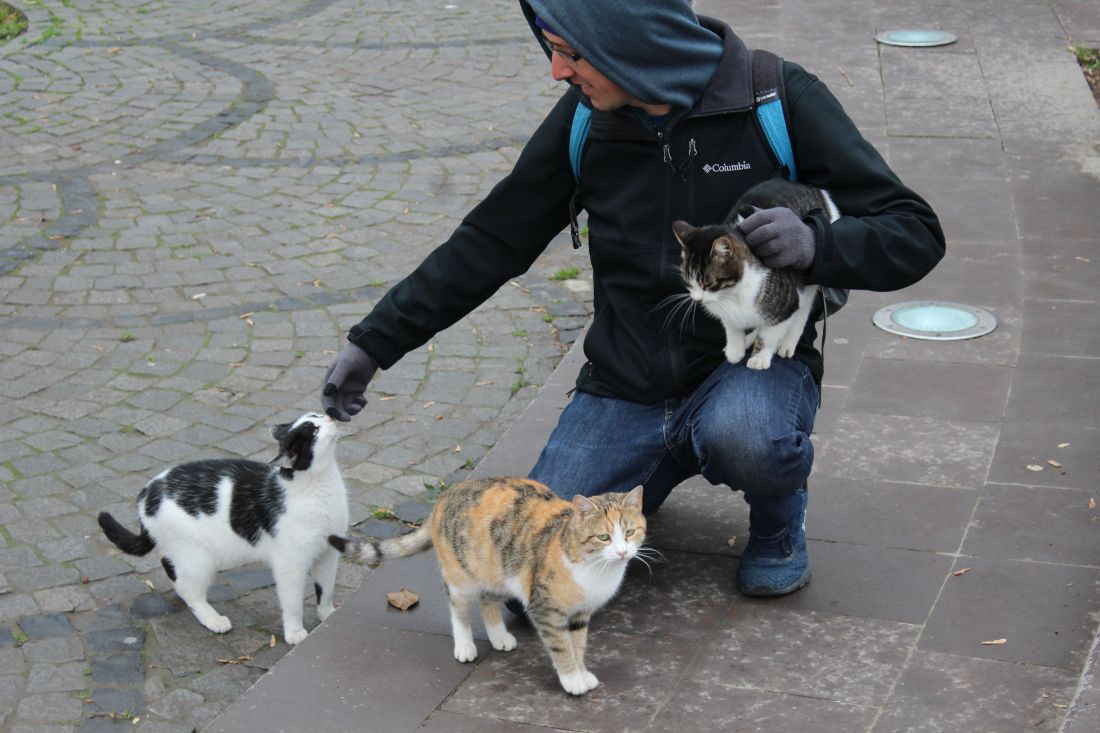
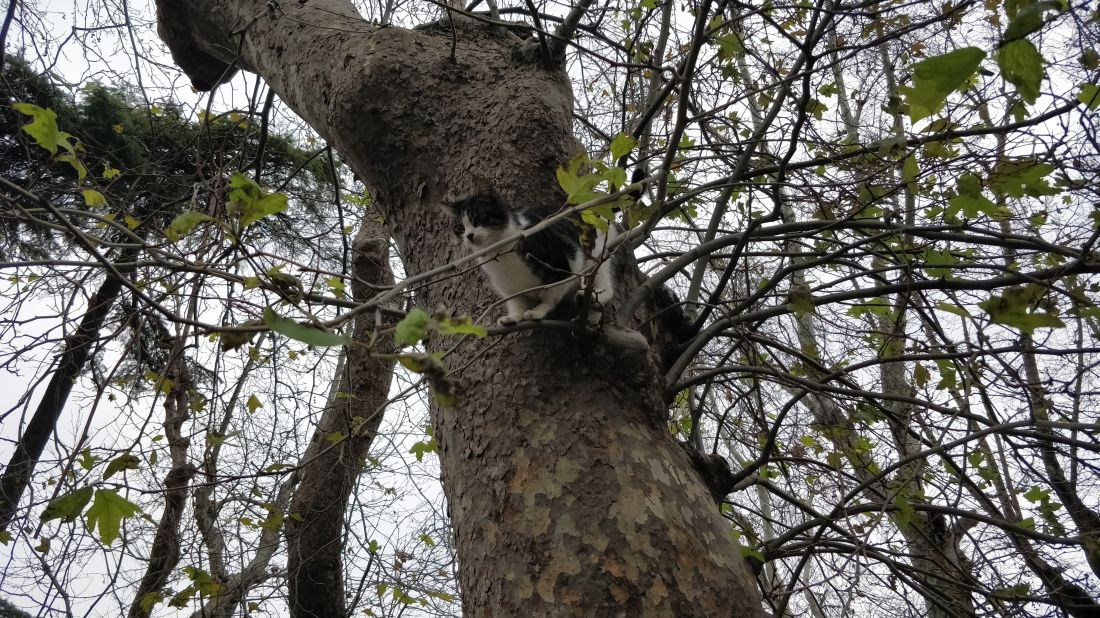
And not only does Istanbul have a large number of stray dogs but there is also a ridiculous amount of cats around. None of these little guys were collared or identified in any way but they were so cute and friendly.
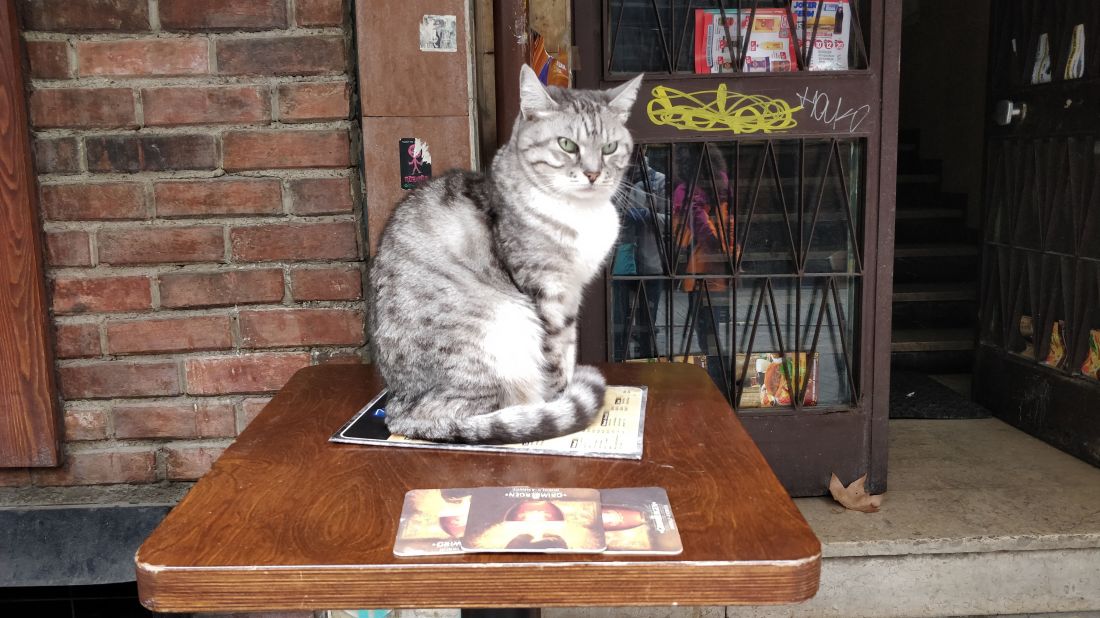
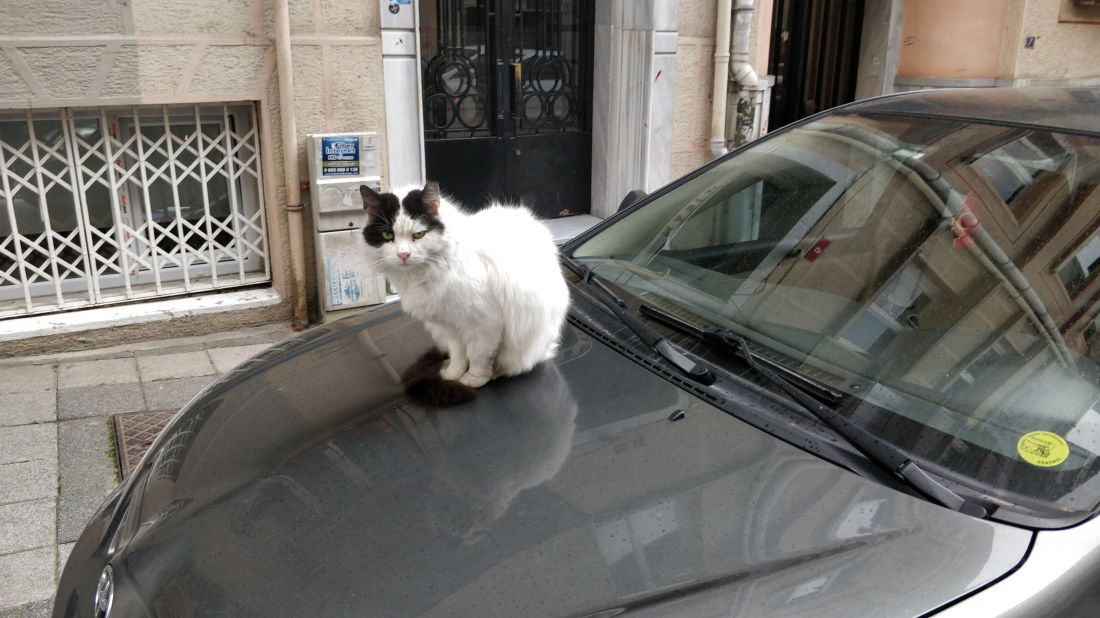
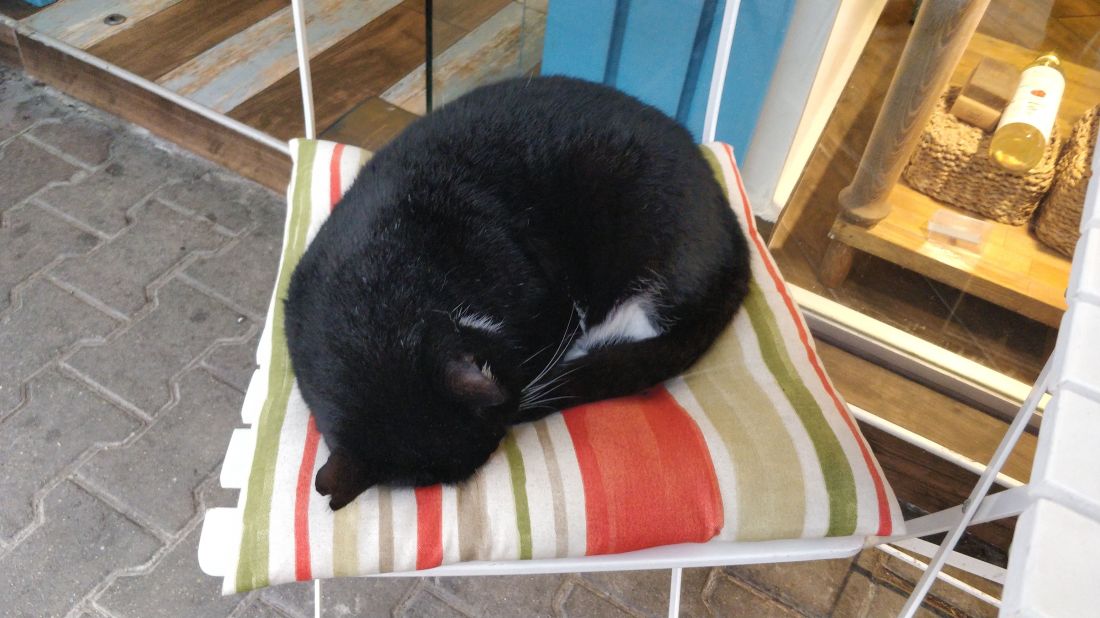
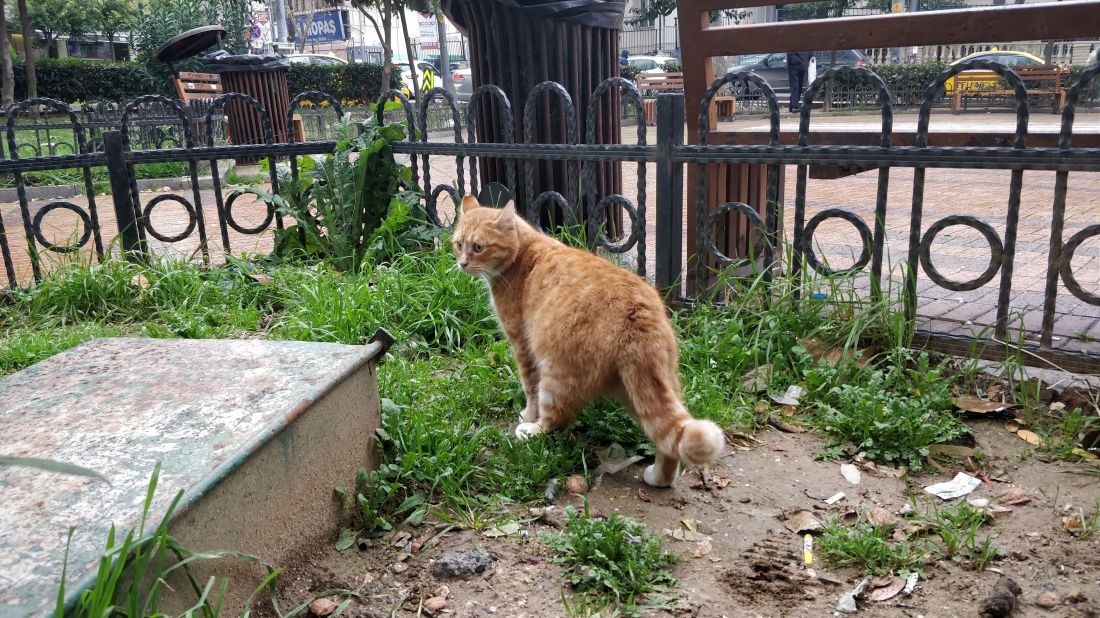
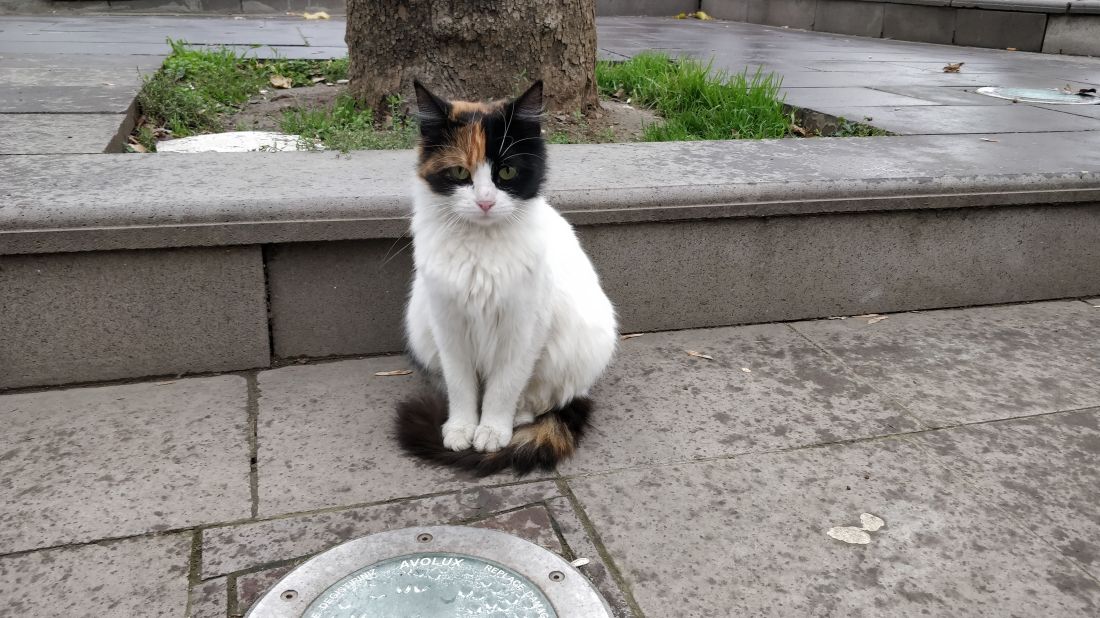
At this park I knelt down to pet a couple of kitties and one hopped straight into my lap purring for pets.
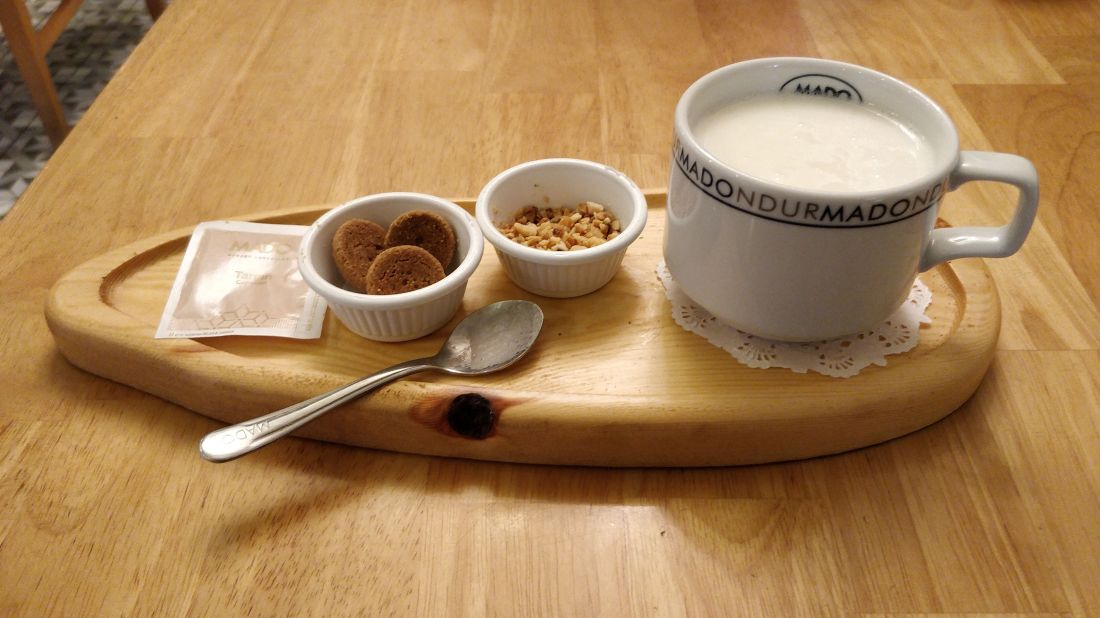
Unfortunately for us the weather wasn’t going to agree with us during our time in Istanbul. A really bad winter storm was blowing in from the North bringing cooler temperatures (5C), wind, and a lot of rain. So far this day the rain held off but we were getting cold being outside for over 4 hours so we popped into a cafe for a warm drink. Our waiter recommended we skip the boring green tea and try a Turkish specialty drink called salep. It’s a thick, creamy, drink made from orchid root powder with cinnamon served with ginger cookies and crushed peanuts, the perfect way to warm up.
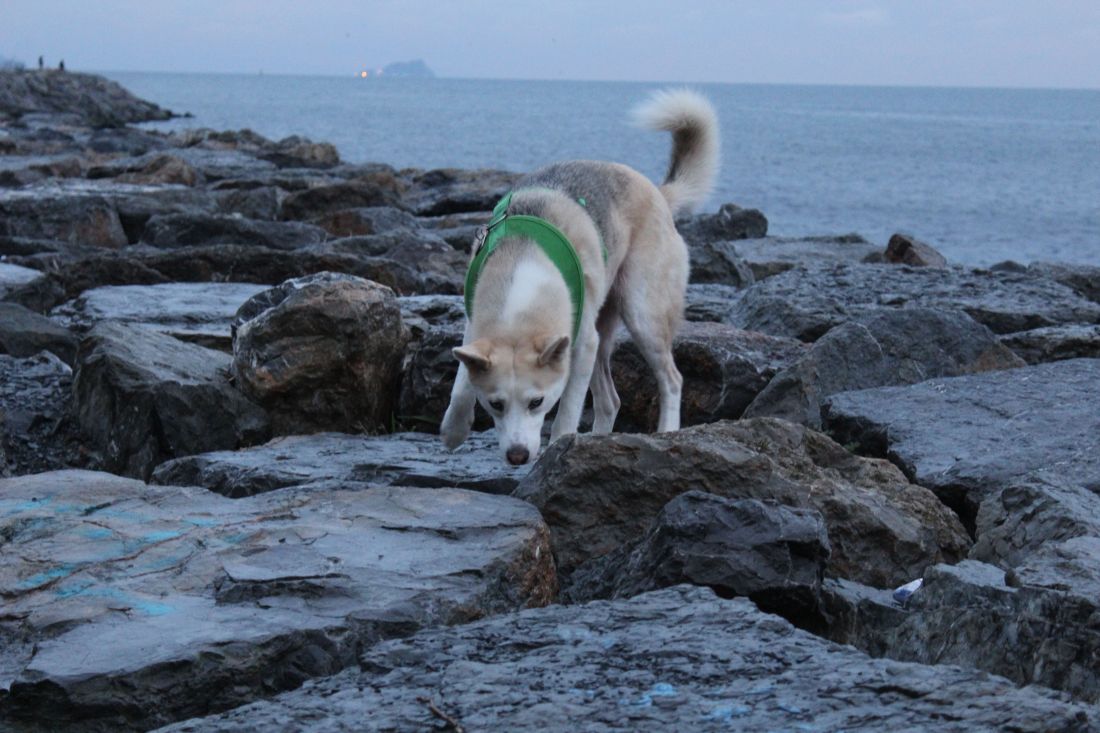
Finally we did the dog walk and here’s our host’s very pretty dog.
Carpets and Towels
Coming to Turkey, Candice was determined to find some high quality, authentic, Turkish towels. She did her research and was set on one shop ran by a Turkish Canadian lady so off we went on day 2.
The market where we had to be was just behind the Blue Mosque (one of the major tourist stops in Istanbul) so we thought we would pop in for a quick visit. Like other mosques non-Muslims can only enter between prayer times and we showed up right when prayers started.
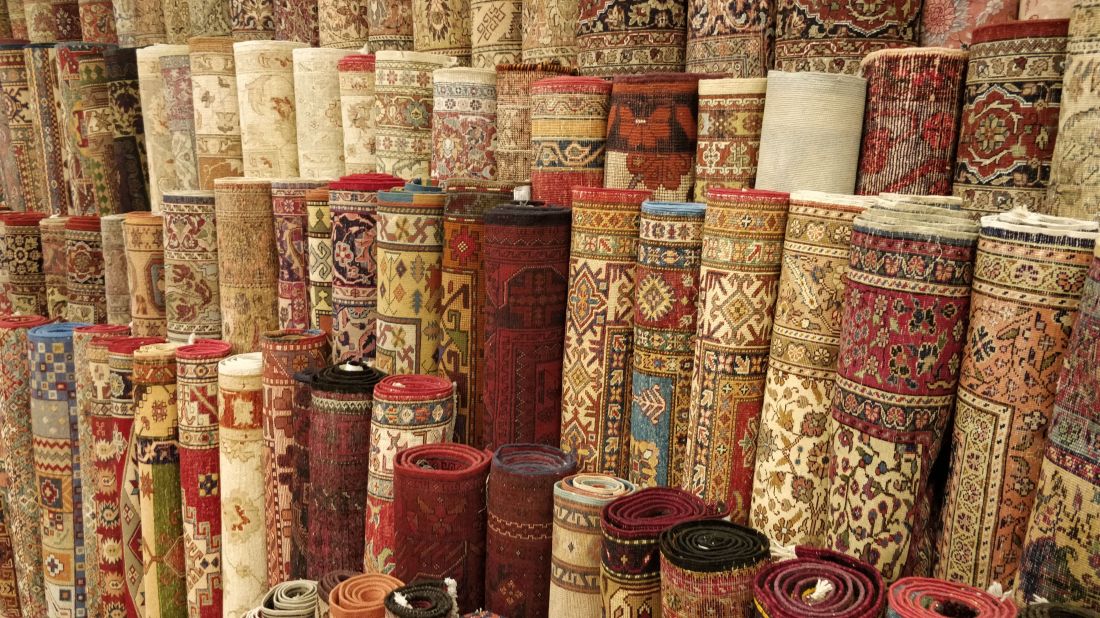
A gentleman outside the mosque told us it was prayers and we chatted a bit. We told him we were headed to a towel shop and he asked us if it was Jennifer’s shop, which is was. He offered to show us how to get there if we would be kind enough to just take a look inside his carpet shop. We had no intention on buying any carpets but the people in Turkey have been so friendly (and not pushy at all) and we had extra time to kill so we took him up on his offer.
Now here’s the thing we found so interesting in Turkey. Yes these business people want you in your shop to make a sale, it’s how they make their living, but the people we met all over Turkey seemed genuinely interested in meeting you. It’s customary to offer the clients a coffee or tea and the shop owners will always ask about where you’re visiting from and chat you up a bit. The funny thing was every single person we met in Turkey either knew someone who lived in Canada or had lived in Canada themselves, every time we mentioned we were from Canada it started a whole conversation.
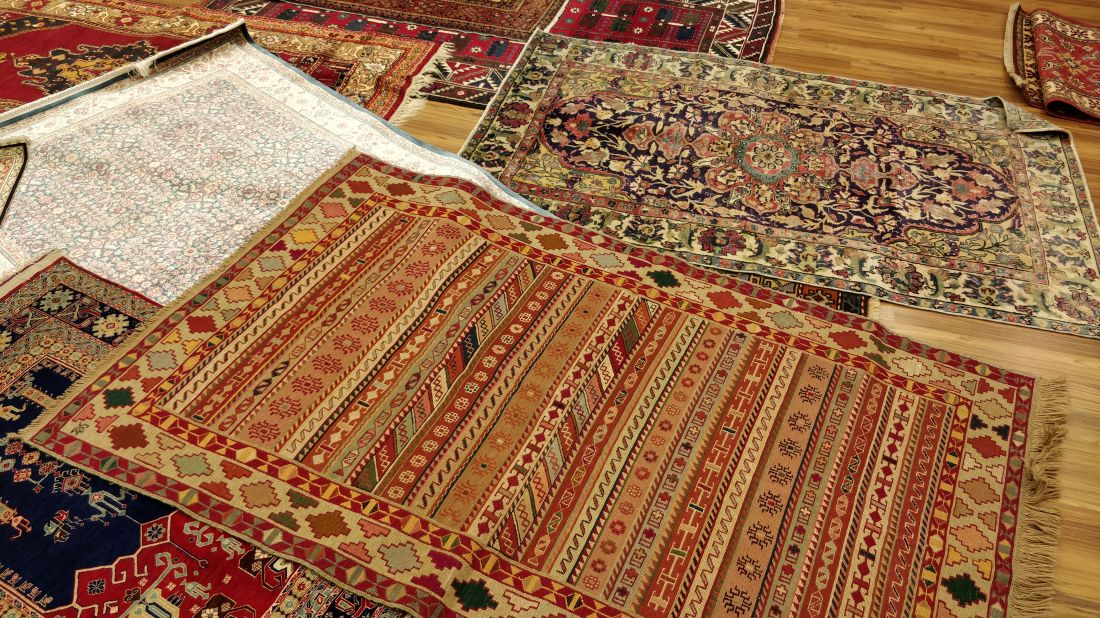
The carpet selection was pretty amazing, you could get some basic ones for as little as $200 USD or the most expensive carpet was $10,000 USD, but we really were not buying one. We politely looked at a few carpets, took the gentleman’s business card, and said goodbye.
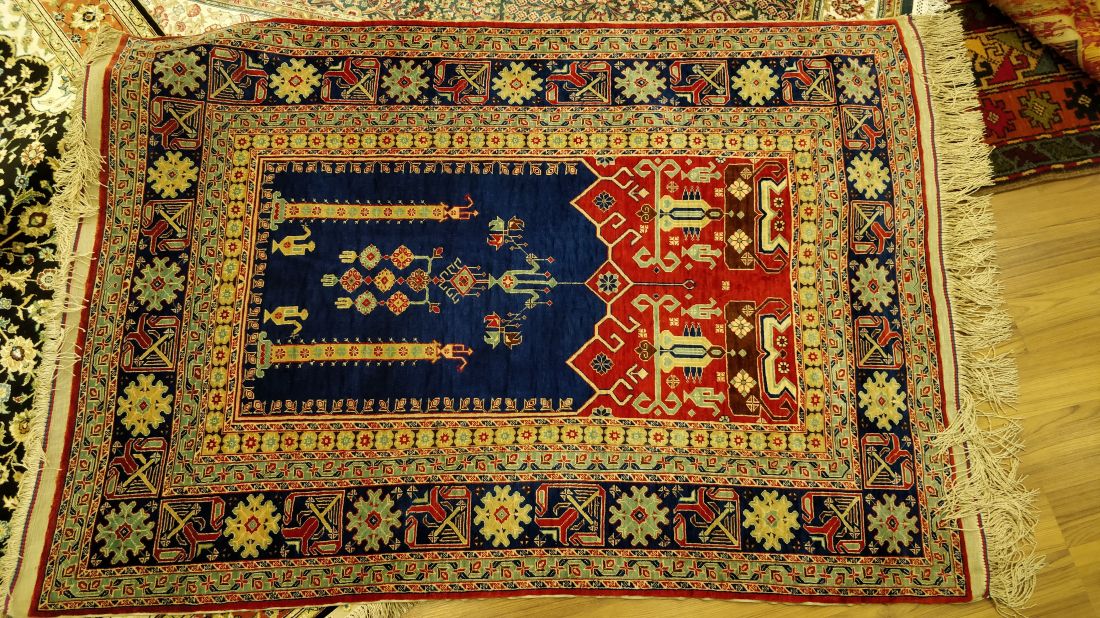
After that small detour we finally made it to our stop. Stepping into the towel shop the selection was amazing. I took a seat in the corner and Candice went browsing.
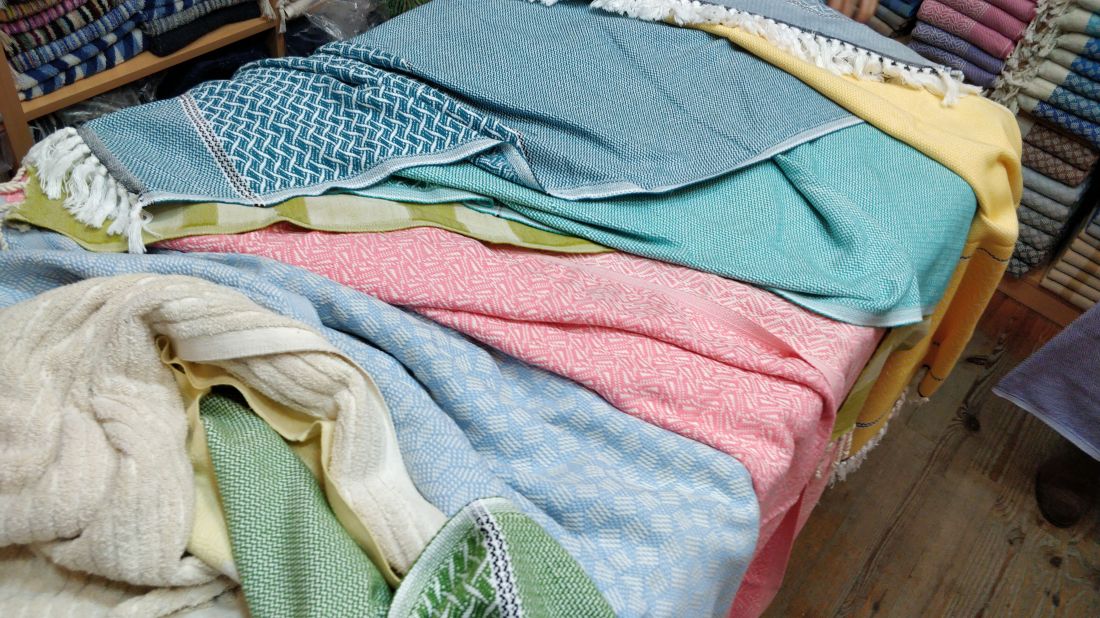
After about 30 minutes we had picked out our favourites and we had some help modelling them for a picture.
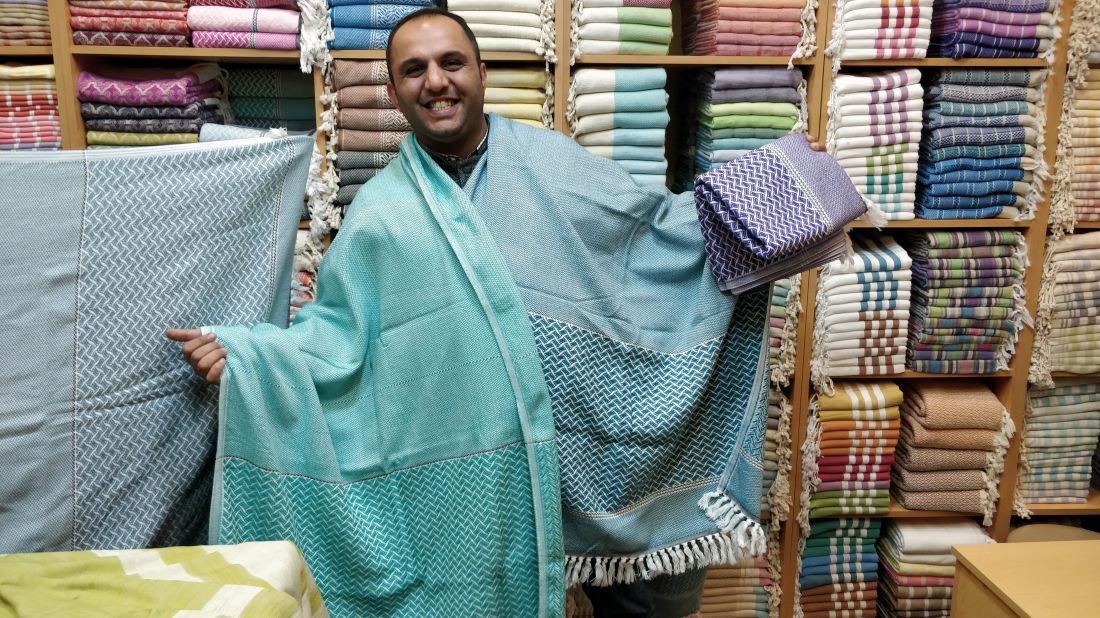
All the towels come made with the tassels but if you’re don’t like them they remove them free of charge for you.
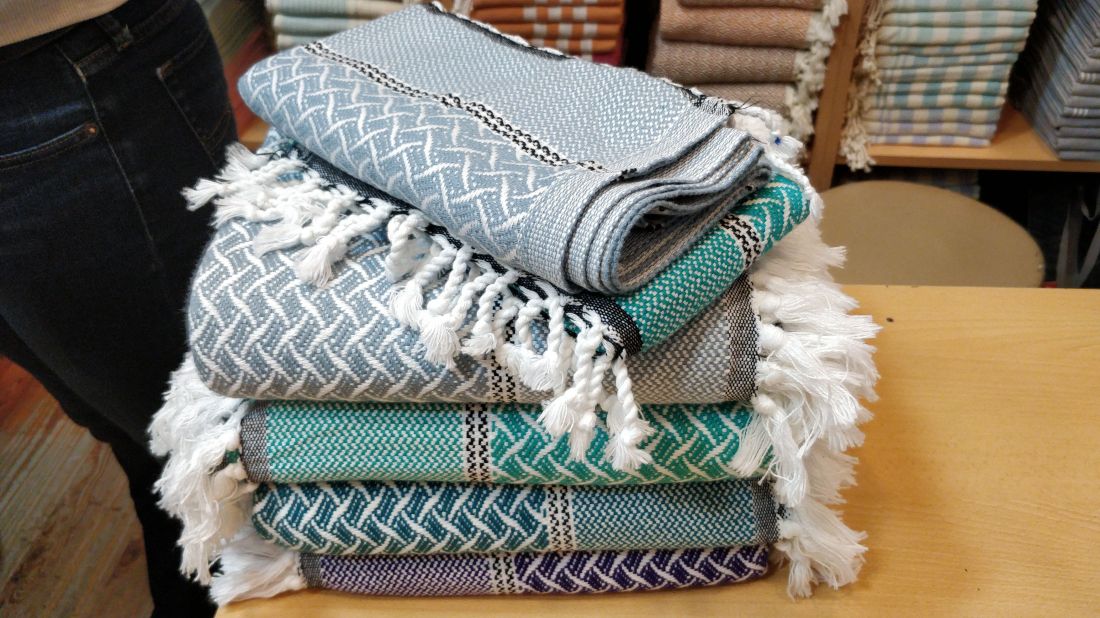
Candice even spotted one that would make a beautiful scarf so she added it to the bill. The total cost was a bit expensive for us (just over $200 CAD) but all the towels are hand woven following traditional Turkish techniques that are now disappearing due to machine made towels. If you’re interesting in online ordering I’ll shamelessly plug her website here – Turkish Towels
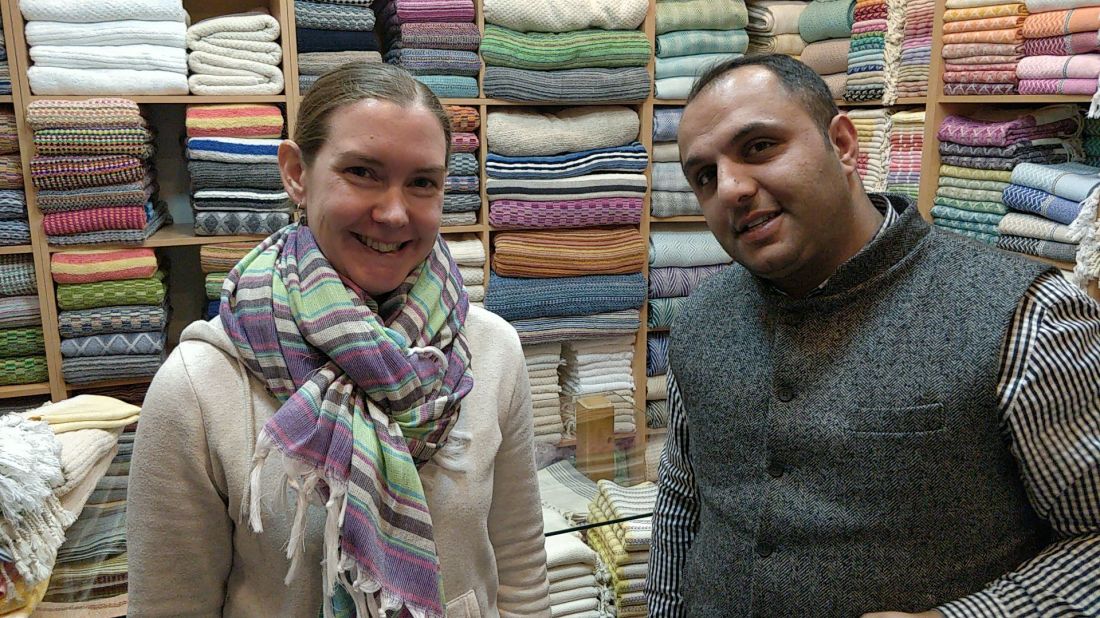
Where we shopped was their small outlet store but the shop assistant took us 3 blocks down to where the big shop was so we could meet Jennifer personally. She is actually from Edmonton (where Candice’s family lives) so that was interesting. Also, as customary, we were offered some Turkish tea or coffee when entering – I was loving this part of Turkey, especially with the cold rainy weather.
We spent so much time shopping that by the time we got back to the Blue Mosque it was prayer time again but luckily just a block over from there is the top rated tourist attraction in Istanbul, the Hagia Sofia. By this time the wind was picking up and the rain started pouring down so we quickly pushed through with our umbrellas only to find out that the Hagia Sofia is closed on Mondays. Although it was only 4 pm we were soaking wet and cold so we decided to call it for the day and headed back to our hotel.
Two Mosques, One City
Day 3 was a mosque day. First up was the Blue Mosque, which we didn’t get to the day before. That winter storm I mentioned earlier had finally come in full force so I don’t have any pictures of the outside due to all the rain but below is how the Mosque looks from the outside.
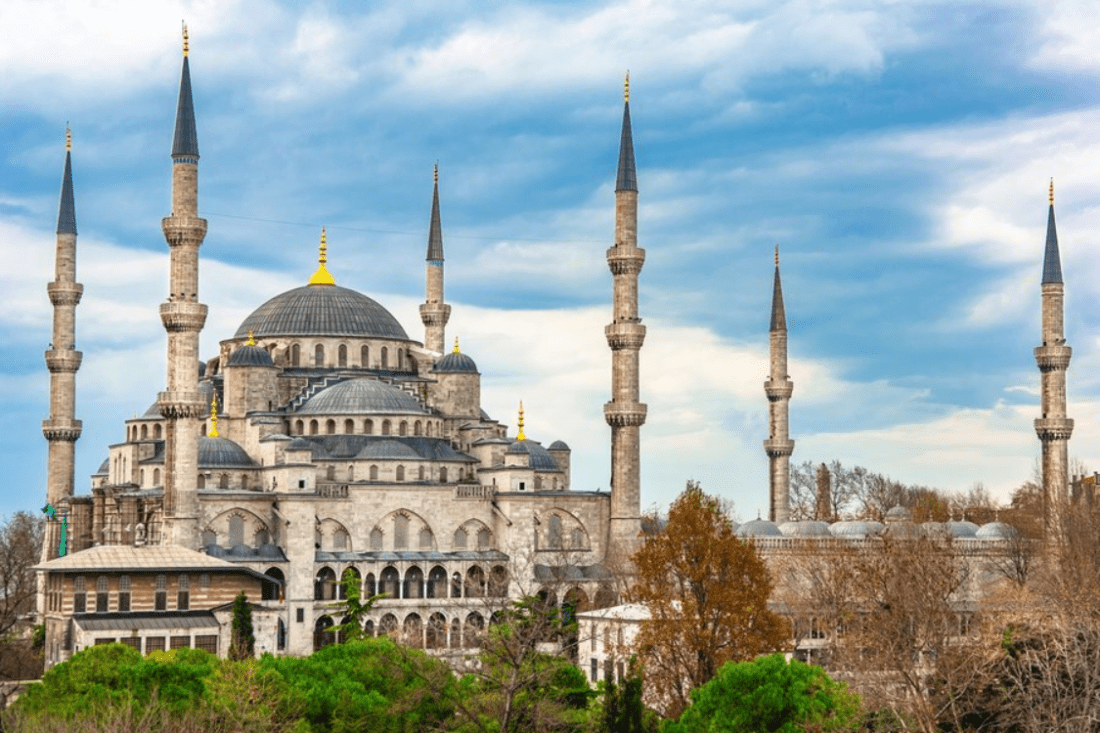
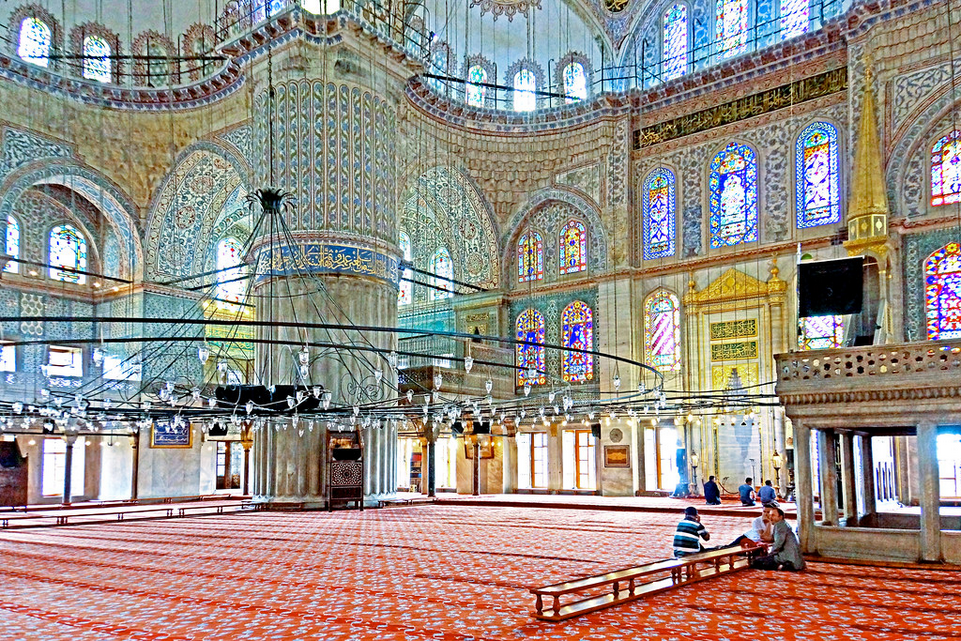
It was built in 1616 and gets its name from the blue tiles surrounding the walls on the interior. Unfortunately, the mosque is being renovated on the inside so we weren’t able to fully experience it. I’ve added a picture from Google of what it looked like before the renovations started.
This is what we got to see.
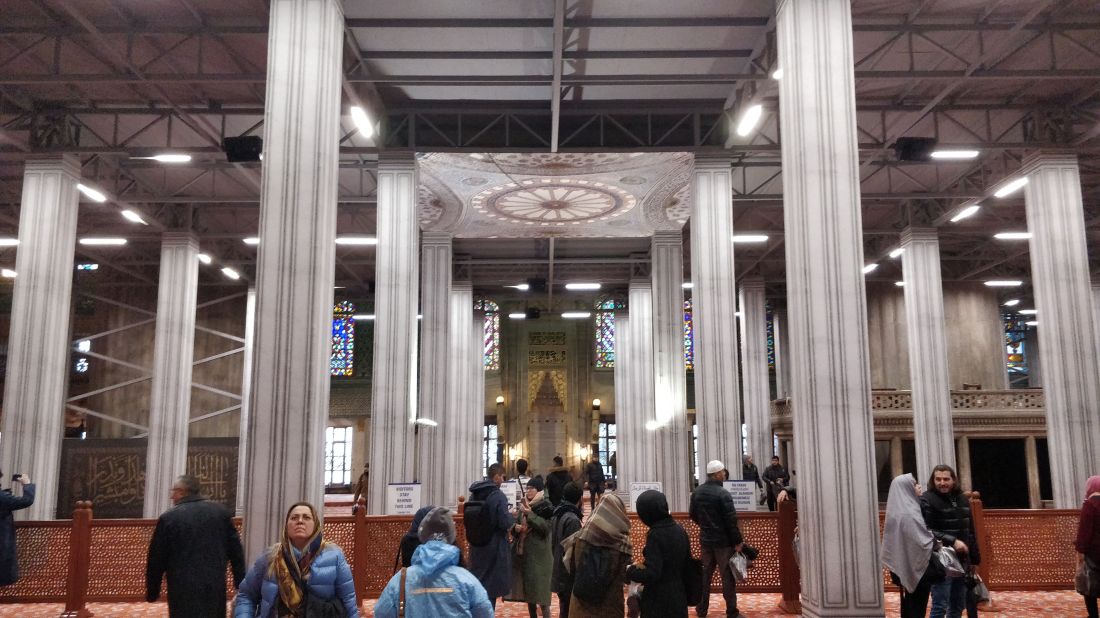
Although the main prayer hall is covered up the outside walls were still open.
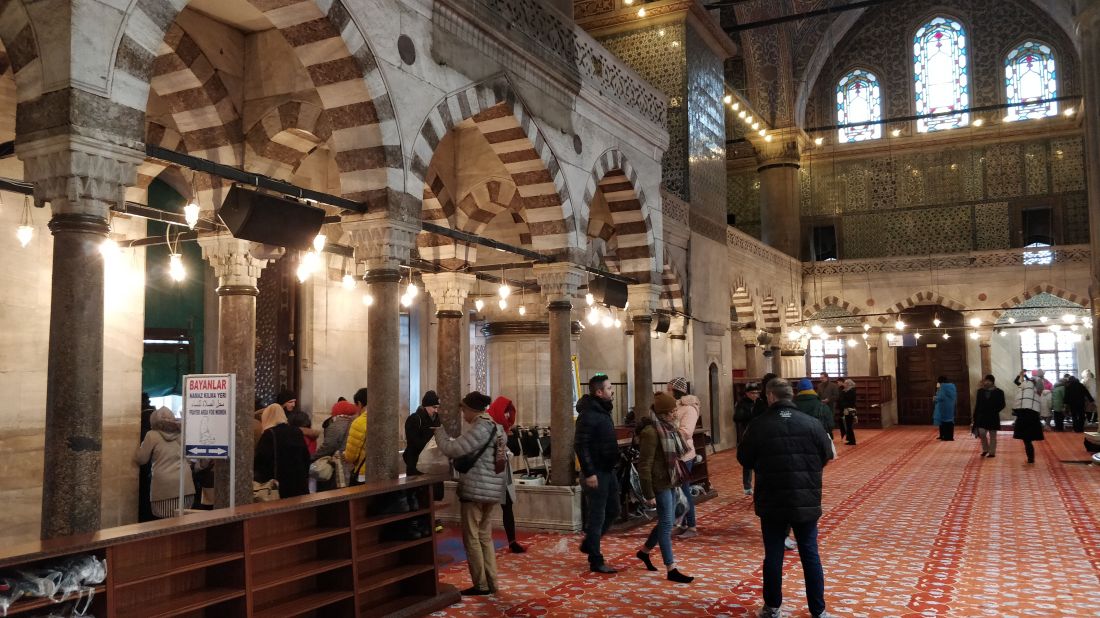
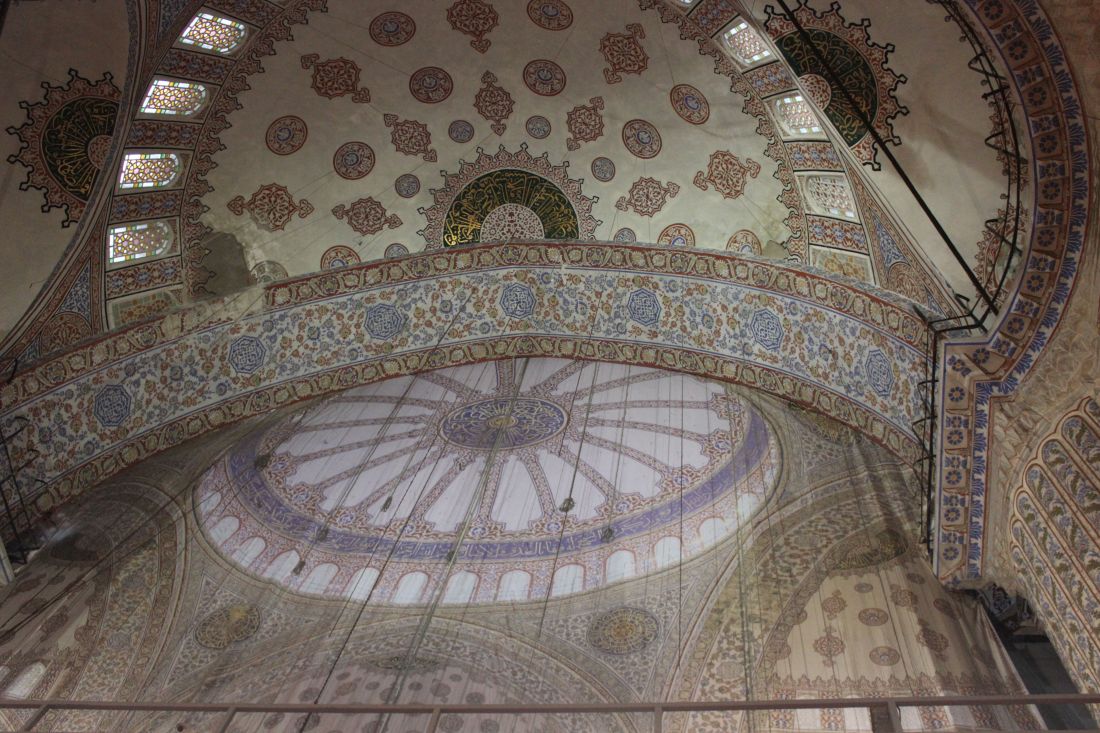
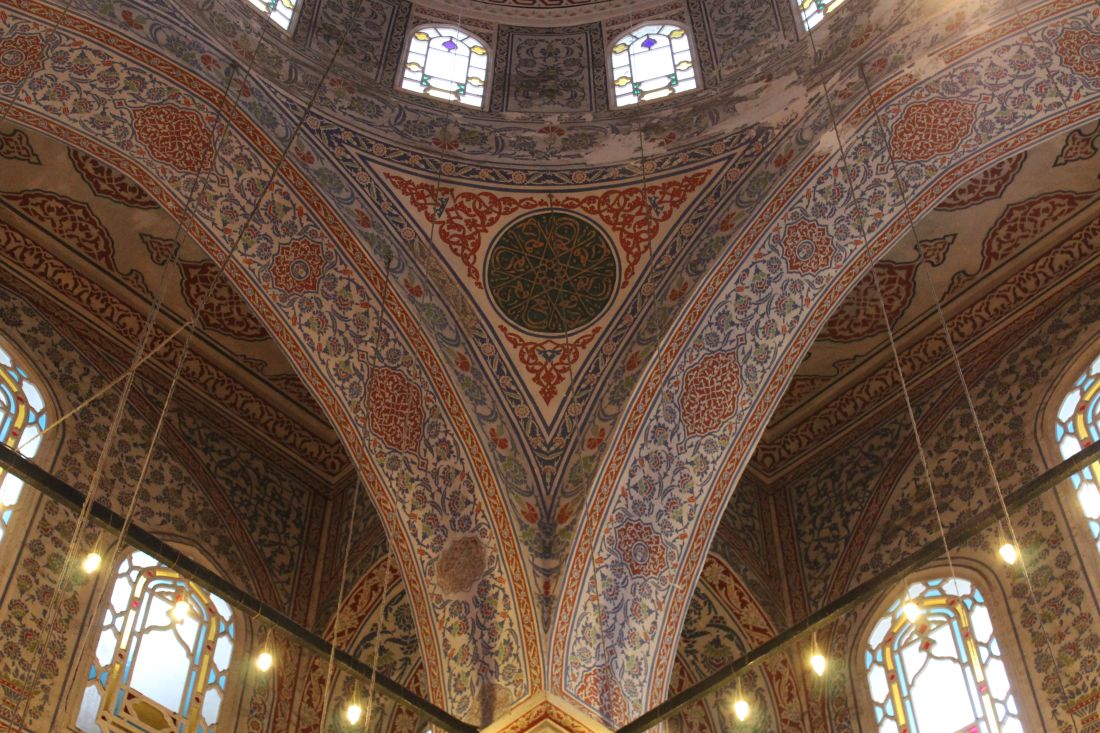
I didn’t find anything too interesting on the Blue Mosque. There doesn’t seem to be anything too stand out about it other than being over 400 years old and very beautiful on the inside. The founder has a tomb in the mosque but I’m not sure if you can visit it, as we didn’t see anything but we also didn’t spend any time wandering the outside gardens because of the rain.
So our first stop of the day was a bit of a bust but that’s how it goes with travel sometimes and it just gives us something to see when we come back to Istanbul (and yes I really want to come back and spend an entire week here).
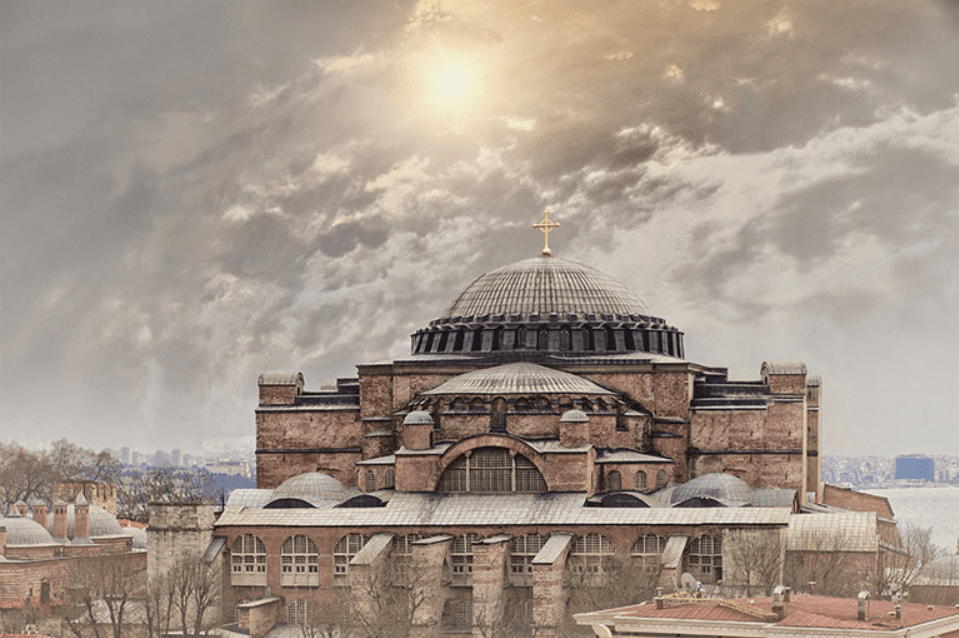
After we finished taking our pictures we got ourselves outside and braved the awful weather to get over to the Hagia Sophia. Again I’ll give you a Google photo of what the outside looks like and by the way there’s a lot of debate on how to properly pronounce the name, given the English spelling most people would say it the way it’s spelled.
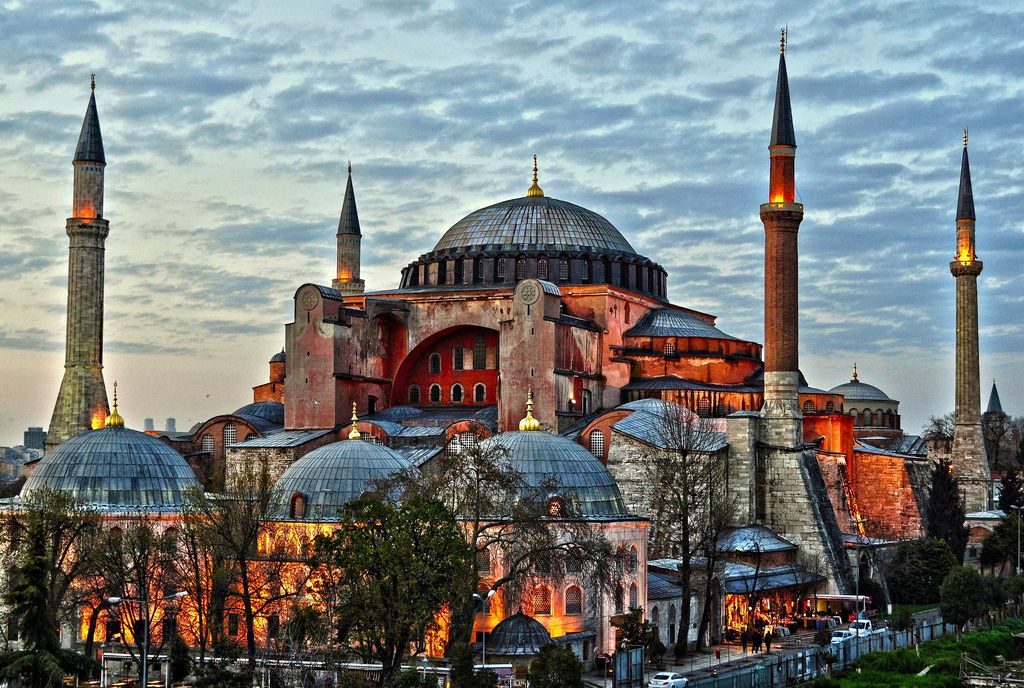
The name goes back almost 1500 years ago when in 537 the church was finished. At this time Istanbul was known as Constantinople and the centre of the Eastern Roman Empire and although Latin was the official language the upper class primarily spoke Greek. The modern Greek spelling of the church is phonetically spelled Ayia Sofia but it at that time the Greek language was transforming from its ancient version to the modern version and in Turkey it’s pronounced Aya Sofia. So you can call it the Ayia Sophia or the Aya Sophia but don’t call it the Hagia Sophia.
When the Ottomans conquered Constantinople the church was converted into a mosque and modified to become what we have now. Below is an artist’s rendition of what the original probably looked like.
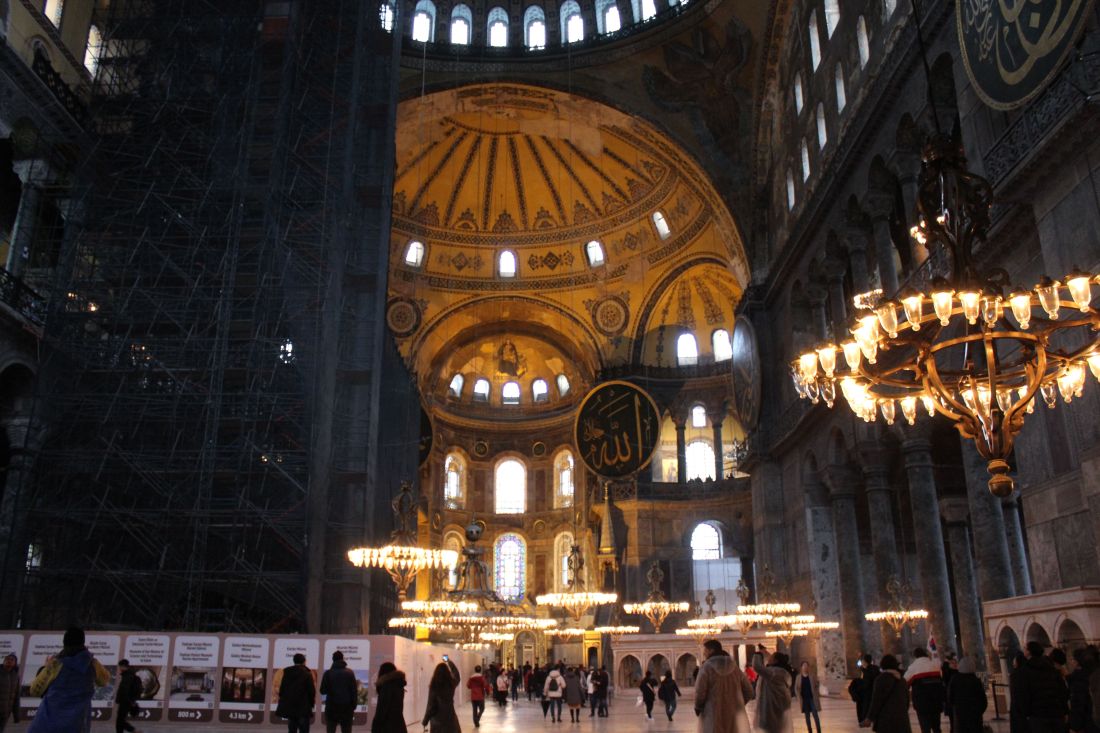
The Hagia Sophia today is no longer a functioning mosque and was converted into a museum back in 1935 so you don’t have to worry about prayer times but you do have to pay a small entrance fee of about $8 CAD per person.
Entering the main hall you’re immediately blown away by the size. They were also doing reconstruction here and part of the side was blocked off so I imagine it’s even more stunning. Oh and don’t forget that this main hall was built 1500 years ago, now that’s impressive.
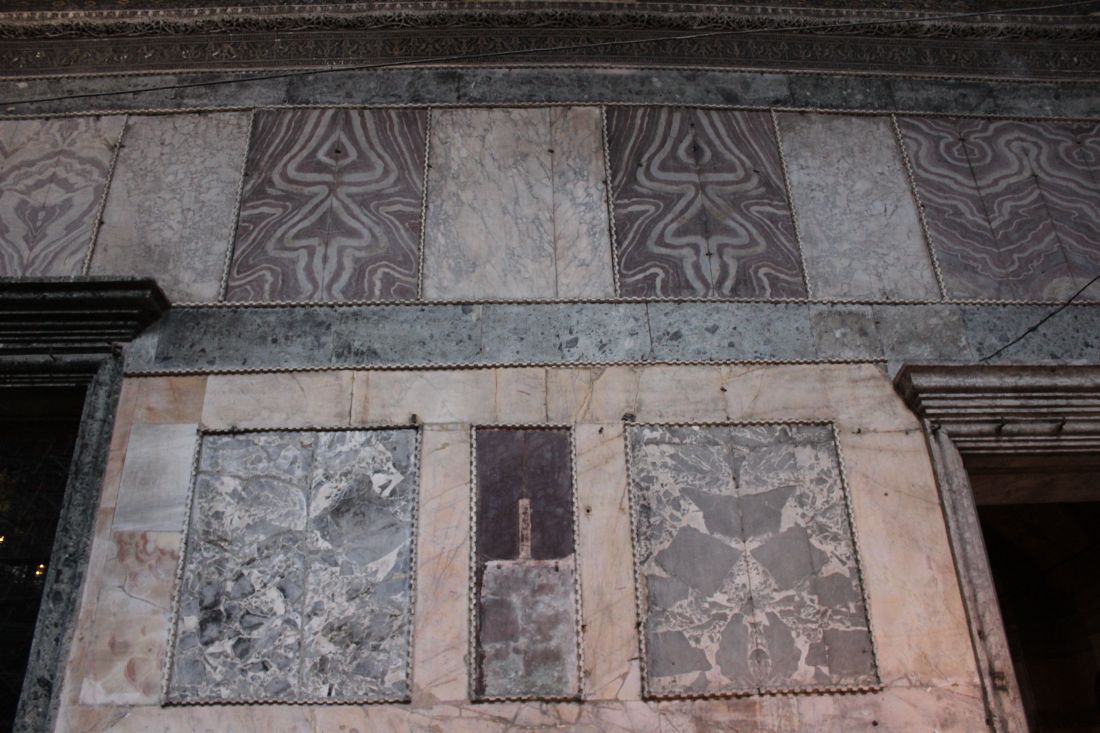
Candice was really impressed with the cut marble facades decorating many of the walls.
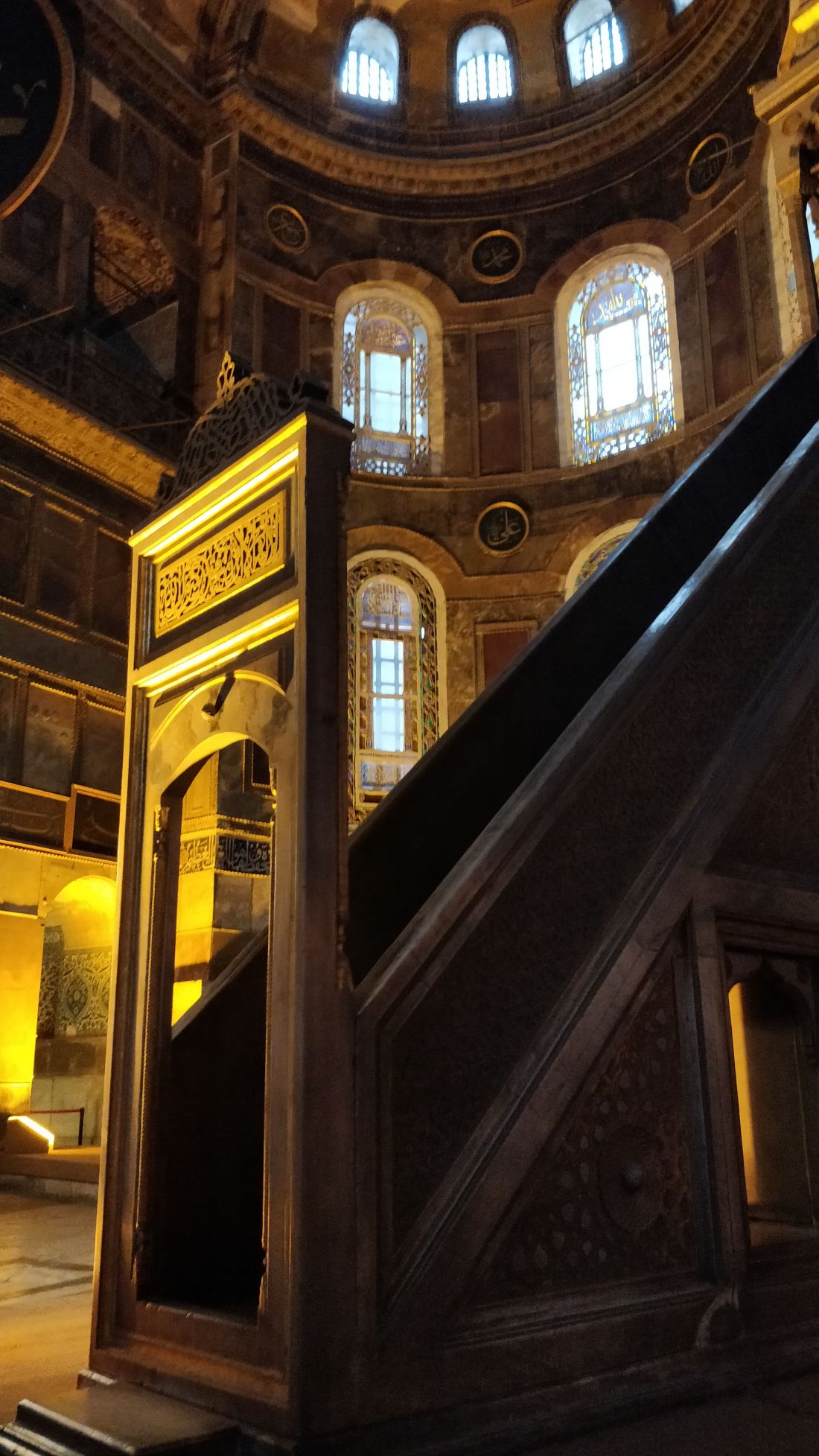
Here are a couple pictures from the upper level.
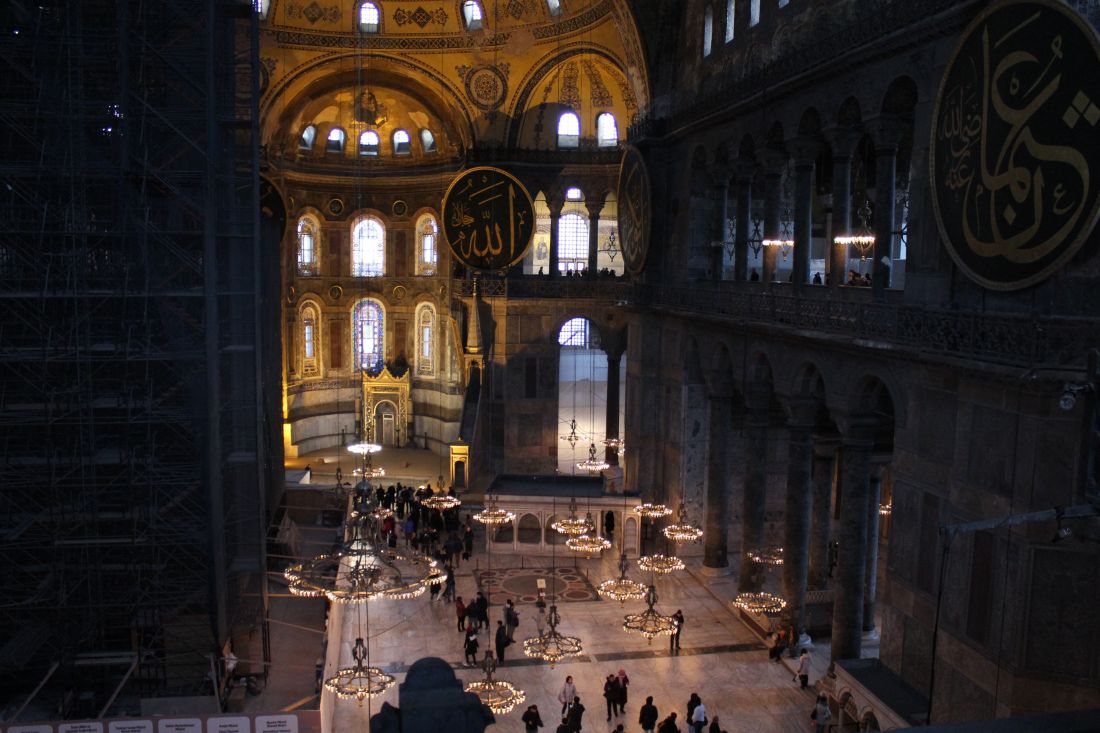
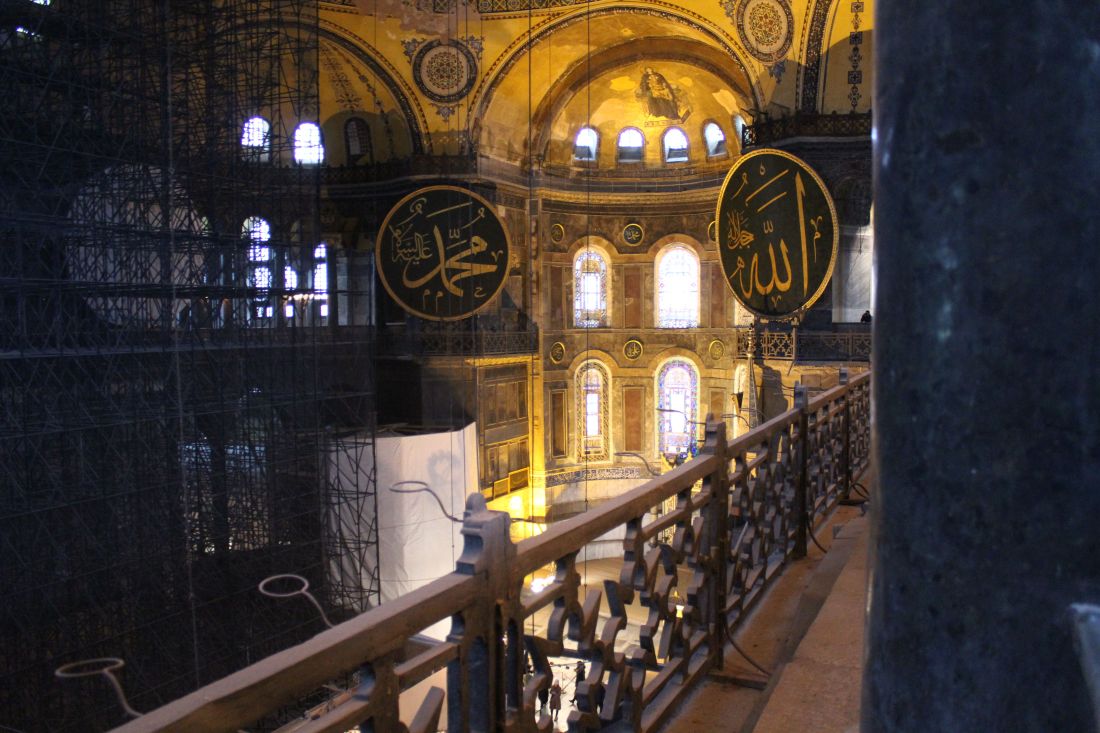
The Eastern Romans followed the Christian Orthodox church so this mural is depicting the Emperor and his wife giving gifts to the Virgin Mary who is holding baby Jesus. Fun fact: the circles around the heads represent Halos.
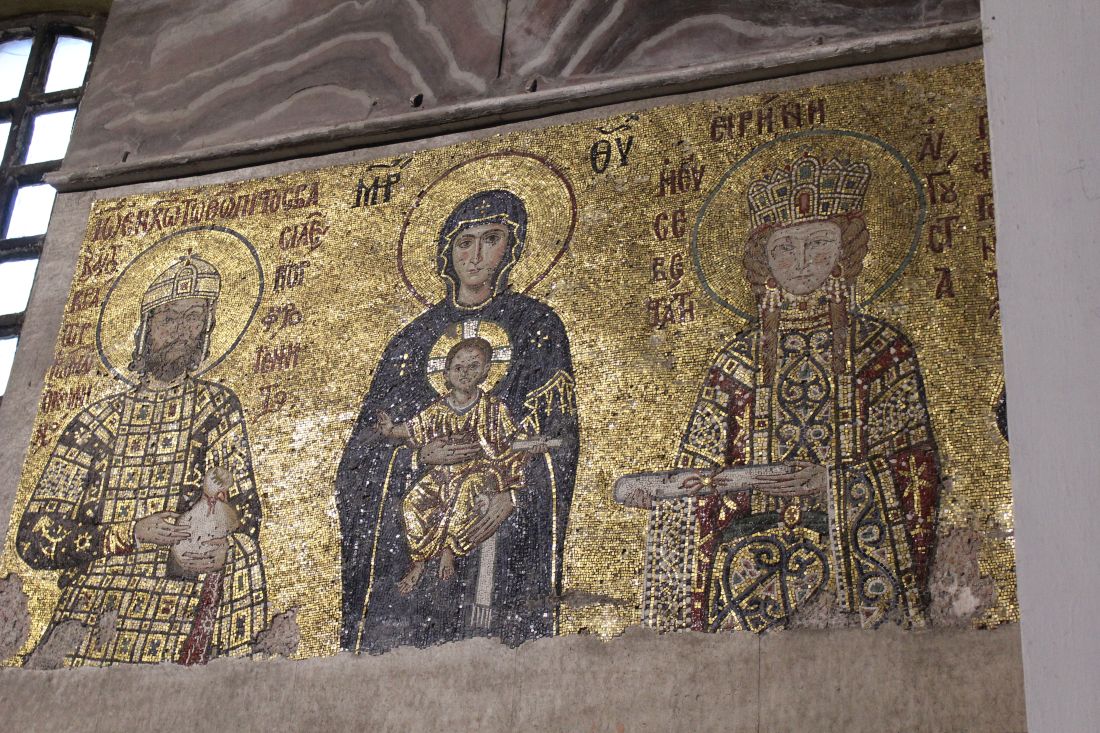
A very interesting fact I found is the reason so many Christian Mosaics in the Hagia Sophia still exist is because the Ottoman empire believed in allowing religious diversity. Yes Islam was the primary state religion but they did not want to actively persecute and remove other religions – at first. By the 1700s the Russian and Austrian armies were driving the Ottomans back out of Europe so the Ottomans decided to double down on Islam in an attempt to flame fanaticism against Christianity so they could recruit more fanatical soldiers to bolster their army (it didn’t work).
This had the result of increasing hatred towards other religions, especially Christianity who was now seen as the main enemy of the empire, and many Christian churches were plastered over and white washed to fully convert them into mosques. The Hagia Sophia was spared because the war was draining the empire coffers and they didn’t have the money or resources to remove the massive mosaics.
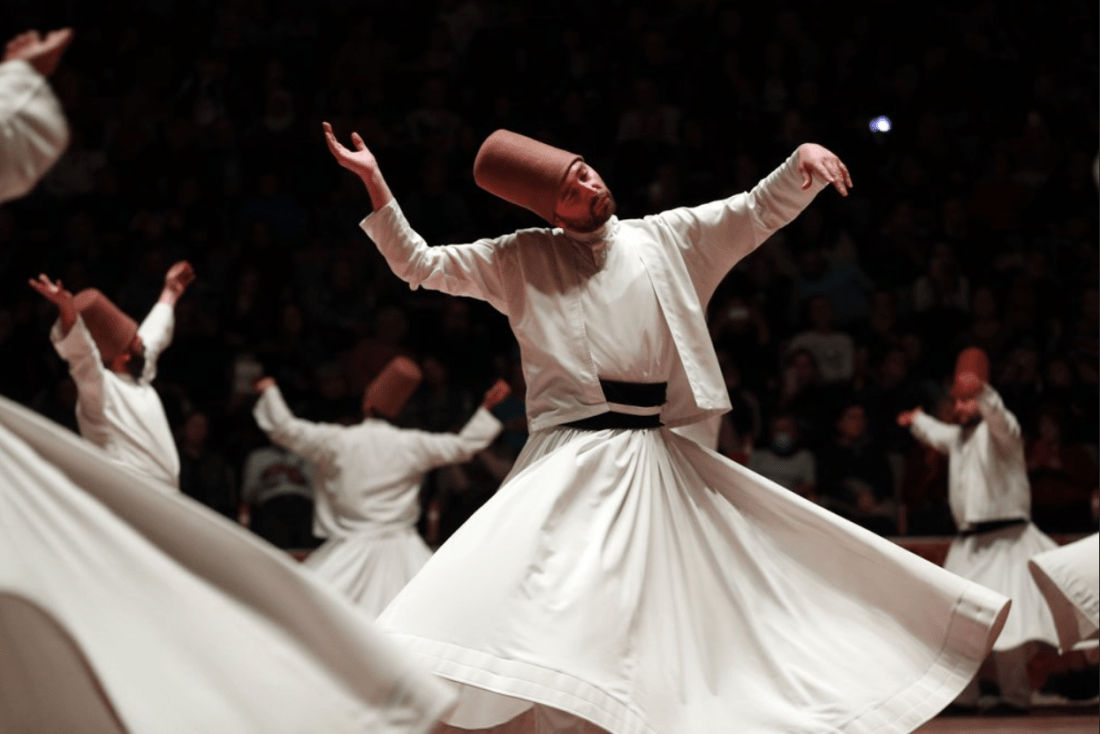
To finish up our tour of Istanbul we purchased some tickets to a religious ceremony, called the Whirling Dervishes. I don’t fully understand the ritual but it is a meditation practice where the believer attempts to reach an ecstatic trance to reach the source of all perfection.
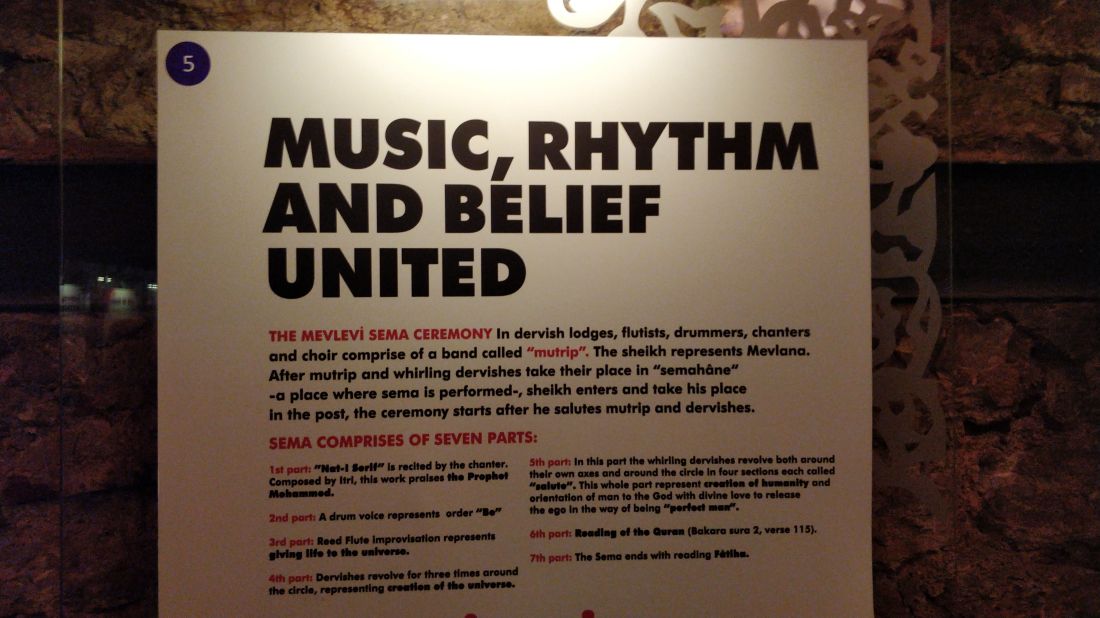
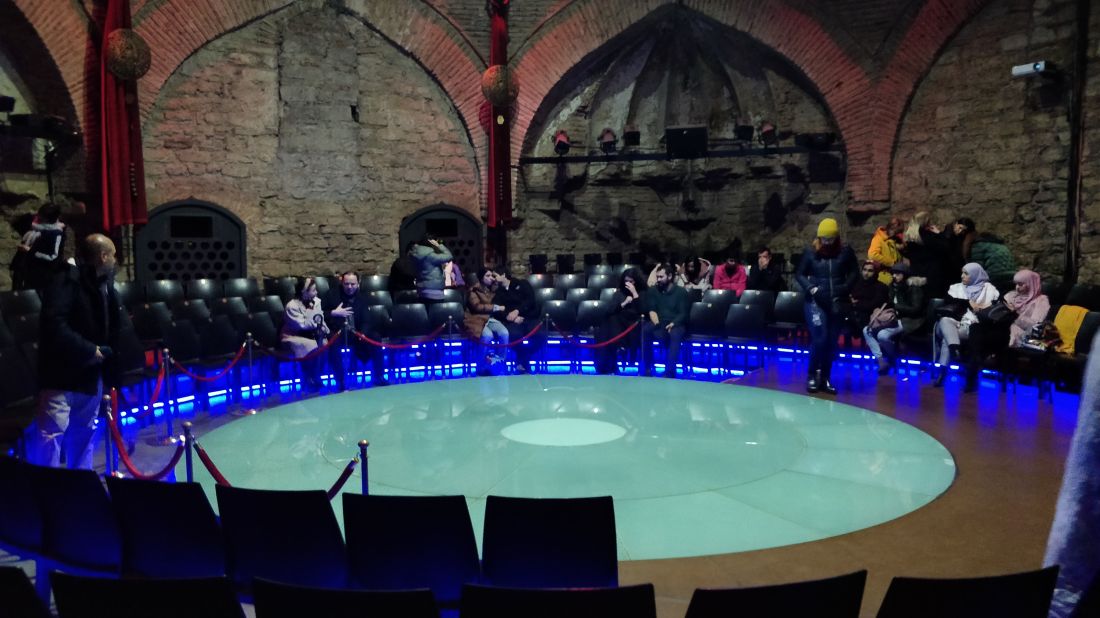
Because this is a religious performance that you are allowed to watch all photography is strictly forbidden without special permission and so this is the only photo I have of inside the performance area.
I found this picture on the internet to give you an idea of the performance. For close to an hour, the Dervishes spin (or whirl) almost none stop while hypnotic, trance like, music plays from a live band in the corner. Candice described the event as, unique, and she would recommend people to see it but I’ll be honest that by the halfway point we were both starting to enter our own trance and I may have half dozed off a couple of times. But seriously it was a really neat cultural experience.
This wrapped up our time in Istanbul and I’ve only covered half our trip so far but since this post is getting lengthy I am going to cut this into 2 parts. Up to this point we had been having a fantastic time in Turkey and I hope you’ve been having fun following along.
 A Romping European Time
One thought on “A Turkish Delight-Ful Trip – Part 1”