After wrapping up 6 weeks in Turkey, we had made it to the end of January and were waiting in Marmaris for our ferry ride over to the island of Rhodes.
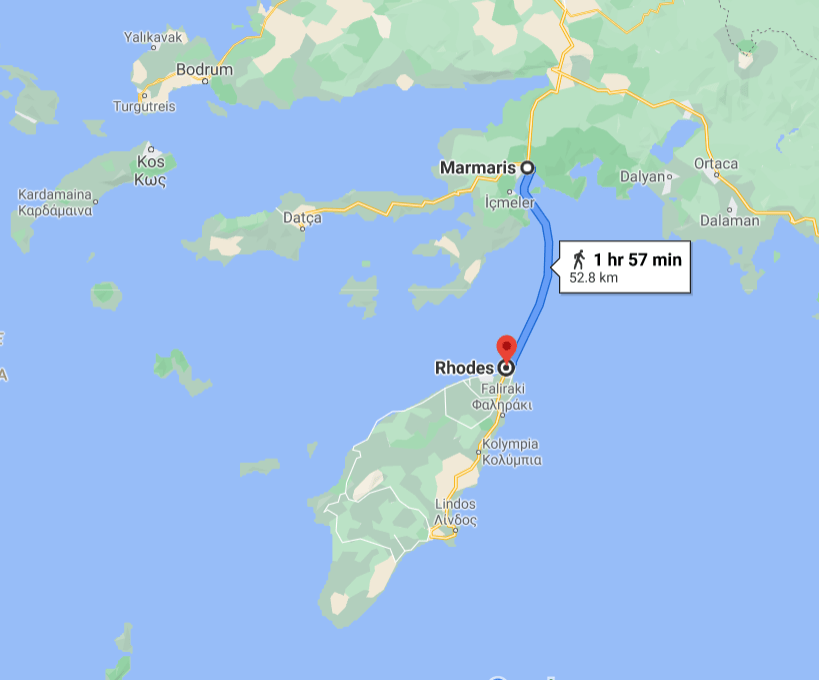
Rhodes is the 4th largest island in Greece and is also the name of the largest city on the island. Situated on the northern tip of the island the city of Rhodes (or Rhodos in Greek) is less then a 2 hour ferry ride from Turkey.
In Ancient Greek times this island was the center of the Greek and Persian wars, the Roman invasion of the eastern Mediterranean, and even multiple Arab conquests in the 7th and 8th centuries AD. The strong fortifications of the city helped the island maintain until finally in 1522, 100,000 Ottoman soldiers layed siege to 7000 Knights Hospitaller for over 6 months. The knights fought valiantly but eventually the city fell ending over a 1000 years of independence.
In 1912 Italy went to war with the Ottomans and captured the island and other surrounding Dodecanese islands until 39 years later when Italy and Germany were defeated by the allies in WWII. The British were assigned control over the islands and they were finally returned to Greece.
Rhodes may also sound familiar if you’ve ever heard of the Colossus of Rhodes, one of the 7 ancient wonders of the World. Completed in 280 BCE, medieval scholars believed this 15 meter (49 foot) statue was erected at the entrance to the main port where ships would travel between its legs. Modern historians, however, know that is a myth but they don’t know exactly where the statue stood.
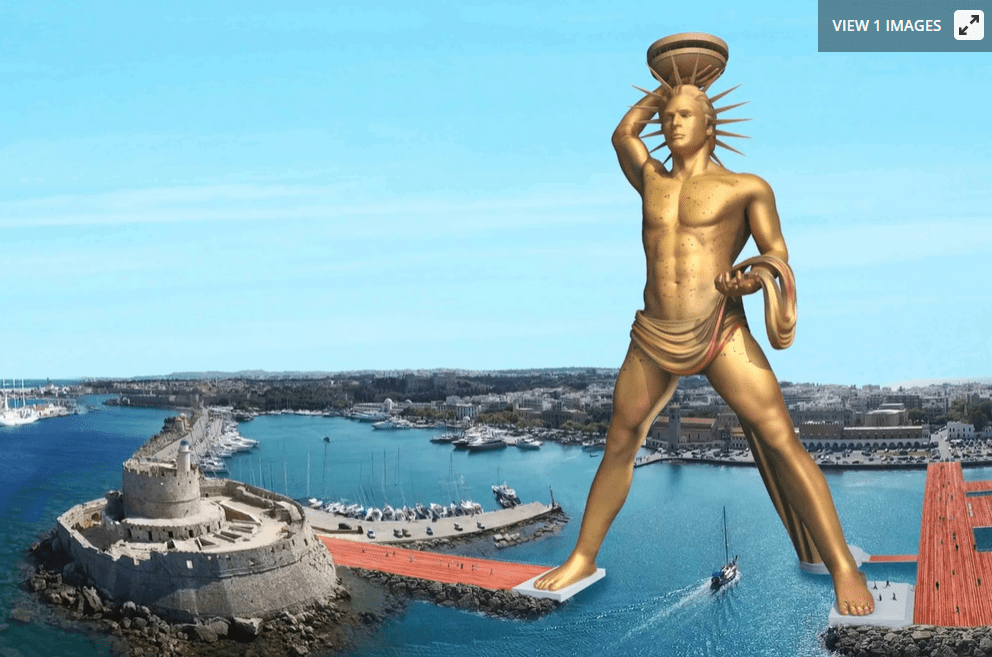
Regardless where its true location was, the statue only stood for 54 years until a major earthquake hit the island and toppling it.
Exploring The Old City
Today the old city walls with its dry moat are fully intact and make for a nice walk around the city. Nice is actually an understatement, it was a really impressive walk around the fortified city.
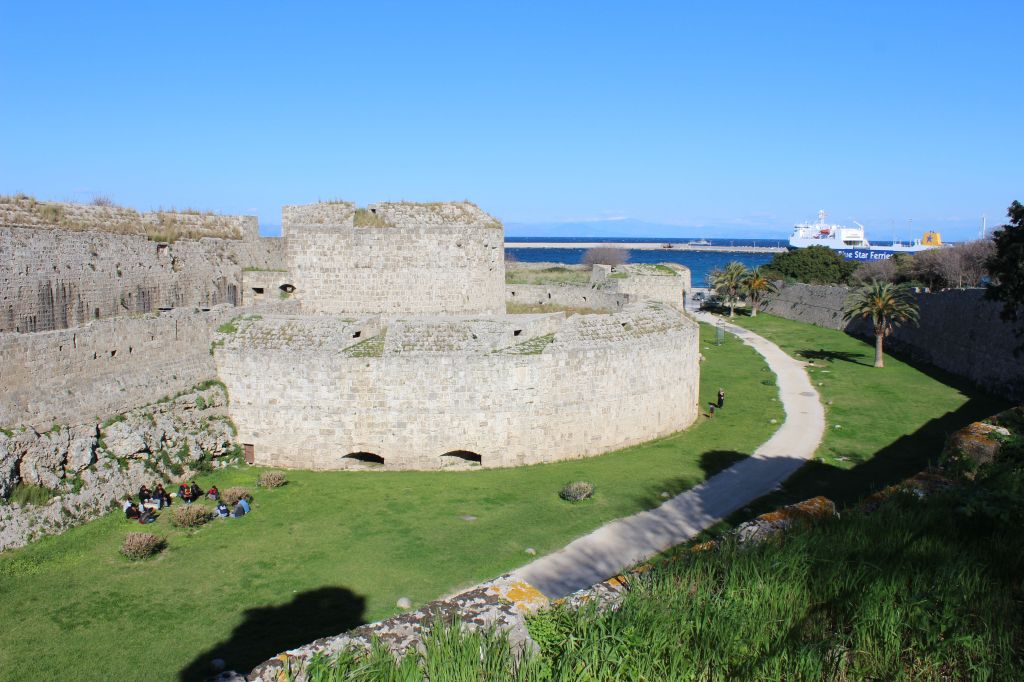
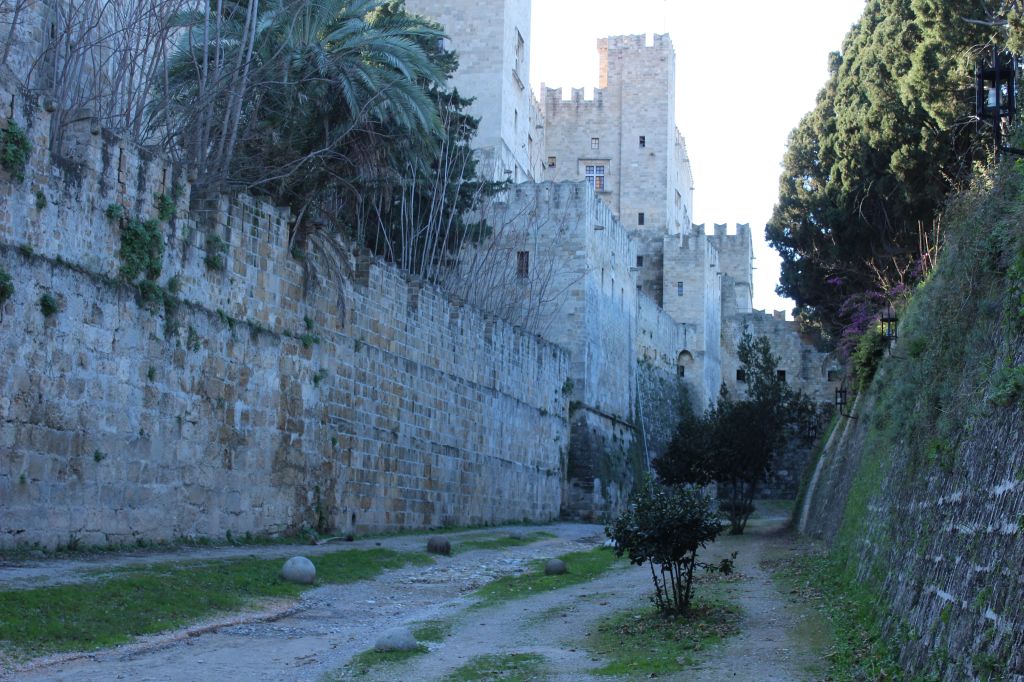
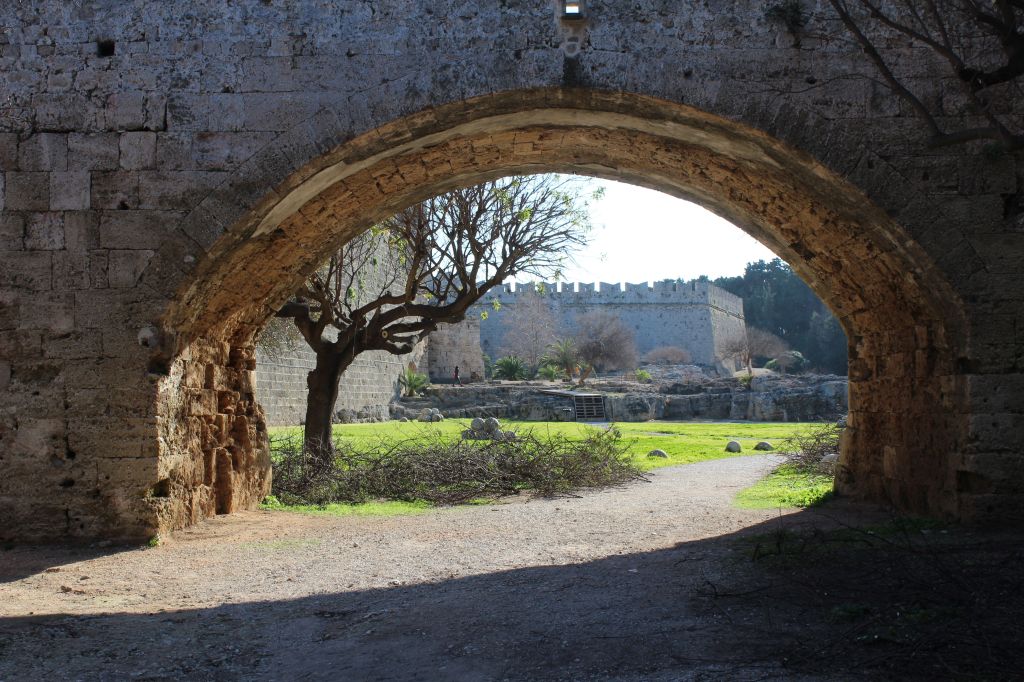
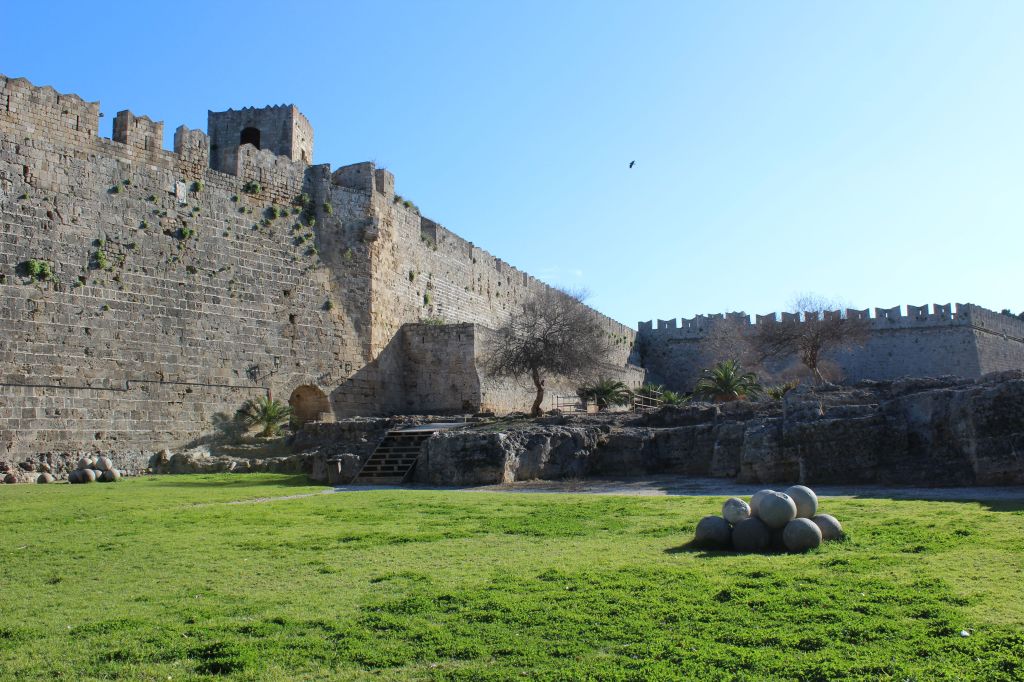
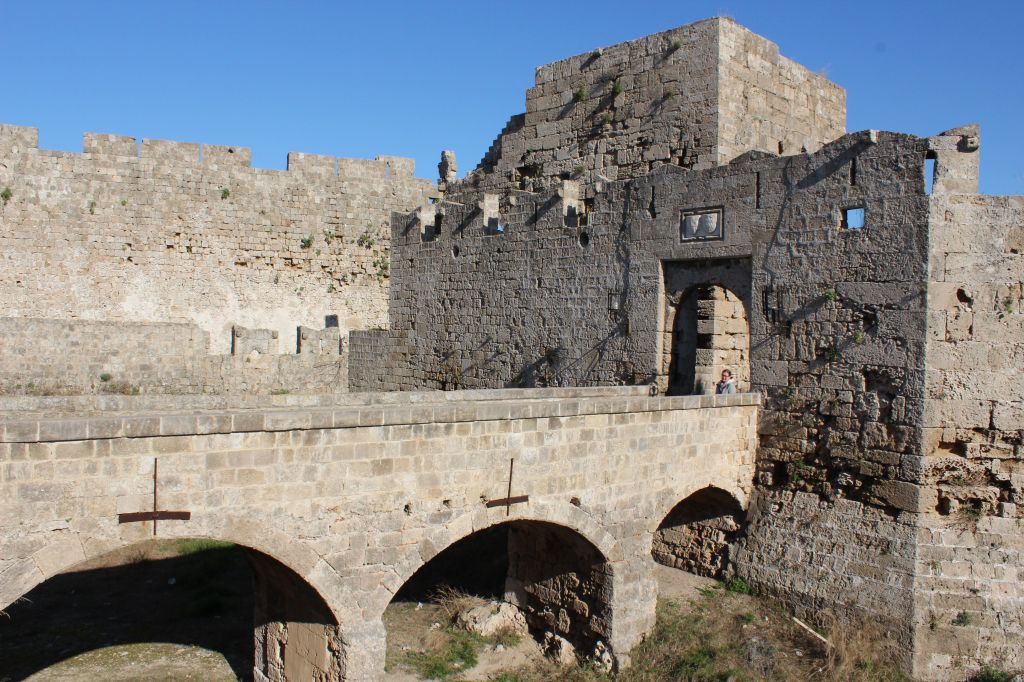
There are only a few entrances into the old city but whatever one you choose will impress as you pass through the walls.
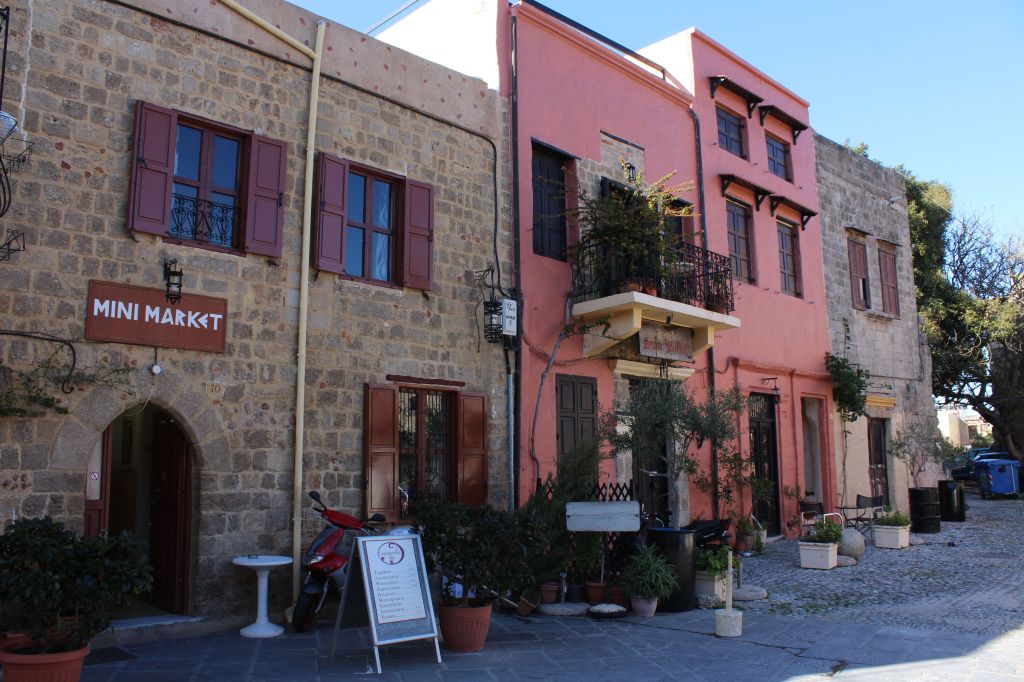
Wandering the streets it was eerily quiet. Late January is the middle of the off season and apparently not much happens in the old city during this time. There was the occasional person walking along but every restaurant and shop was shut up tight for the winter. The good part was that it made it easy to take photos.

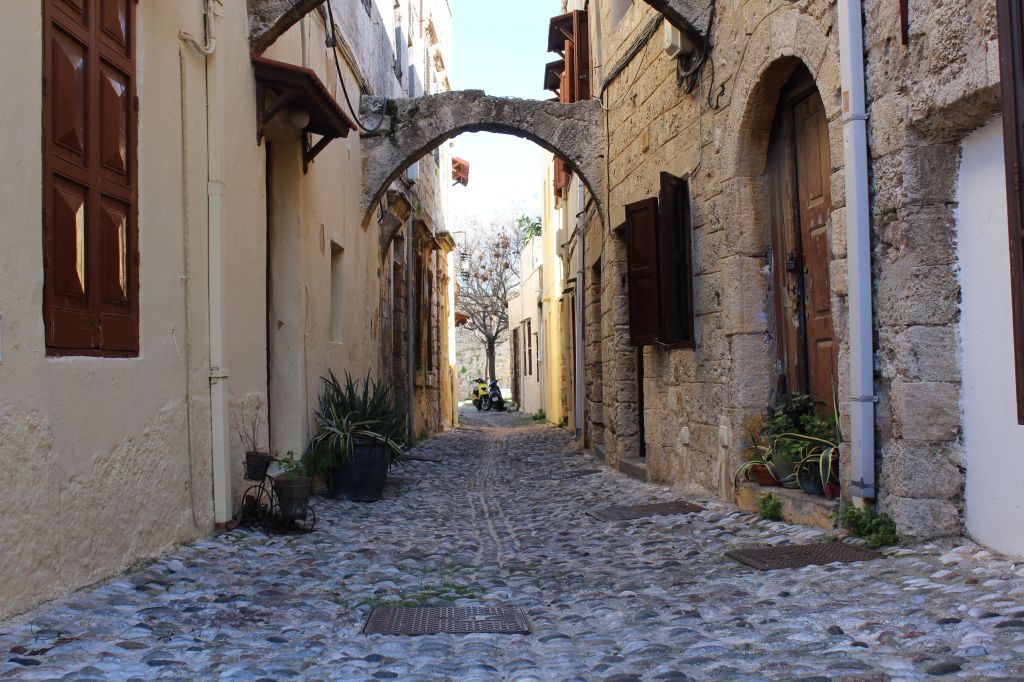
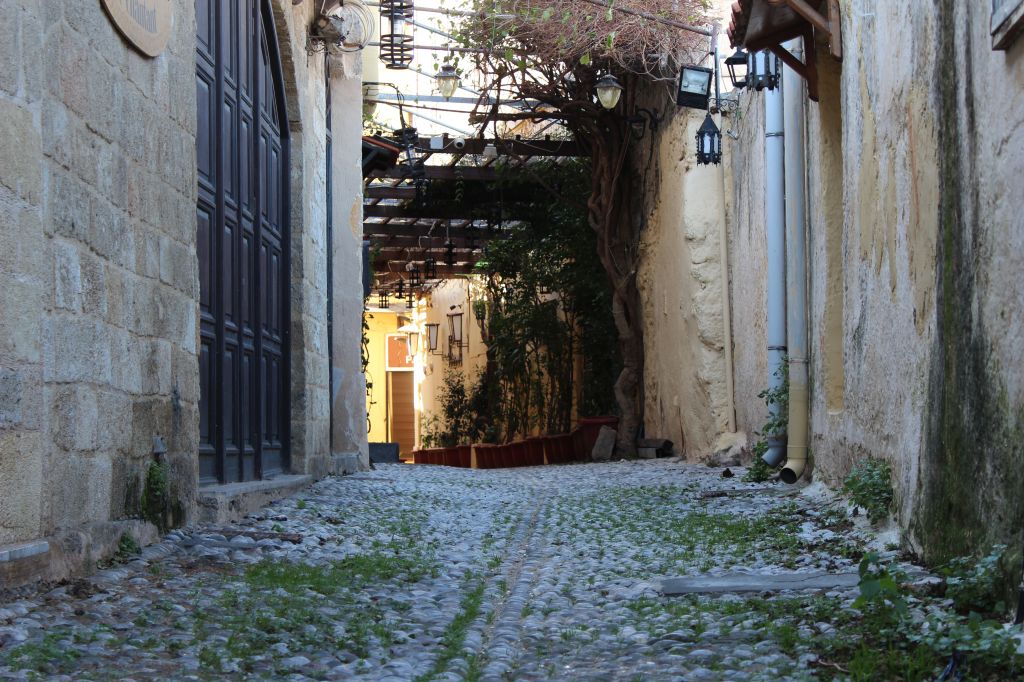
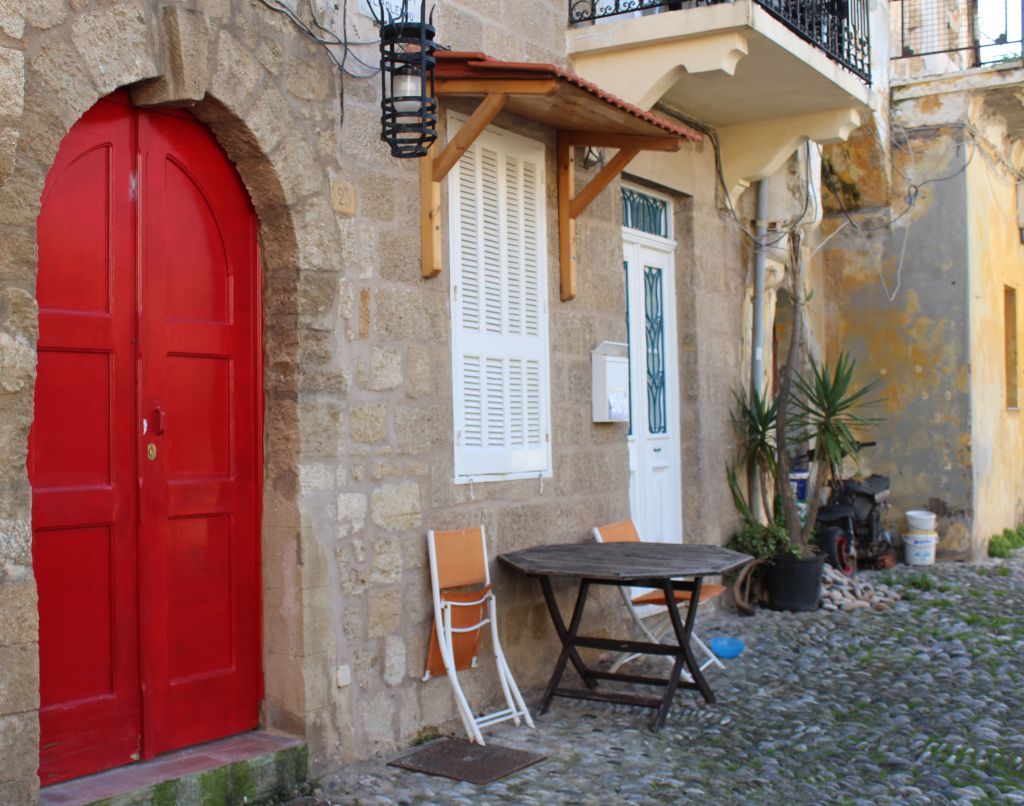
After wandering through the city we made it to the main port with beautiful views of the Aegean sea. The hills visible in the background are on mainland Turkey giving you an idea of just how close this Greek island is to its neighbour.
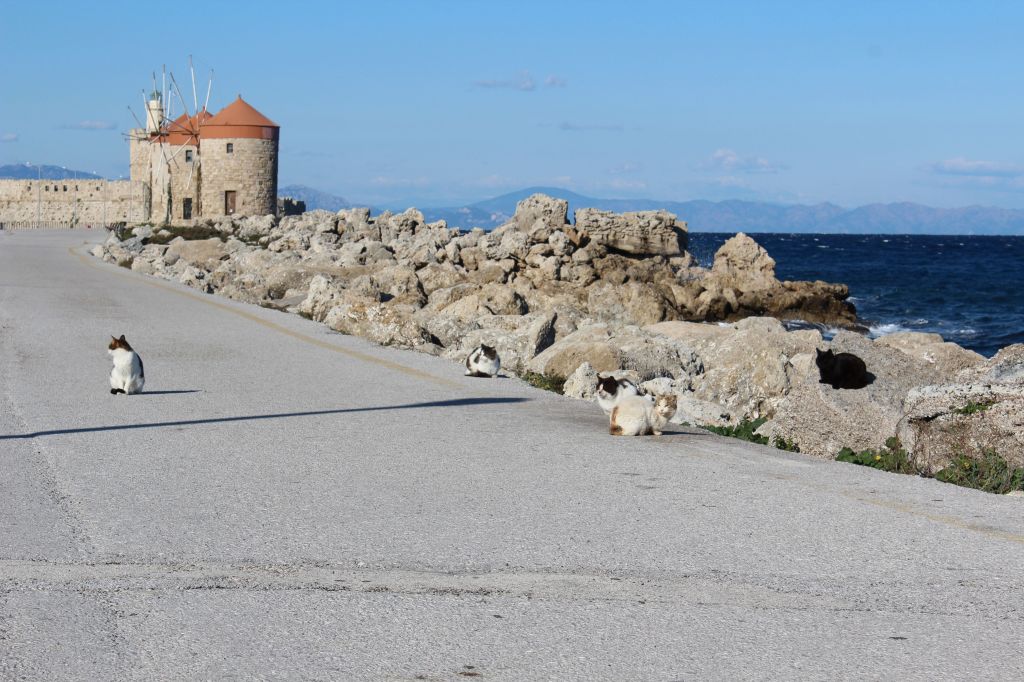
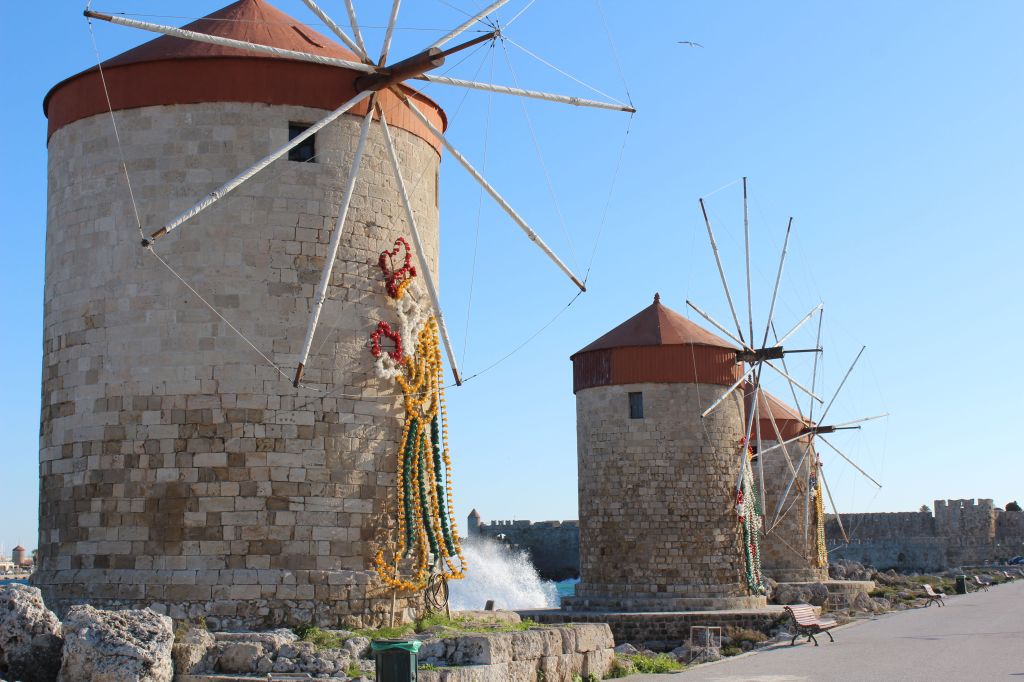
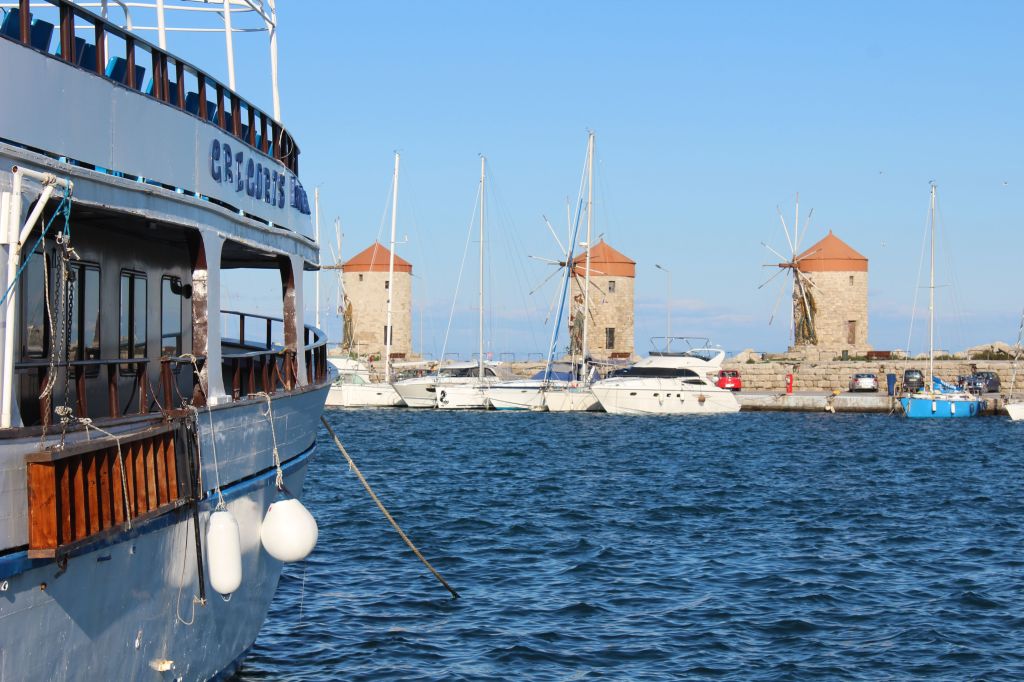
Greek windmills used to be a common site all over the island but almost all of them have gone out of use and have either been torn down or converted into houses / shops. These appear to have been neither torn down nor converted into souvenir shops.
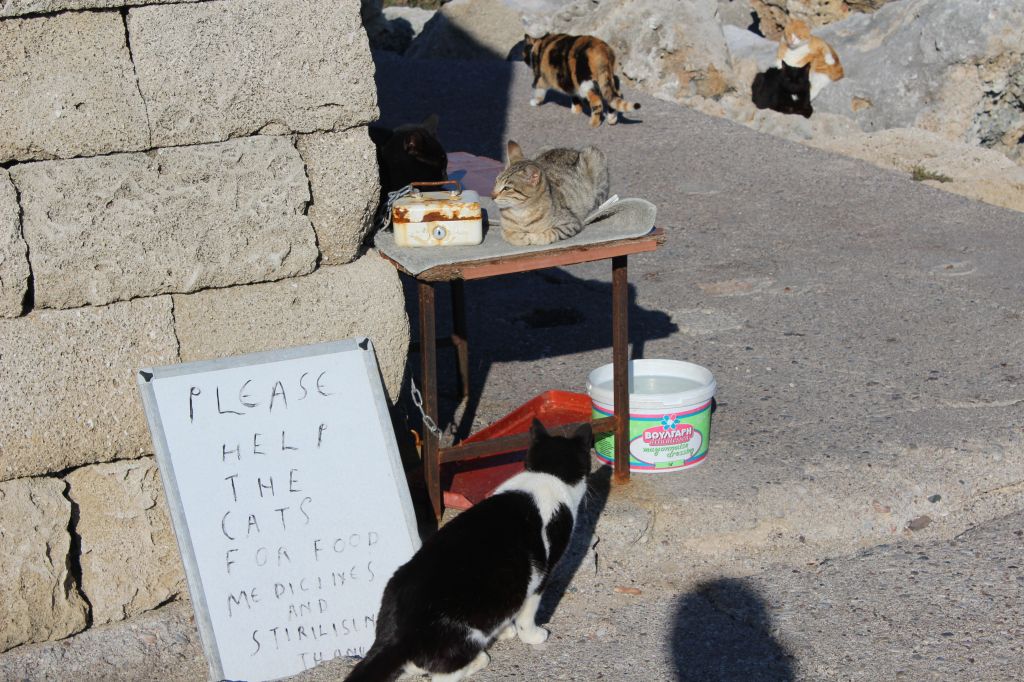
It didn’t take us long to realize the cats ruled this island. They even got those gullible humans to set up a donation box so they could be comfortably fed and kept healthy.
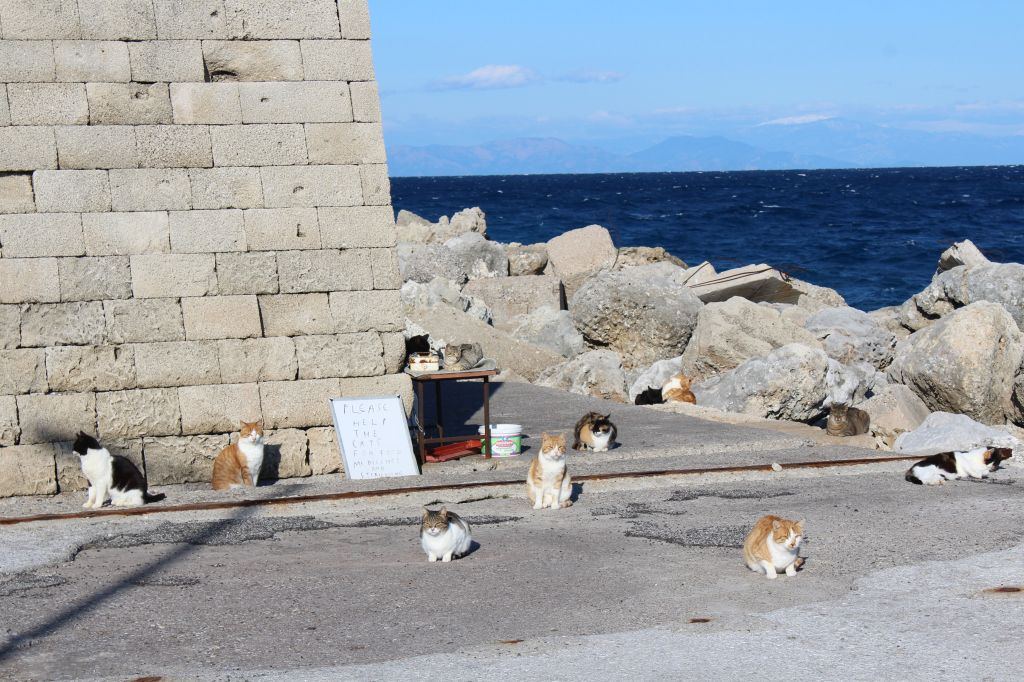
I mean how could we not put 5€ in the box for these cuties.
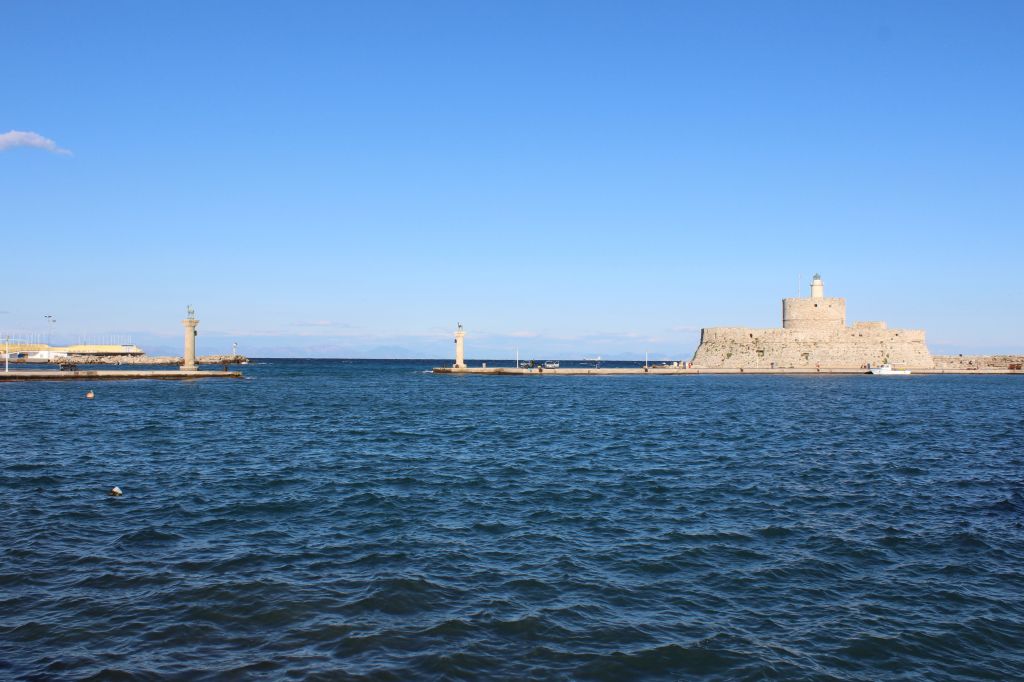
If you believe the Medieval scholars then the location below is where the Colossus of Rhodes would have stood. If it was true it would have made an amazing site for visitors to the city. Fun fact, a European group of architects, engineers, and archeologists want to rebuild the statue in an effort to increase tourism to the island and Greece in general. It’s estimated to cost 283 million Euros and so far they haven’t been able to raise the funds but I’ll hope for the day there is a real life Colossus to see with my own eyes.
Exploring the Island
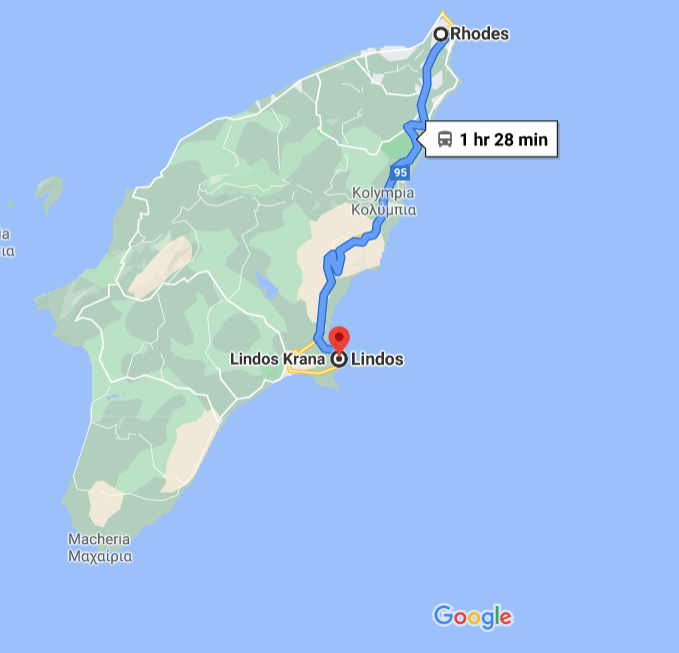
A 90 minute bus ride south of the city of Rhodes takes you to the cute town of Lindos. Even in the low season you can still find a public bus with a few trips per day. Since we were planning on just a day visit we snagged the first bus at 9 am to maximize our time.
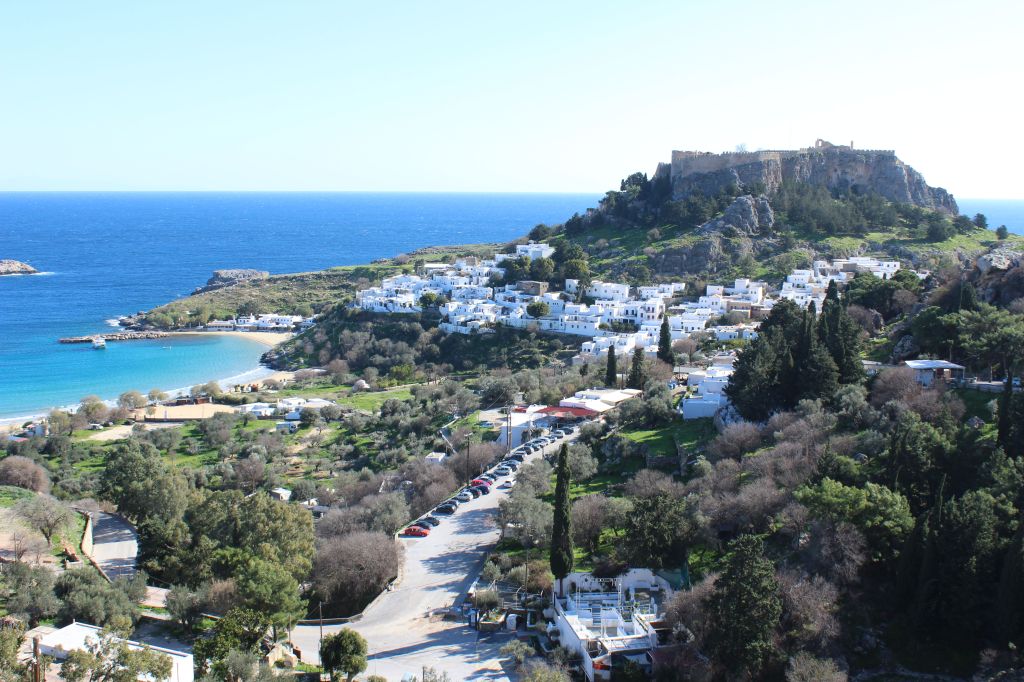
This old medieval town wasn’t built with cars in mind so the bus dropped us off at the highway a short walk from the town entrance. Look closely and you’ll notice a row of cars parked outside the town, this is because the streets are so narrow not even tiny cars can drive around. Further off in the background towers the city’s acropolis, a fortified citadel used in Ancient Greek times to defend the city.
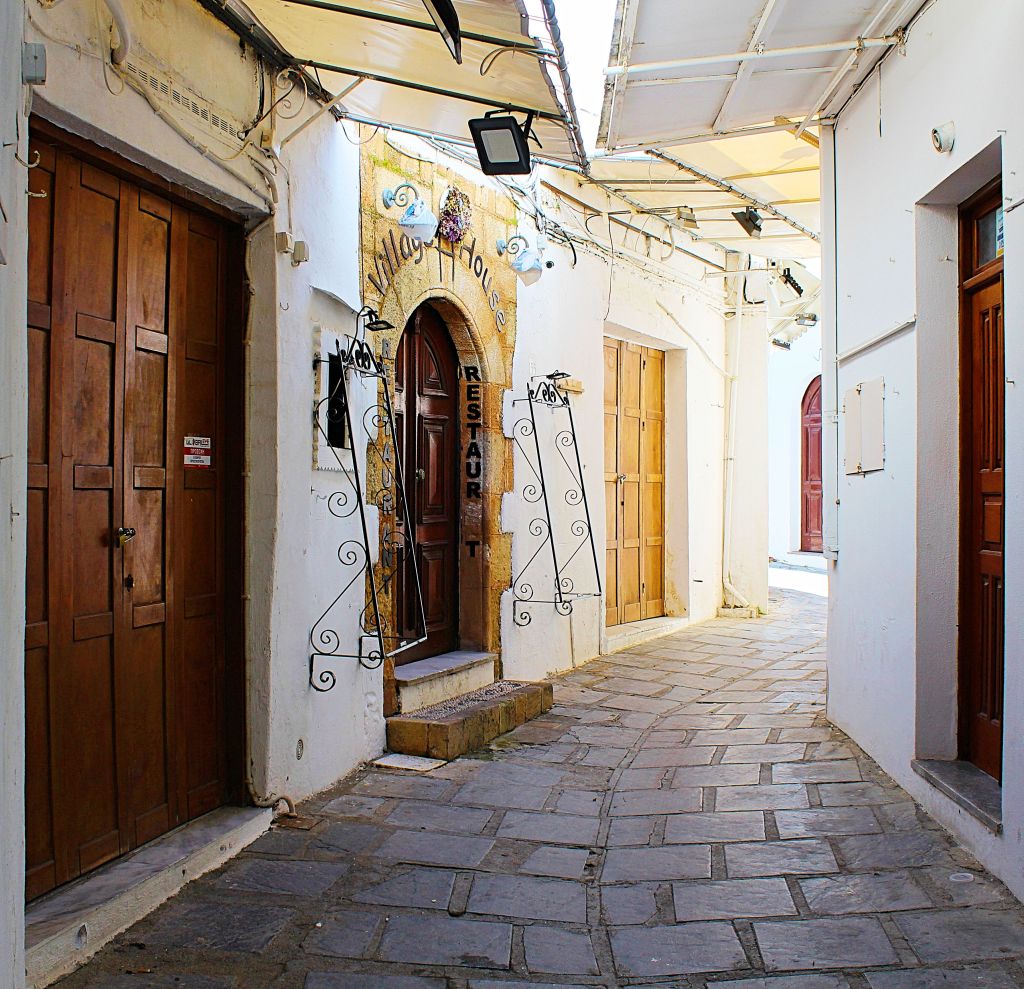
Although almost everything was closed for the season it made for an enjoyable time wandering the silent streets all alone. This was to be a common theme during our time in Greece.
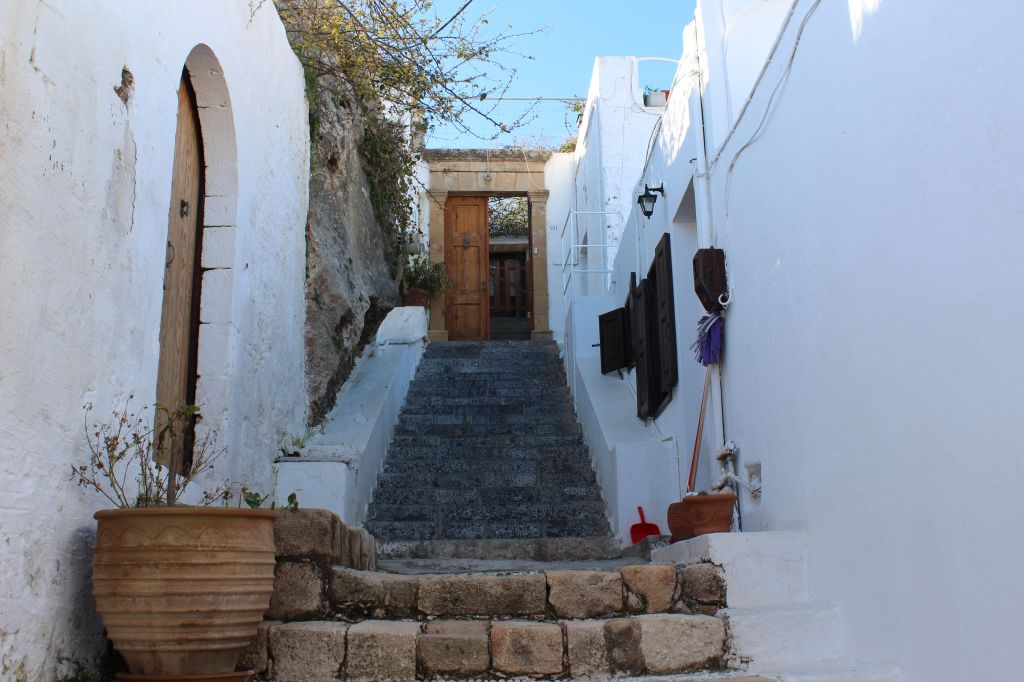
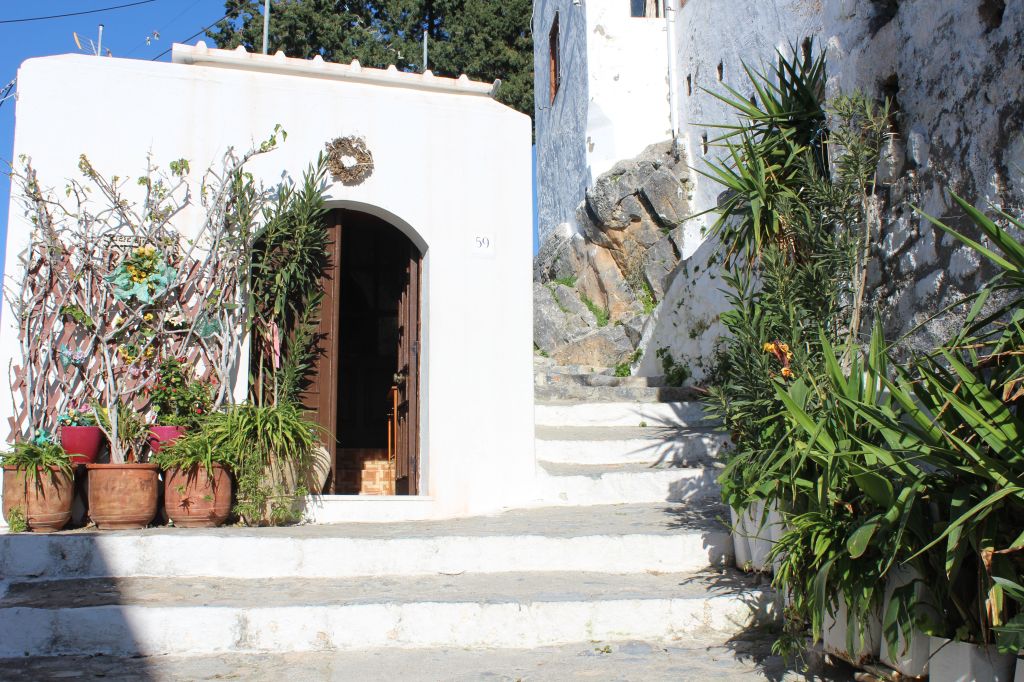
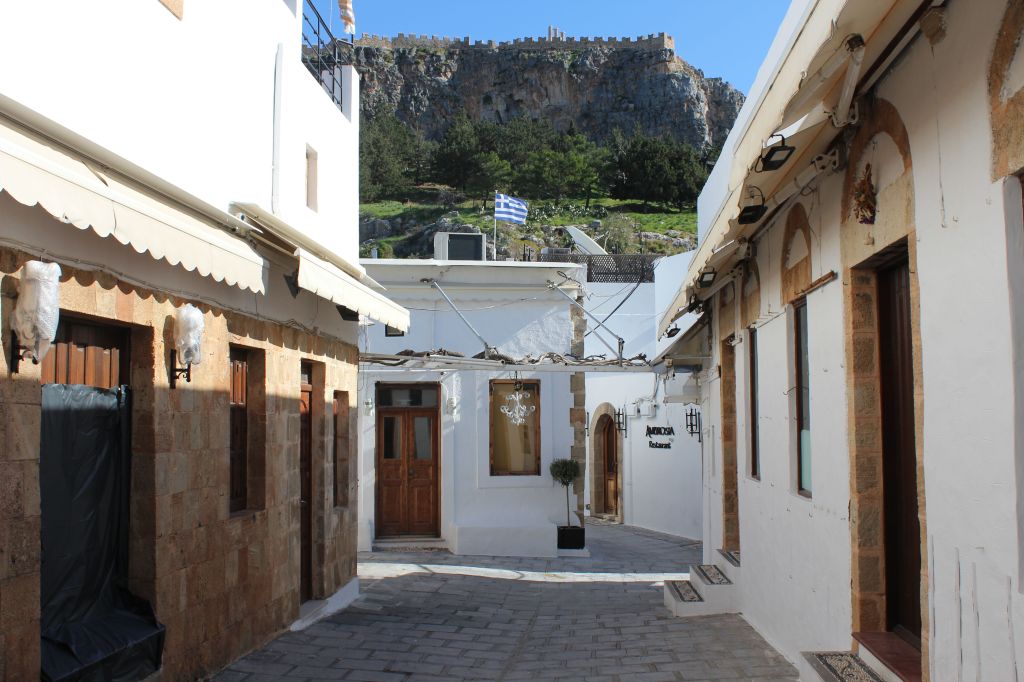
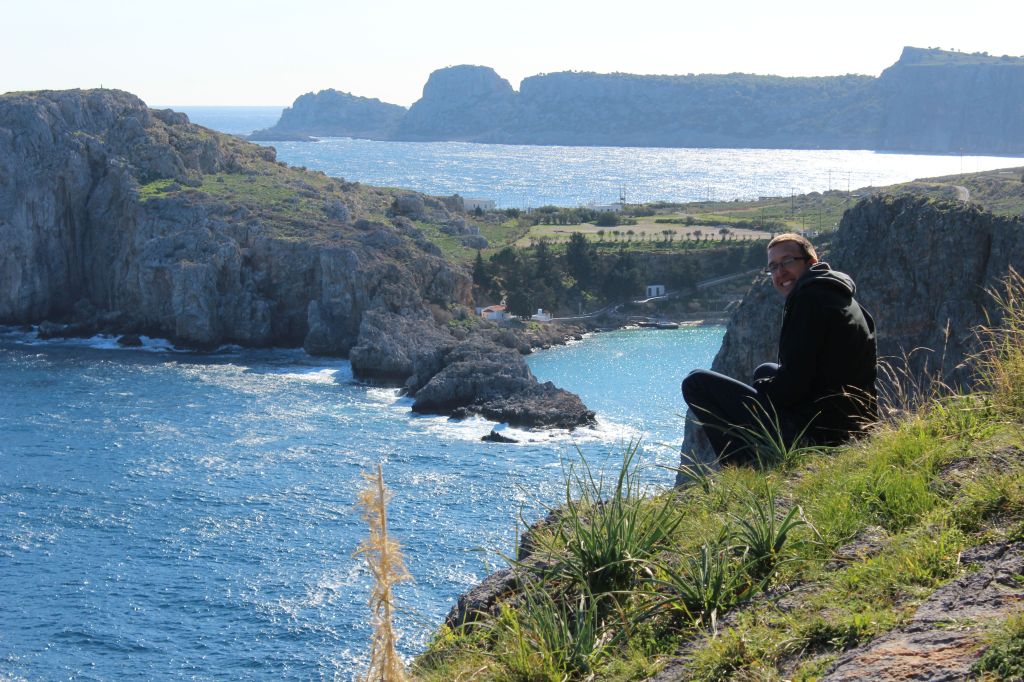
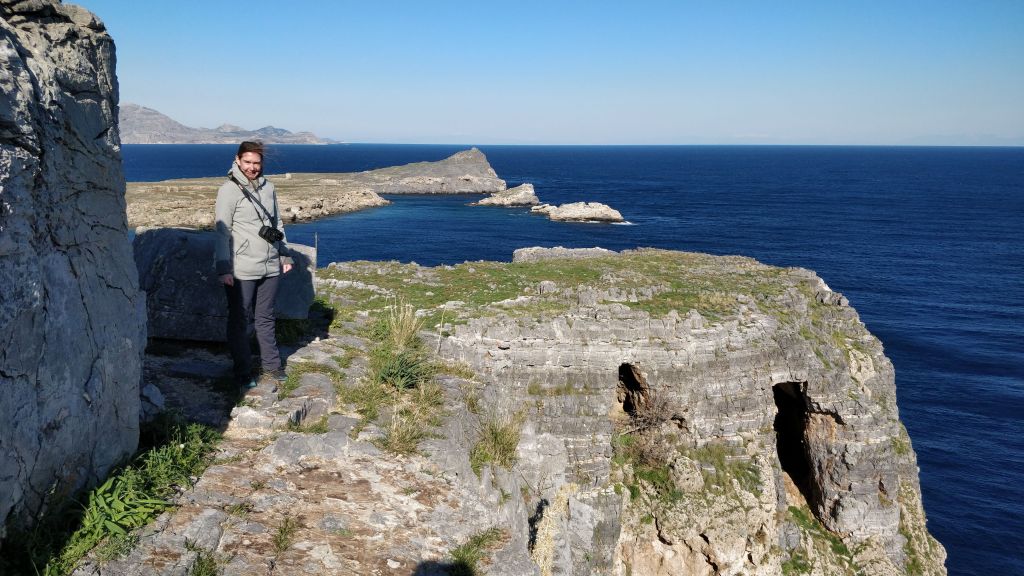
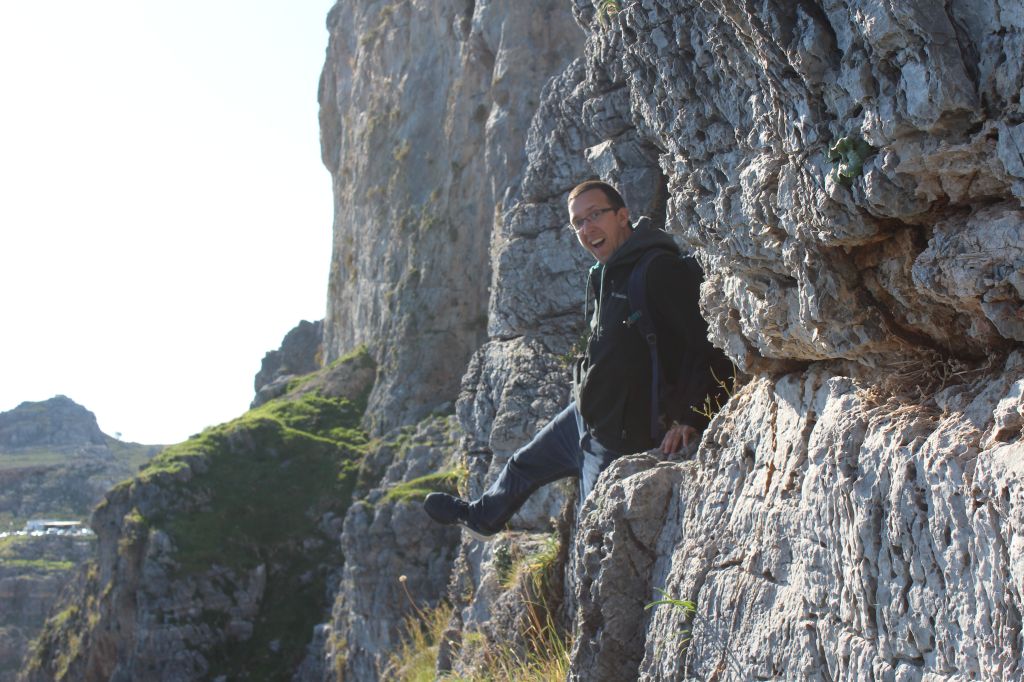
We found 1 grocery store open so we picked up a picnic lunch and headed up to the Acropolis. Unfortunately, the Acropolis site was closed for construction so we headed around to the back side to eat on the cliffs overlooking the sea. I’ve sat on cliffs overlooking the sea in Nova Scotia, Australia, New Zealand, Thailand, Finland, Croatia, Montenegro, and now Greece and as a landlocked, Alberta, boy it’s a novelty I will never get tired of.
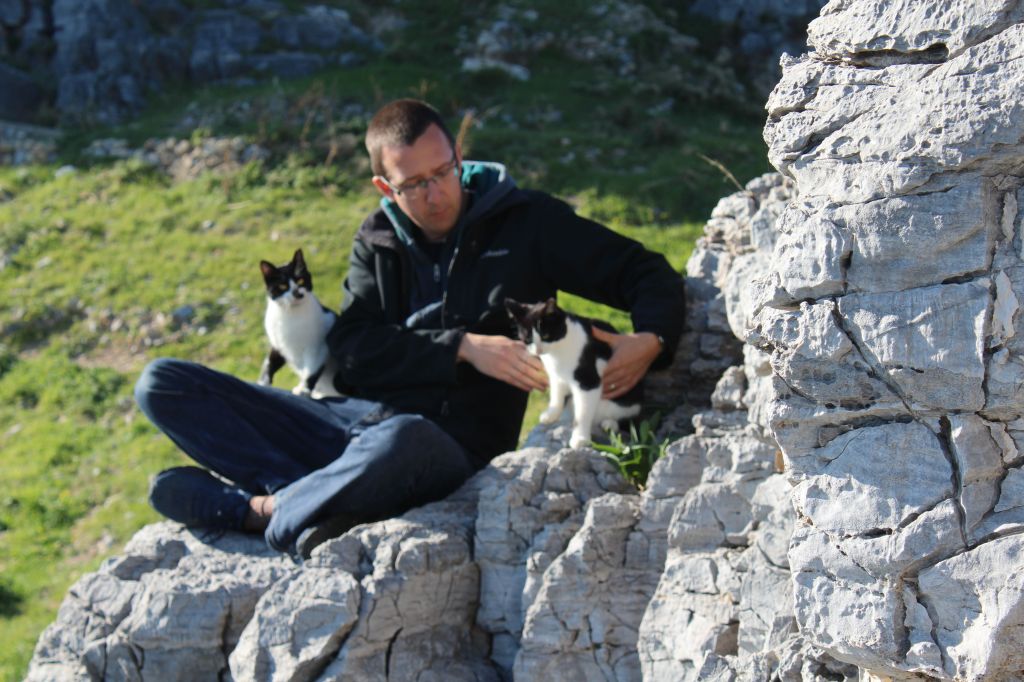
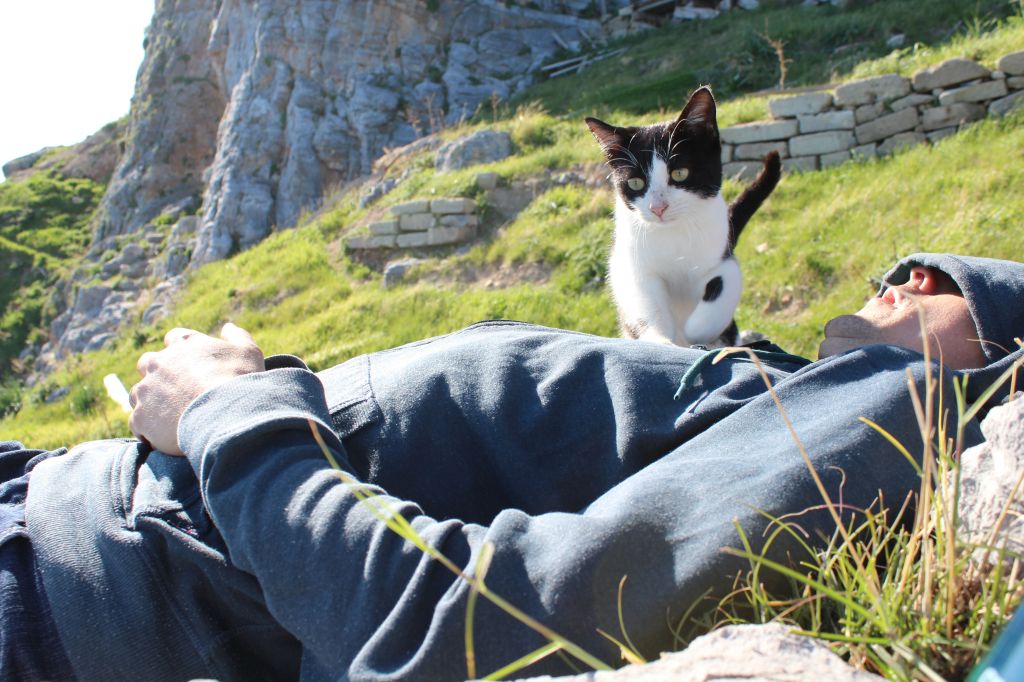
I know this comes as a shock to you, but we found a bunch of super friendly cats that wanted to have lunch with us. There’s just something about friendly stray cats snuggling up to you that makes me so happy.
Island Hopping
If you thought that exploring 1 island was enough for us then you’d be wrong. To the north-west of Rhodes lies an amazing little gem.
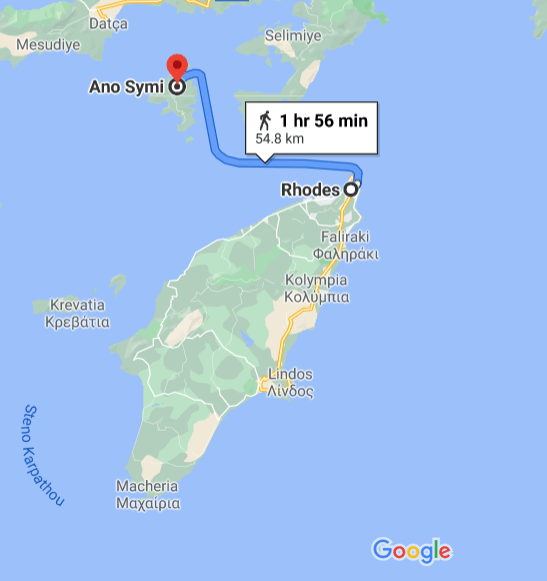
Pulling into the harbour of Simi after the 2 hour ferry ride will take your breath away.
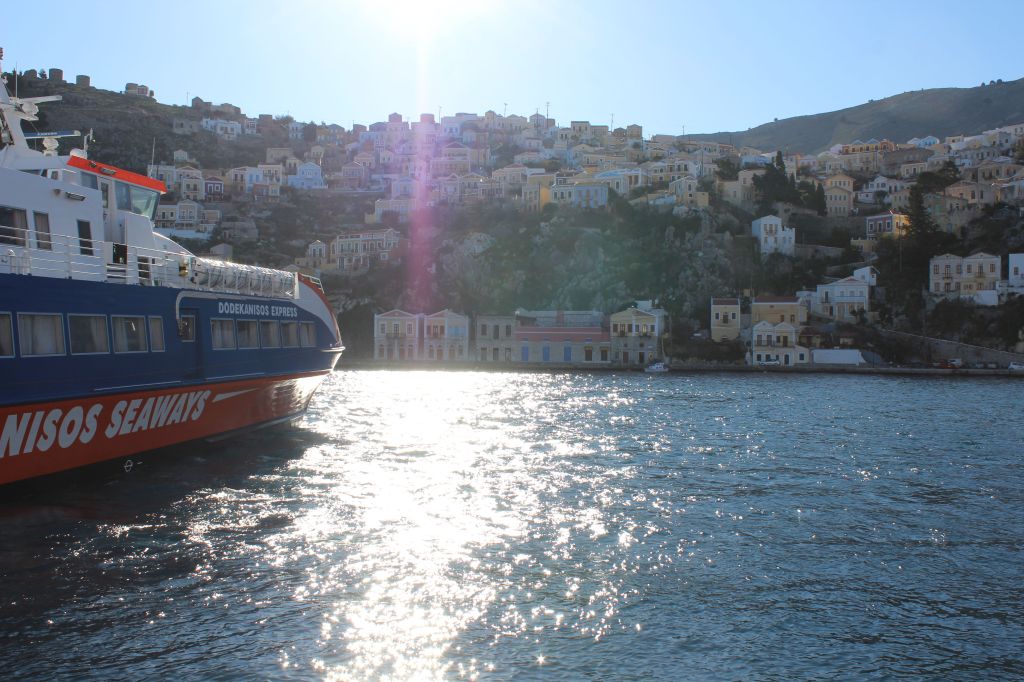
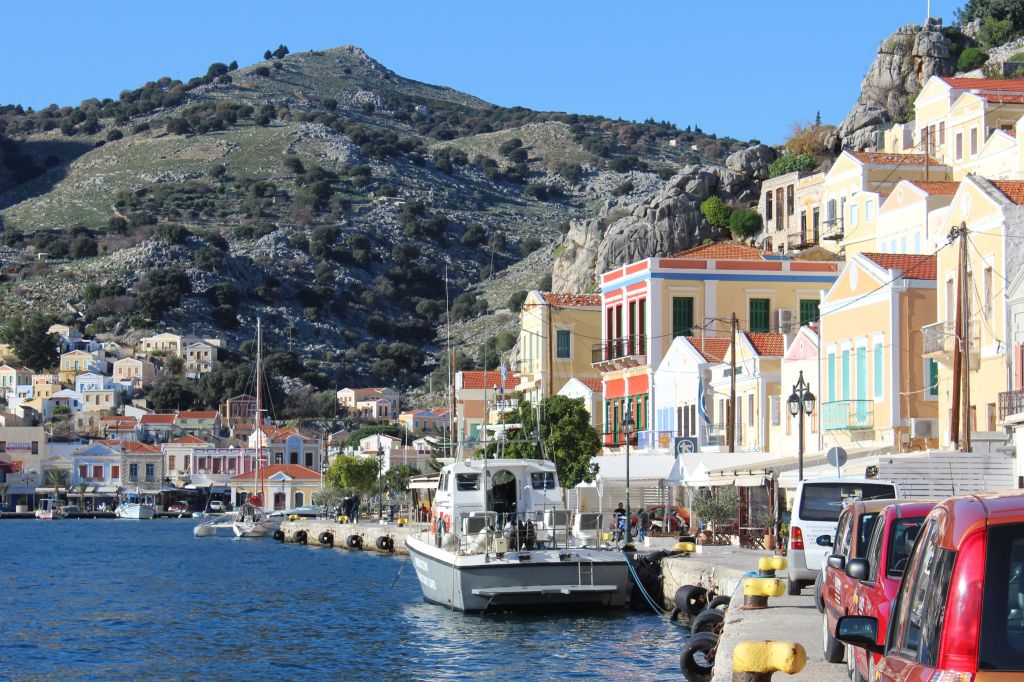
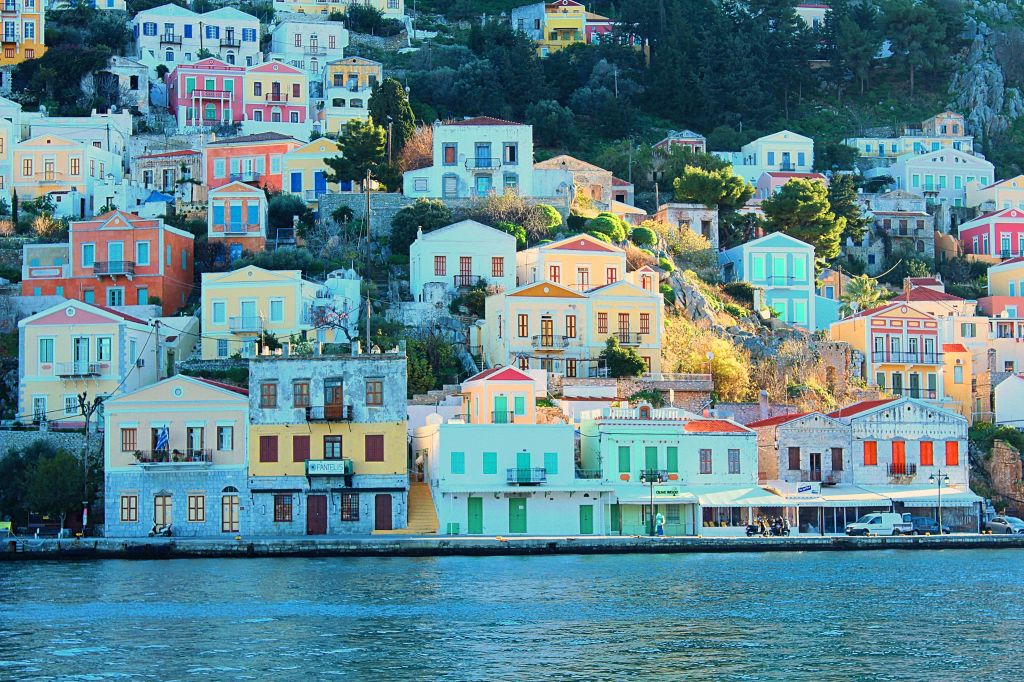
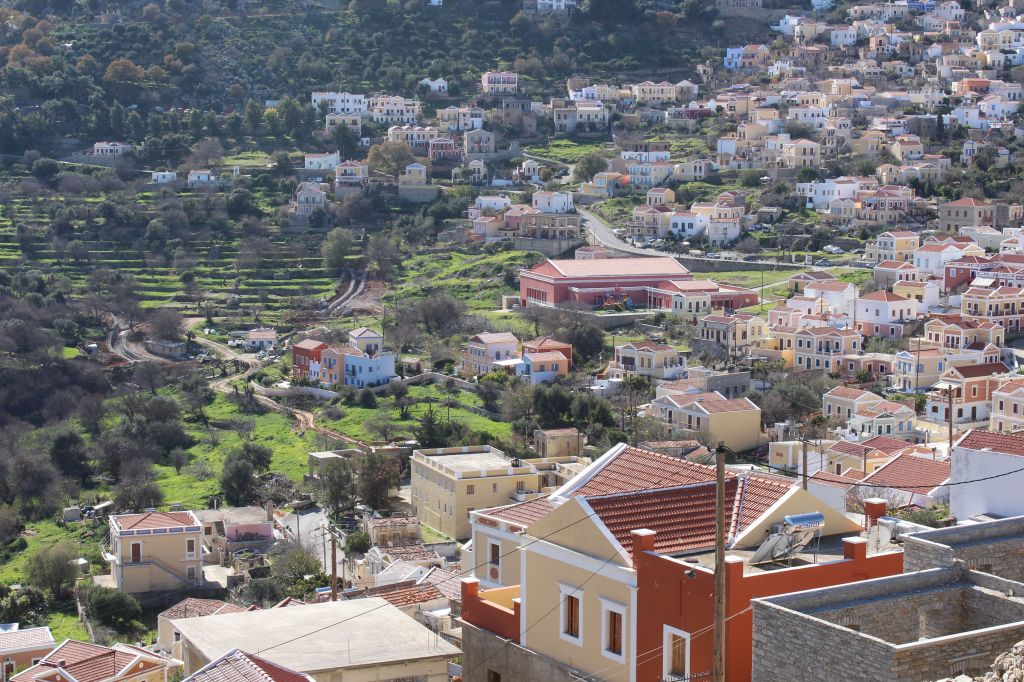
The colourful houses lining the hills surrounding the harbour are a site to see but this tiny town has, surprisingly, a lot to see. Once you climb the narrow streets winding up the hills the rest of the island has a lot to explore.
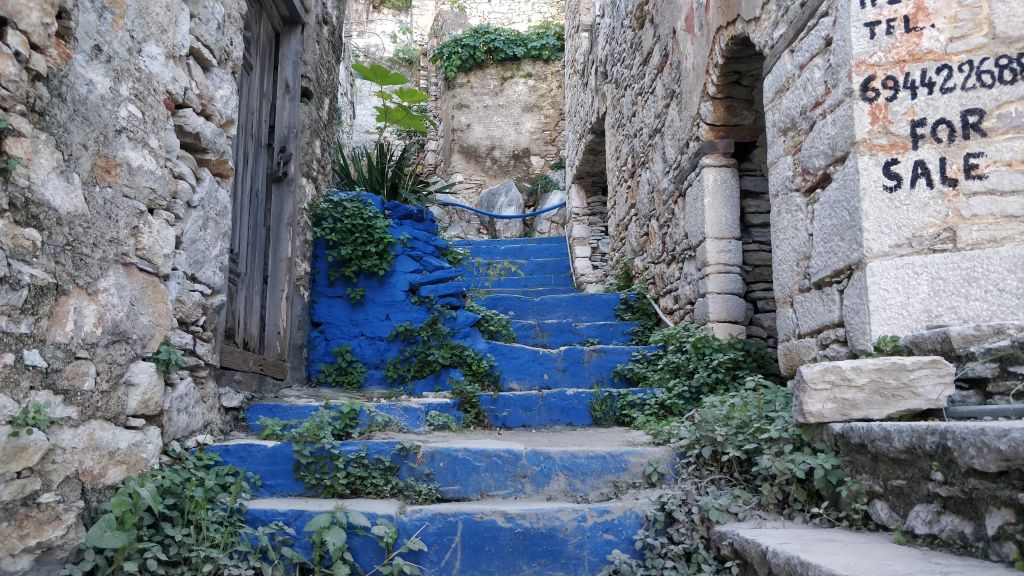
A view of the backside of the town.
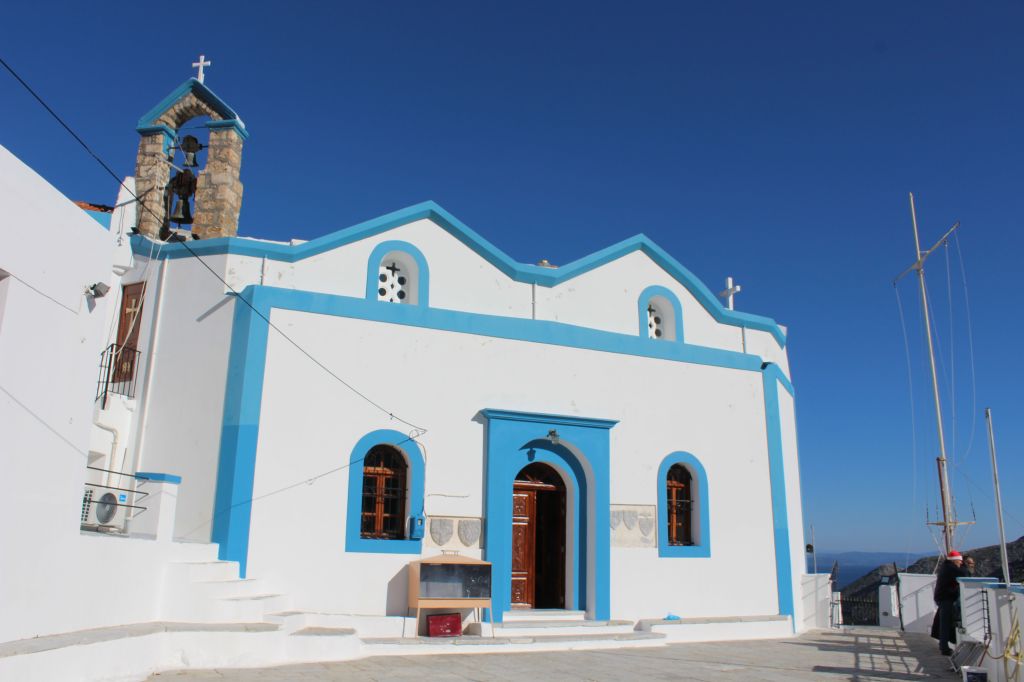
A Greek Orthodox church on one of the highest hills.
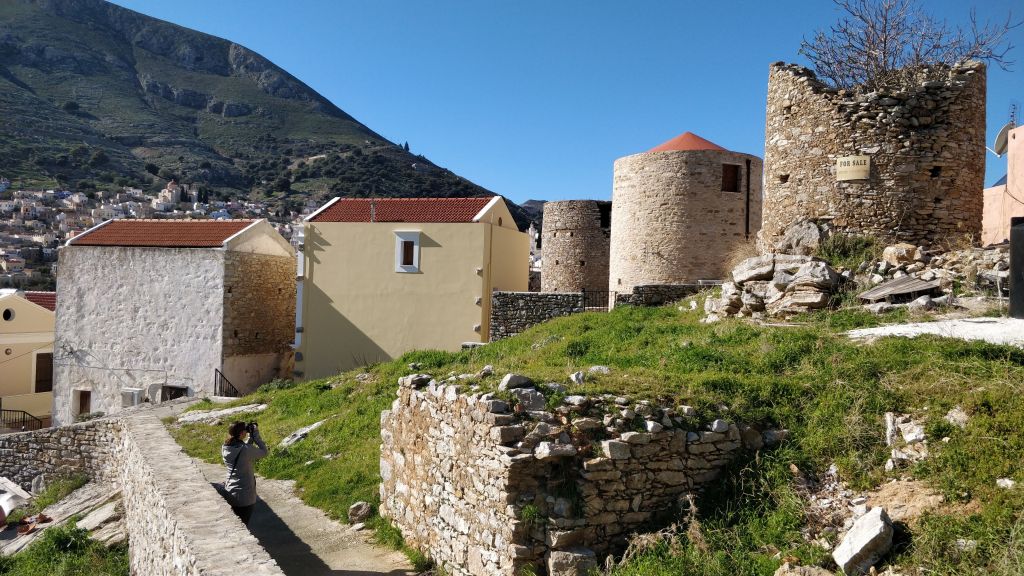
Old windmills converted into houses. There was even one for sale, tree included, but unfortunately the roof was not part of the sale.
We had plenty of time to kill before the evening ferry so we wandered down to the bay on the far side of the island.
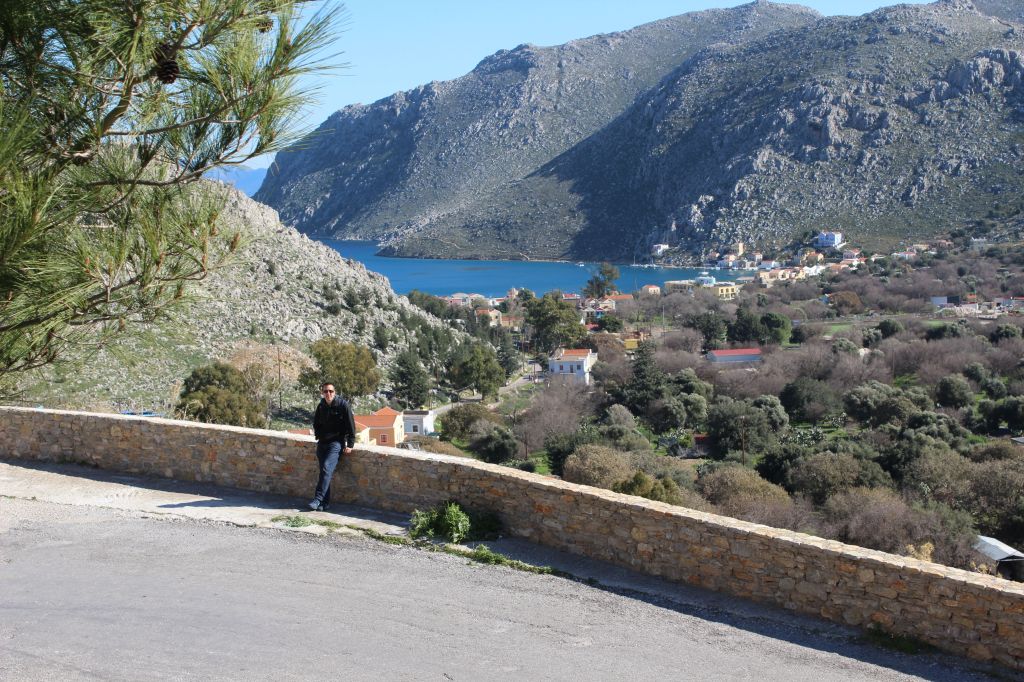
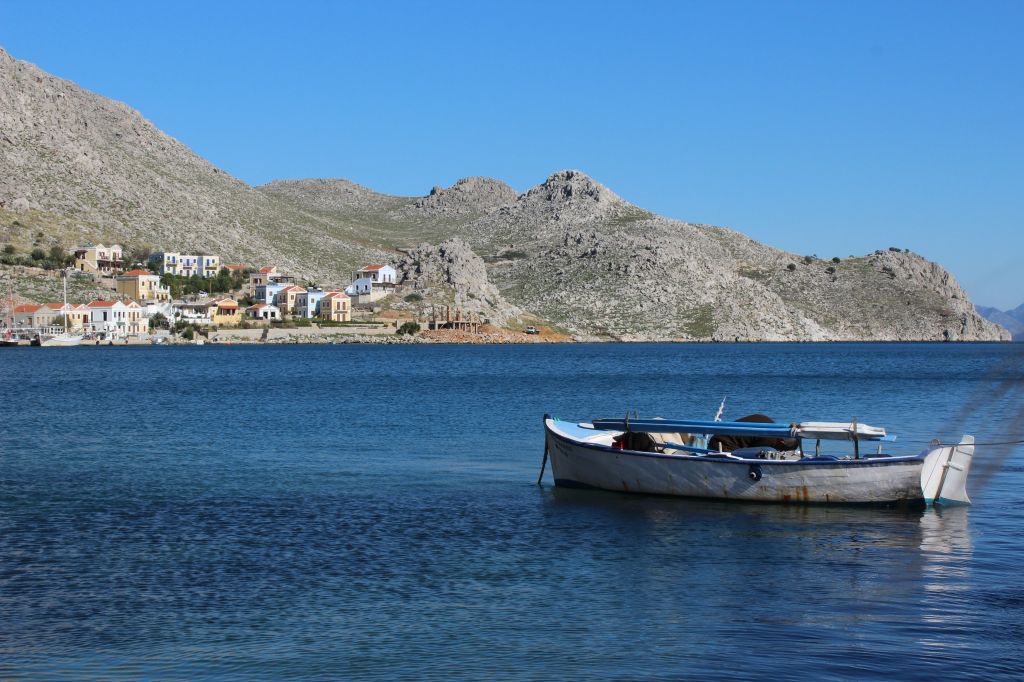
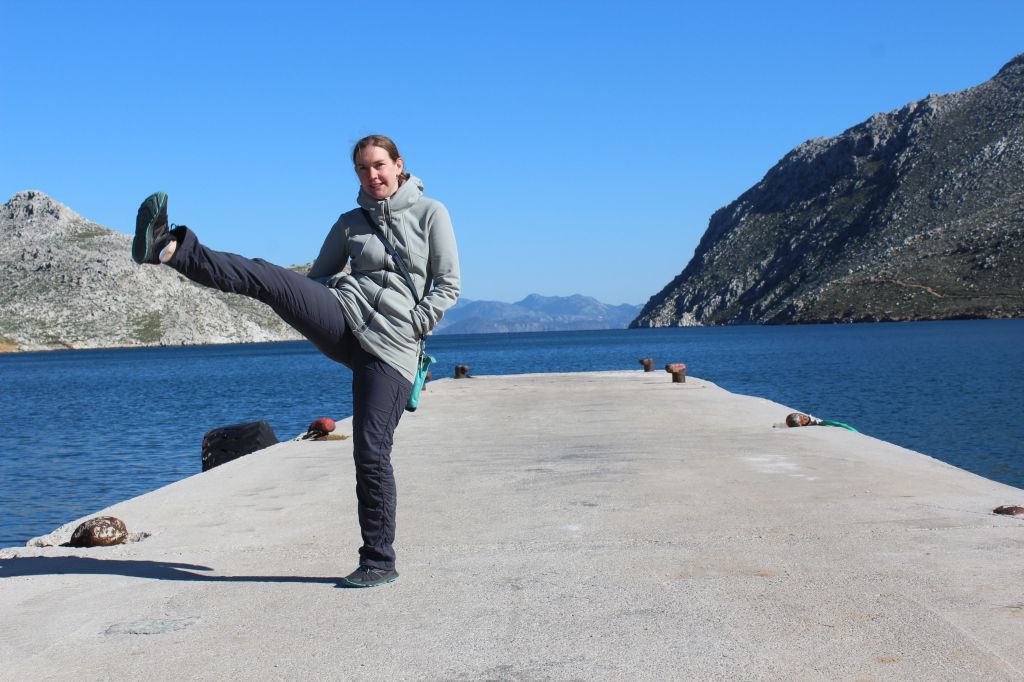
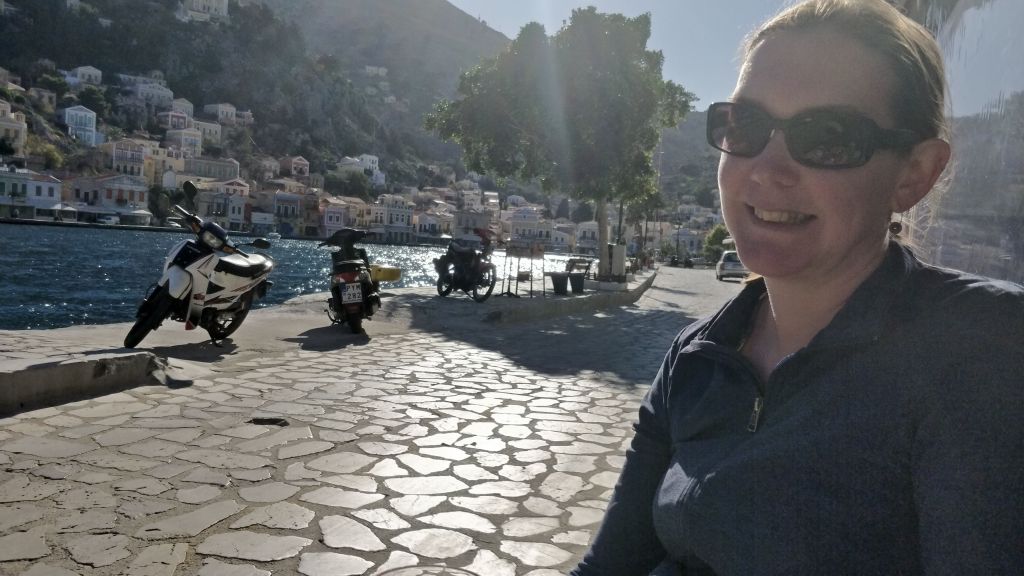
With still 2 hours left to kill before our ferry we found a cafe at the harbour and enjoyed the sunshine. We had a lot of grey skies in Romania, Bulgaria, and even Turkey so these bright sunny Greek days were thoroughly enjoyed.
Minotaurs and Zeus
After a quick 6 days on Rhodes our next destination was the big island of Crete. This large island south of the Greek mainland is best known as the birthplace of Zeus, God of Olympus, and also where the myth of the Minotaur originated.
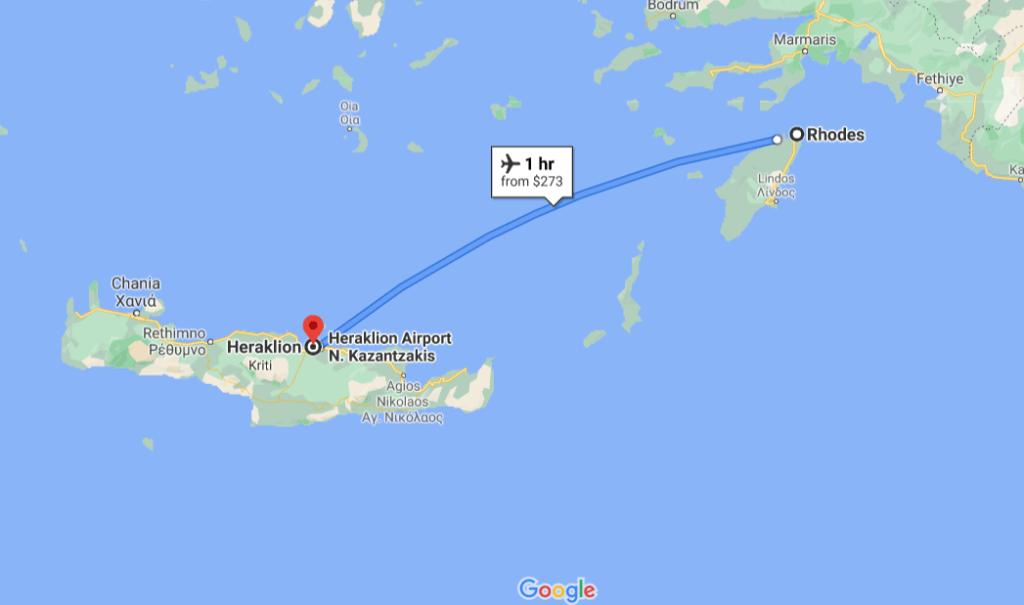
The largest city on Crete is the administrative capital of Heraklion, or Iraklio as the locals say, was our starting point for our travels here. One thing we quickly recognized is that the Greeks do not have a standardized way of writing their alphabet in English so English translations of Greek words often don’t reflect the proper way to pronounce them. Also you will find the same word written differently adding to the confusion in pronouncing city names.
We didn’t stay long in Heraklion (pardon, Iraklio) as we had booked our 3rd (and final) Workaway trip on the far south west part of the island. Immediately after arriving we were headed straight to the bus station for a 3 hour ride to Chania, pronounced as Ha-Nee-Ah, where our hosts, Lucky and Rebecca, were in town for a conference. When they finished up they met up with us and we did the last hour drive crammed in the back of their small pickup with their 1 year old daughter.
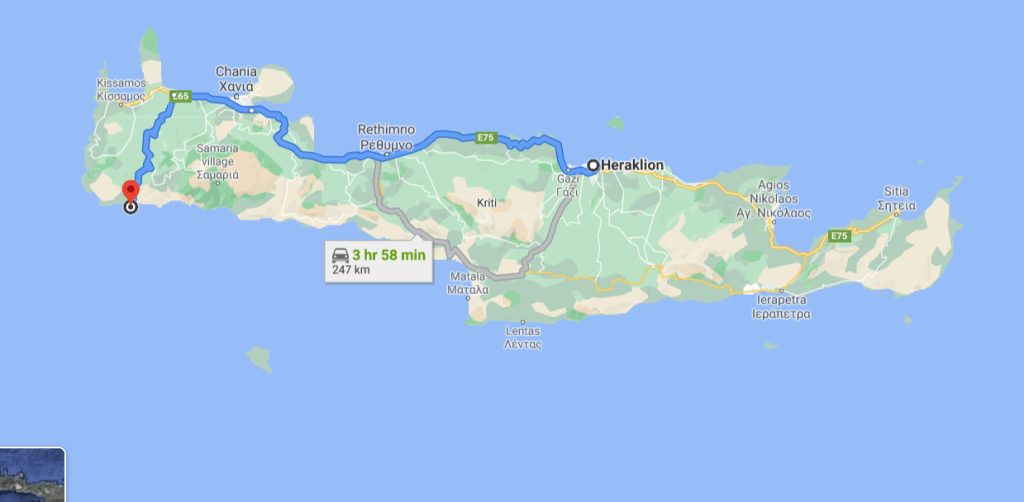
Our hosts own a small olive farm in the hills above Palaiochora (Pa-Lee-O-Hor-Rah) complete with a small hotel and cafe. In the summer months when tourism is high Workaway volunteers normally work the cafe and clean the rooms but in the winter when there are no guests you help on the farm repairing fencing, feeding the goats, cutting and burning dead brush, and planting new olive trees. Olive season was un-seasonally short this year so we were also rolling up the olive netting for the year.
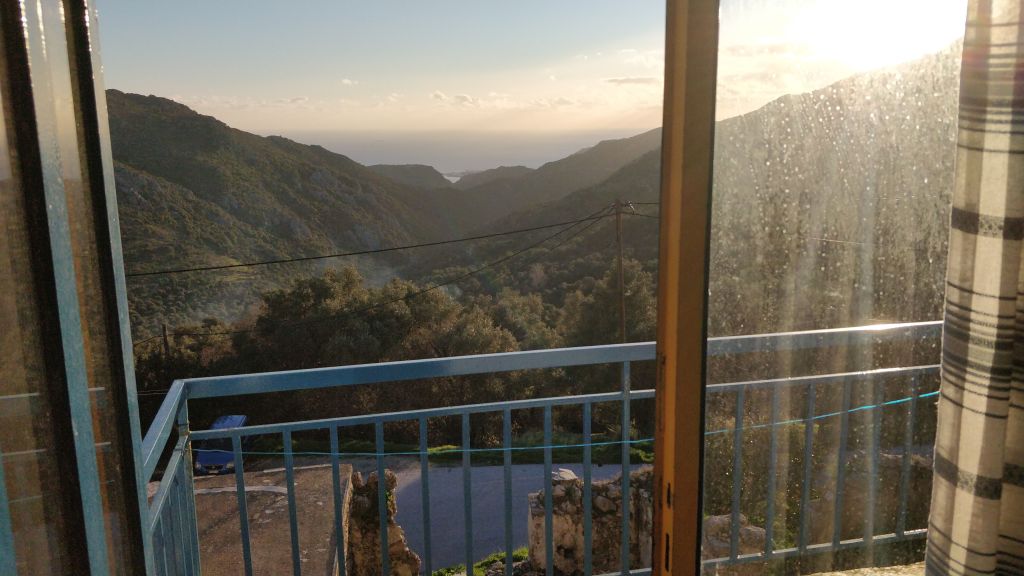
This was the view from our room. Absolutely stunning on clear days.
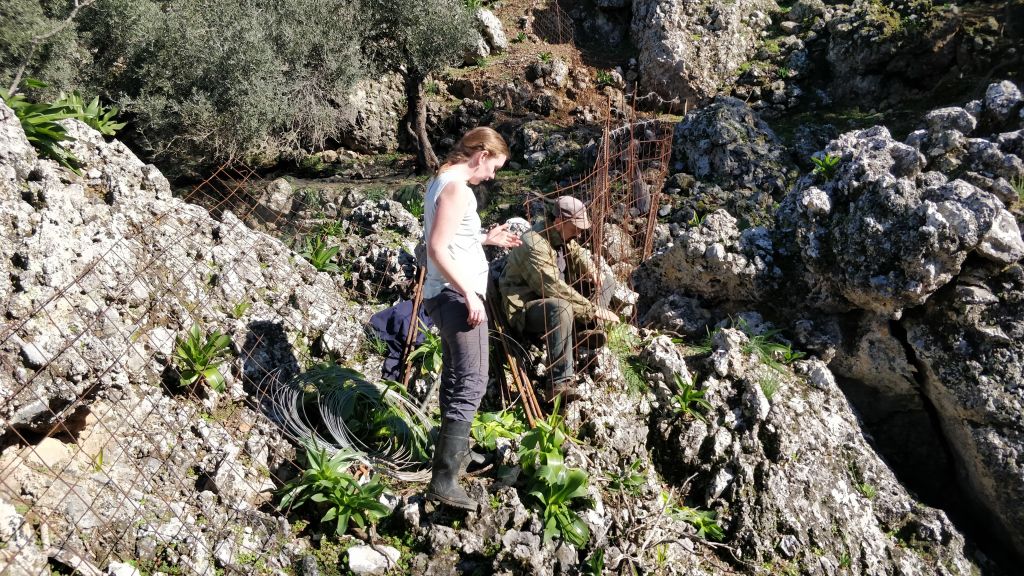
Helping our host, Lucky, repair the fencing that keeps the goats out of the olive trees.
We weren’t the only Workawayers here. There were a couple from Denmark, Annewil and Henkjan, a couple from the Flemish side of Belgium, Anna and Bjorn, and a gentleman from the French side of Belgium, Elias. Our hosts were friendly, the work was easy if mundane, but the other workaway people made our 2 weeks very fun. I’m very disappointed to say that we never got a group photo of the 7 of us.
On our first weekend off we made the hike down the valley into Palaiochora.
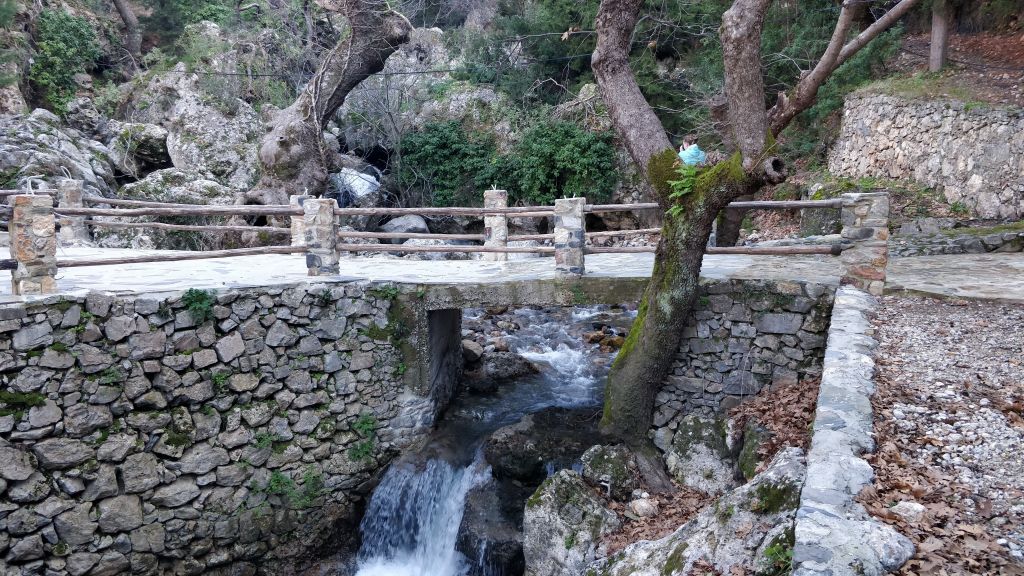
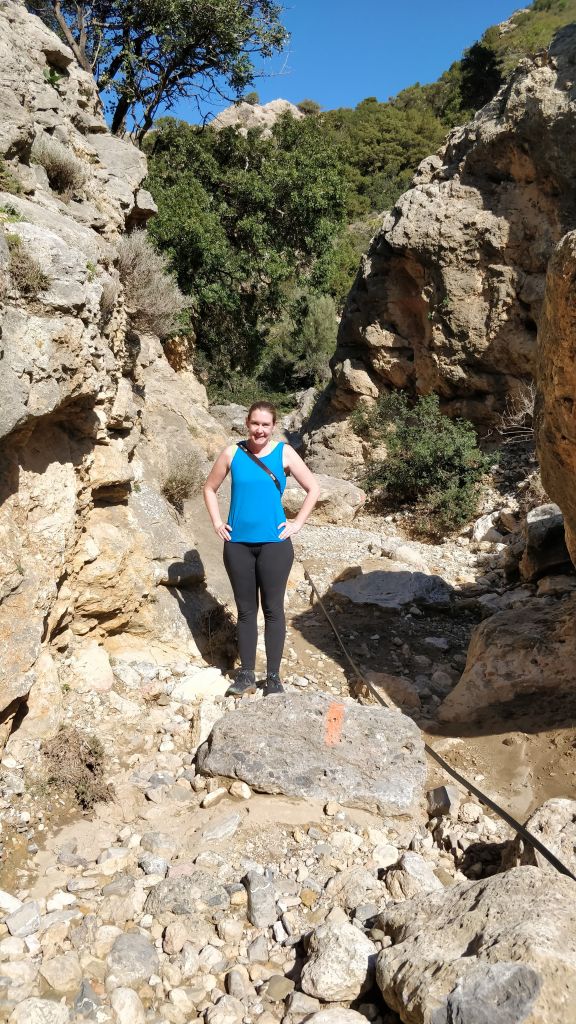
After about a 3 hour trek we finally reached the crystal clear waters.
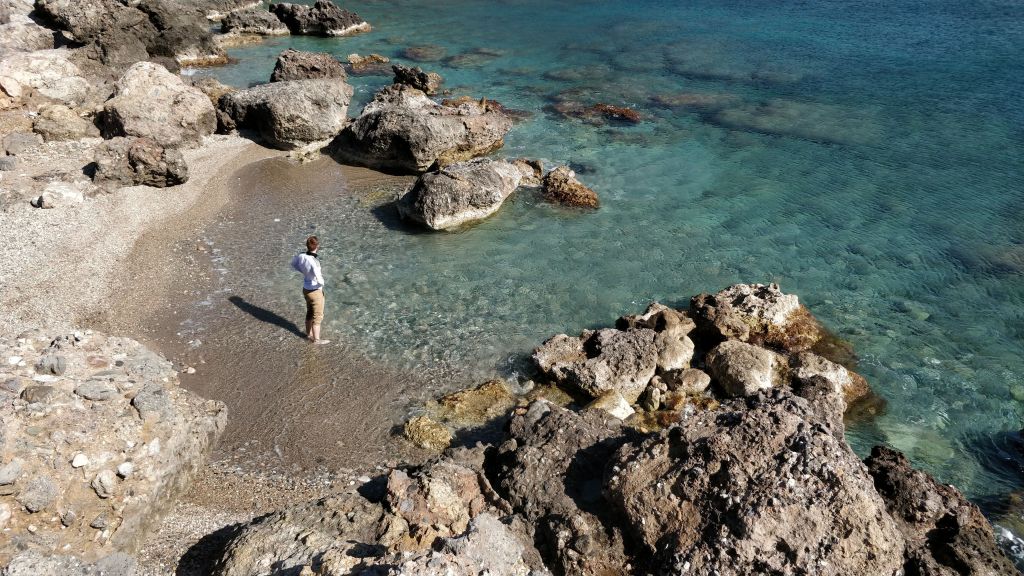
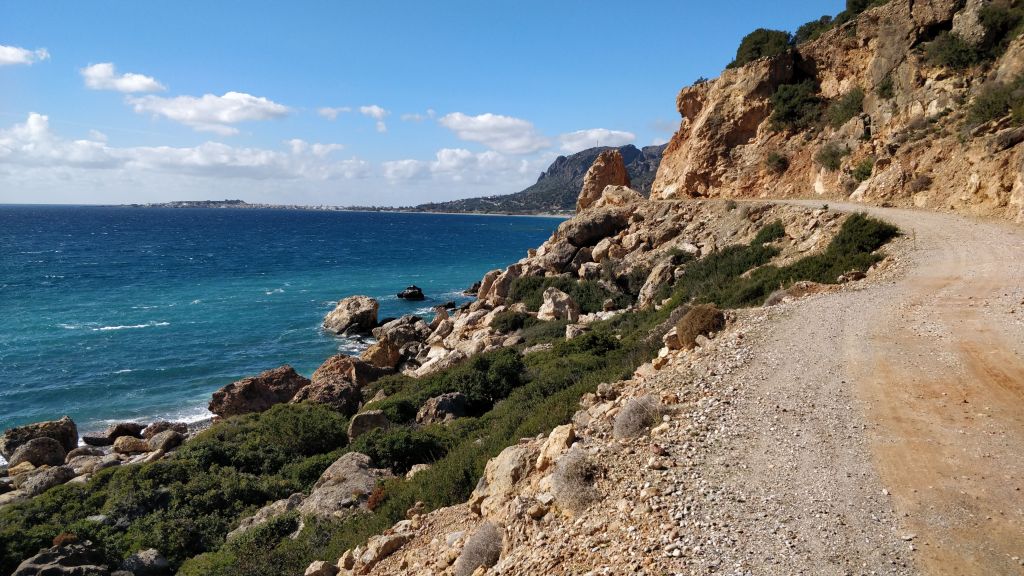
Looking straight out to sea it was only 304 kms to Africa, Libya specifically, so this meant it was the closest we’ve ever been to Africa.
As we didn’t have a car to get around we weren’t able to explore much more of the area. It was sad but we were actually very close to one of the top sites in Crete, Elafonisi beach, known for having bright pink sand. We tried to arrange for a local person to take us out for a day trip but it never happened. The only condolence was that the beach’s bright pink colours don’t show as vibrant in the winter so we probably would have had to come back in the summer regardless.
Exploring More of Crete
After 2 weeks in Palaiochora working the olive farm we had just 6 days to see the rest of the island. We would have probably rented a car to properly visit the island but here Canadians need an International Driving Permit (IDP) so that wasn’t an option. Bus transportation to some of the more obscure tourist sites is limited and there are no tour companies operating in the off season so we chose to spend our first 3 days in the city of Rethimno on the north shore.
In the far north west tip of Crete is another popular tourist beach, Balos Beach. It is known for its white sand, turquoise blue water, and some park of the beach shimmer pink like Elafonisi. In the summer months Rethimno is the perfect place to get to Balos Beach but unfortunately the beach can only be reached by taking a boat around the most north west tip of the island and no tour companies operate in the winter. Visiting in the off season has its advantages (less tourists, more locals) but sometimes you miss out on the really cool things.
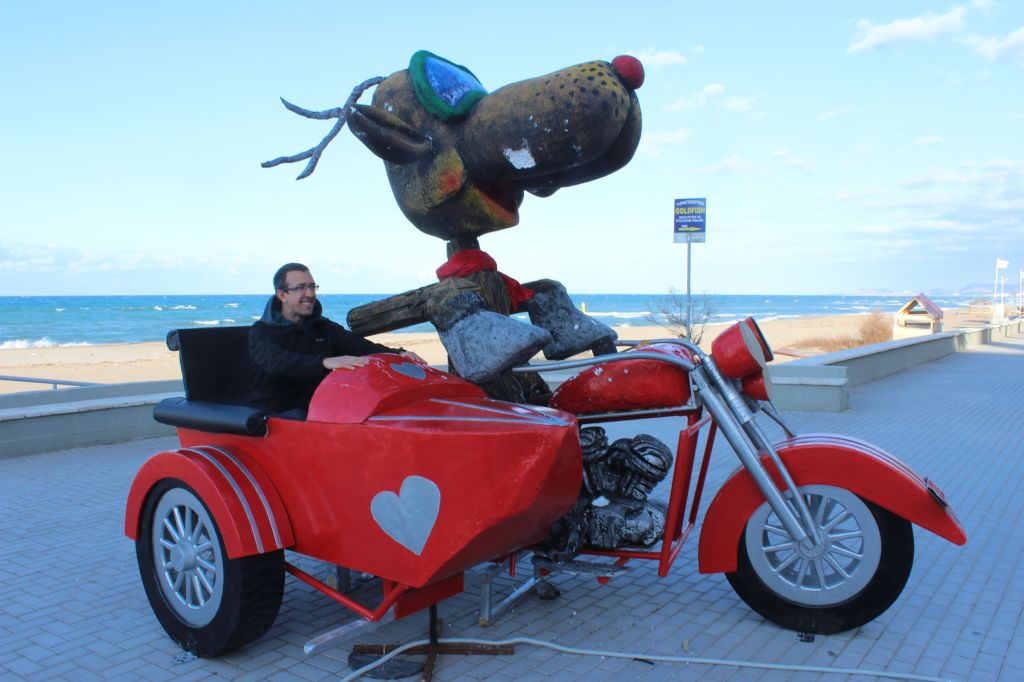
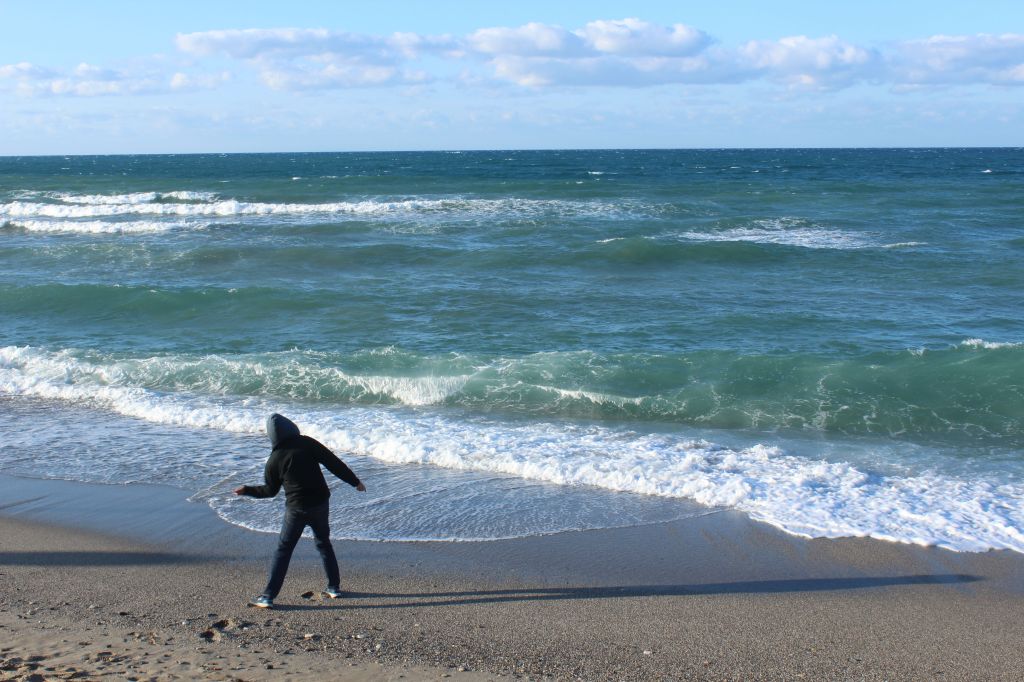
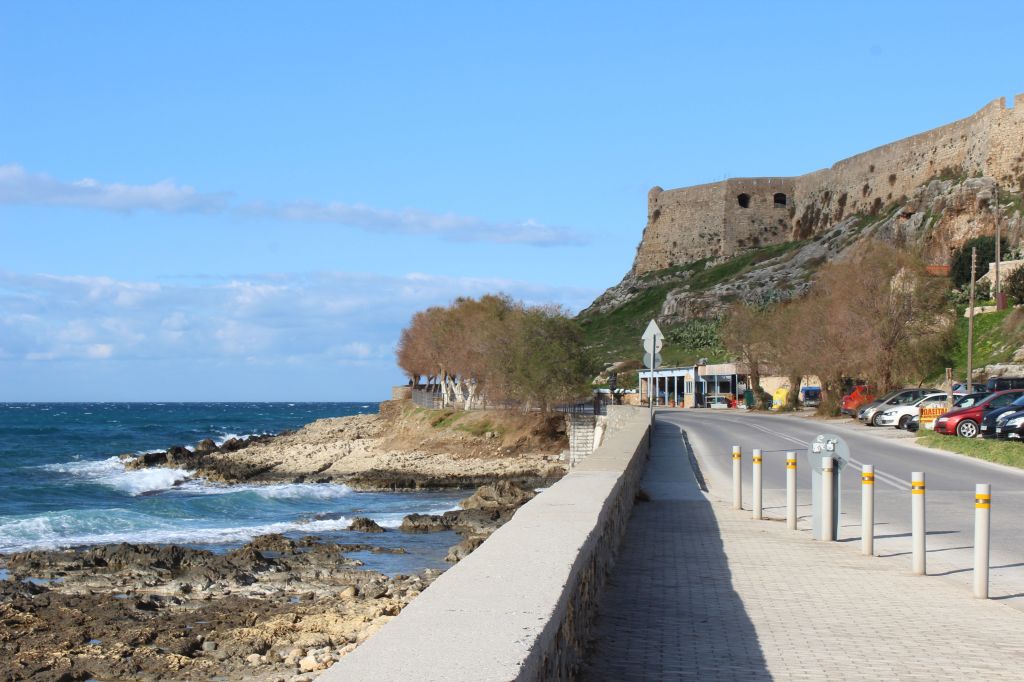
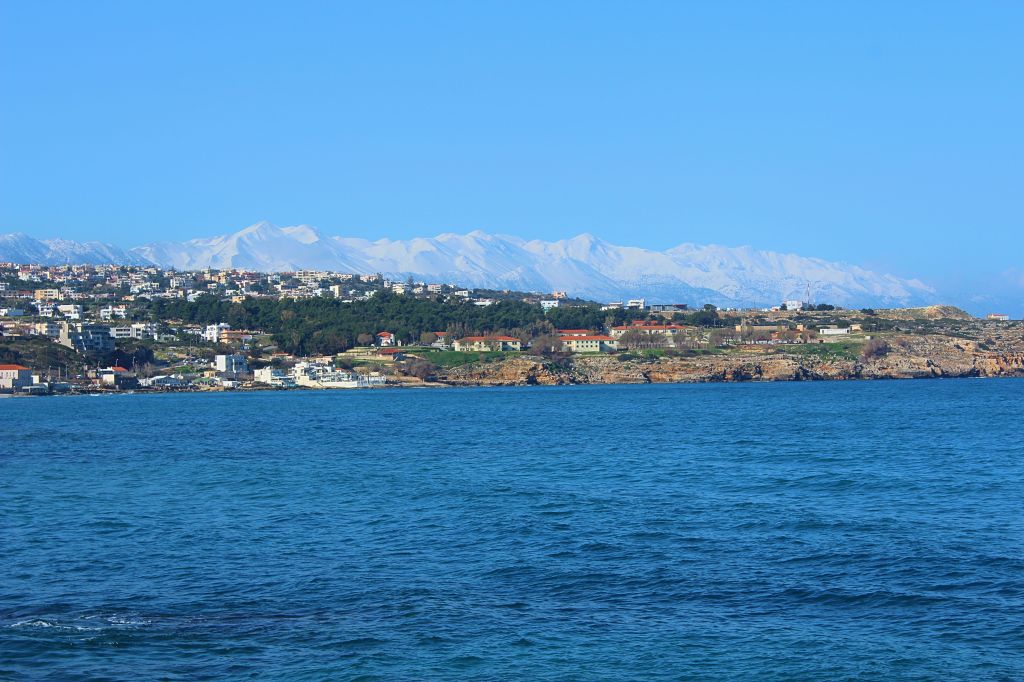
We spent our couple of days in Rethimno relaxing and wandering the town. Interestingly enough the city is full of paper mache sculptures.
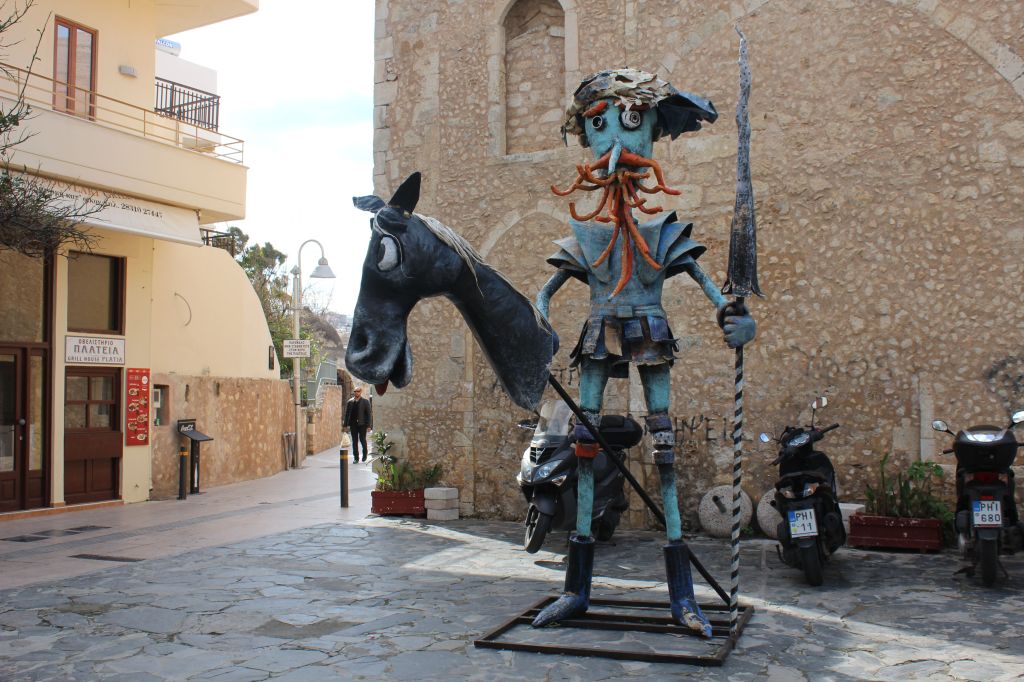
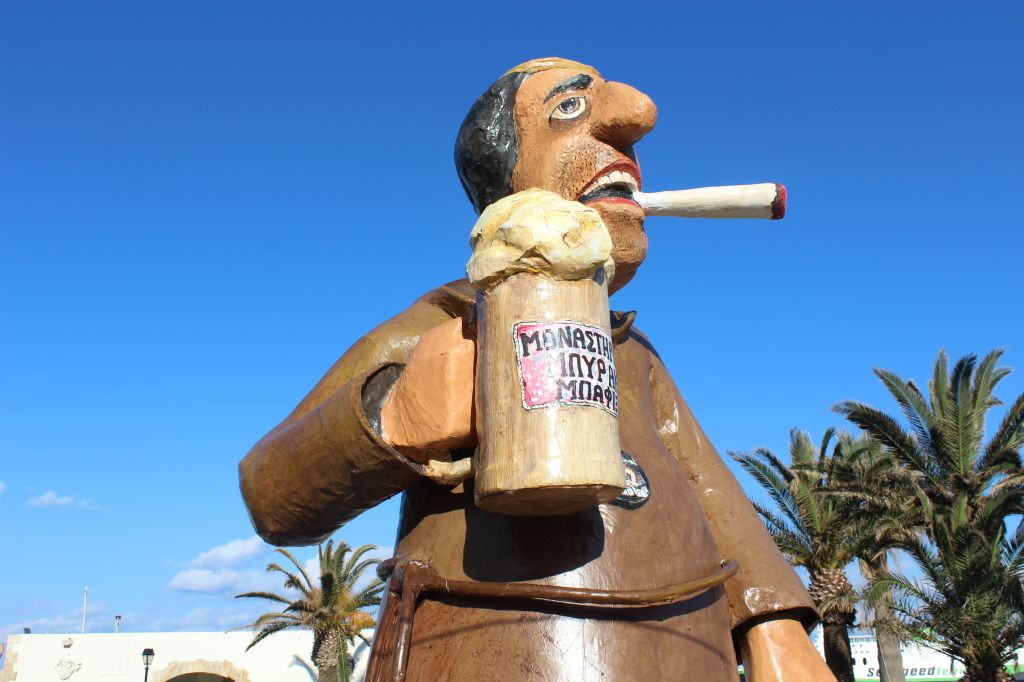
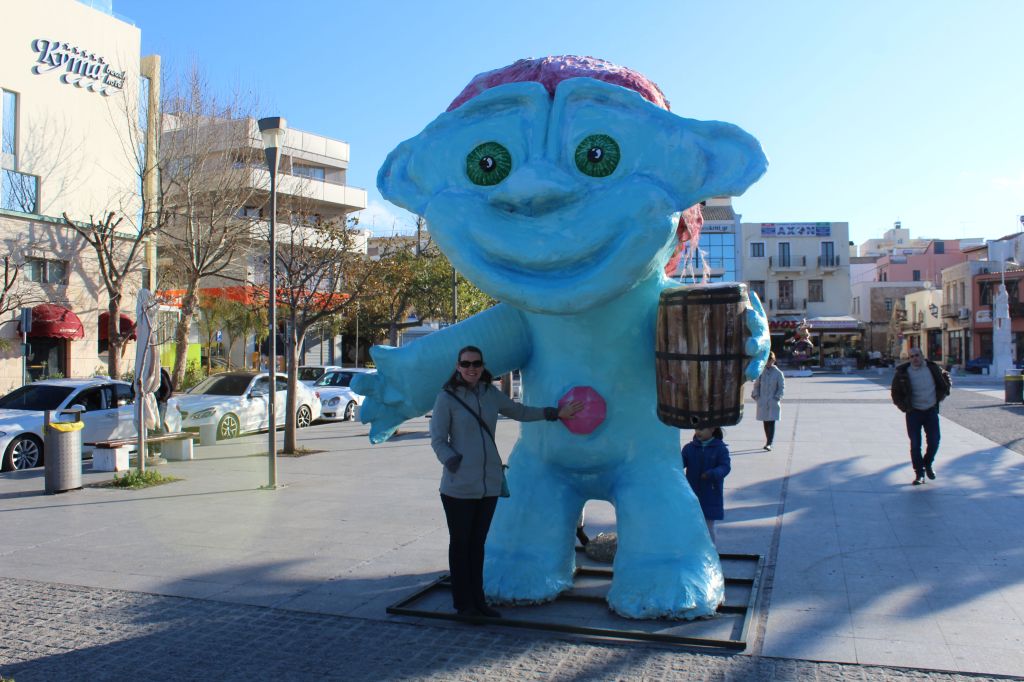
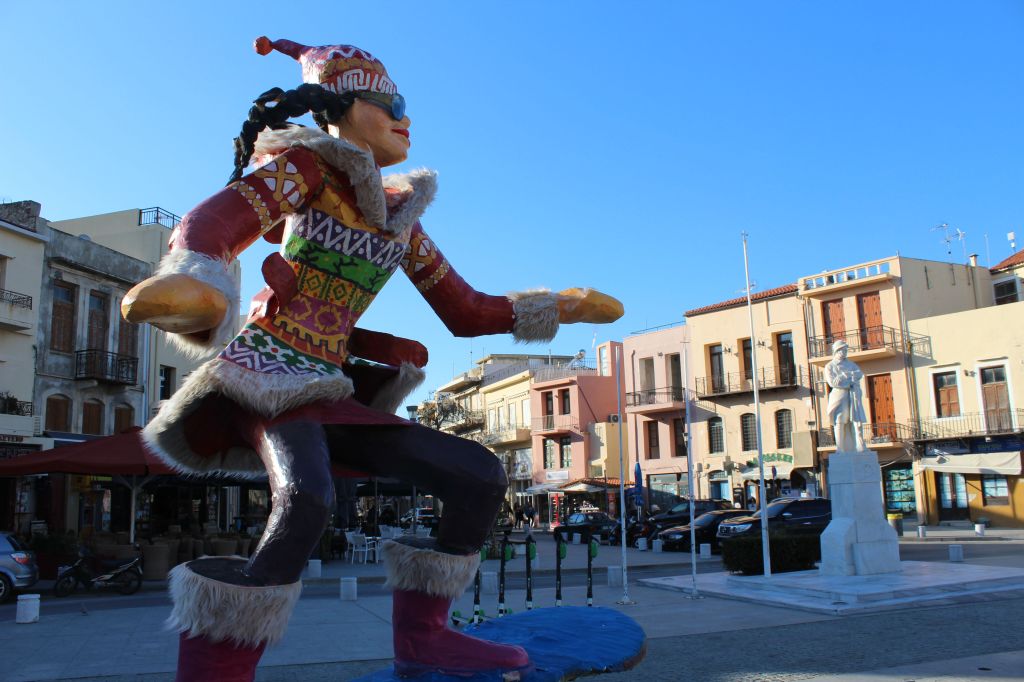
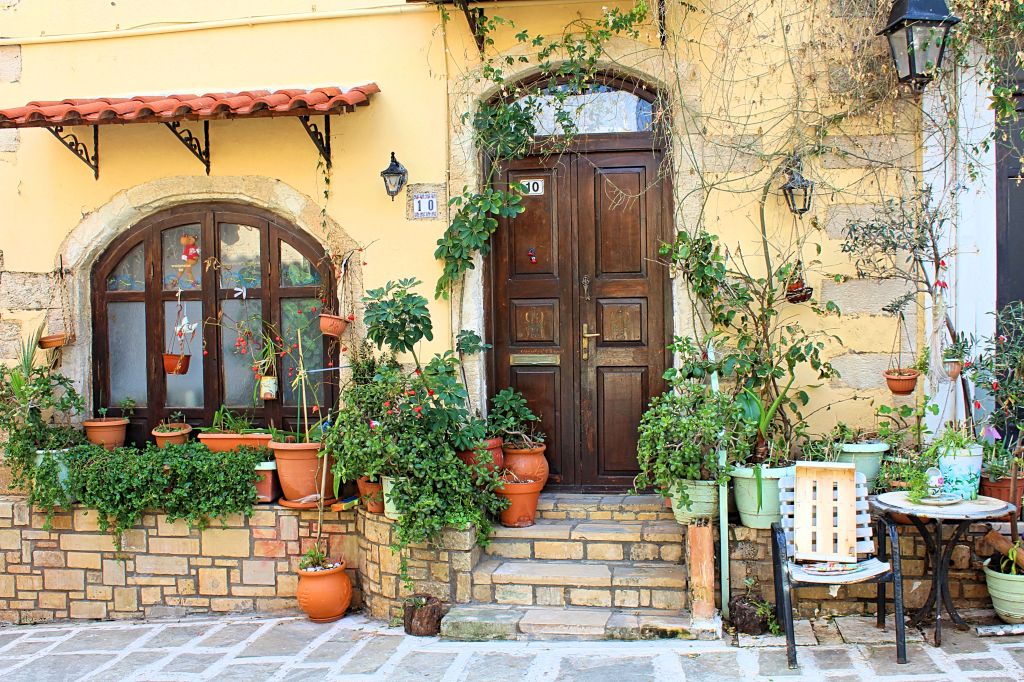
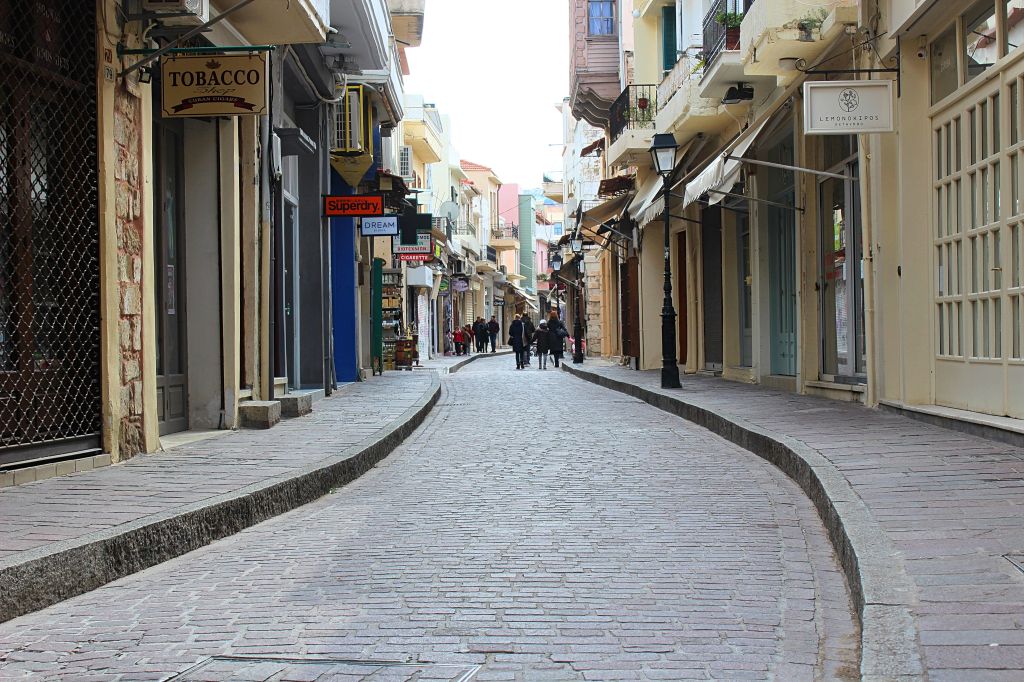
Like other Greek cities, we found the architecture beautiful and it was interesting to wander around at a leisurely pace even if urban exploring was starting to wear thin after 7 months.
Heart of the Cretans
Maybe the most fascinating part to me about Crete is its ancient history. Before Rome, before Athens and Sparta, and even before the fabled city of Babylon, the Minoan people had built large complex cities all over the island of Crete. By 1600 BCE (that’s a full 1000 years before the height of Athens and Sparta) the most advanced civilization on the island, the Mycenaeans, had dozens of sophisticated cities. They were by far the most advanced and powerful people in the Mediterranean for almost 500 years and then they suddenly disappeared. Their cities were abandoned in quick succession and the reason why has been hotly debated by historians.
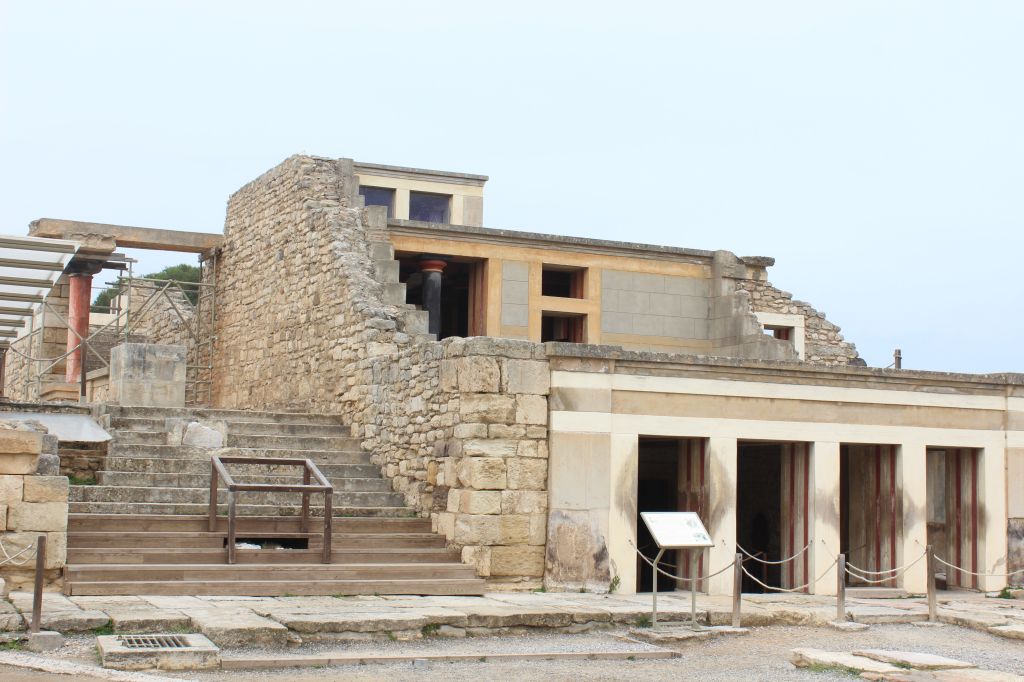
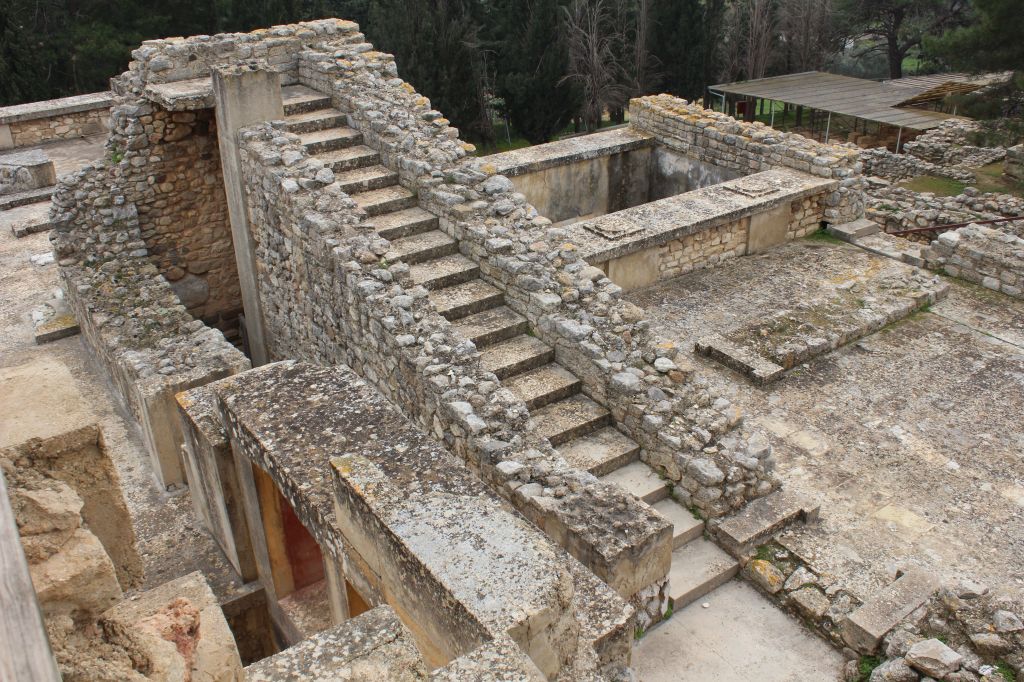
The biggest tourist attraction on the island, and one the Cretans take great pride in, is located just 30 kms south of Heraklion. Known as Knossos Palace it was the center of the Mycenaean civilization at its greatest height and brought us full circle back to where we started our trip on Crete.
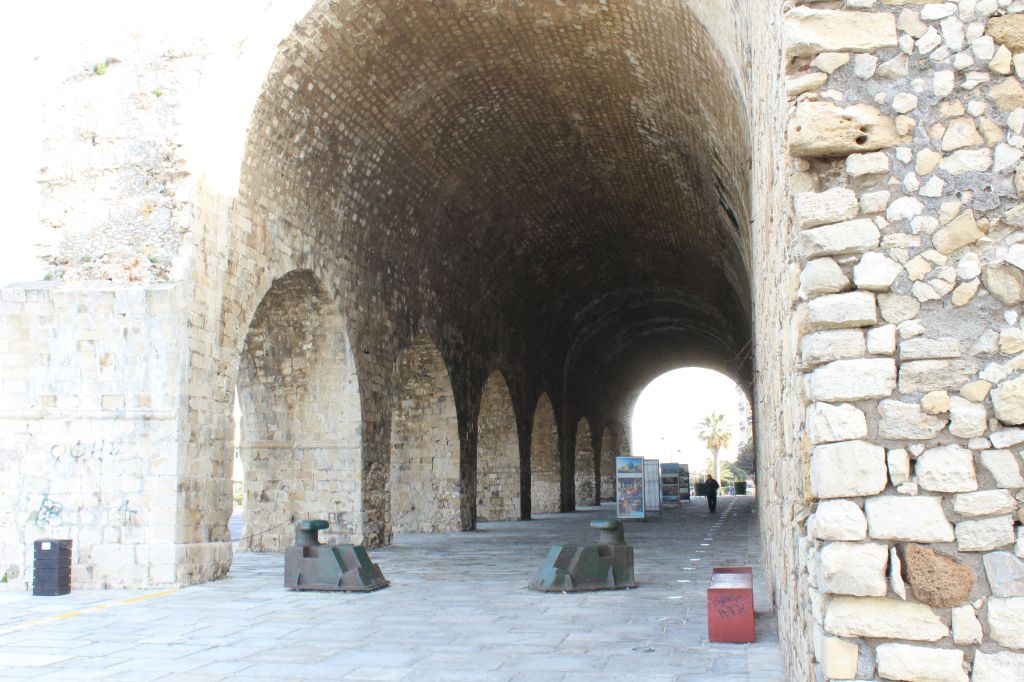
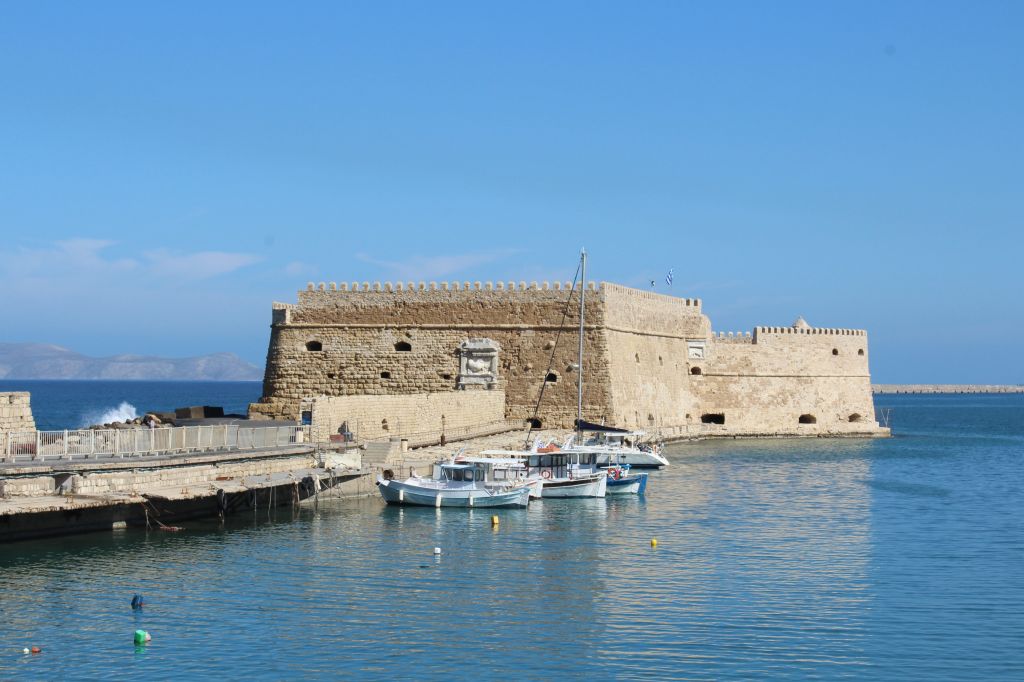
Unfortunately the modern city is not a very pretty city. This is where the majority of industry and good paying work is and it’s a true working city that has yet to build itself up as a pretty tourist city. That being said one cool thing to see in the city is the ancient Venetian shipyards and sea fortress that are still intact at the main harbour.
In the 1500s the city of Venice (yes that one in Italy) was a major sea power controlling most of the eastern Mediterranean. They had fortresses all along the Croatian and Greek coasts and even controlled the island of Crete. The fortress used to defend the port and 6 of the original 19 shipyards are still intact.
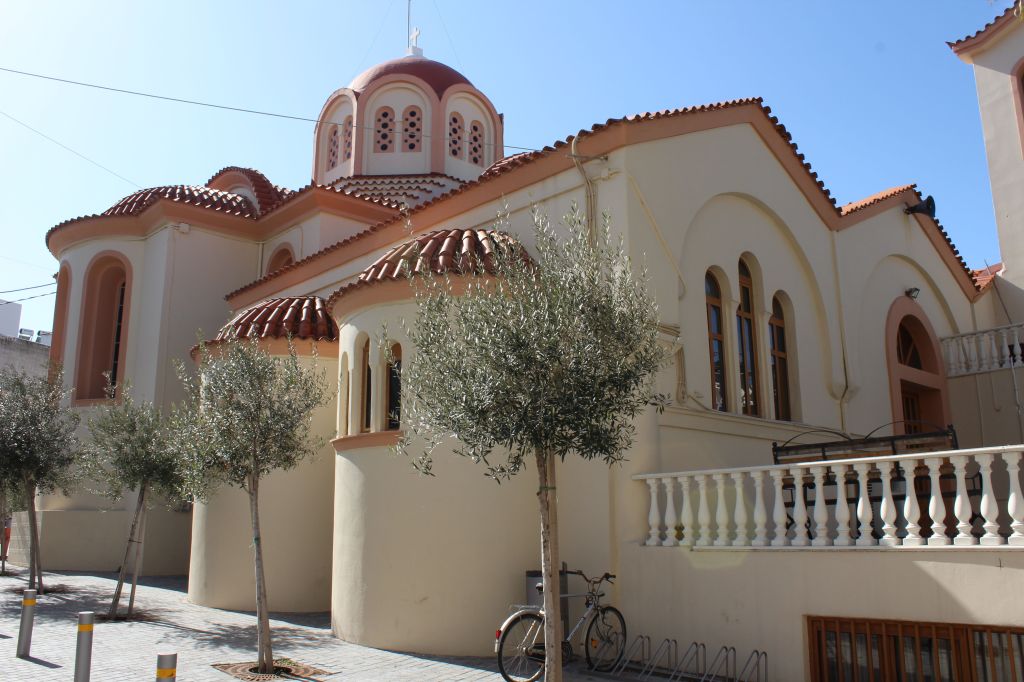
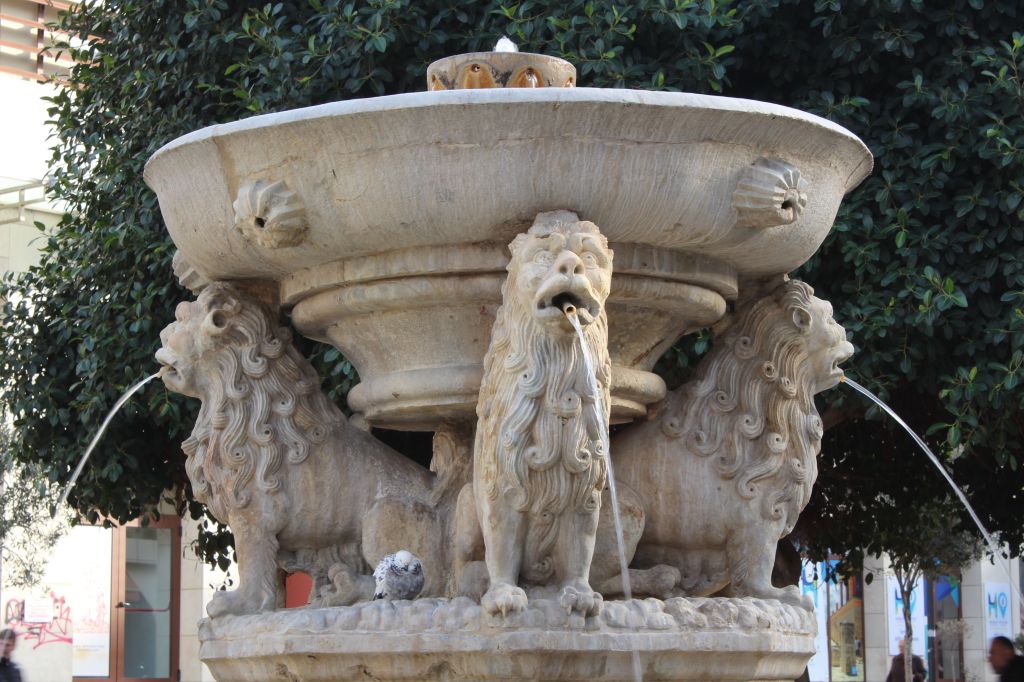
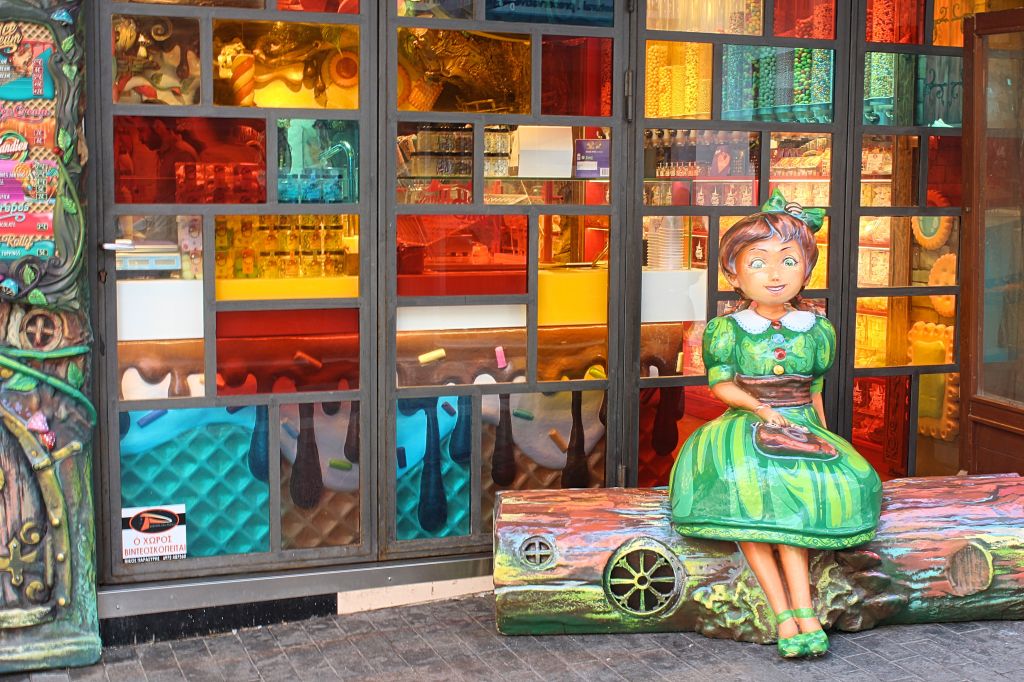
And of course if you look hard enough you can find some interesting gems around any corner.
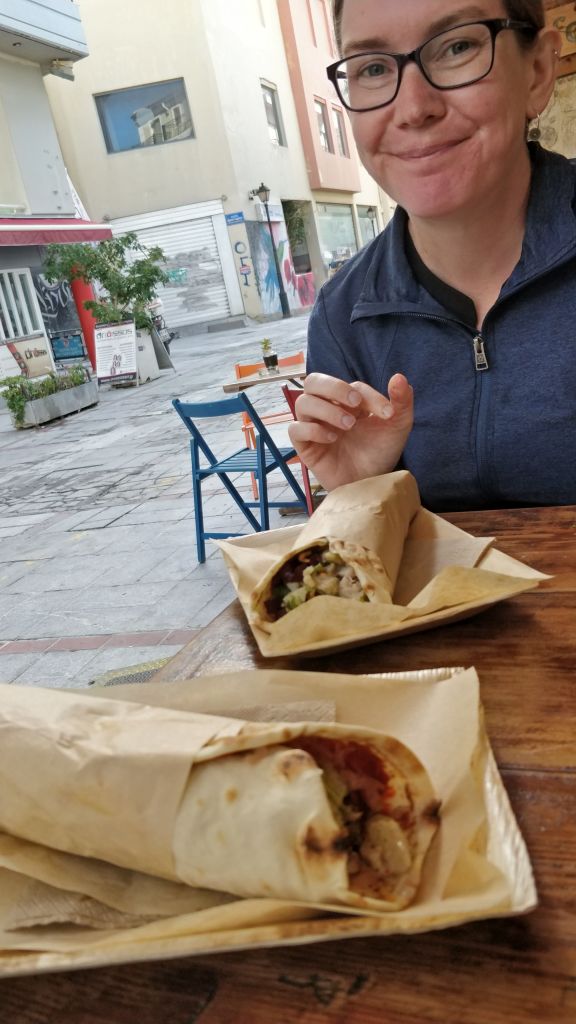
One of the best known cheap, quick, and delicious, foods found in Greece is the Gyro (pronounced Yee-row) but unfortunately it is not vegetarian friendly. Wandering the streets we found the next closest thing, a shop selling wraps similar to Gyros but with falafel.
I will be frank, the only reason tourists stay in Heraklion is to visit the museum and the Palace of Knossos. Fortunately, these 2 tourist stops are open year round so we chose to first visit the museum first and then the palace the following day. We didn’t want to feel rushed for either but you probably could hit them both in a day.
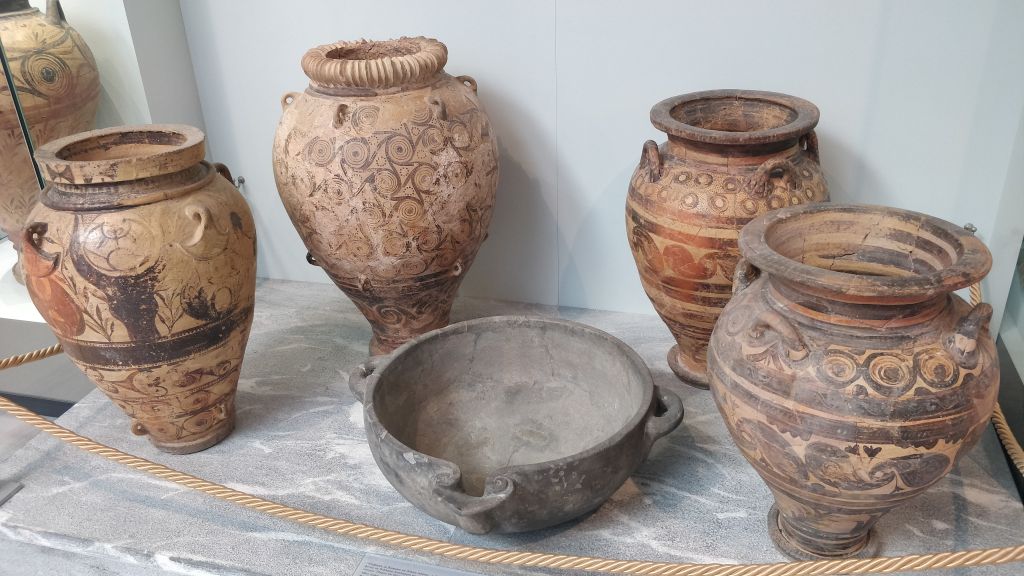
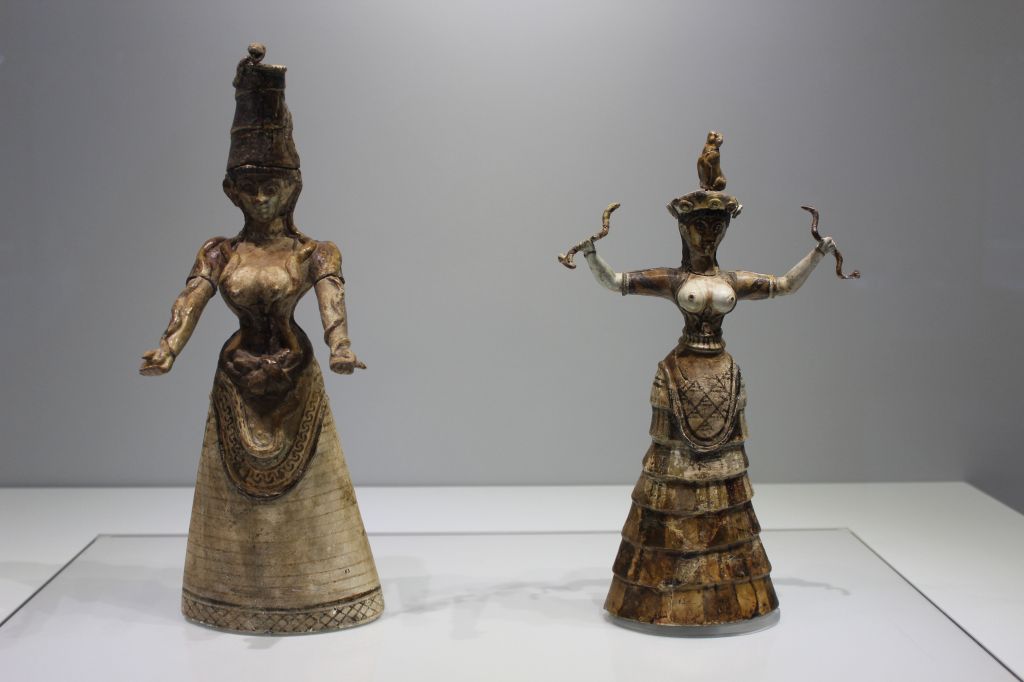
I’ll spare you most of the indoor museum and though the excavated items were cool to see (old mosaics, pottery, and statues) they don’t make for an interesting blog post.
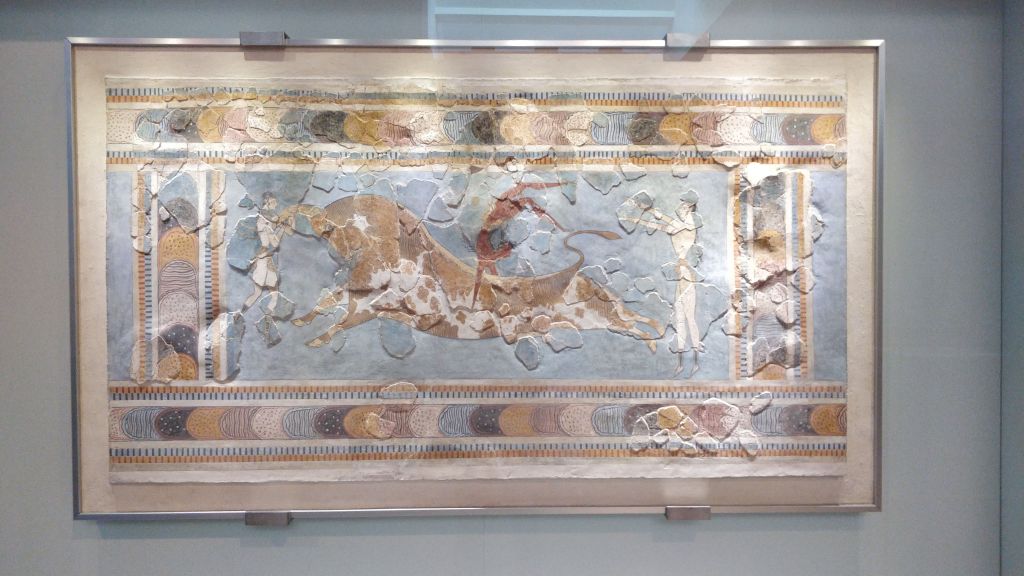
Legend states that King Minos of Crete received a snow-white bull from the Greek god Poseidon for sacrifice. Minos refused to sacrifice the bull so Poseidon made it fall in love with his wife, Pasaphae and she bore a half human, half bull, creature that was named the Minotaur (Minos’ Bull). King Minos kept the creature locked up in the lowest depths of Knossos Palace at the end of a great labyrinth.
As mentioned, the Mycenaean’s were the greatest power in the Mediterranean and King Minos’ seeked vengeance on the Athenians for killing his son. He demanded that every year Athens would send 7 boys and 7 girls to be devoured by the Minotaur. On the 3rd year of the demand, the Athenian hero Theseus was outraged and volunteered himself in place of the 14 children. King Minos accepted and threw him into the labyrinth where he slew the Minotaur.
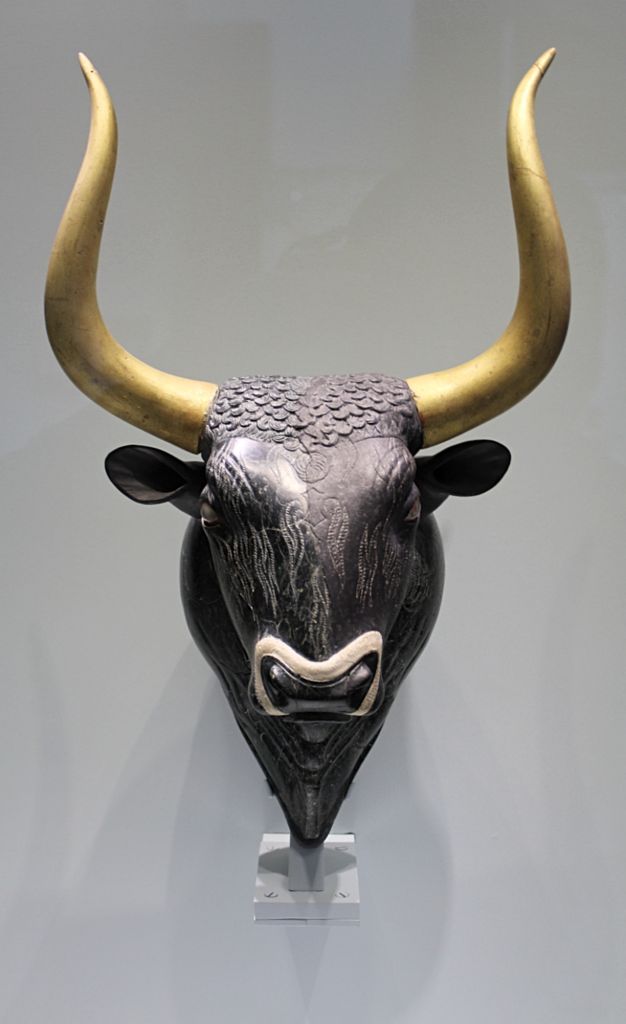
The Mycenaens of 3500 years ago obviously believed the myth because they had a major fascination with bulls as seen in multiple sculptures, mosaics, and painted onto their pottery. They are often portrayed doing bull jumping.
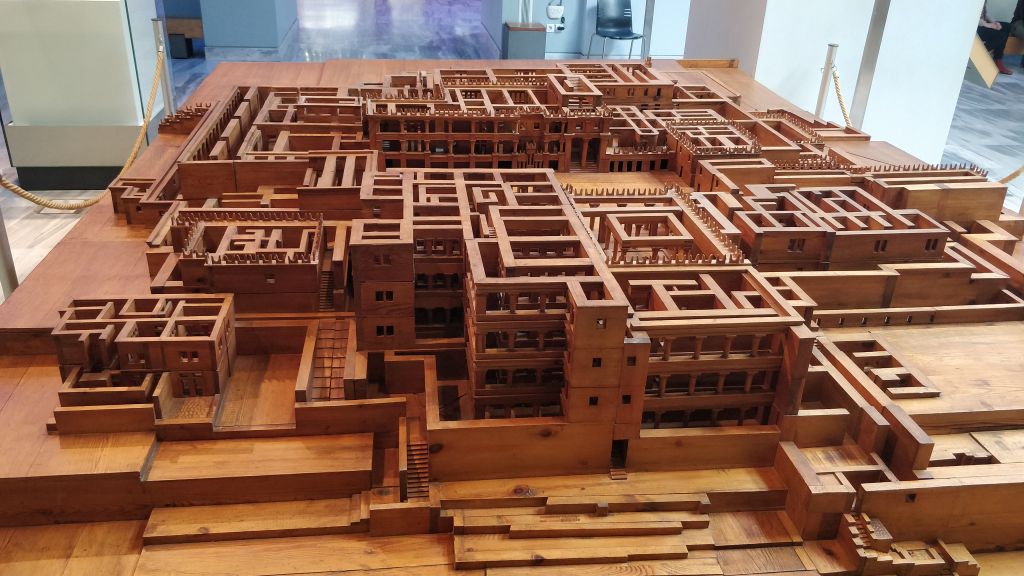
Here’s a replica of what the Palace probably looked like.
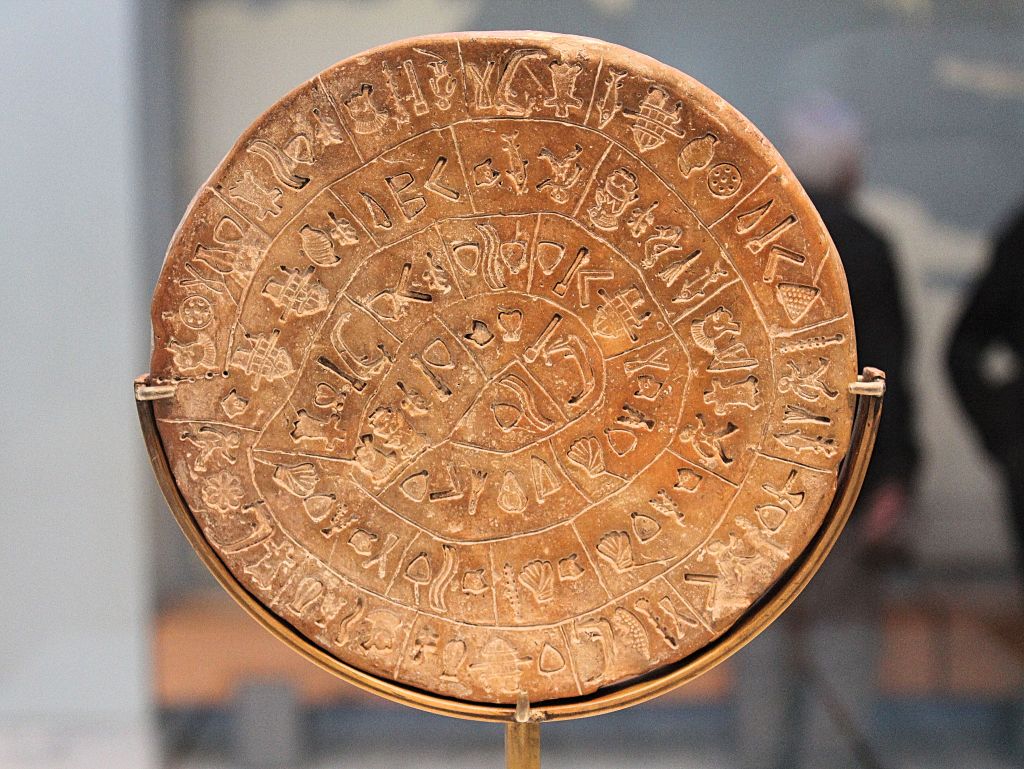
The prized possession of the museum is the famous Linear-B tablet. The Minoans (people that predate the Mycenaeans) had a language historians call Linear-A that can be seen on their pottery but it has never been deciphered. The writing system Linear-B later developed but again it has never been deciphered however a fully intact circlet with Linear-B inscriptions was uncovered. This tablet is suspected to be a poem as it has many characters repeated which may indicate some form of rhyming but until we can decipher the language it will forever be a true mystery.
Maybe I’m a bit too nerdy about history but I had seen a documentary on the Linear-B tablet as a kid and now seeing it in person 20+ years later was so cool. Just the fact that it has survived almost 4000 years and I can go look at it in person is total bananas.
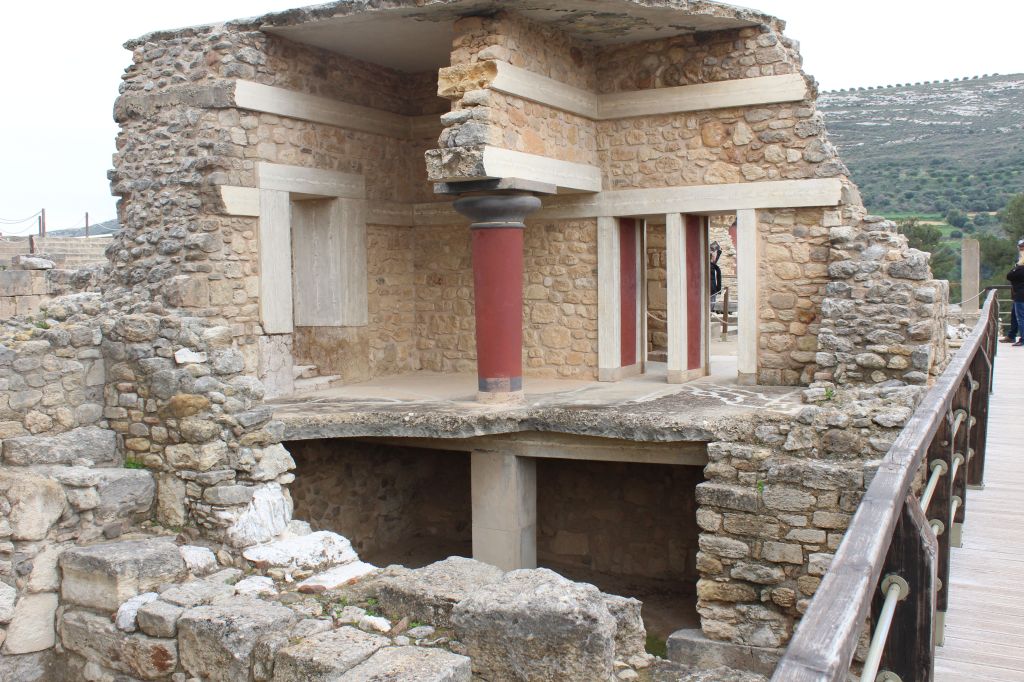
The excavation site for the palace lies some 30 kms south of the city but a city bus will drop you off right at the entrance. Don’t bother paying for an expensive taxi ride unless you’re really pressed for time.
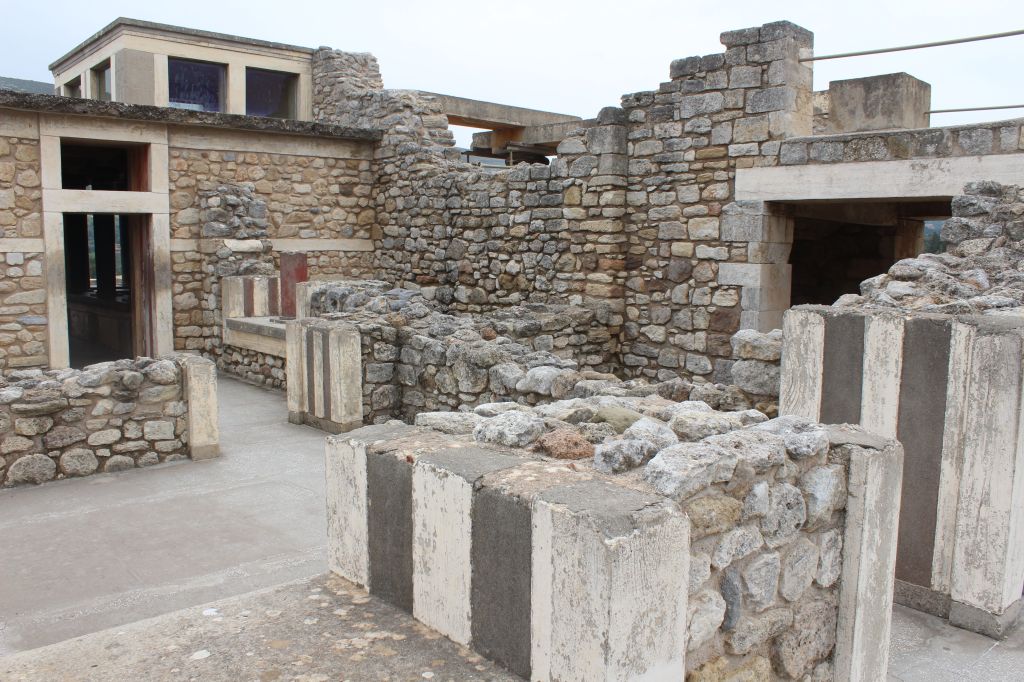
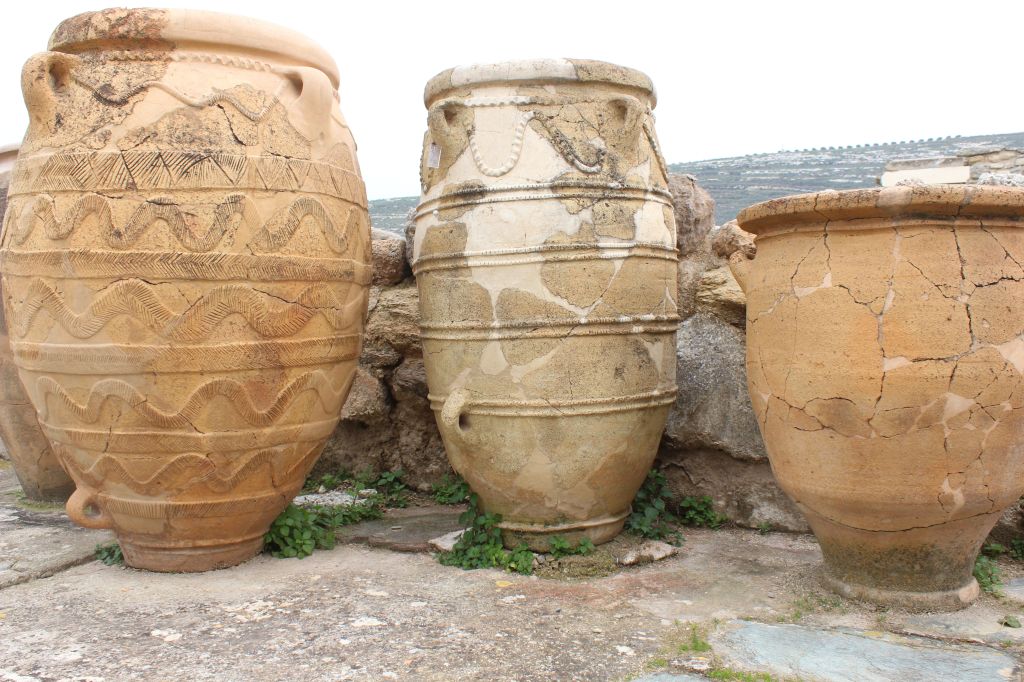
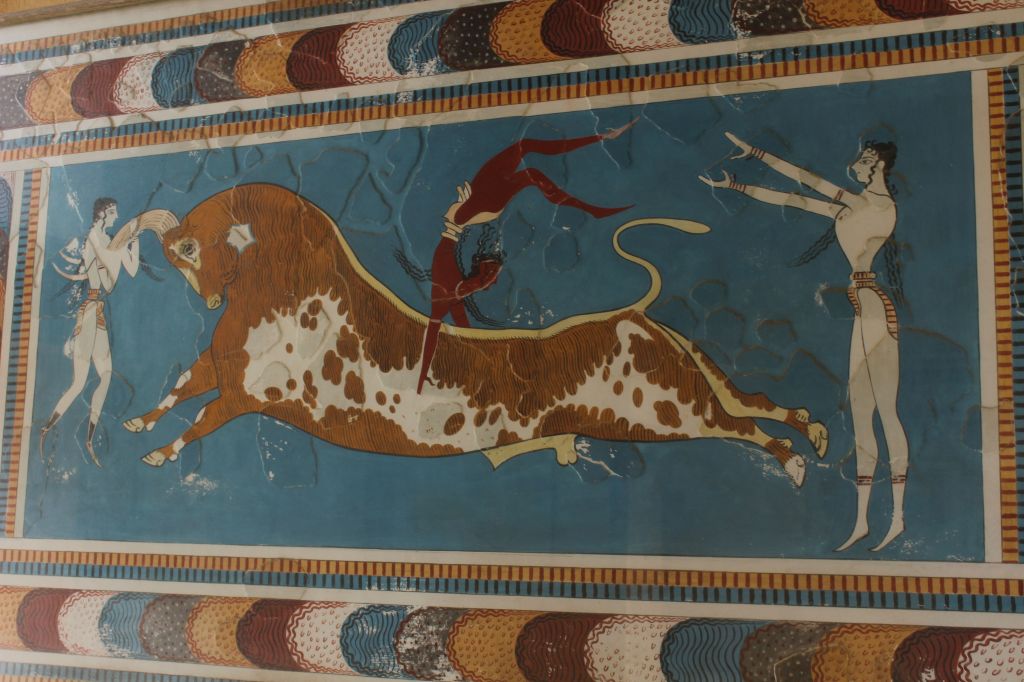
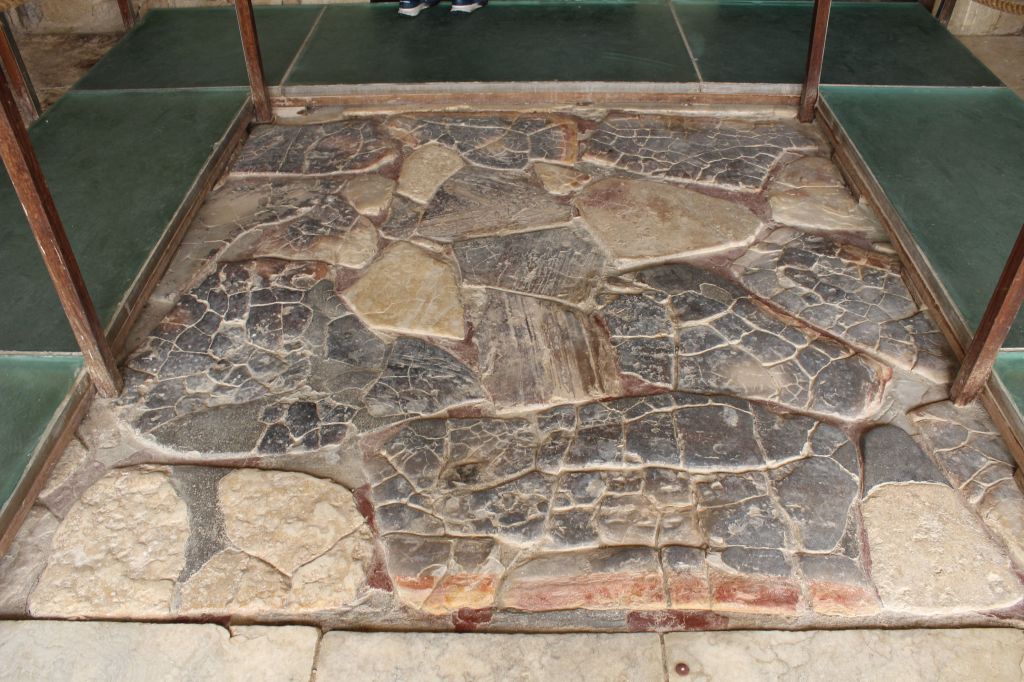
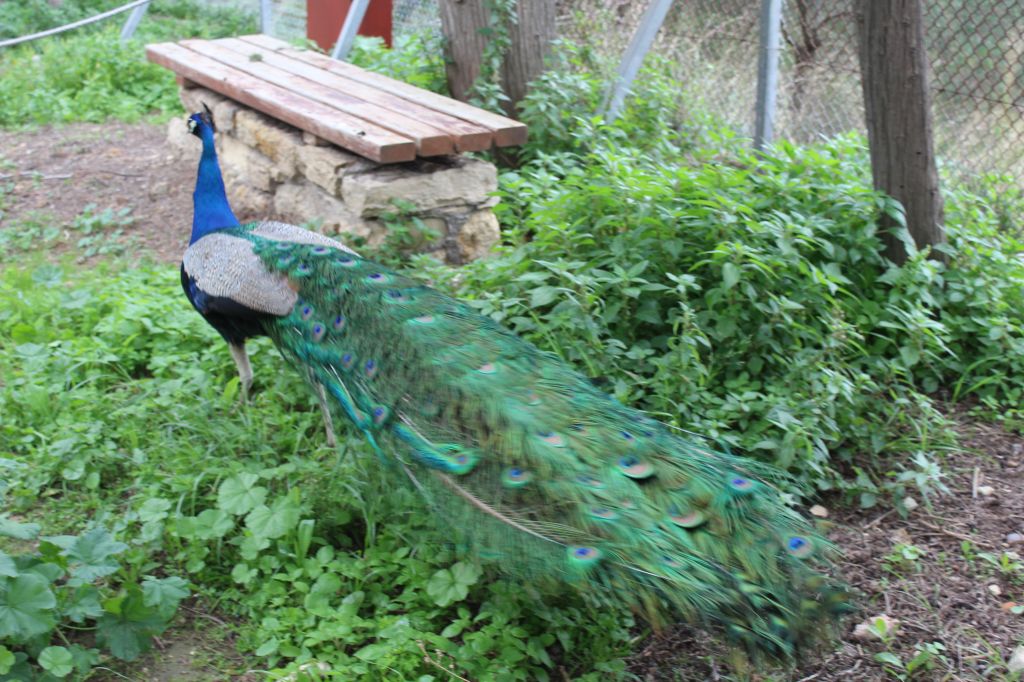
At the end of touring the ruins Candice found a friend to photograph. He was a bit camera shy though and she had to stalk him for a good 10 minutes just to get this picture.
The Most Greek You Can Get
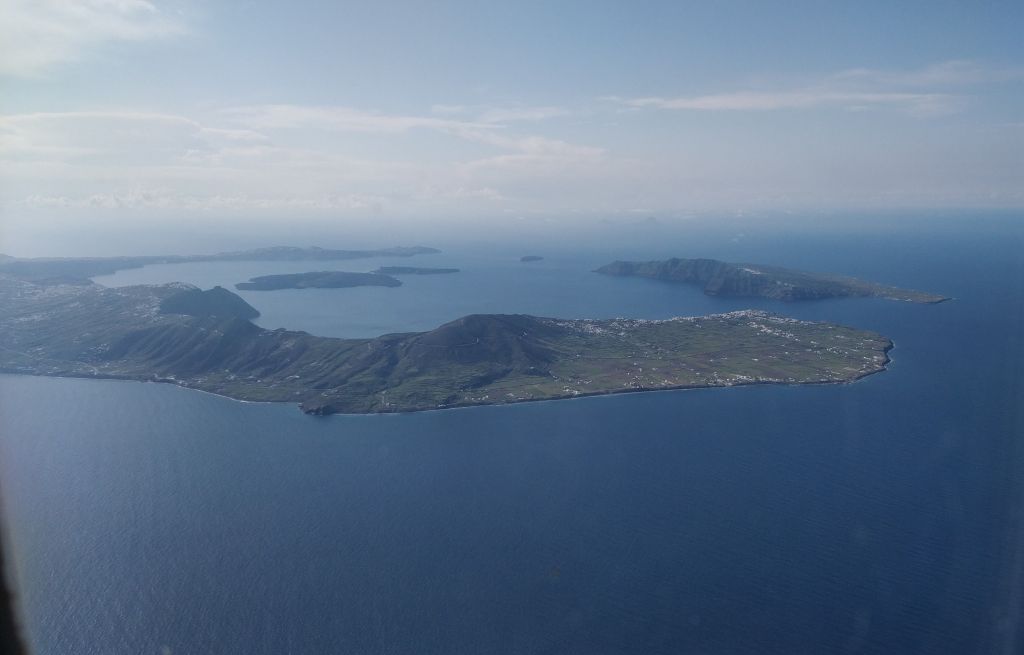
Greece is a large, diverse, country with varying landscapes and sites to see but if you go to Google and type in Greece you will only find pictures of one place. A massive, ancient volcano used to rise out of the Mediterranean over 10,000 years ago until around 1625 BCE it set off one of the largest eruptions to have occured since then. The eruption destroyed much of the volcano and collapsed its lava chambers allowing the sea to rush in and fill almost all of the crater.
What we’ve been left with is the stunning island of Santorini. By far the most photographed place in Greece (maybe the World??). Some tourist places are far too overrated (yes you water villages of Bangkok) and some tourist places are worth the hype (The Great Wall, Angkor Wat, the Taj Mahal) but then there’s Santorini, one of the most touristed places in all of Europe and yet somehow I almost think it’s actually underrated.
Granted this island is probably tourist hell in the high season but we travelled here in February at the lowest of the low season and so we were able to wander the island and feel like we had it (almost) to ourselves.
Do yourself a favour and make sure you don’t fall asleep during landing. The view from high up is spectacular and you will 100% see the old volcano with its crater now swamped by the sea.
Whenever you travel long term you will inevitably get sick at regular intervals. It could be due to travelling in confined spaces with strangers, the food, or just exhaustion but you will get sick. For me, the last time I got sick was when we landed in Rhodes. I think our last meal in Marmaris, Turkey, didn’t sit well and I needed 2 days to recover to 100% but for Candice she had terrible timing and got sick the first day we were in Santorini.
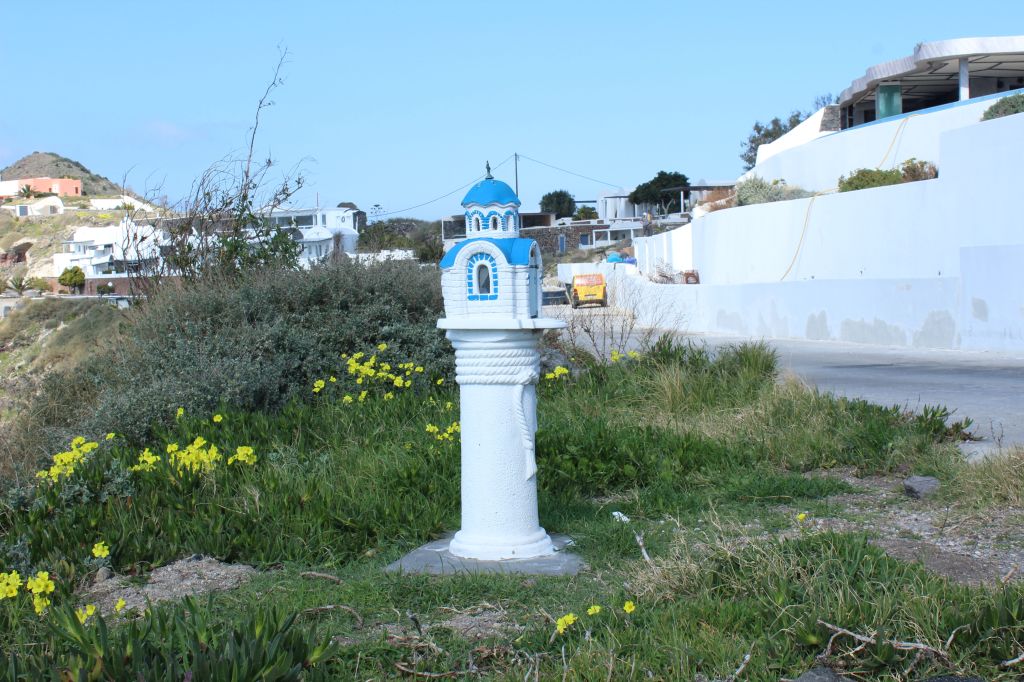
I tried but I couldn’t convince her to leave the hotel room the first day so I had to venture out on my own for some photographs. Just 500 meters up the hill was the edge of the Caldera which has some of the most stunning views of the island.
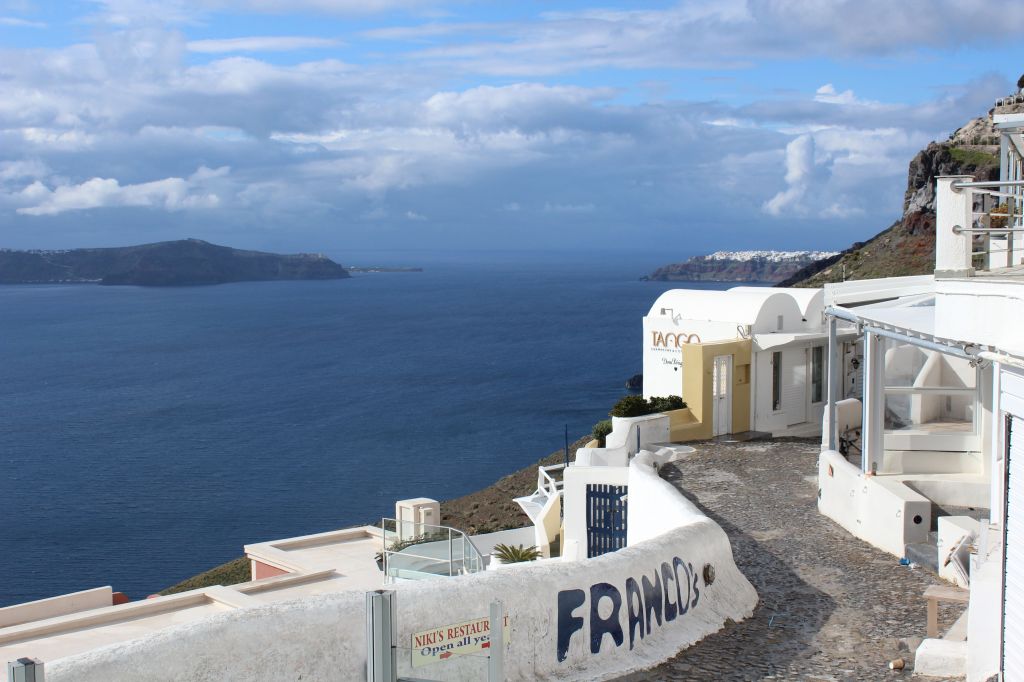
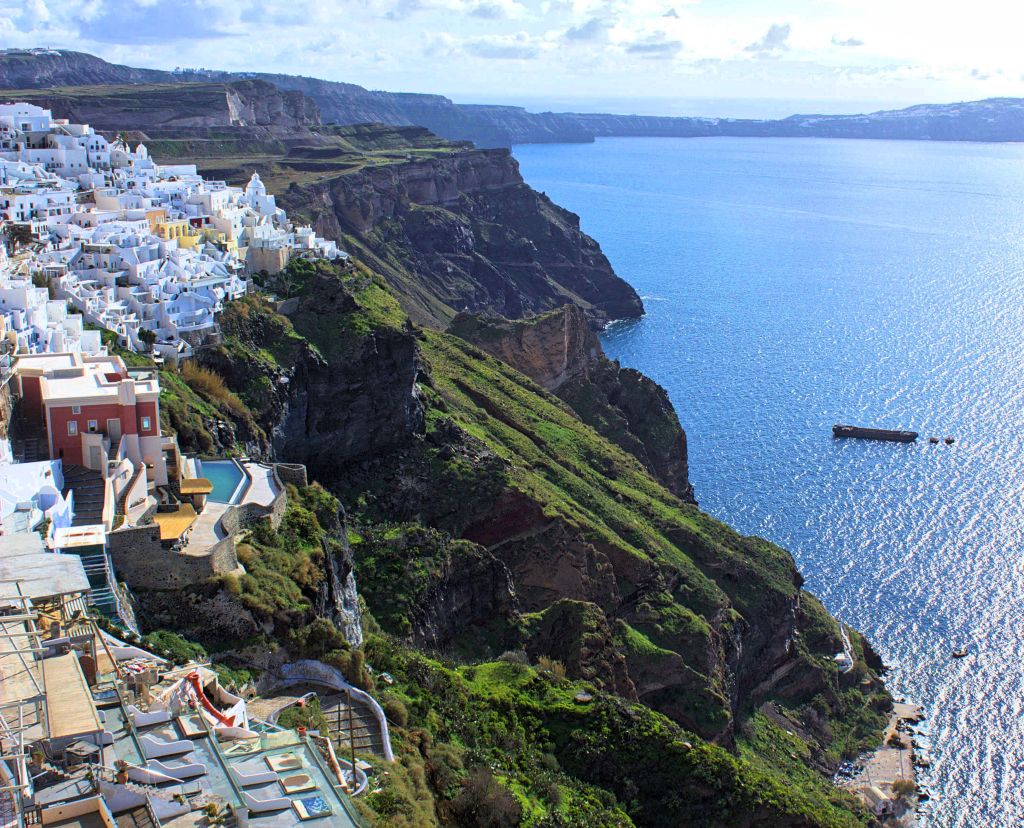
I was quite shocked at the size of Santorini and I’m not sure what I expected but I never realized there were 5 or more towns on the island. I just sort of assumed it was one town with some “countryside”. Our hotel was booked in the town of Fira which is best known for its buildings built along the caldera which explains why I didn’t have to go far for those amazing pictures.
I still had some time to kill for the afternoon but I couldn’t go to any of the best spots without Candice so I chose a walk inland towards the center of the island. It was pretty and a nice stroll but after seeing the caldera I didn’t find anything I felt was worth photographing.
On Foot Across The Island
On day 2 we had some nice weather and Candice was feeling well enough to go outside so we did the most popular thing on the island and walked the caldera from Fira to Oia
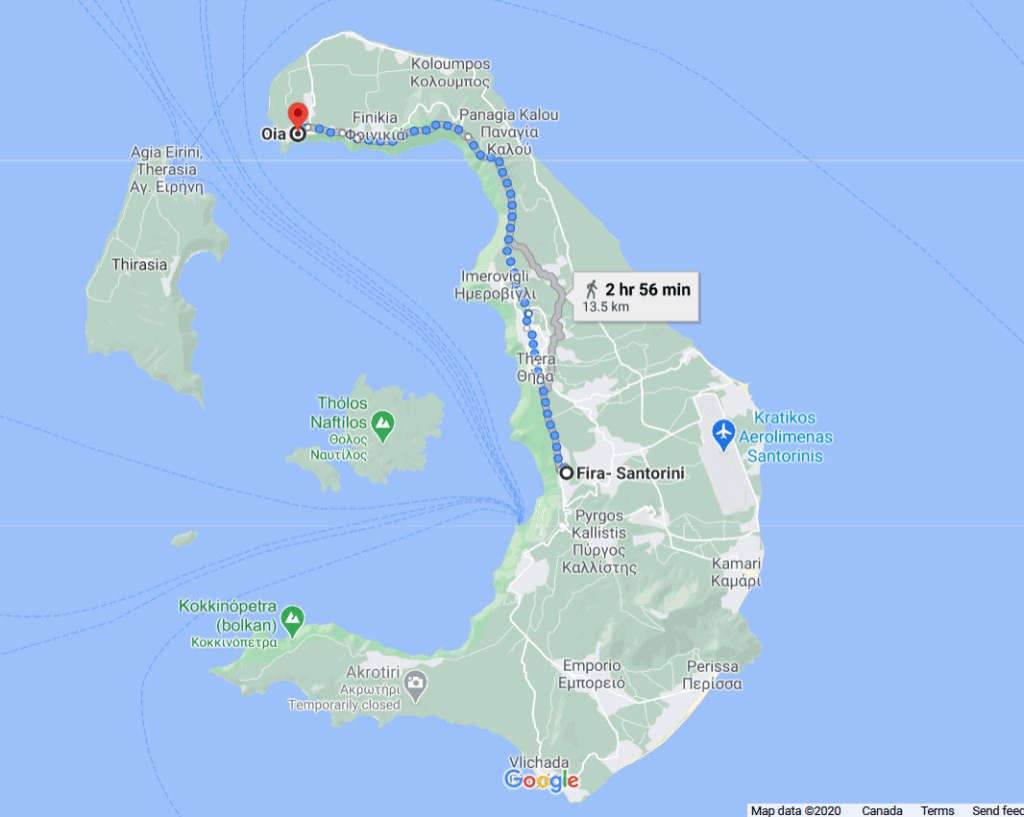
The 3 hour walk gives you stunning views of the island along with the crater. Most people choose to go from Fira to Oia because Oia has the most stunning sunsets on the island but for those people that choose a hotel in Oia they might do it in reverse. Santorini has a decent bus system that gets you to all the villages and towns so you can always bus your way back no matter which way you choose.
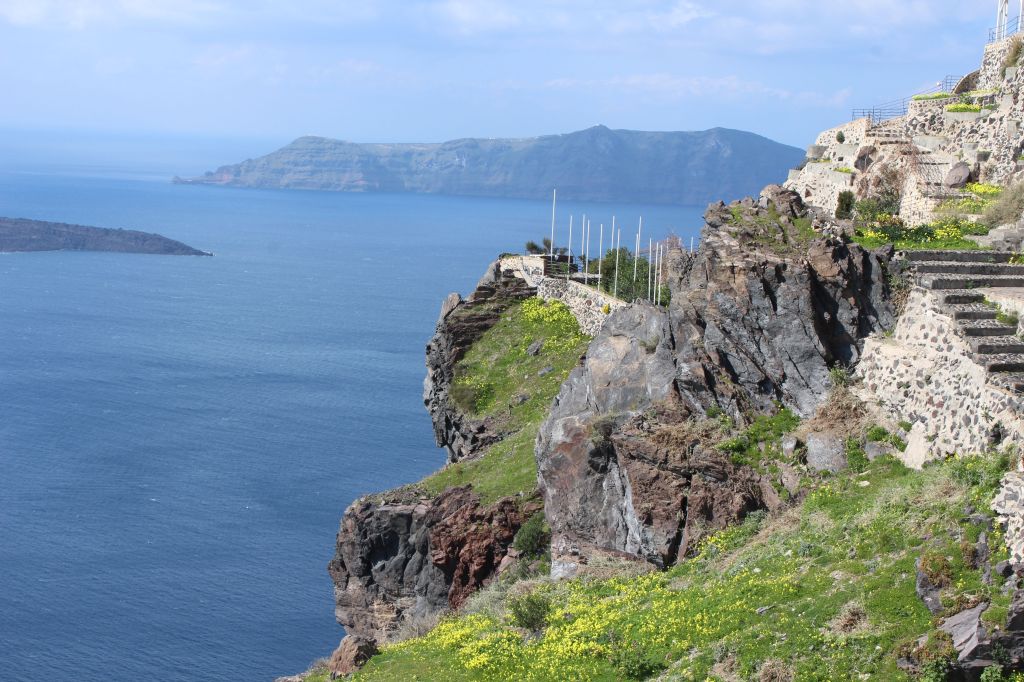
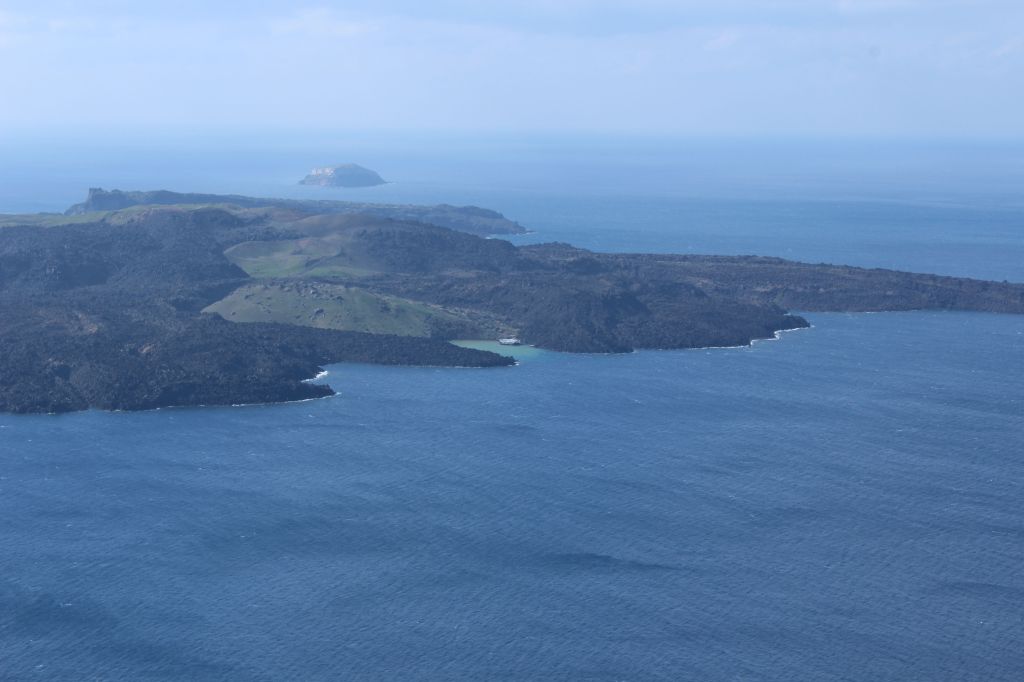
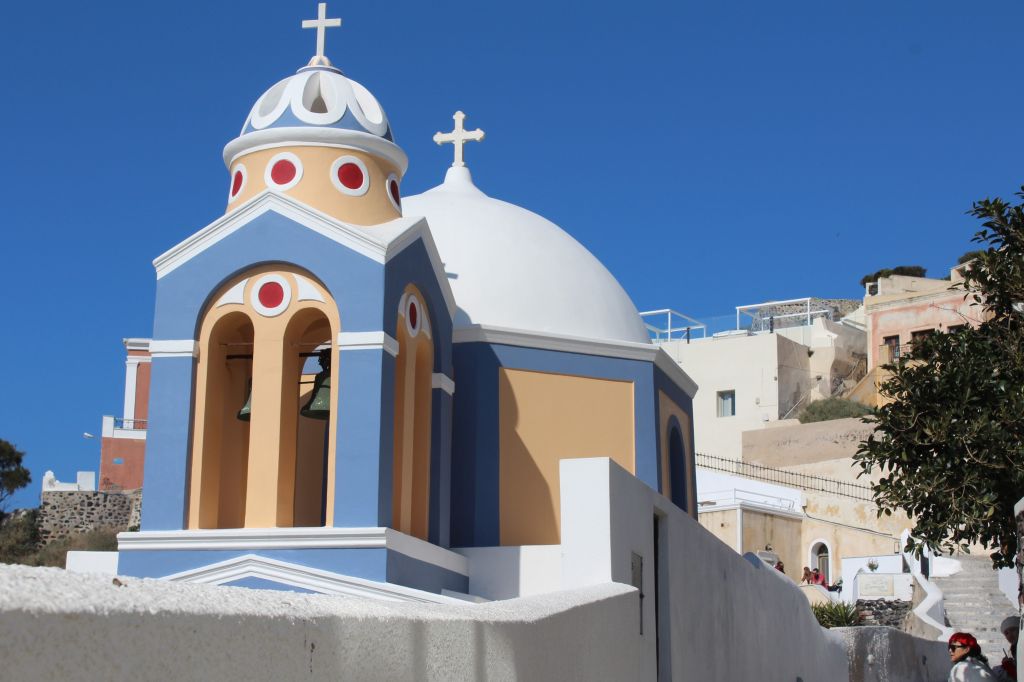
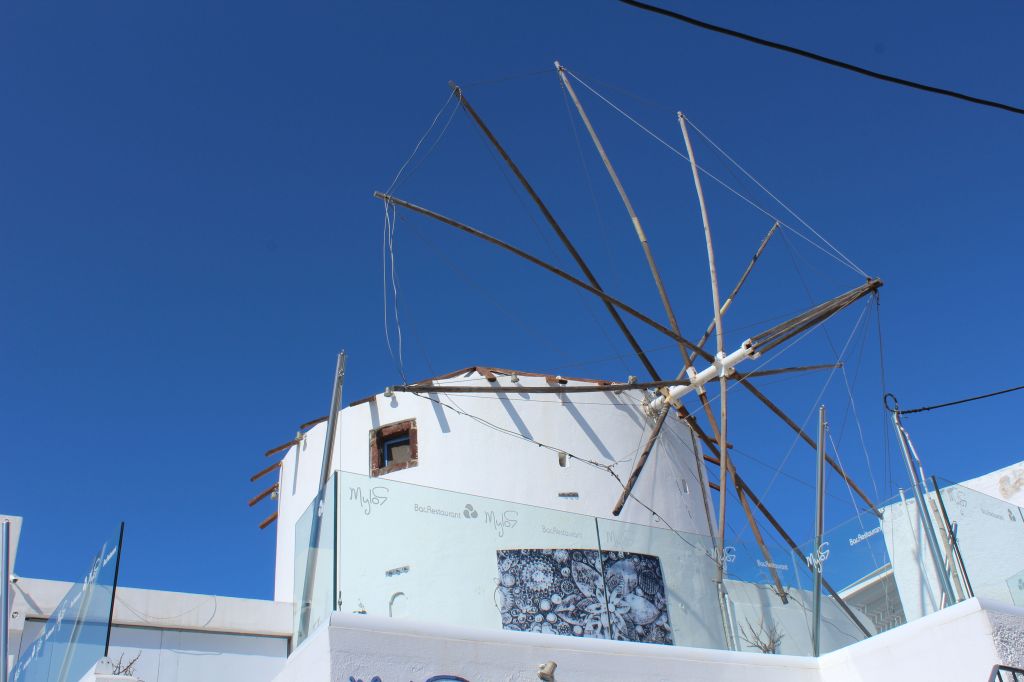
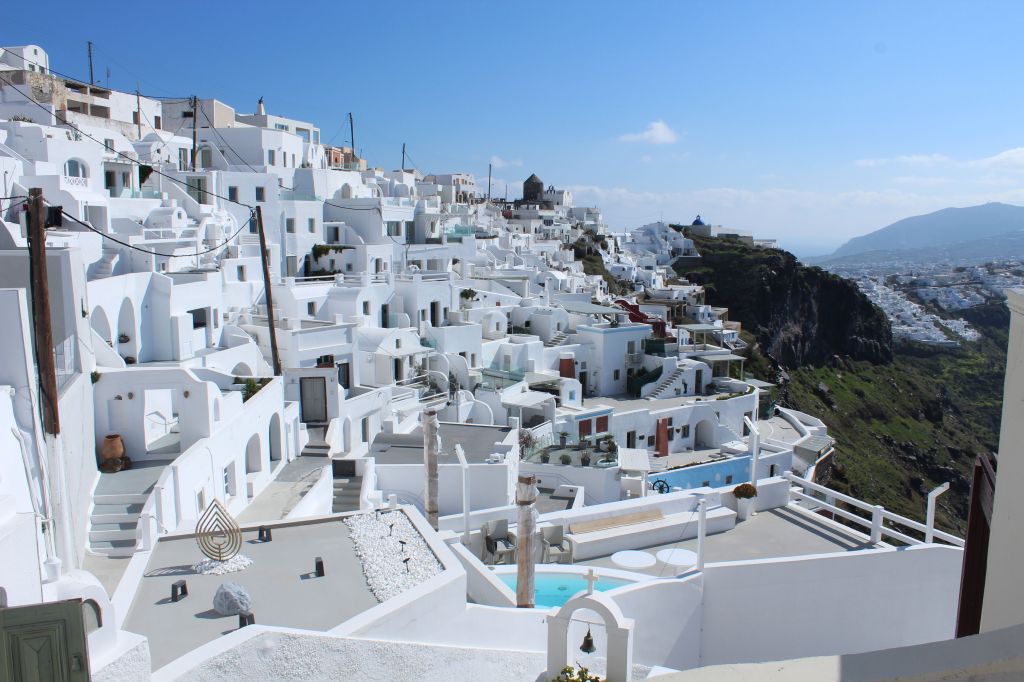
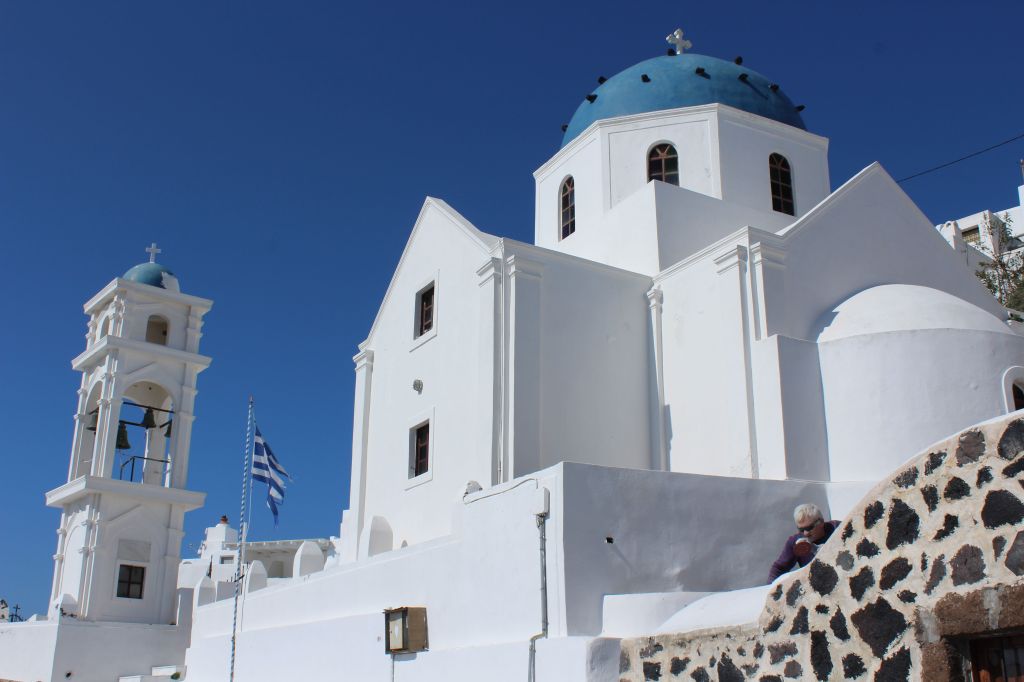
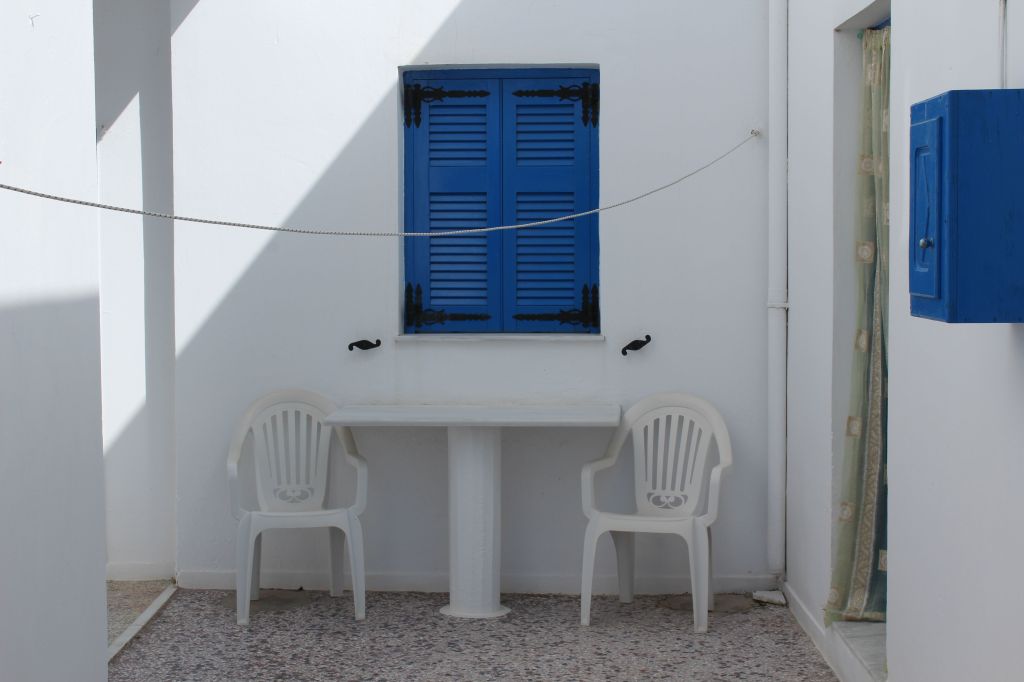
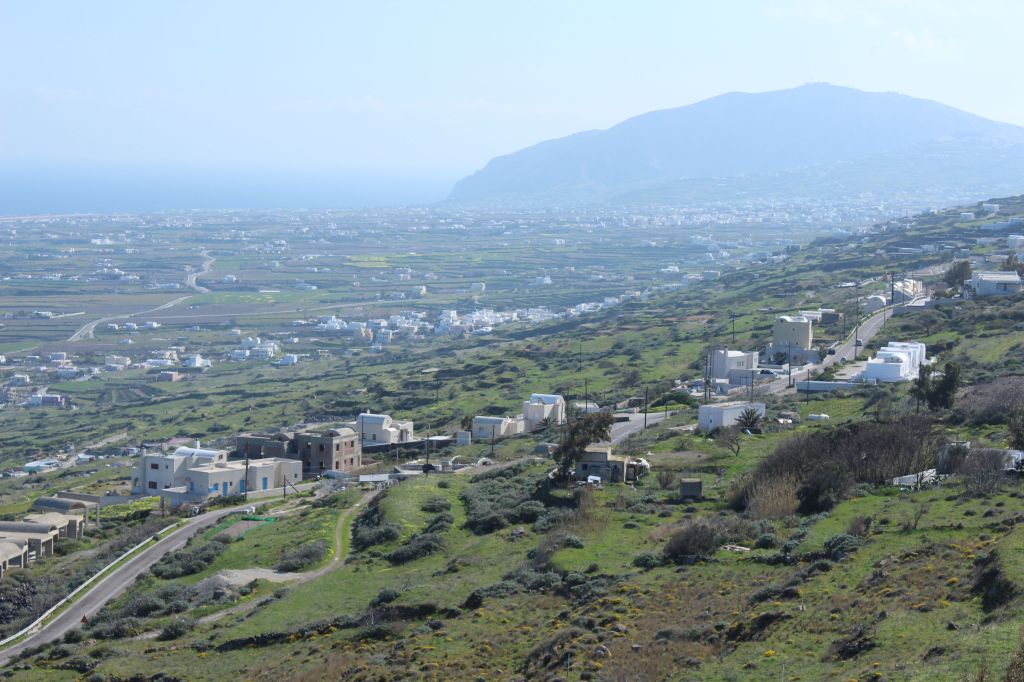
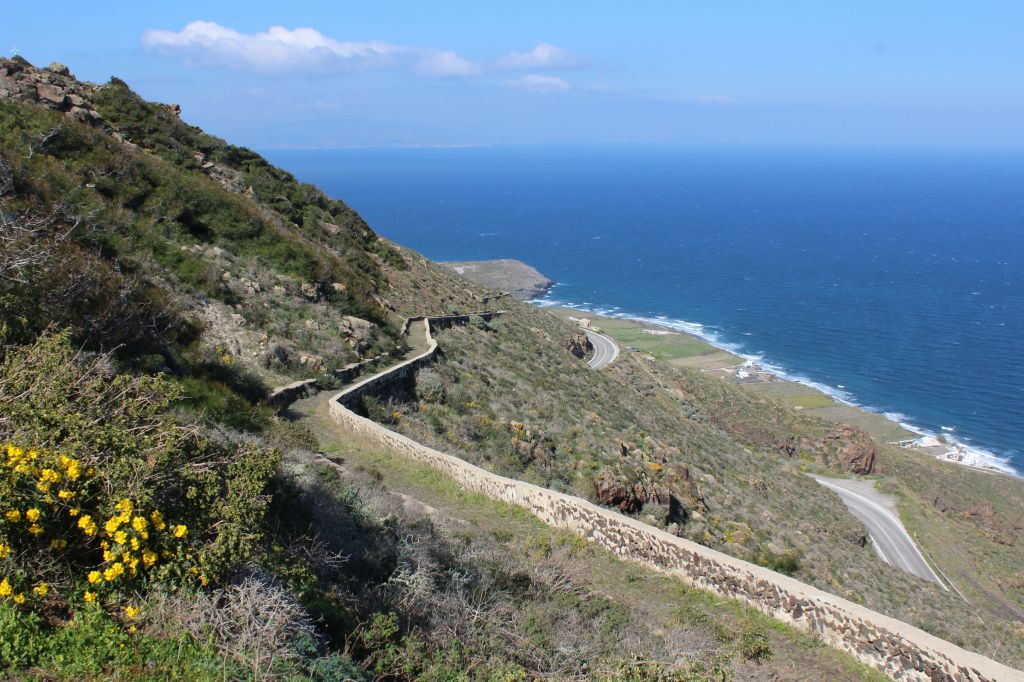
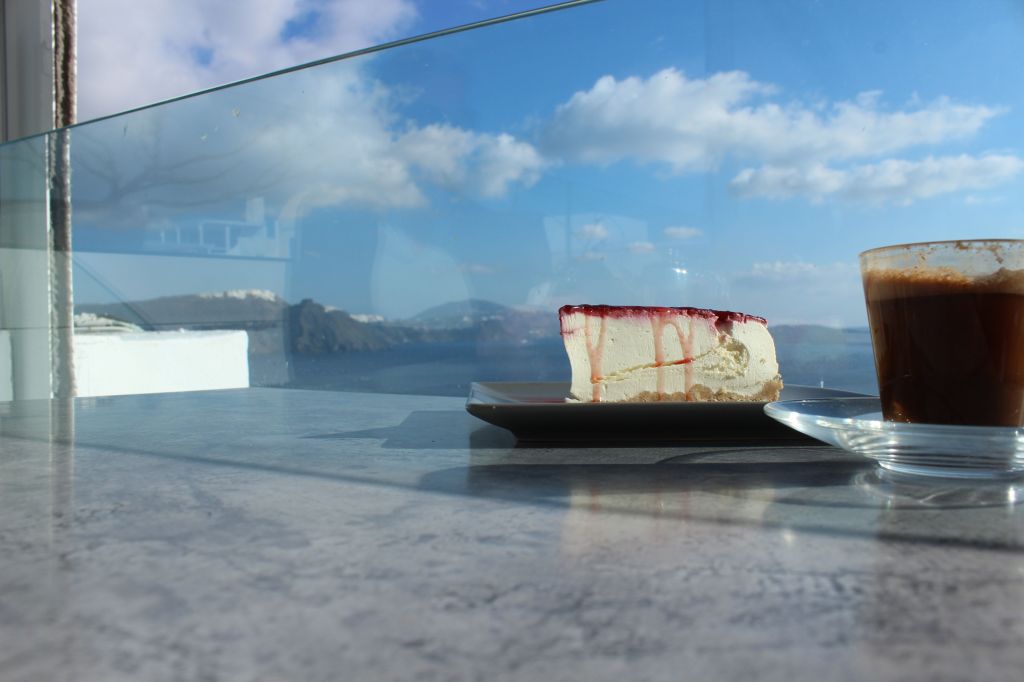
After about 3 and 1/2 hours (we stopped a lot for photos) we finally arrived in Oia and made for the first cafe to take a break at. Cake and coffee while staring into a volcano crater? Yes please!
Just as Fira is best known for its caldera, Oia is best known for its architecture. This little town is breathtaking and you could spend hours wandering the side streets and winding through the narrow steps up and down amongst the buildings.
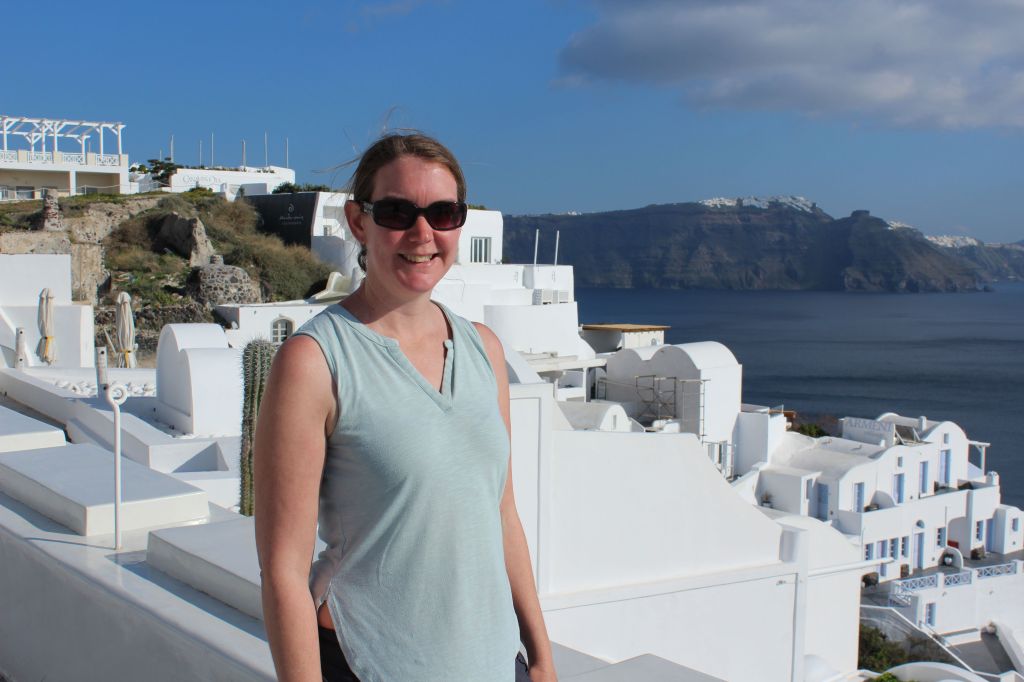
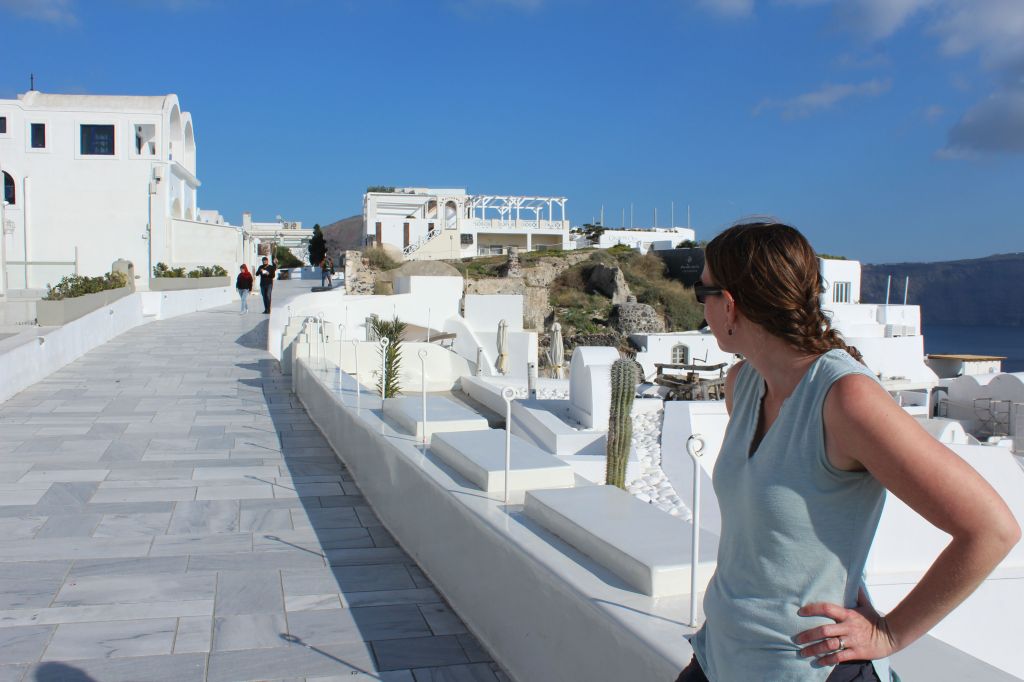
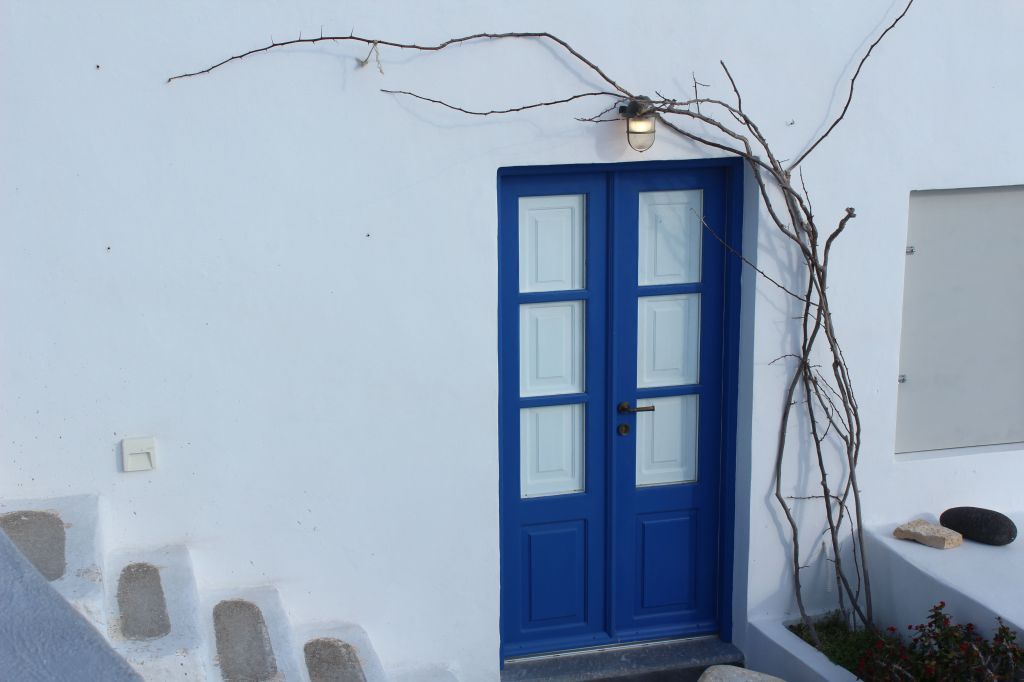
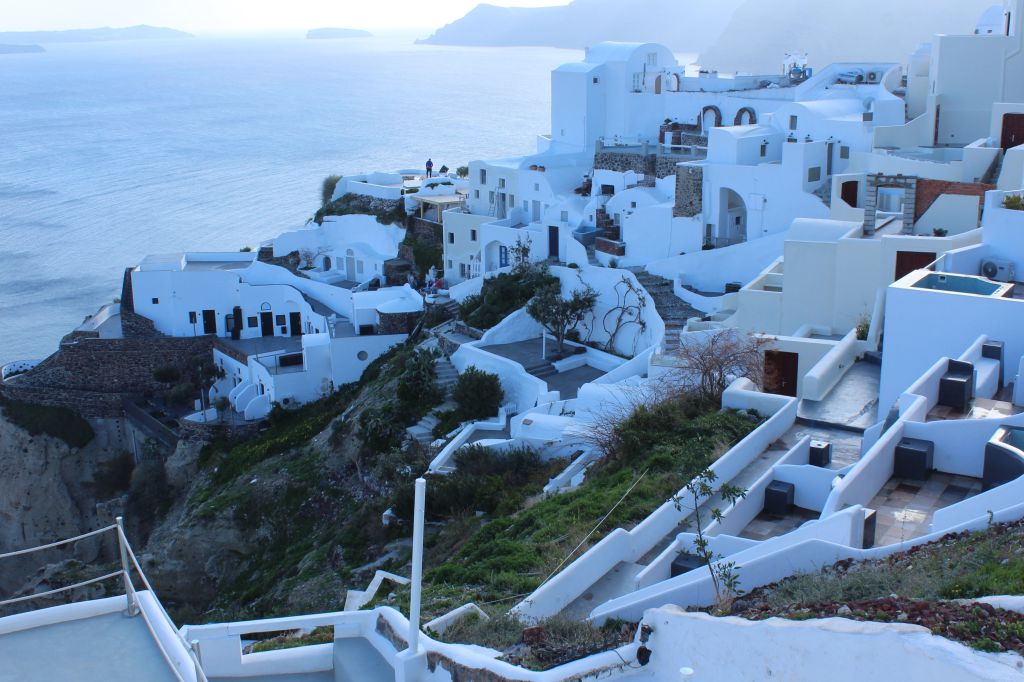
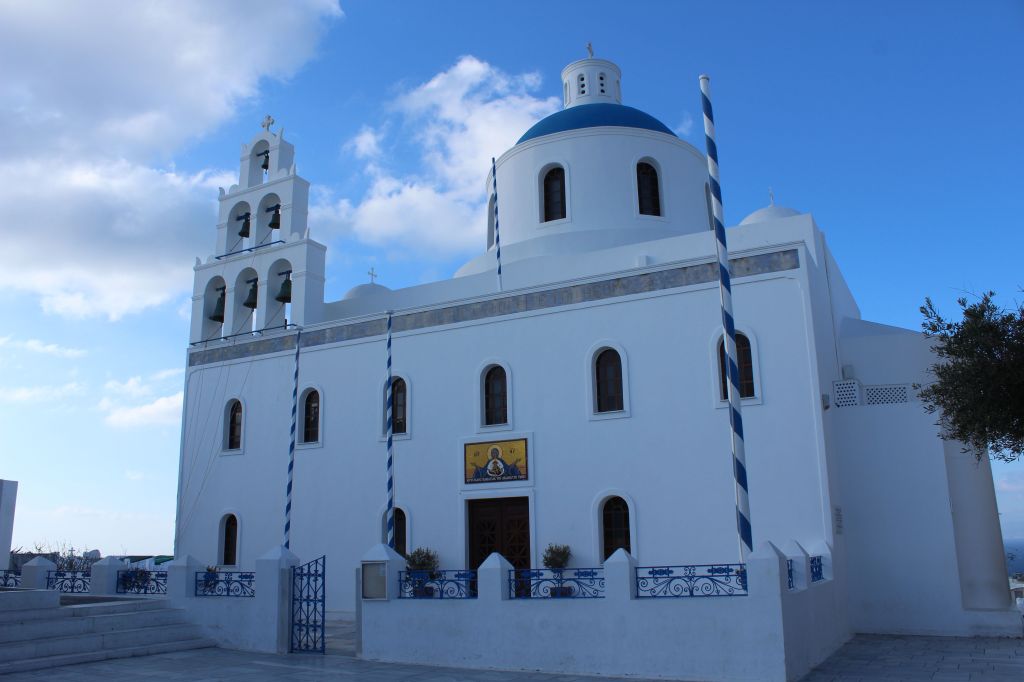
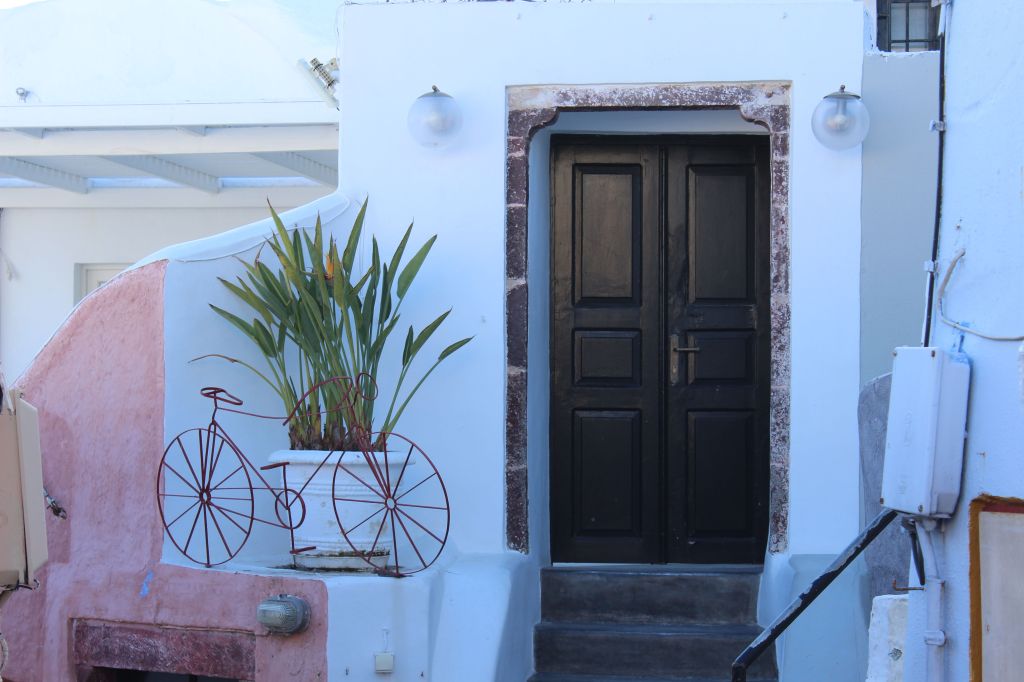
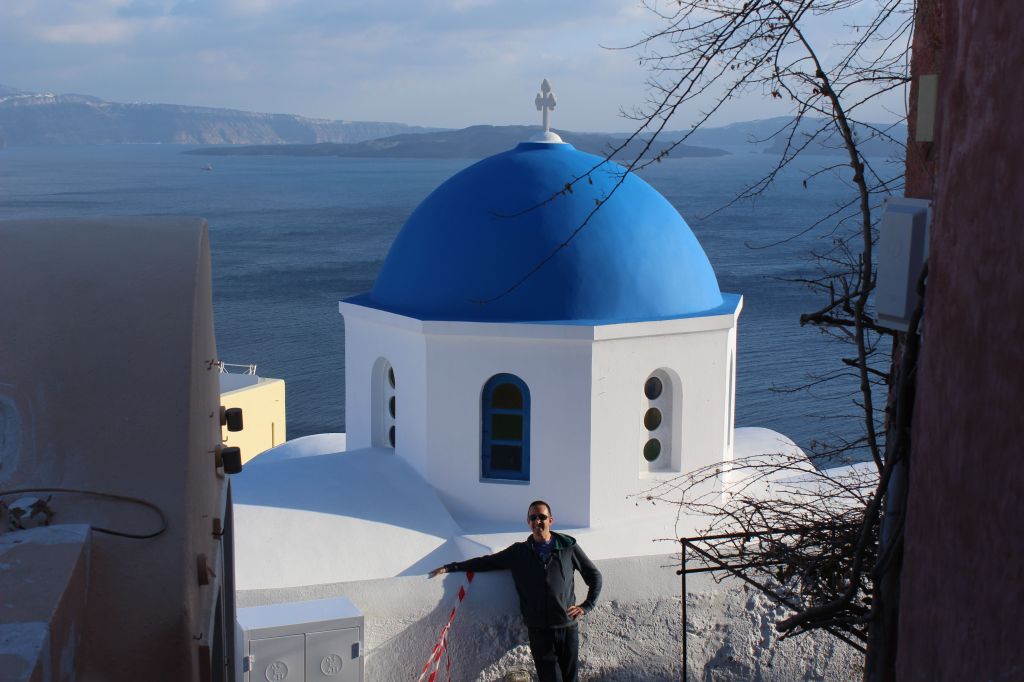
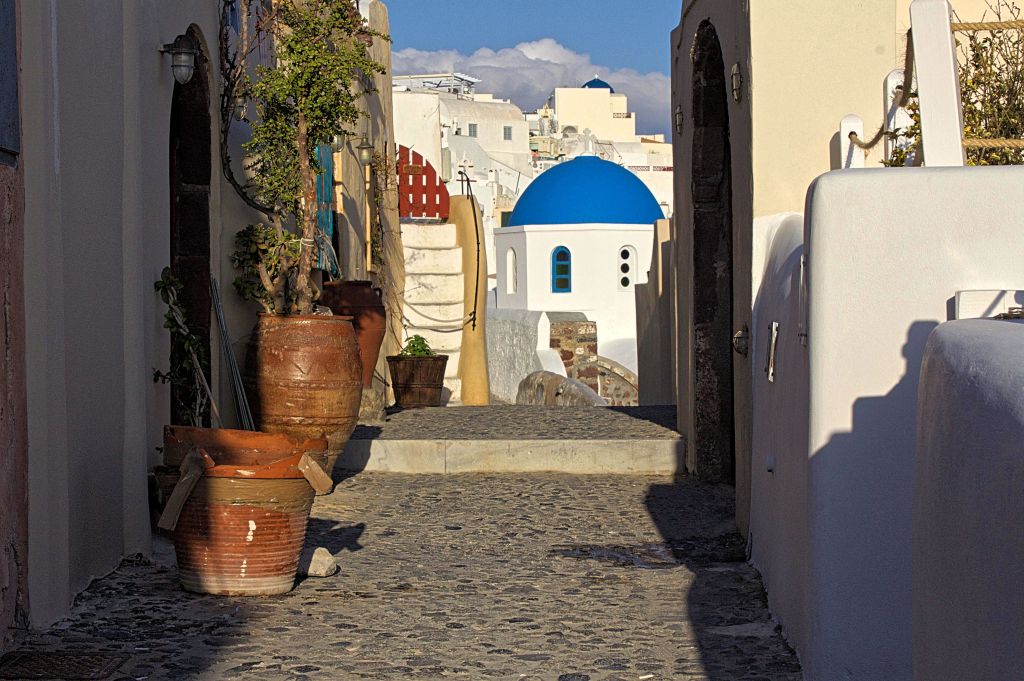
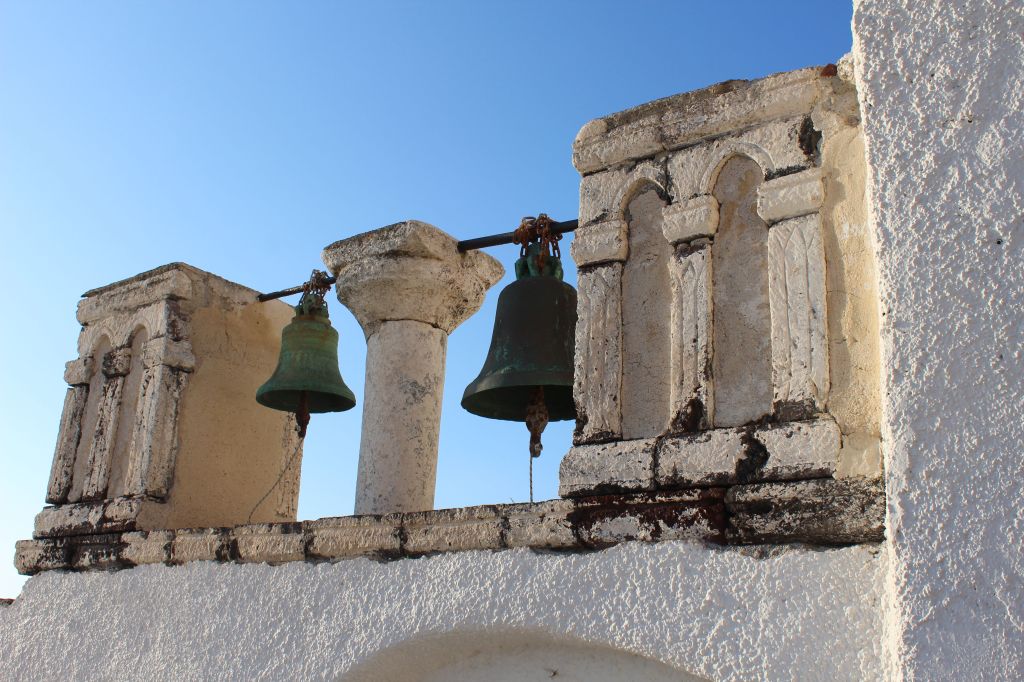
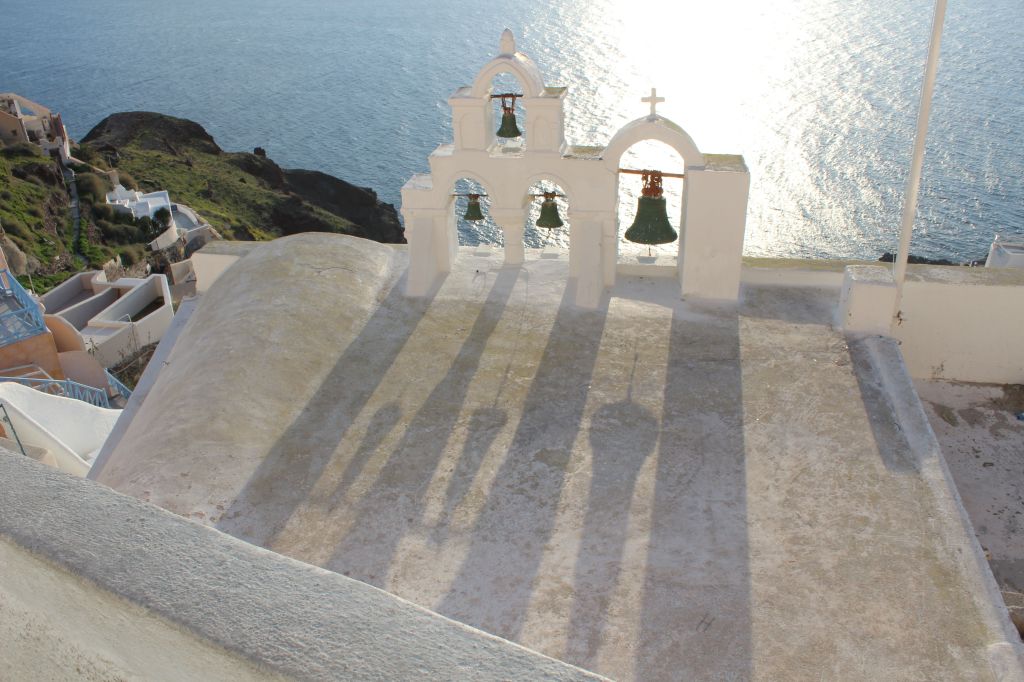
The one issue we had coming in winter is that the days are shorter. After getting to Oia around 2 pm we only had a few hours before sunset and it didn’t feel like enough time to properly explore.
As it neared 5 pm and the sun sunk lower in the sky we made our way to the most western part of the city and we found even more beautiful architecture to explore with the dying light.
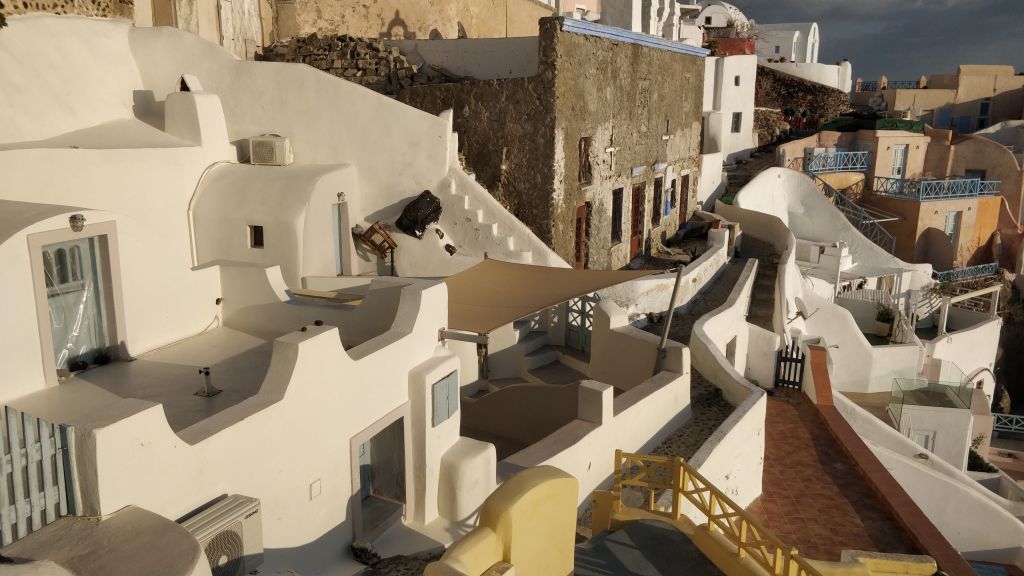
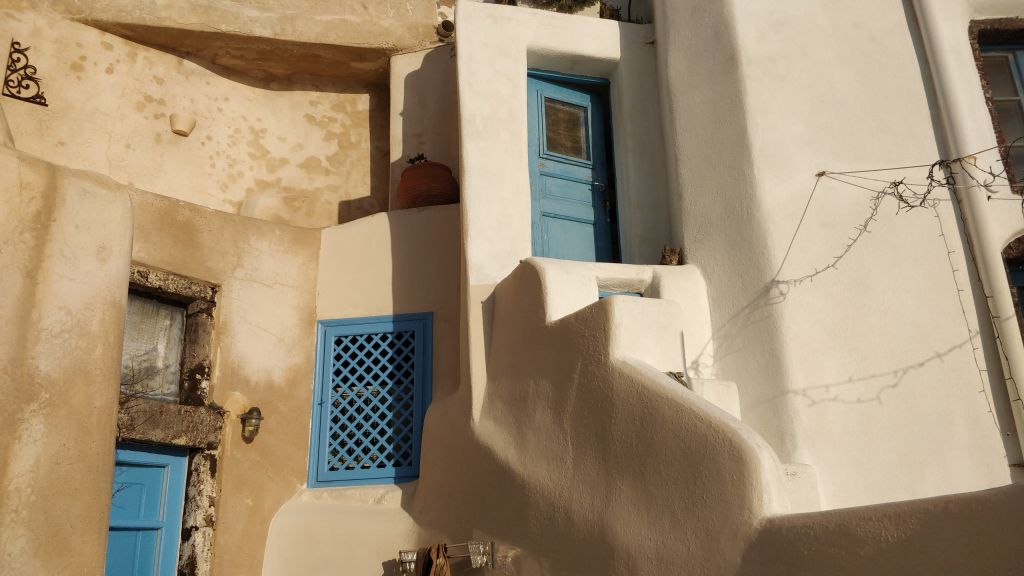
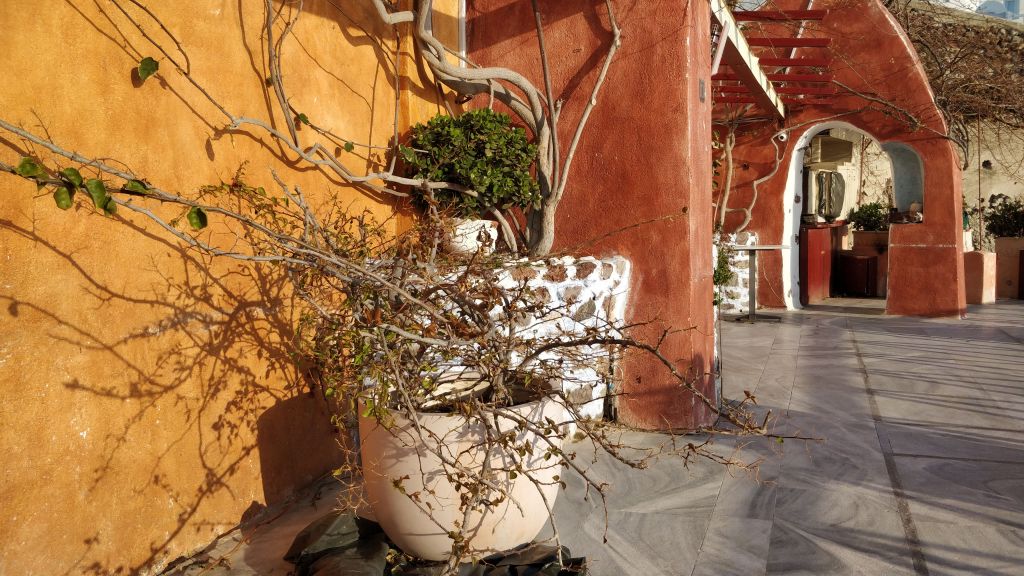
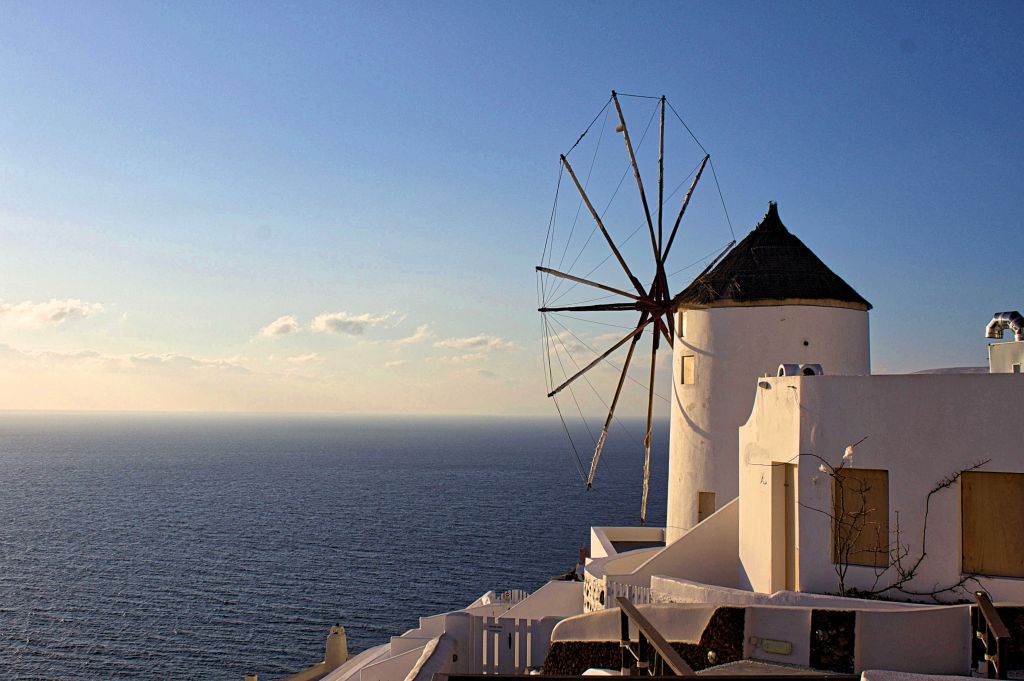
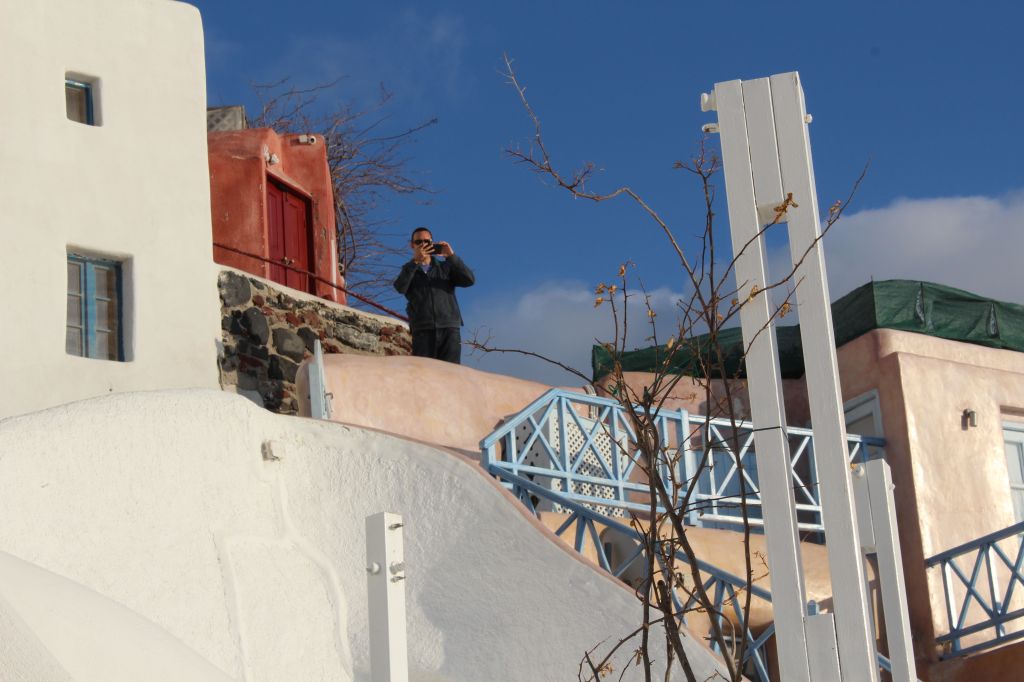
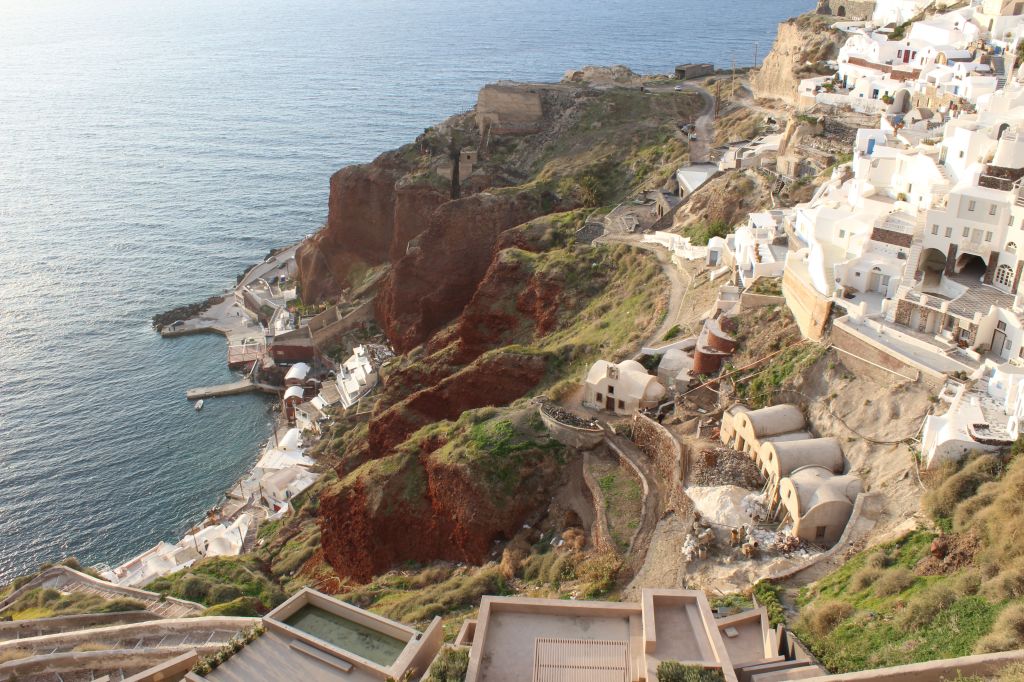
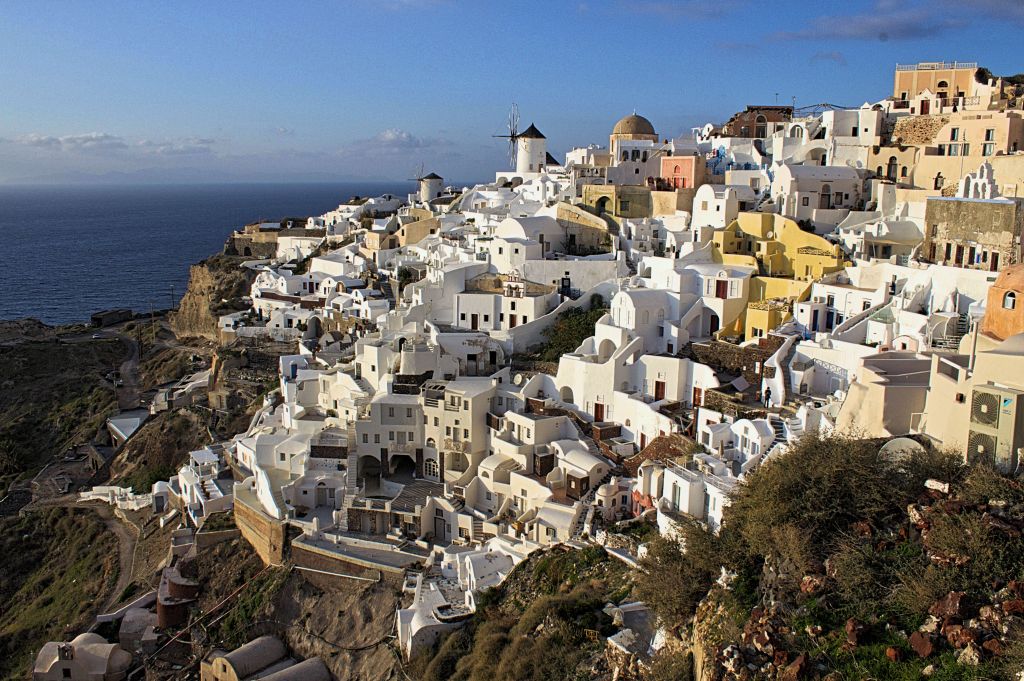
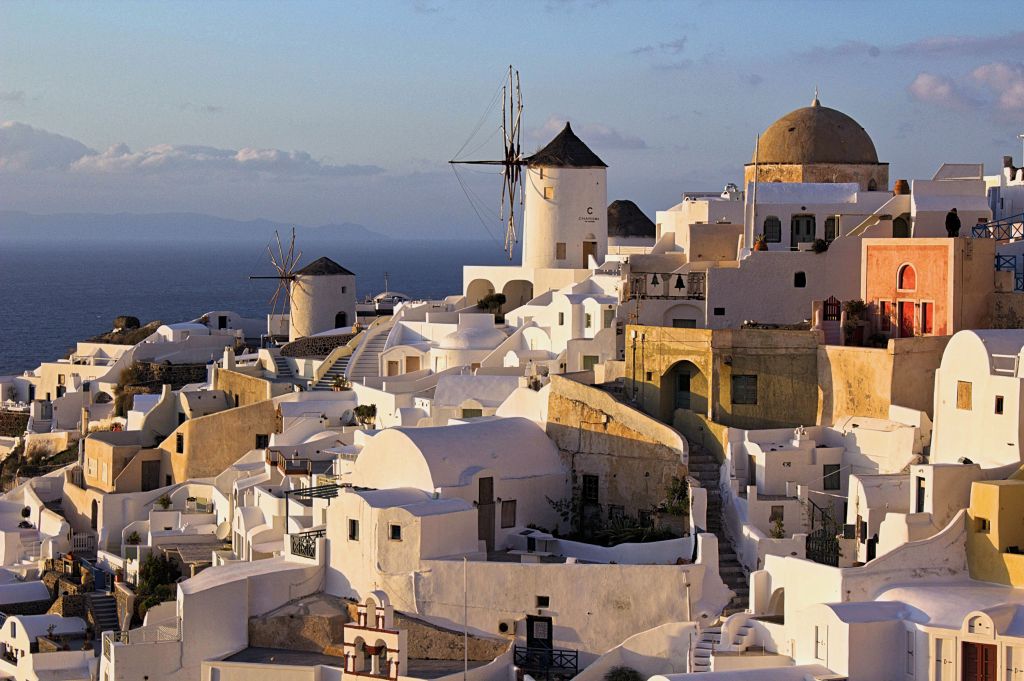
The day had been warm and we both didn’t need our jackets but as soon as the sun started to set boy did it get cold fast. Bundled up waiting for the sunset we were getting pretty frozen. As luck would have it we ended up not getting the best sunset and though it was a mostly clear day, the clouds decided to roll in low just for our sunset. It can be frustrating but I guess it makes you appreciate it more when you do get the perfect sunset.
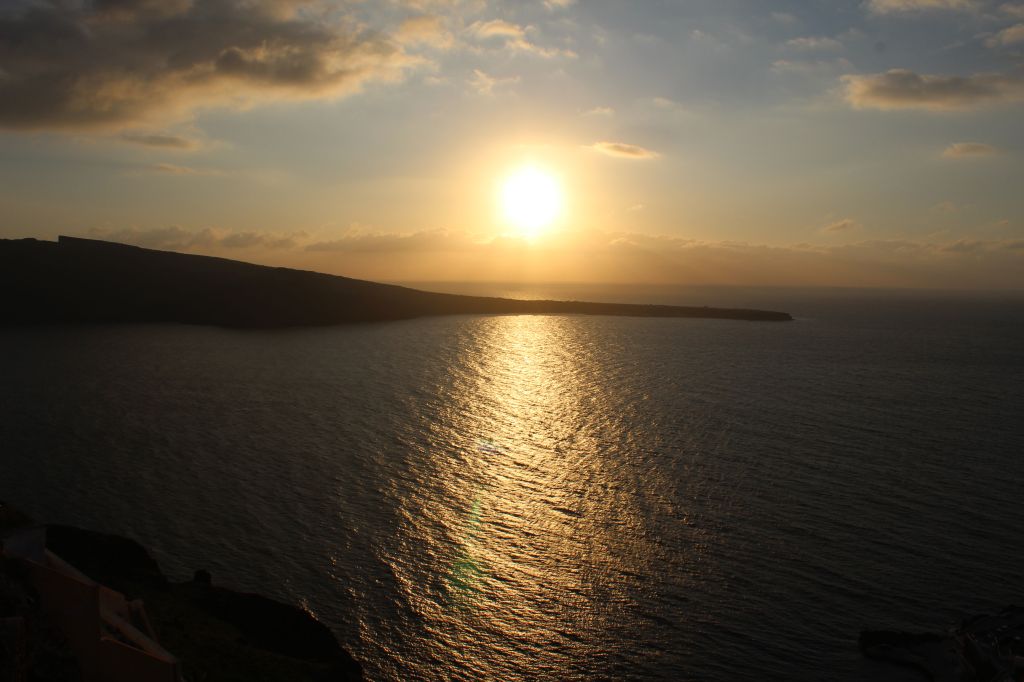
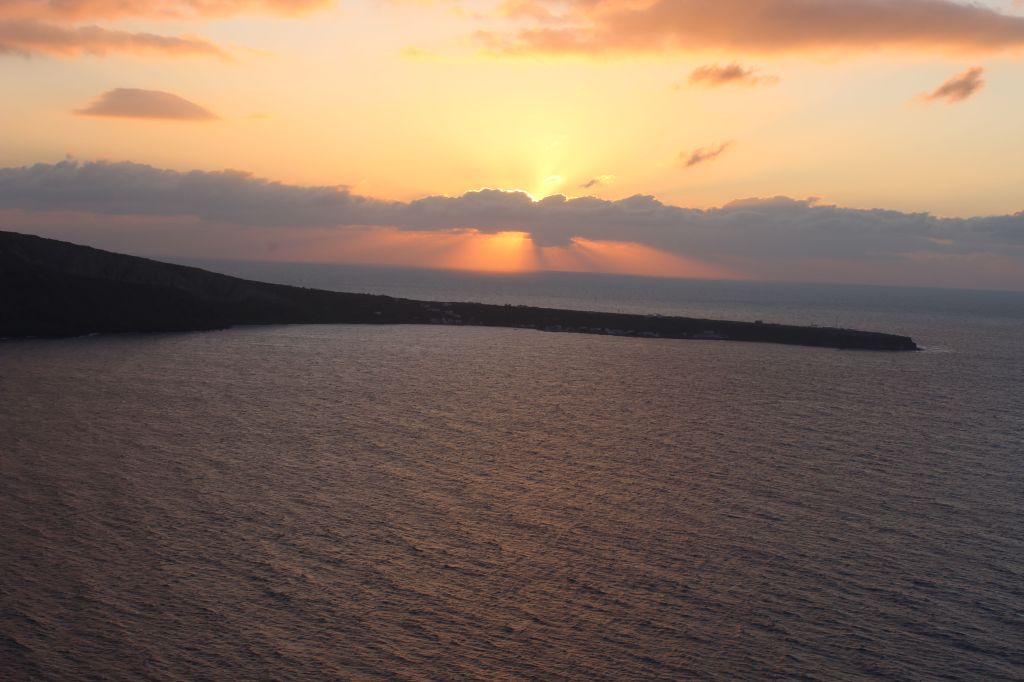
Regardless it was still a fantastic day even if we didn’t get the super stunning sunsets we heard so much about. Maybe we’ll come back again and have better luck.
1 Beach, 2 Beach; Red Beach, Black Beach
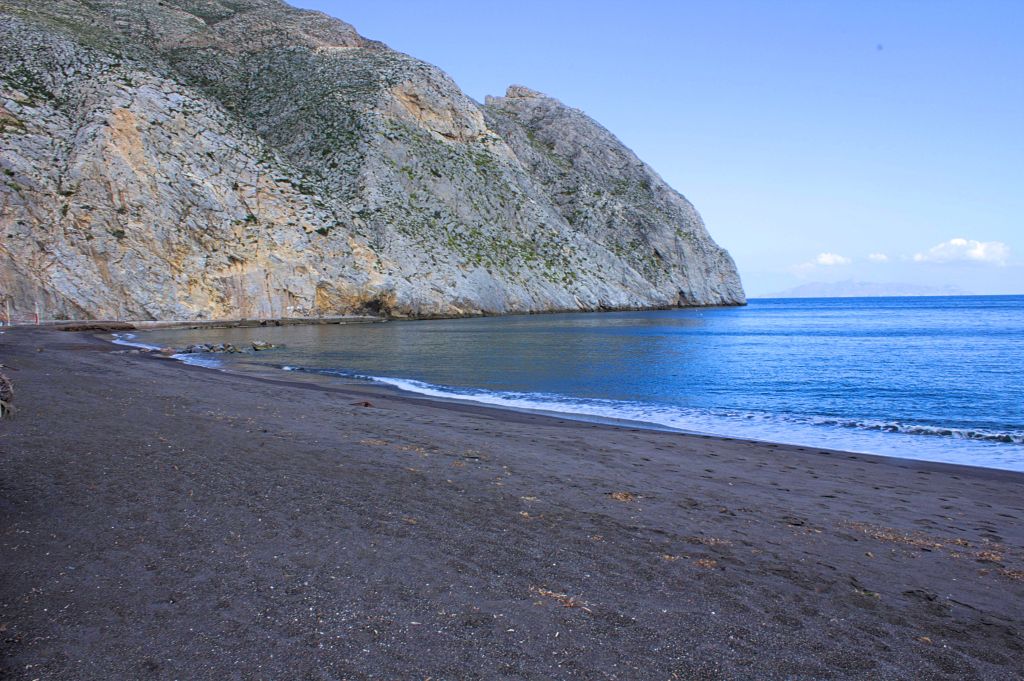
With one last full day on the island we had 2 more sights to see; the Red Beach and at least one of the numerous black beaches. Because the island was once a volcano it should be no surprise that the outside of the island gently slopes to black sand beaches caused by all the volcanic ash from the eruption. Every beach on the island, and there are a lot, are black sand. What may be more surprising is the Red Beach, coloured so by iron rich deposits also caused by the volcanic eruption.
Jumping on one of the local buses we were dropped off just a 10 minute walk from the Red Beach. What I found odd was that the internet was full of warnings about visiting this beach. I read that it was really dangerous with the risk of a rock slide and that the beach was off limits to everyone. What we actually found was that the bus had a stop marked “Red Beach” and there were plenty of official signs telling us how to get to the beach with 0 warnings about rock slides.
What’s more is that you don’t actually go to the beach but to a cliff overlooking it, maybe there’s some secret way to get to the actual beach but as far as we were concerned this was plenty fine and perfectly safe to visit. Also we followed at least a dozen other tourists and found another dozen at the site photographing this cool beach so I guess we all missed the memo on this crazy dangerous beach!
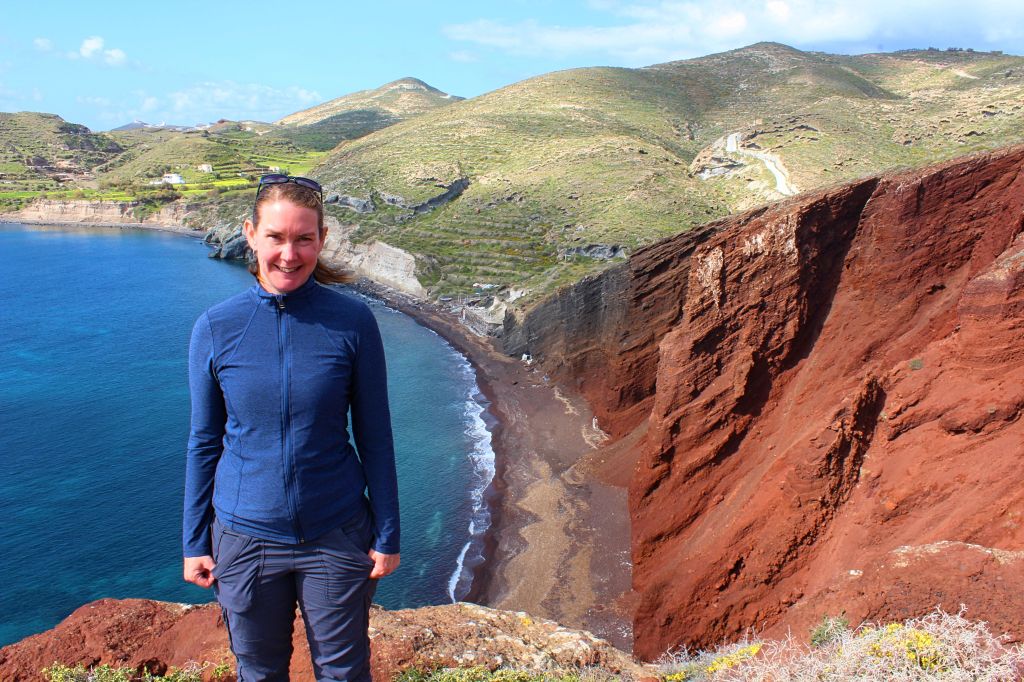
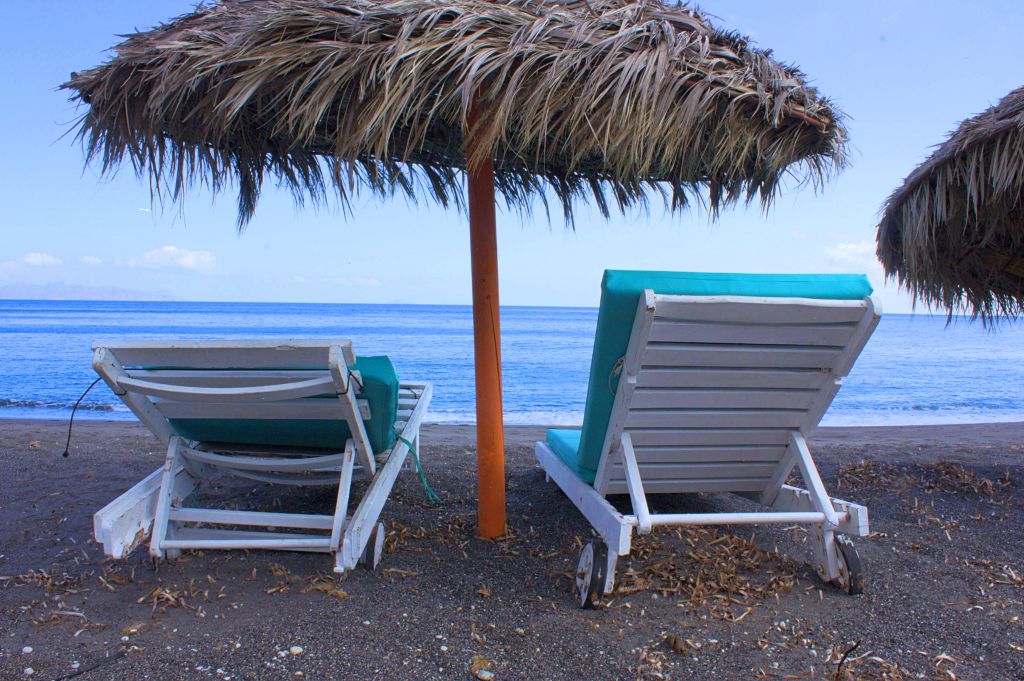
Heading back to the bus we continued the loop towards the most popular black sand beach on the island. With a cafe and several food and drink shops all along this never ending stretch of beach I imagine it’s crawling with sun bathing tourists in the peak season. For us we were just 2 of about 5 people wandering the black sand.
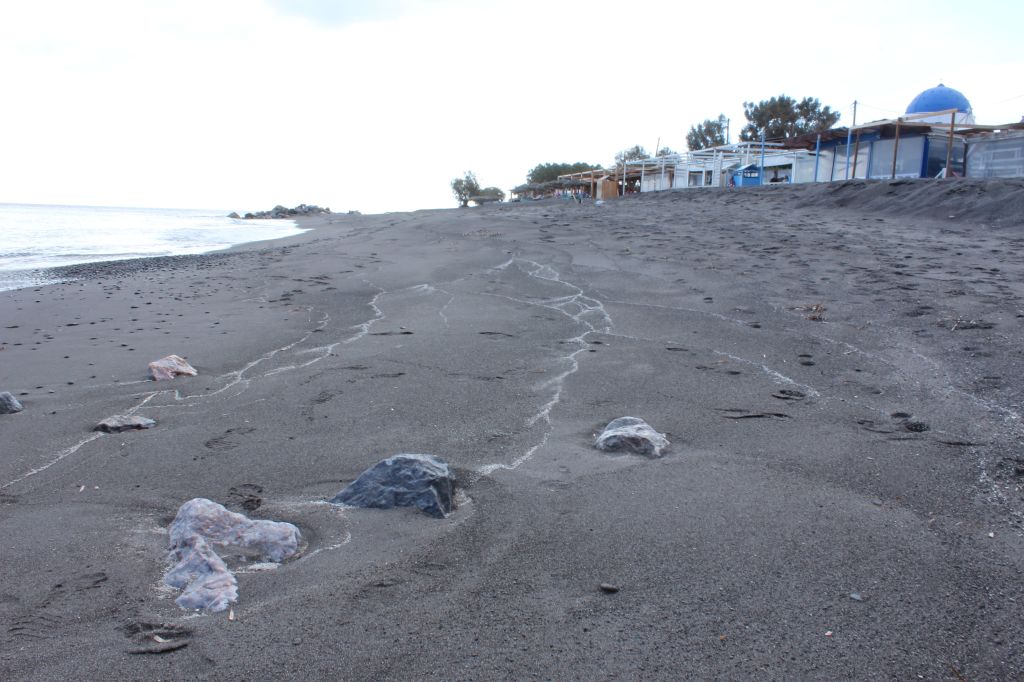
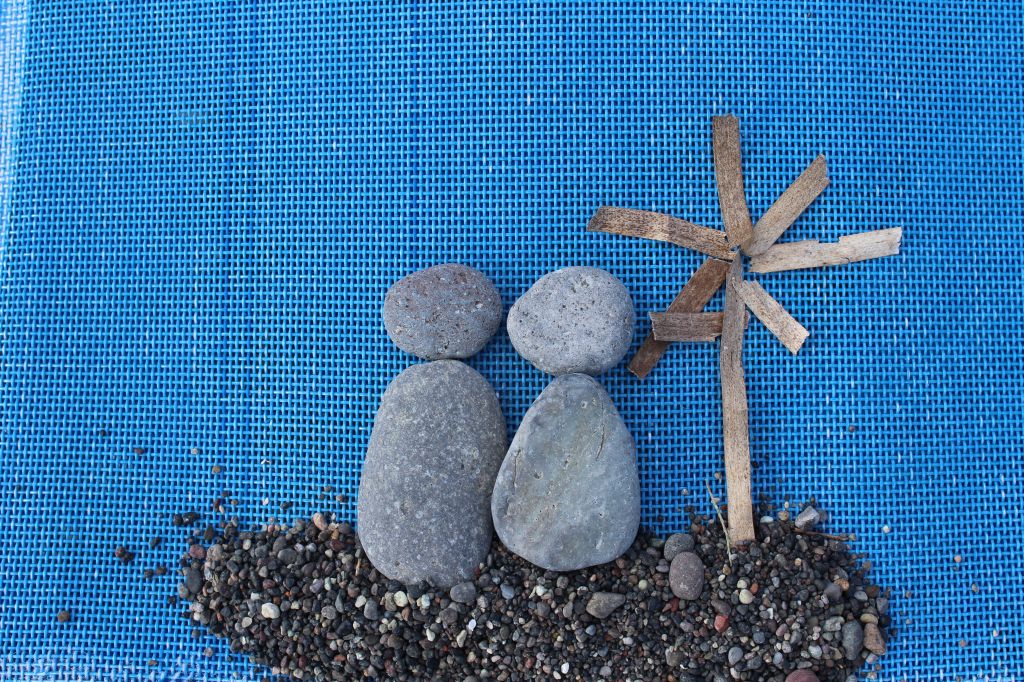
Candice got creative and made this cute rock sculpture of us.
I want to take this opportunity to mention something you may have noticed. While doing all this travelling I started researching how to do post editing on photos. As an amateur this was one part of photography that I knew nothing about. After taking hundreds of photos with a real camera I started doing some research and while we were in Greece I finally started trying my hand at a few post edits.
With a free tool called Fotor I found it really simple to do some basic touch ups. This may seem like you’re faking your photos but it’s near impossible to capture the true colour that your eye perceives. The challenge of course with editing photos is to avoid going overboard unless you’re going for an artistic, non-realism look. Photography is an art after all and no one criticizes a painter because the water looks “too blue”.
I want to show the difference a 30 second edit can make. The first photo was the best raw photo I could get of some rocks on the beach. It’s pretty close to reality but honestly it just feels flat and boring – there’s nothing that pulls me in here.
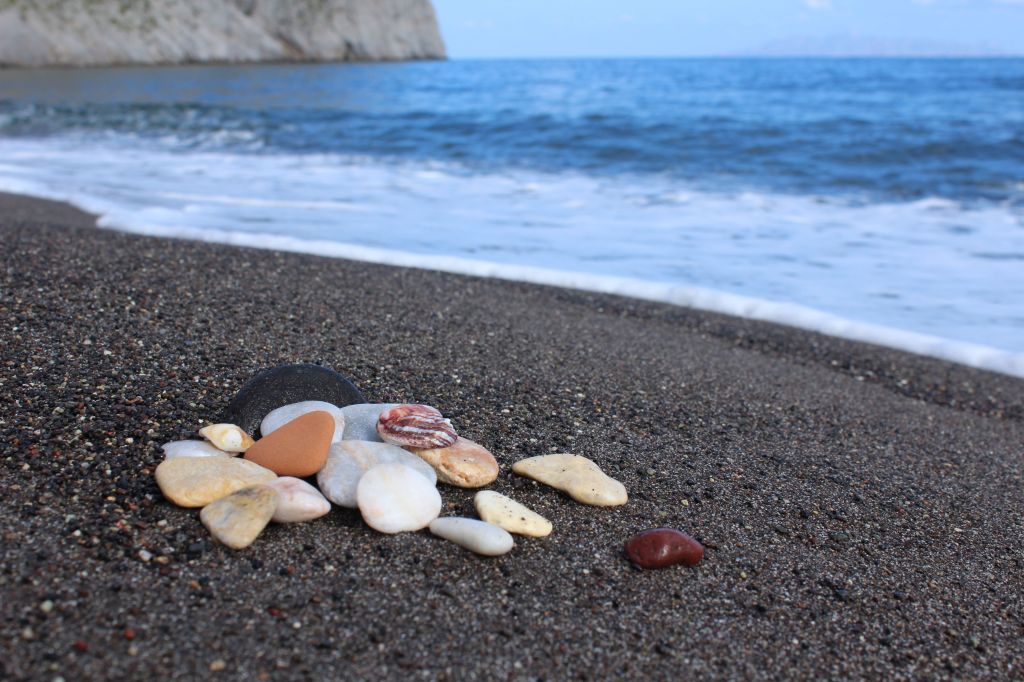
In this 2nd photo I feel way more energy and I’m more captivated by it. I flop back and forth on whether I took too much liberty in enhancing the colour but this is how the picture felt like it looked to me. Going back on your memory months later it’s hard to remember what it really looked like but I definitely appreciate the 2nd photo much more then the 1st one.
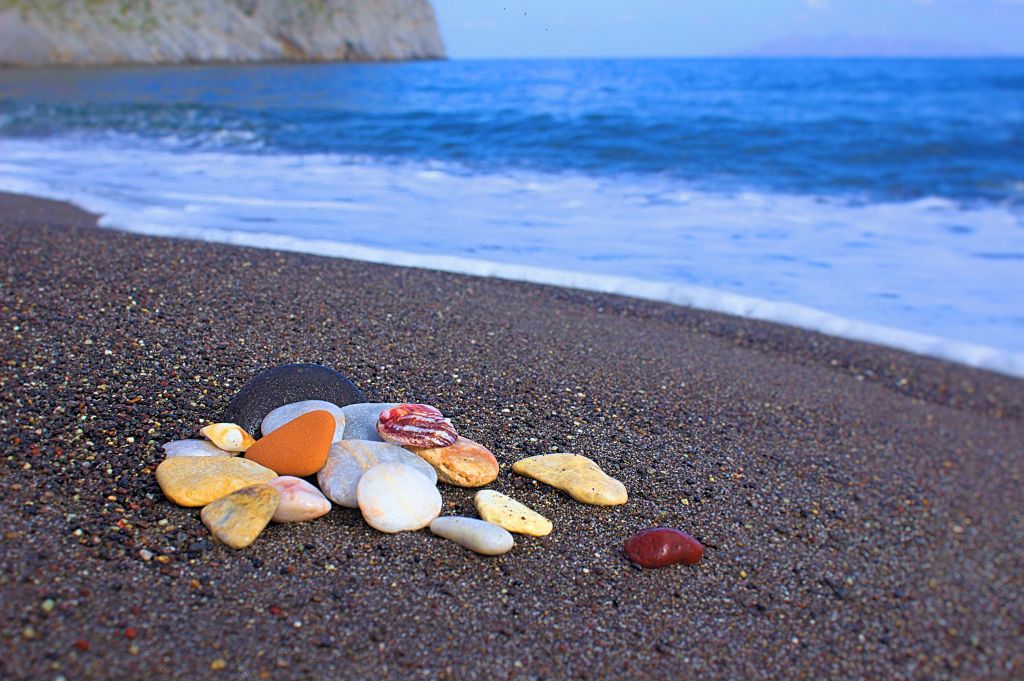
How much you can edit a photo 100% depends on the quality of the original photo so investing in a DSLR and finding that perfect lighting is still very much important but even the best taken photos can still benefit from a quick touch up.
After strolling the beach we had time for a quick hike over the hill to head to another small village on the back side of the island. My immediate reaction once we got to the base of the “pass” was “who the heck thought it was a great idea to build a church up there!” Imagine having to hike up there every week for Sunday service.
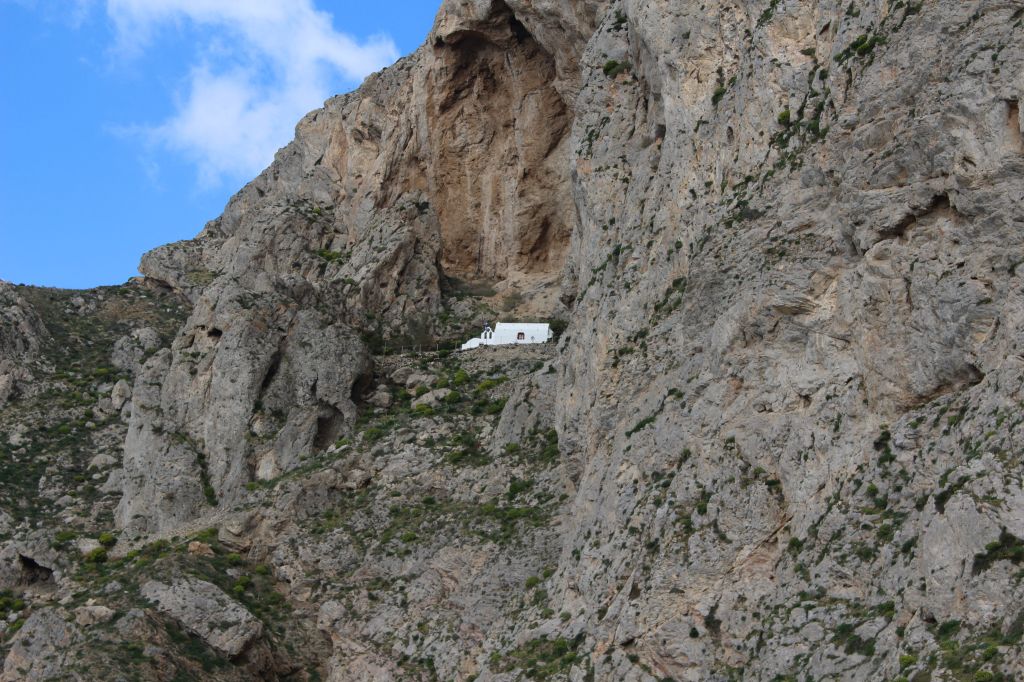
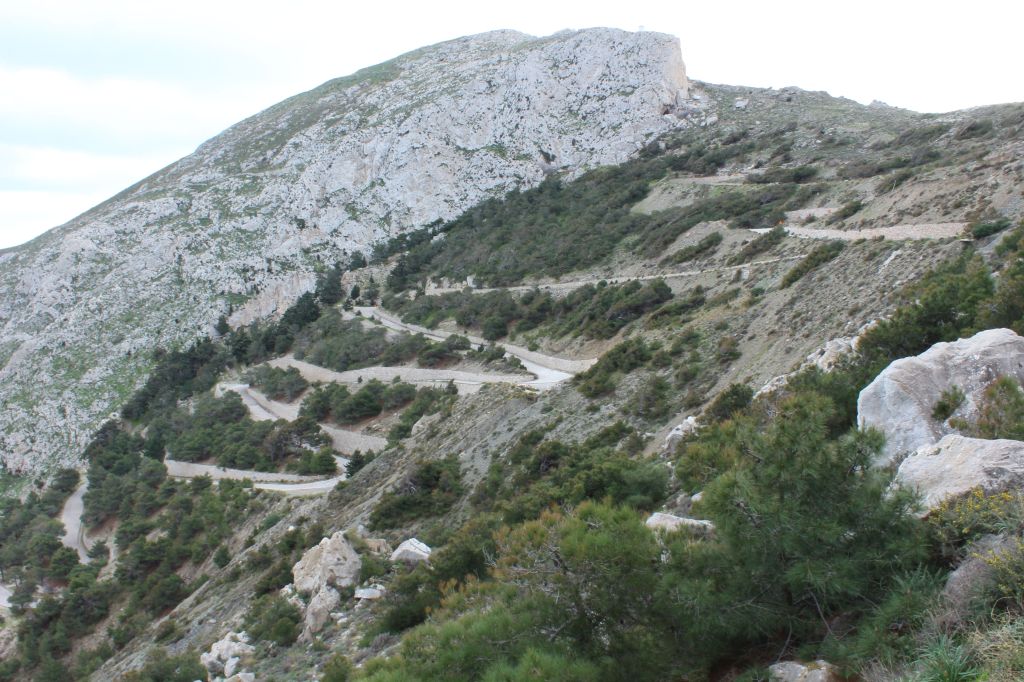
The path was rocky and narrow but nothing too challenging.
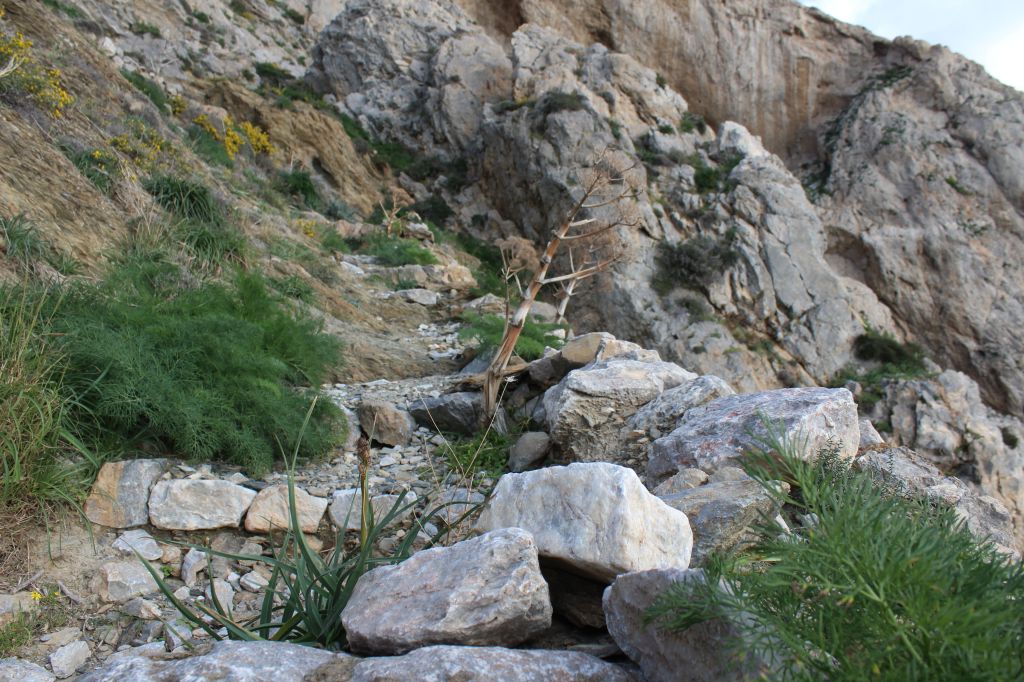
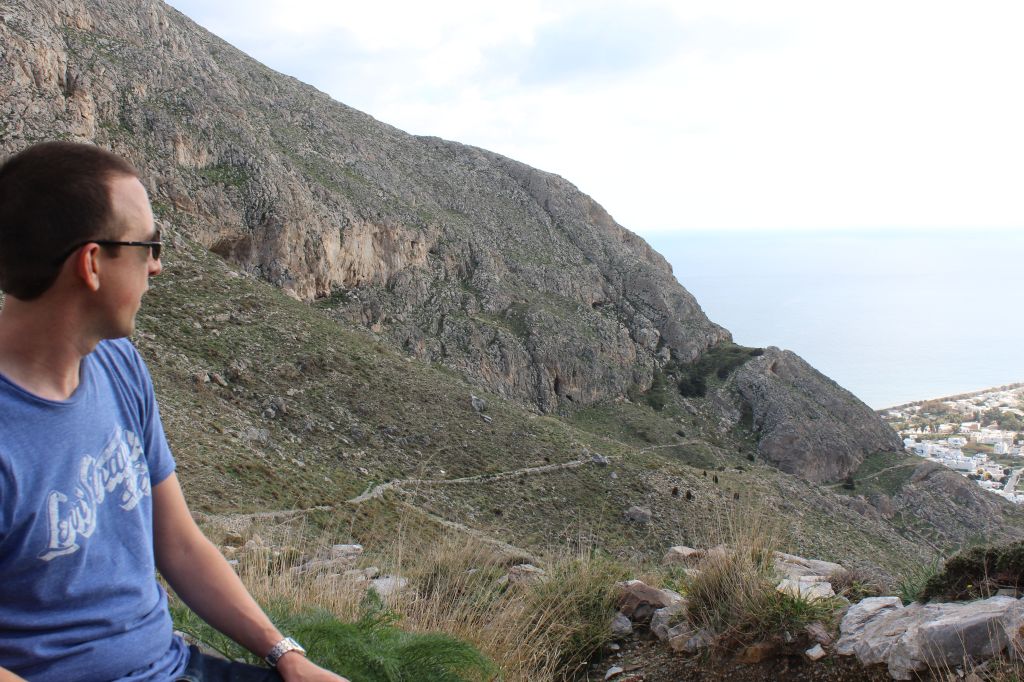
It only took about 45 minutes to get to the top and then we were winding our way down the back side. Ha, no we actually avoided that windy road and found an actual walking path that was slightly less windy.
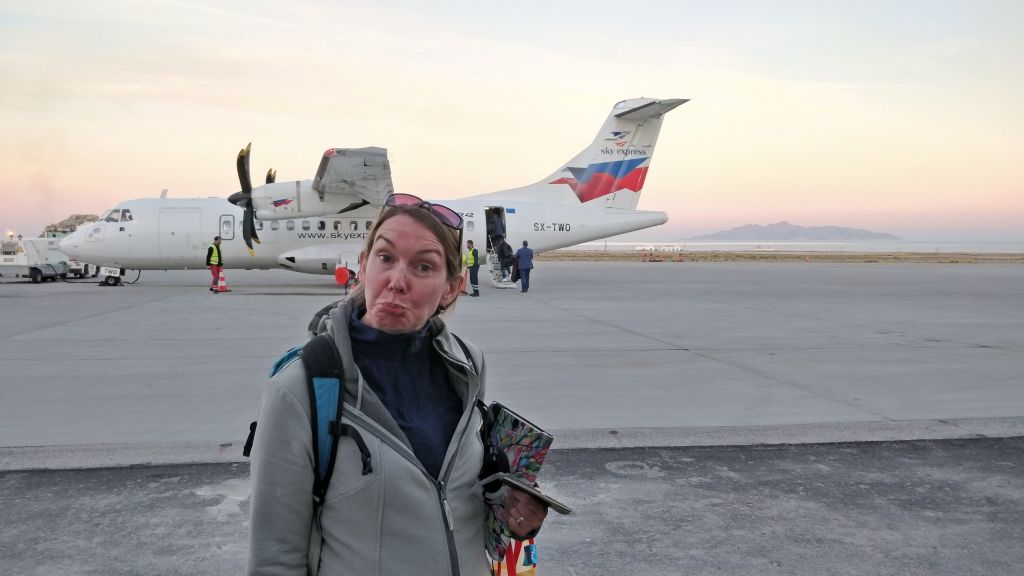
That concluded our 3 days in Santorini. Once our time was up we both agreed we could have spent a few more days on the island. The atmosphere was so relaxing and it would be hard to get tired of the natural beauty of the island. I asked Candice if she was sad to leave as we walked out to the plane and this was the ridiculous face she gave me.
The Mainland With A Main Friend
As sad as it was to leave Santorini I was super excited to see my dearest friend Kelly. If you’ve been following all my posts you may recall she came to Macau to visit us. I was lucky enough to travel to South Korea and Japan with her in May of 2017 but I had only seen her one other time since then, almost 2 and a 1/2 years earlier.
Kelly was flying from Canada, leaving from Toronto, and meeting us in Athens. We timed our flight to arrive about 45 minute before her so we could meet up at the airport before heading to the historic center.
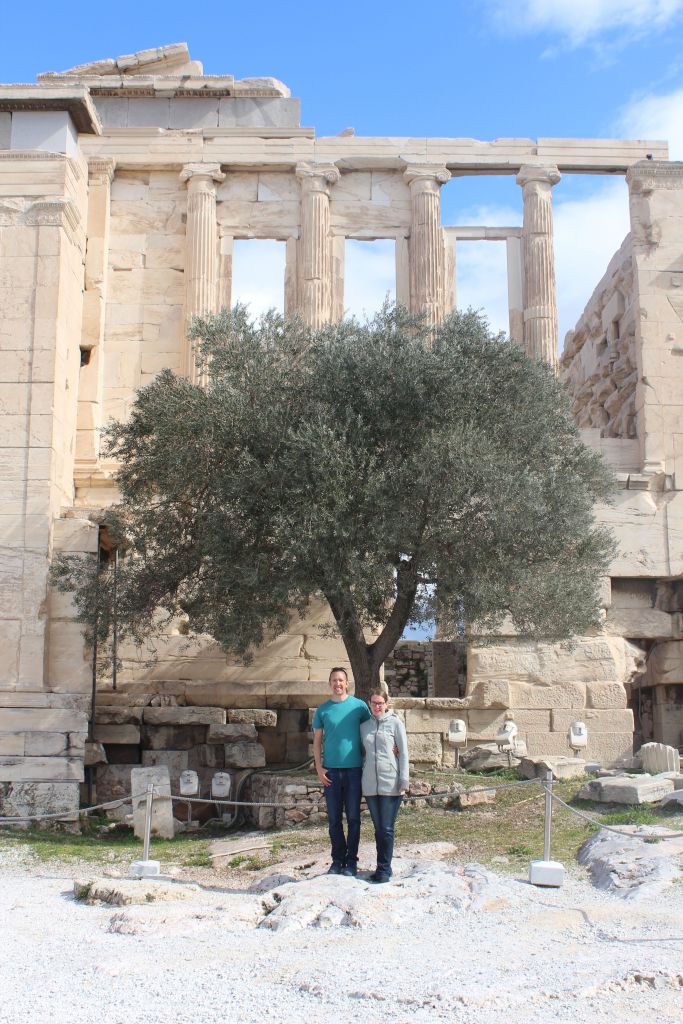
Our time with Kelly was too short and we had a lot to see on the Greek mainland so first thing the next morning we were off to see the Acropolis, probably the most visited site in all of Greece. Kelly looking majestic as always with the Acropolis in the background.
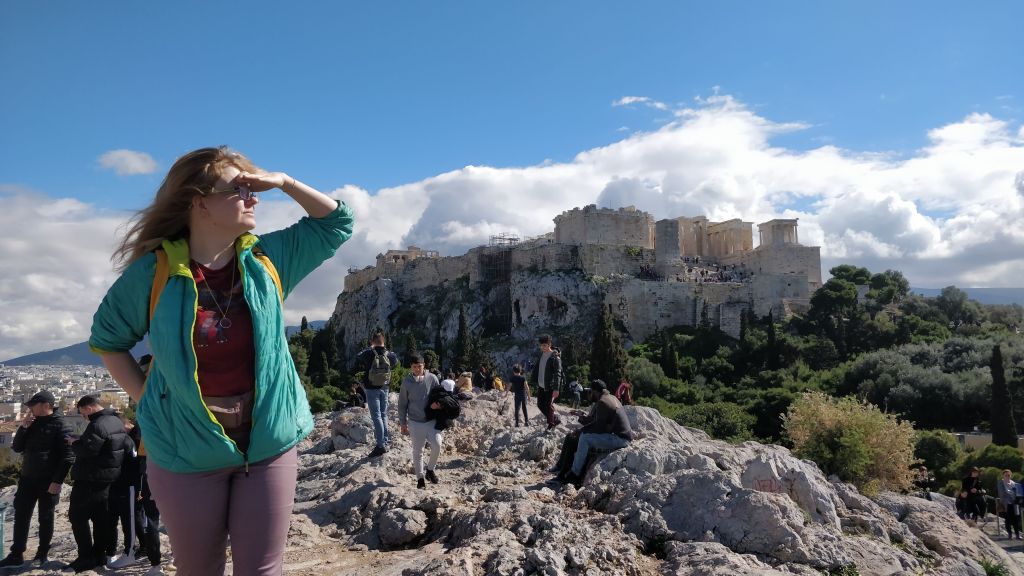
An Acropolis is a general term for a Greek settlement in a defensible position near or inside a city, they were almost always on the top of a hill as that offered the best defense and they were always fortified. Other similar terms in different cultures might be citadel, fortress, or castle.
The Acropolis of Athens is such a popular attraction due to its age (it actually predates Athens itself) and was probably an ancient settlement long before Mycenaean settlers built it into a fortress more than 3500 years ago. In more “recent” history the Acropolis was the center of Athens life when Athens was at its height of power and culture around 500 BCE, just a mere 2500 years ago.
During the Athen-Persian wars every building was unfortunately burnt to the ground but since its reconstruction it has survived more or less intact through the invasion of Macedon in 338 BCE, the Roman invasion of 86 BCE, the Ottoman occupation from 1500-1800s and even bombings during WWII. Is a must see during a visit to the city.
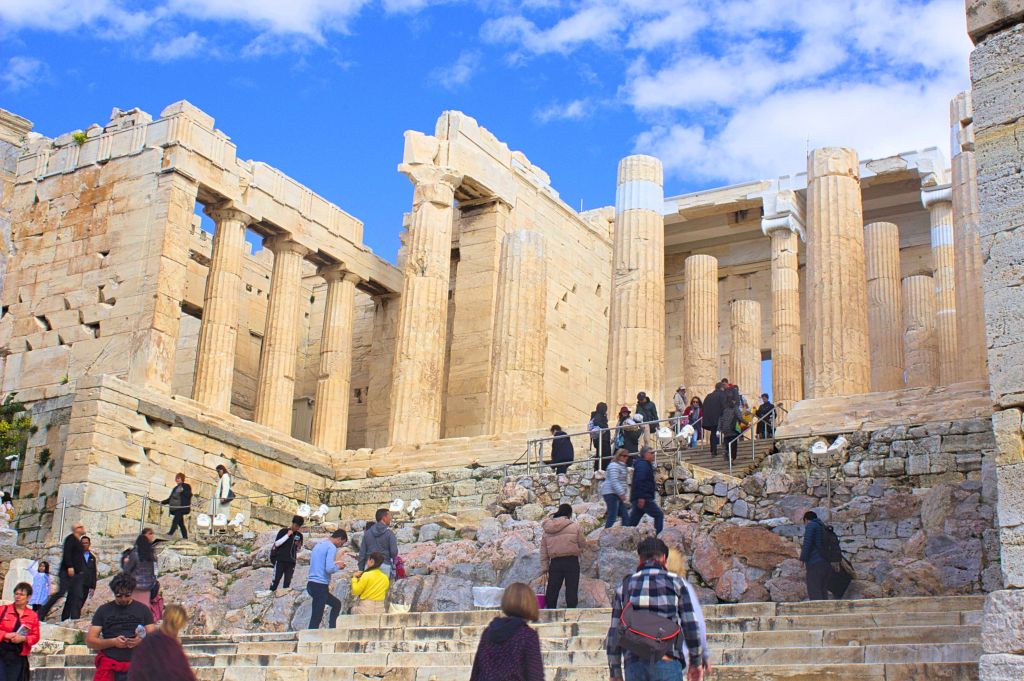
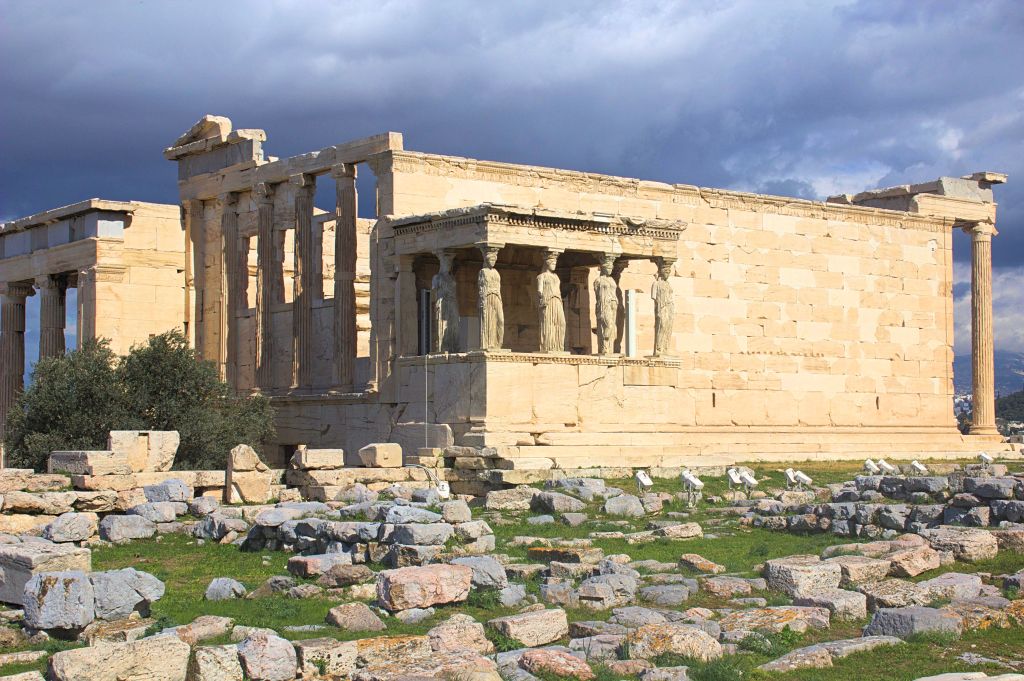
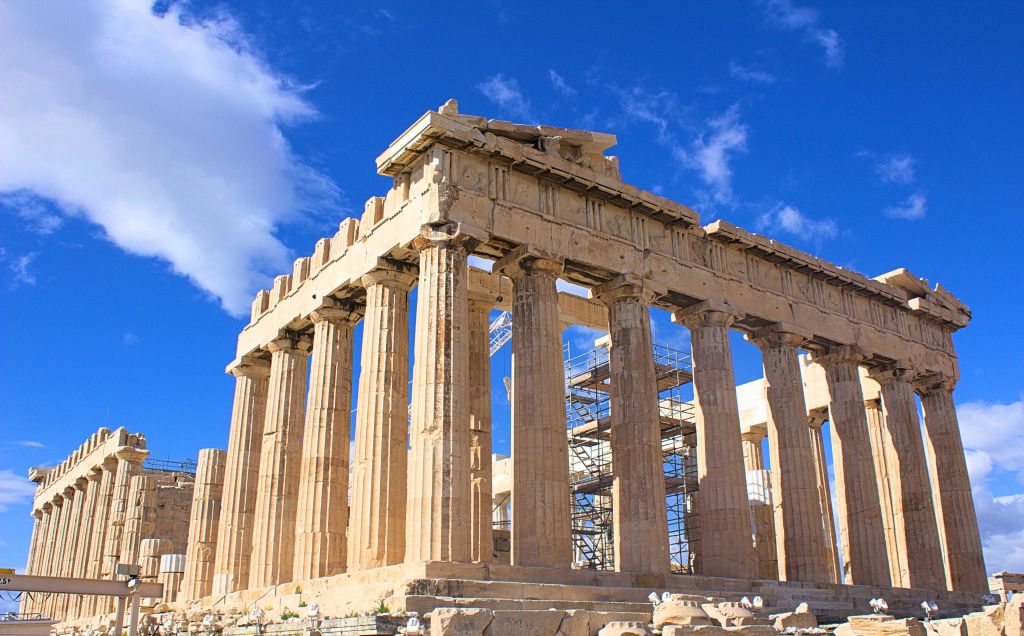
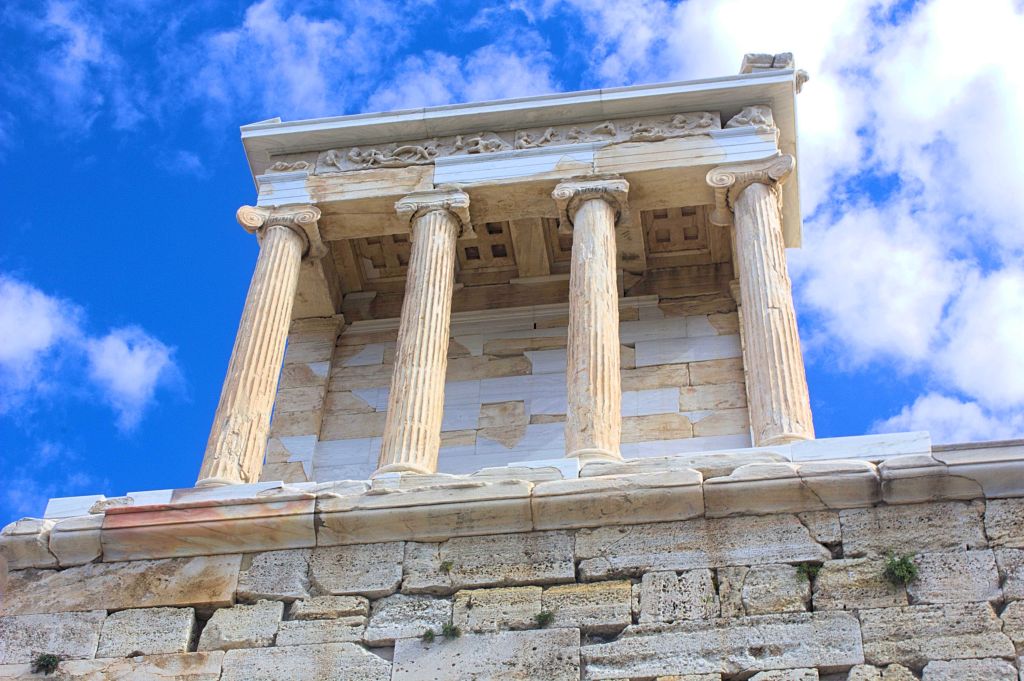
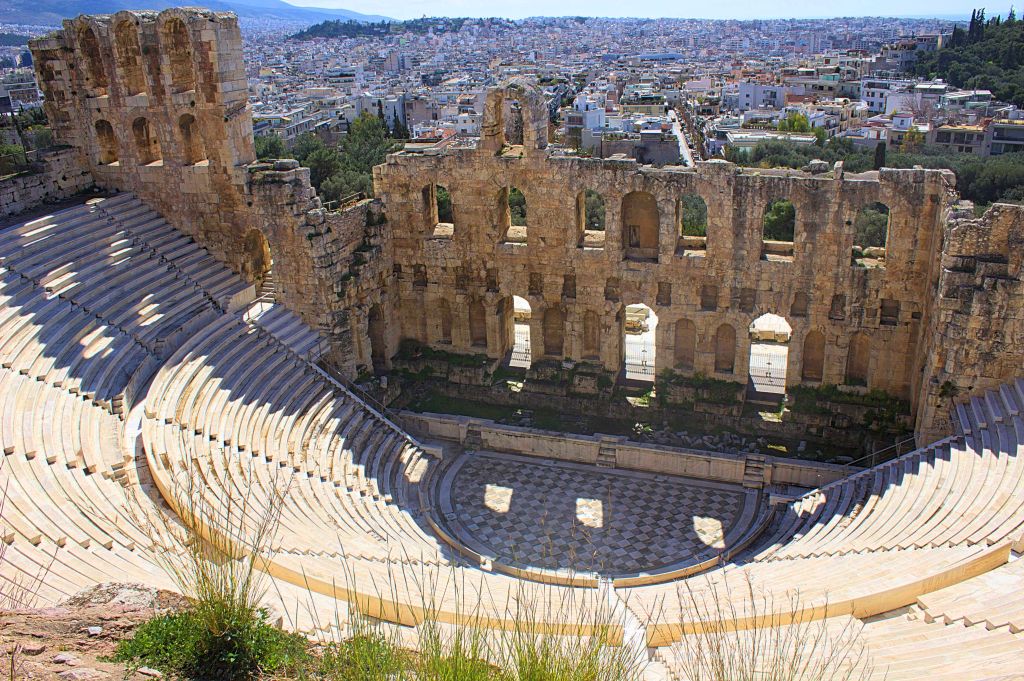
The high hill provides a fantastic 360 degree view of the sprawling city.
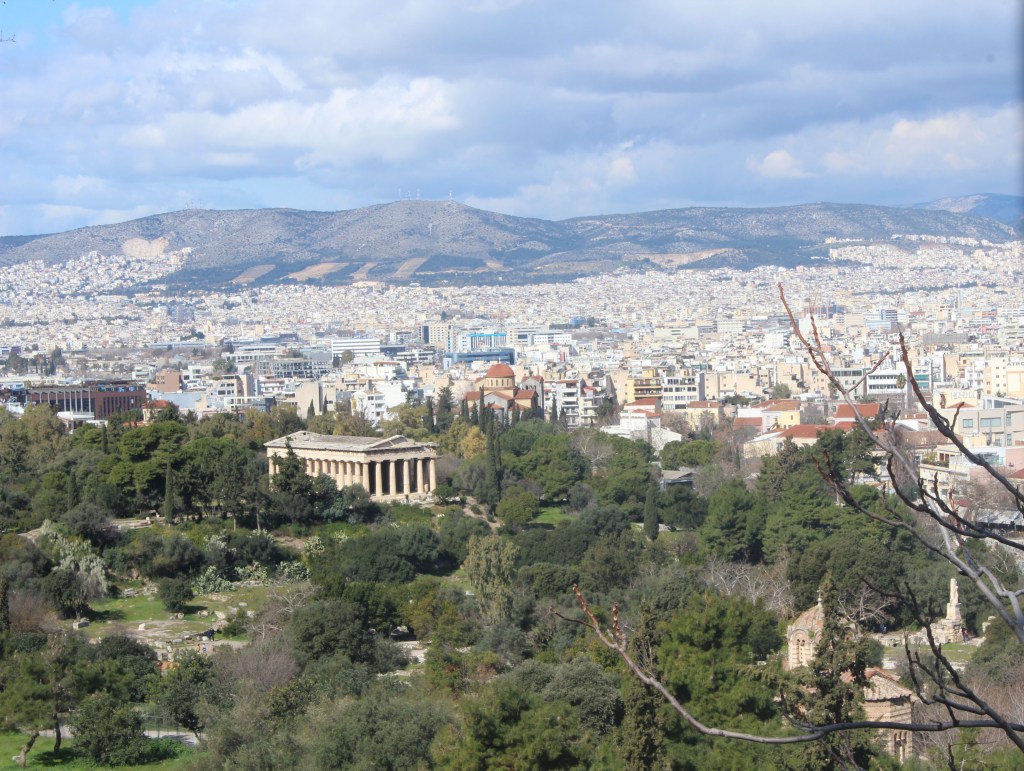
After visiting the Acropolis and grabbing a quick lunch we explored some of the old city. Athens has a lot of character, something you may or may not enjoy. I thoroughly enjoyed the city myself.
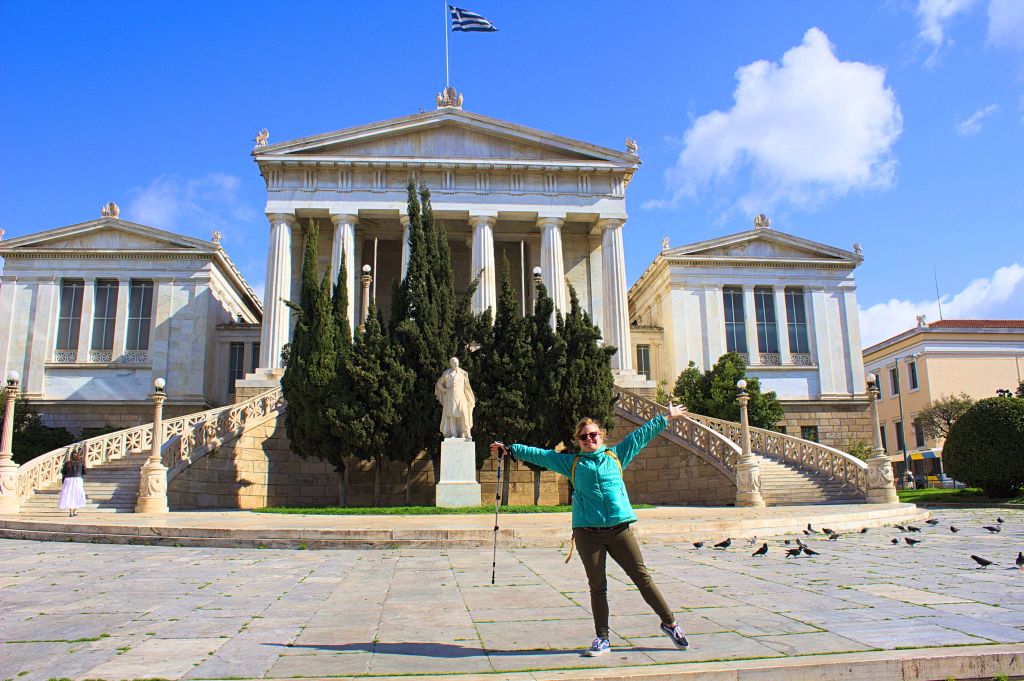
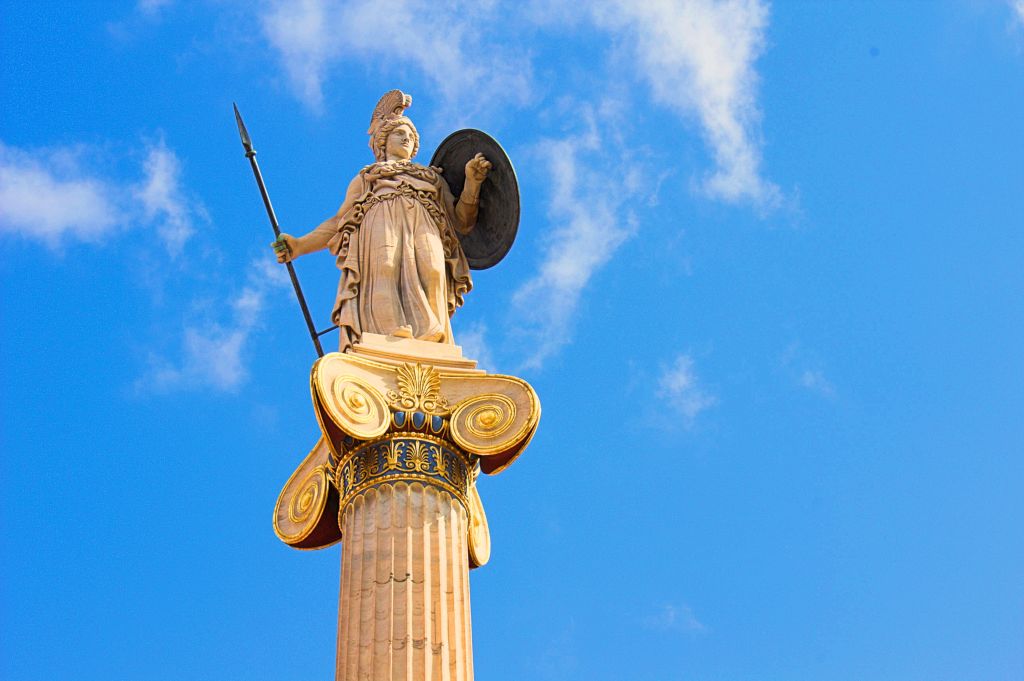
We ended up on a walk to a ridge overlooking the Acropolis. Kelly and I thought some jumping photos might be in good order.
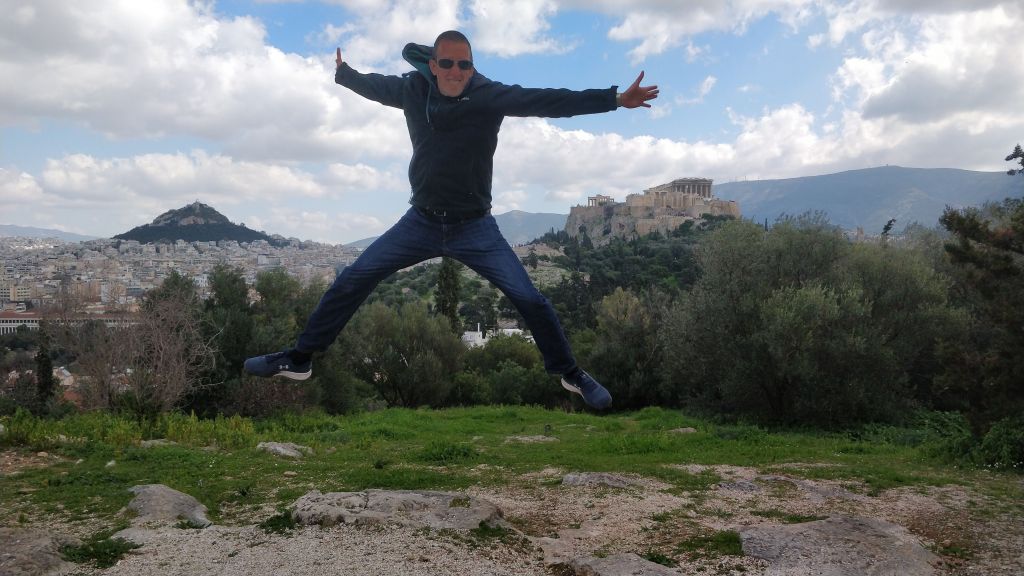
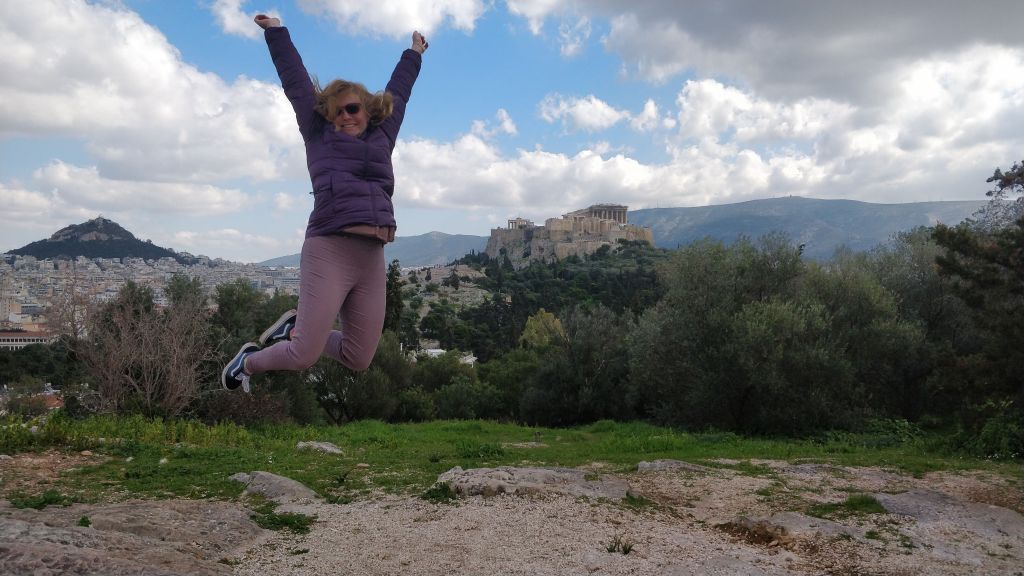
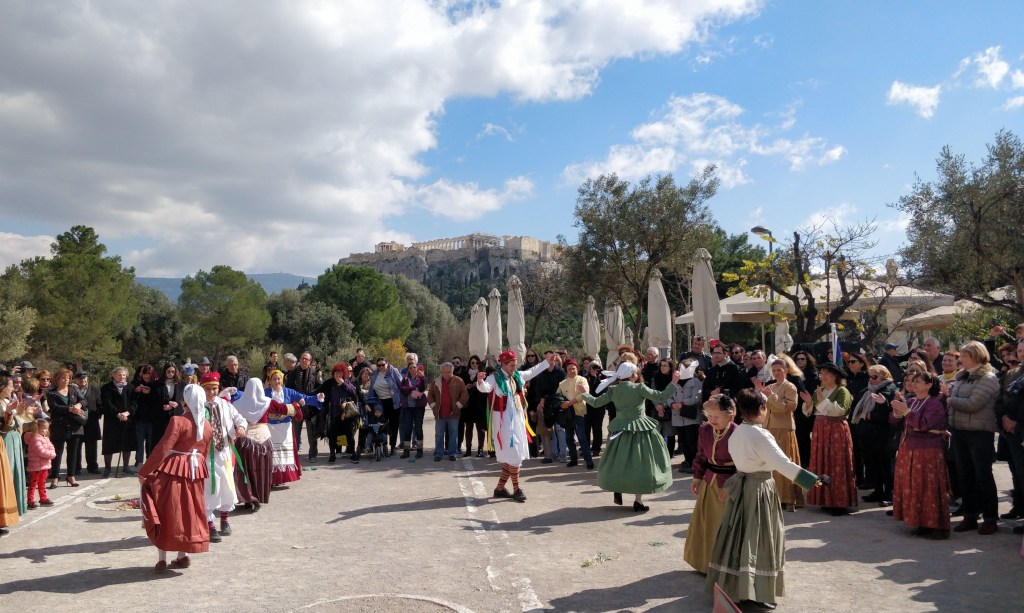
On our way back to the city center we ran smack center into a traditional Greek dancing festival. With the Acropolis in the background you couldn’t ask for a more Greek photo.
Another site to not miss is the National Archeological Museum. Again I won’t bore you with pictures of a museum but I definitely recommend you don’t skip it and if you like museums give yourself at least 3-5 hours, heck you may even want to come in the morning explore for 2 hours head out for lunch and finish up in the afternoon – that’s what we did.
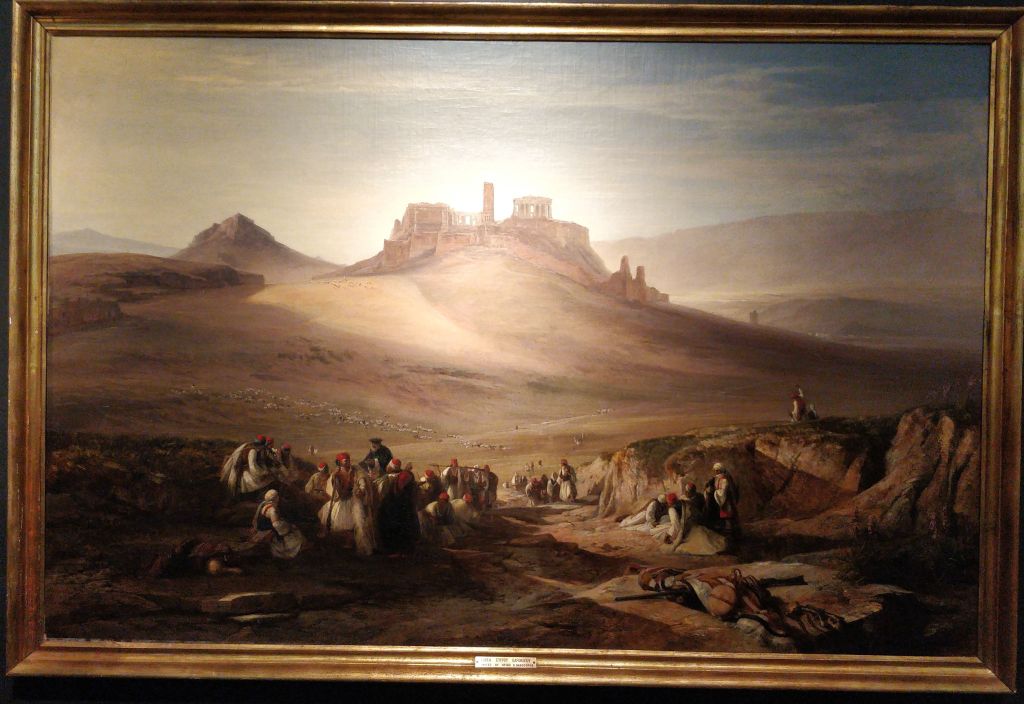
I do want to show one painting found in the museum that is of the Acropolis. Painted in the 1700s it shows you how much the city has changed over the centuries.
With our 3rd day we have seen all the big highlights of the city and were getting sick of all the city so we headed to a large park in the city for some nature relief. Candice is most interested in nature photography so she took the opportunity for a photoshoot.
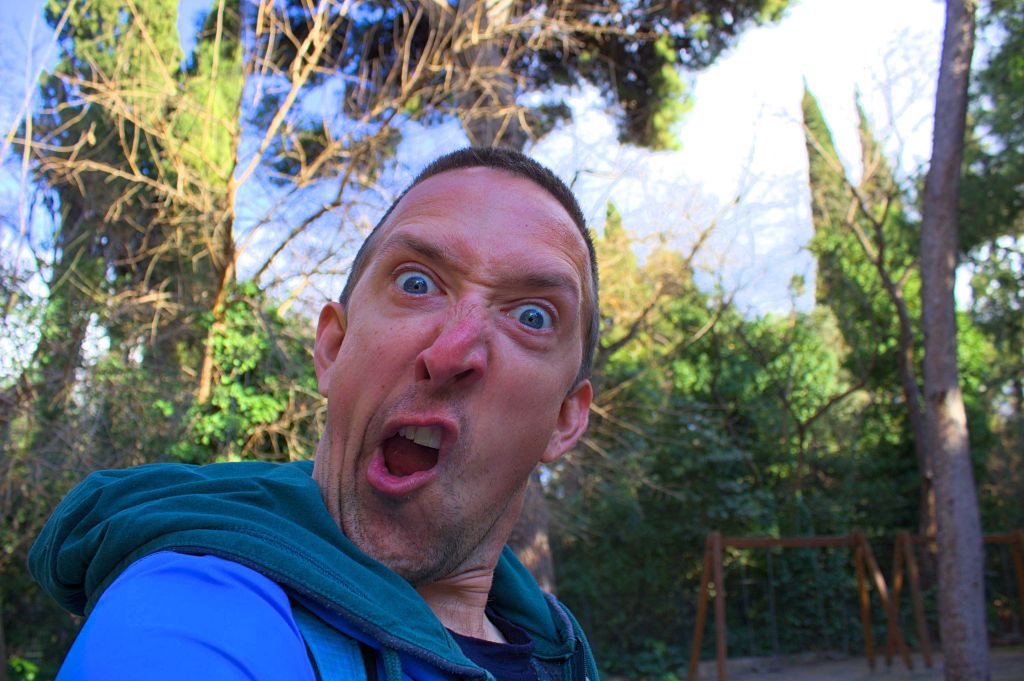
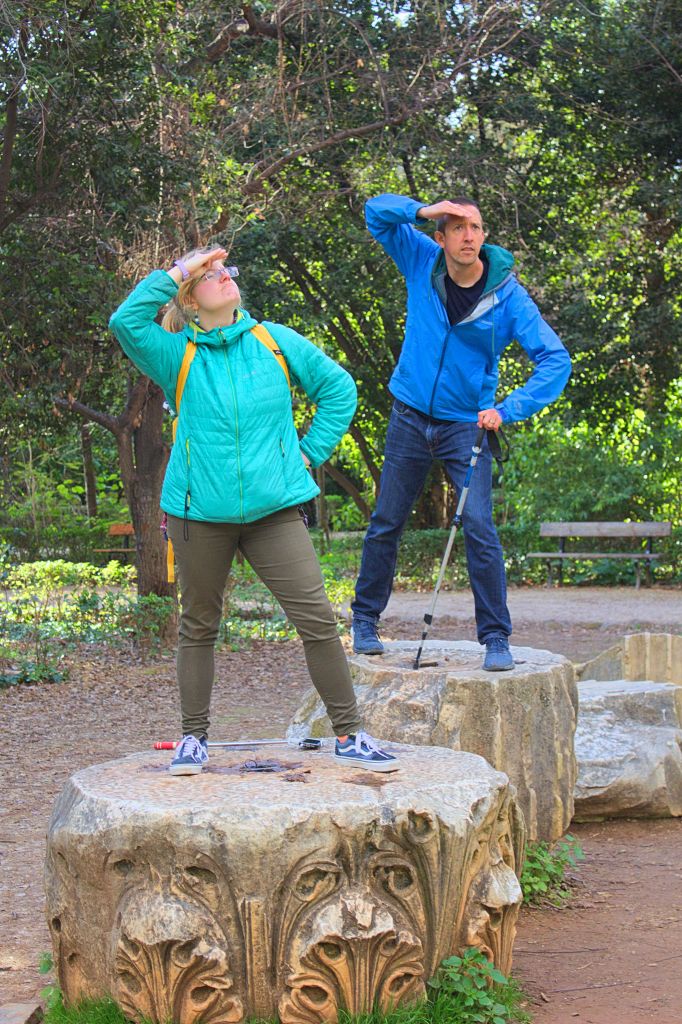
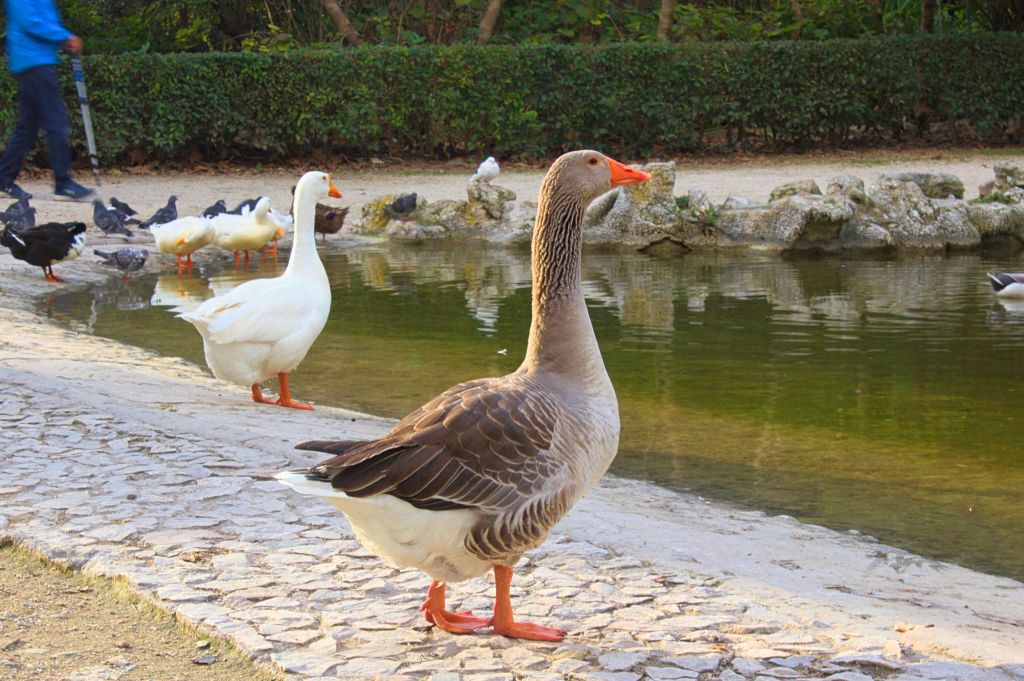
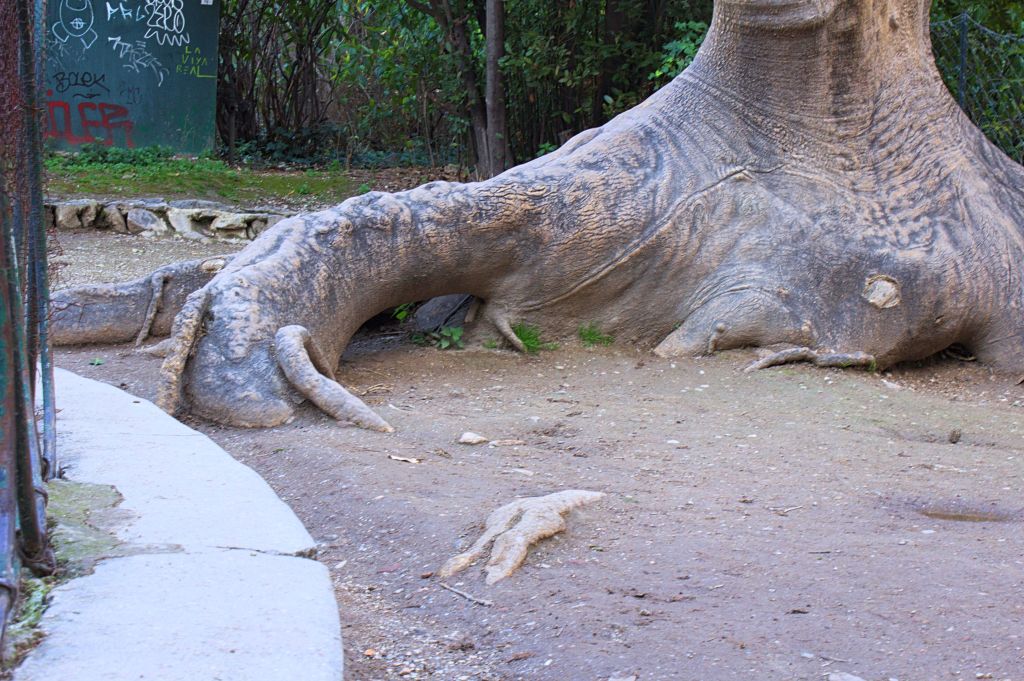
Naturally Athens has no shortage of ancient ruins and museums to keep the excited history buff busy for an entire week. The 2nd most visited site in the city is the Ancient Agora we didn’t realize it closed at 5 pm and arrived after 4 pm so we only did a very quick walk through. Greek Agoras were the central part of the city where all the commerce, festivals, and life of the city happened. The Romans called them forums and nowadays we use the term town square.
Old Gods and Oracles
Leaving Athens early in the morning we had rented a car (Kelly got her International Driving Permit before leaving Canada) and headed into the interior of Greece. Our first stop was the 2nd most visited archeological site in Greece, Delphi. Interestingly enough there is a lot of confusion around how to properly say this name. First off the Greek i is pronounced as ee as in “see” but apparently the D (or Delta in Greek) is a hard th sound as in “the” so I read the proper, proper pronounciation is “Thel-fee” but foreigners can just say Del-fee. For sure don’t say Del-feye.
We arrived to the town closest to Delphi just in time for lunch and found a highly recommended restaurant with a spectacular view of the Gulf of Corinth. And yes the food was also amazing, featured is the Greek dolmas (stuffed grape leaves), and cooked okra.
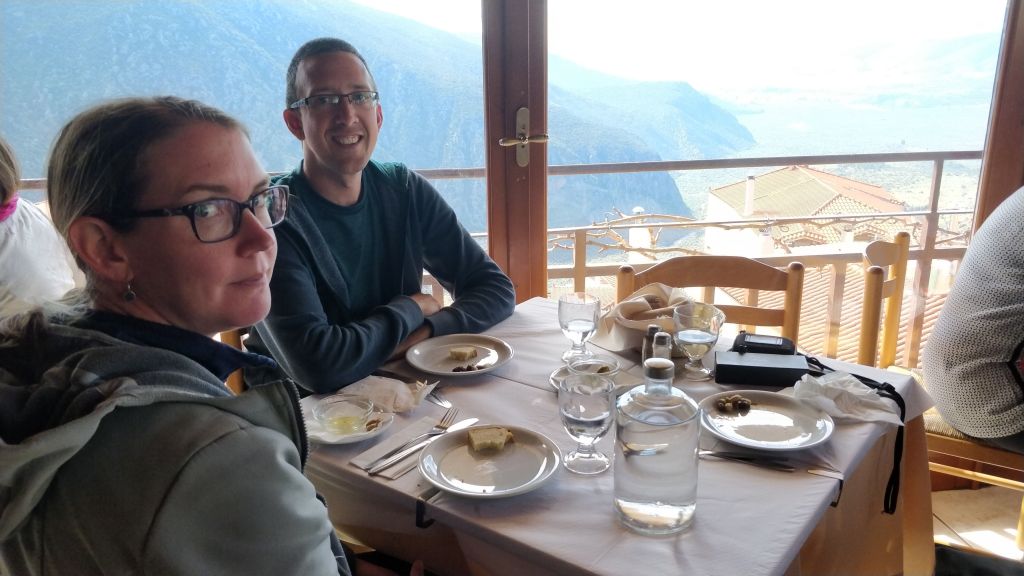
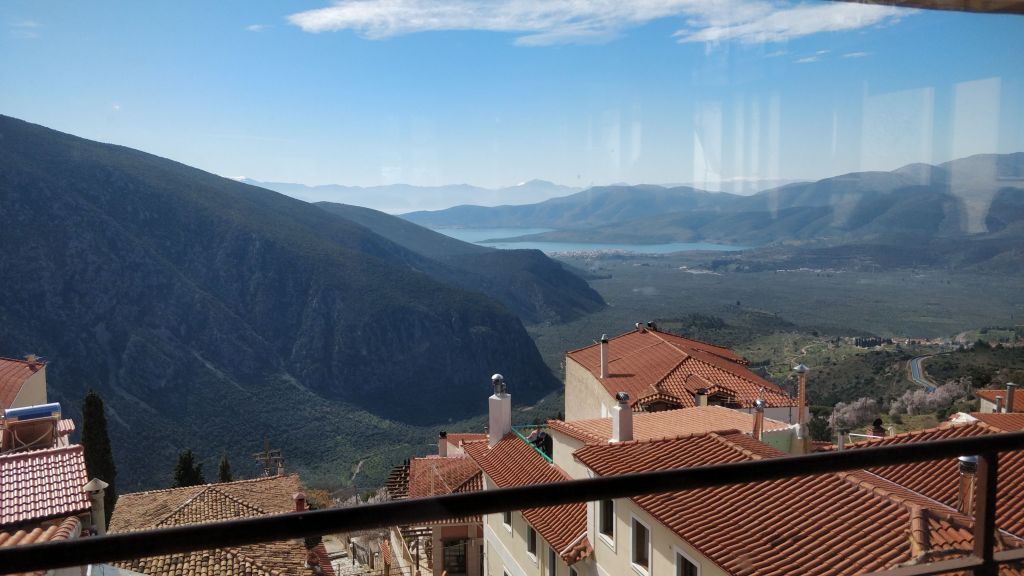
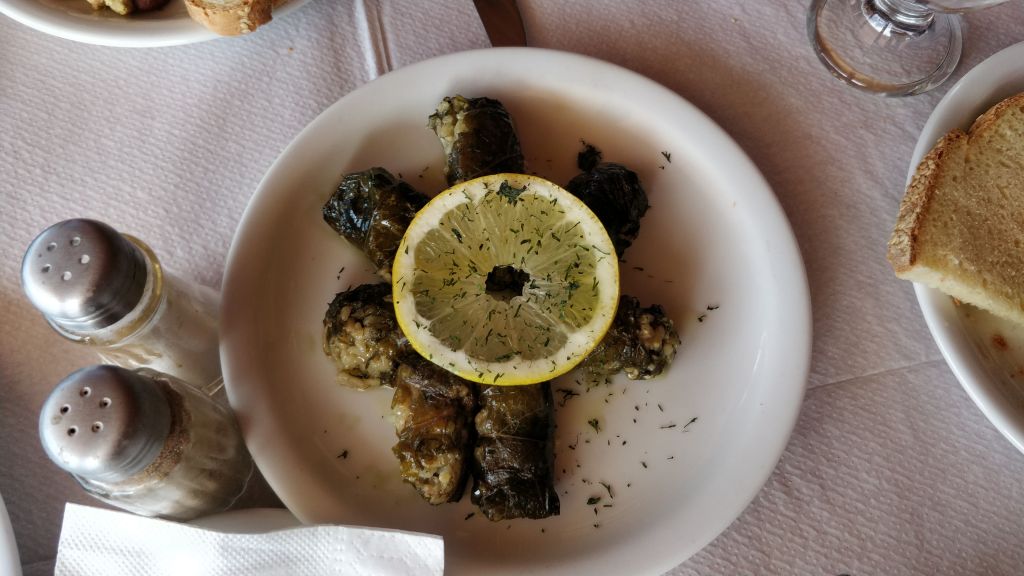
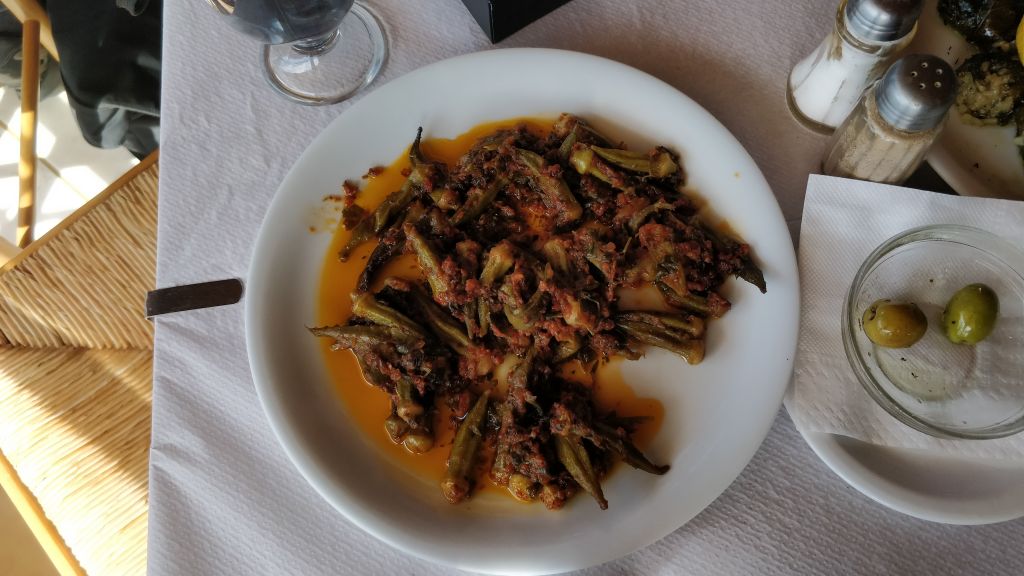
In Ancient times the Oracle of Delphi was the most important person in all of Greece. They lived high up in the hills of Delphi and foretold future events. The Oracle was so revered that the Greek military commanders refused to fight any battle without first getting her blessing.
When Persia invaded Greece and the Spartans were called to battle they (and other Greek armies) delayed for 3 days because of the Oracle of Delphi. King Leonidas was so outraged that the Spartans would let invaders rampage Greek lands that he took 299 of his best soldiers and defied her prophecy to hold off a million Persian soldiers at the pass of Thermopylae until the other Greek armies could arrive.
Of course there is almost certainly exaggeration to this story, first written by Herodatus, but historians know that the battle did occur and it was between a small Greek army holding a narrow pass from a much larger Persian army. Even if you’ve never heard this story I’m sure you watched the Hollywood film “300” based on this legend.
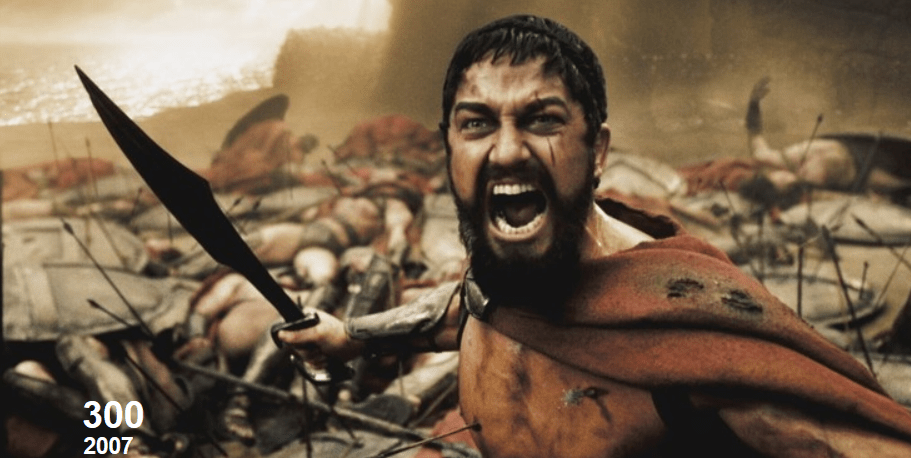
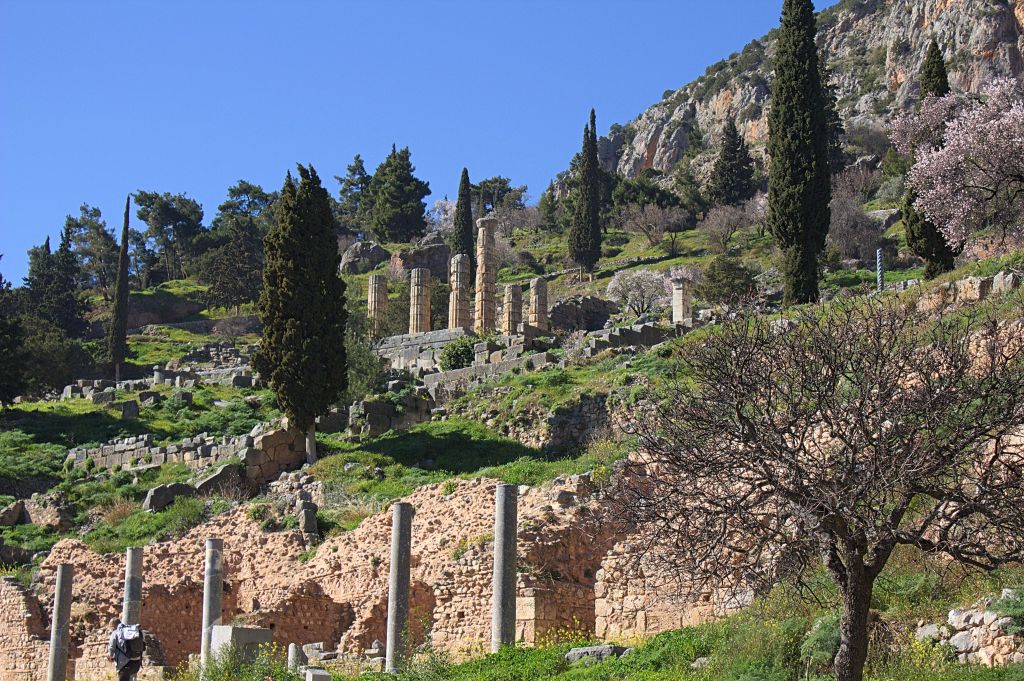
The archeological site is built into the side of the hill so you’ll have a decent amount of climbing but it wasn’t anything too serious.
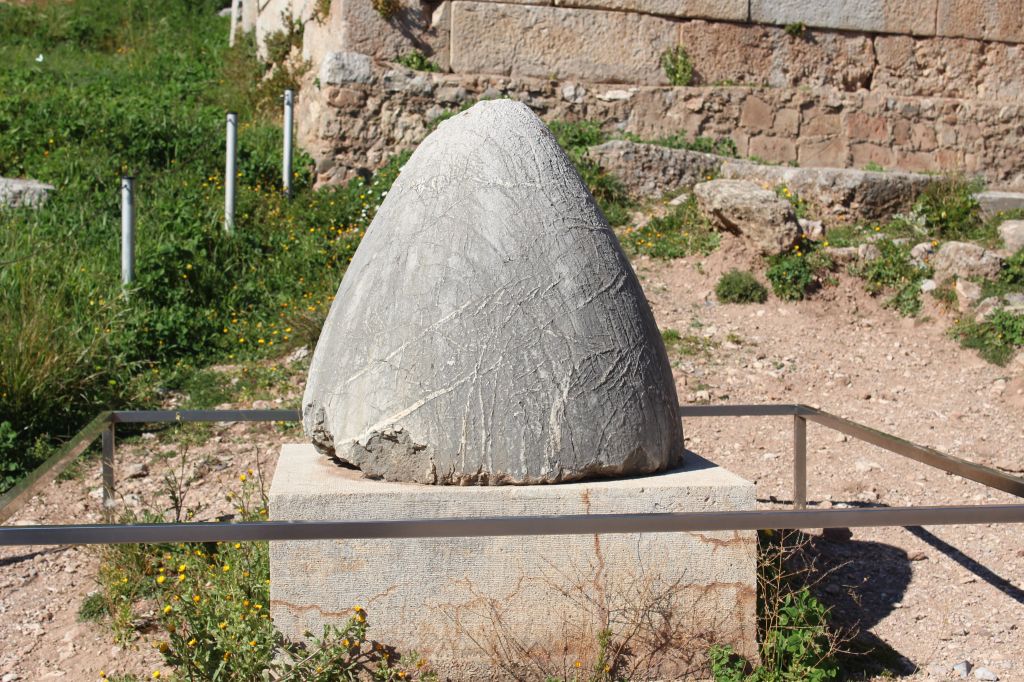
But why was this place so important to the Greeks? For whatever reason the ancient Mycenaeans and Greeks considered this a sacred location for the Greek Gods. Legend states that when Zeus created the Earth he sent one Eagle east and another west and Delphi was where they met making this the center of the World. To mark the spot Zeus threw a lightning bolt and split a rock in half. This dome shaped rock at Delphi is supposedly that rock.
Overtime this sacred place had numerous buildings constructed dedicated to different Gods such as Apollo and Athena and the Greeks brought their most valuable treasures here. Today much of the treasure and buildings have been ransacked and looted and what did survive was moved into museums for safe keeping and to put on display.
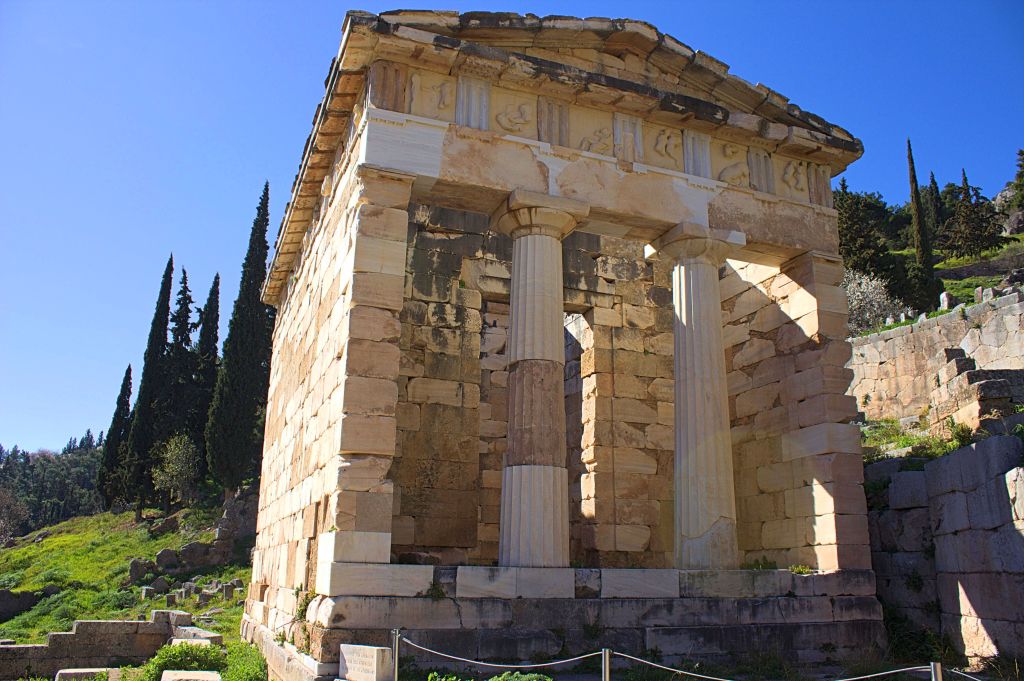
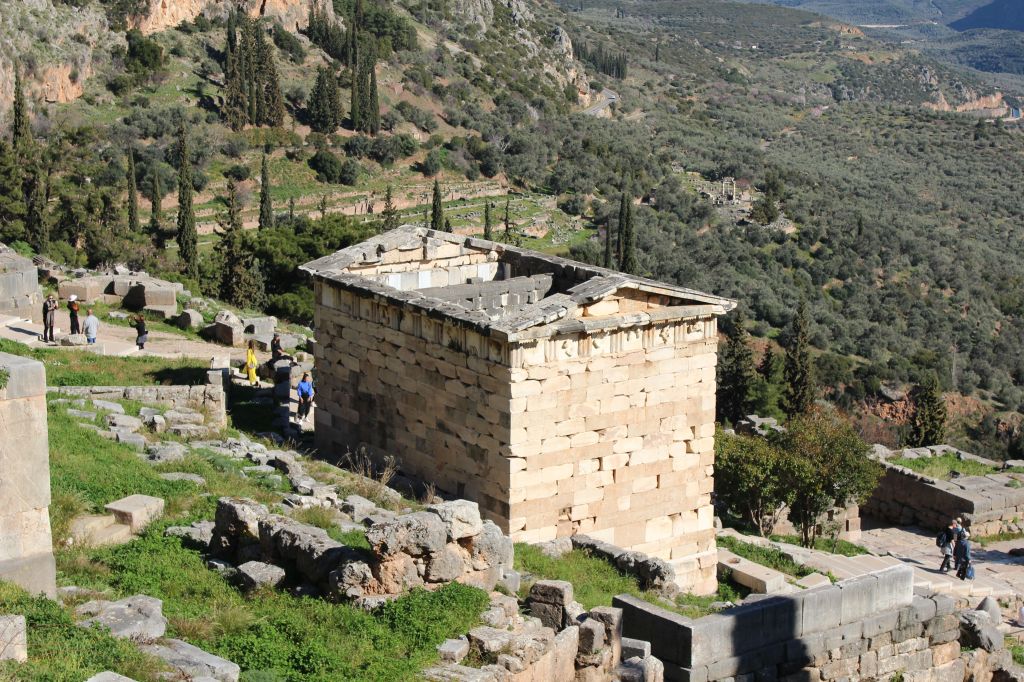
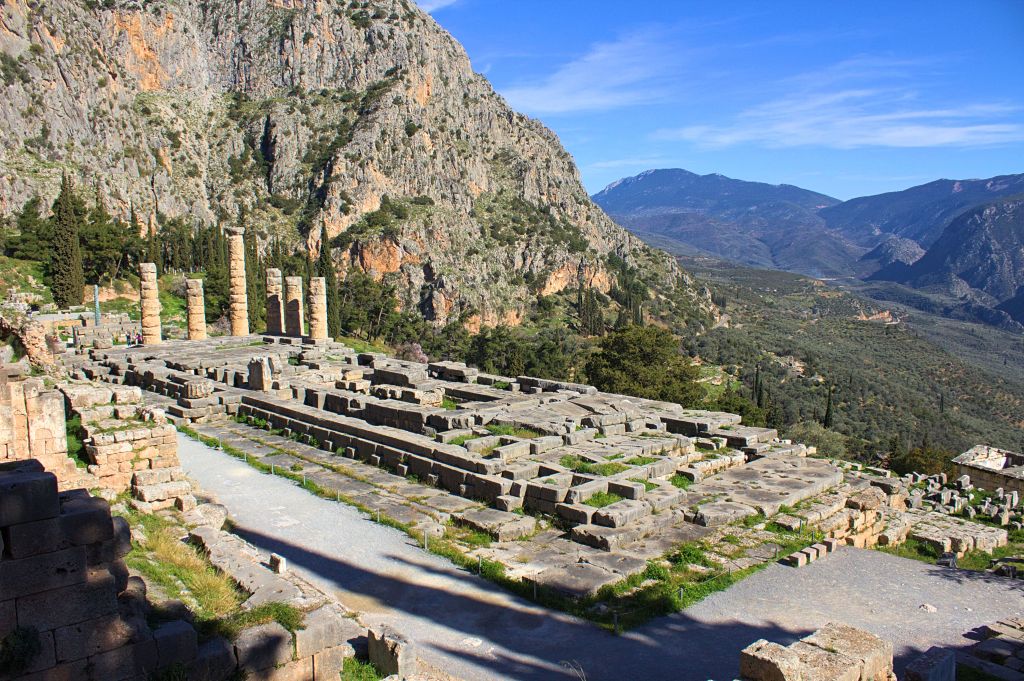
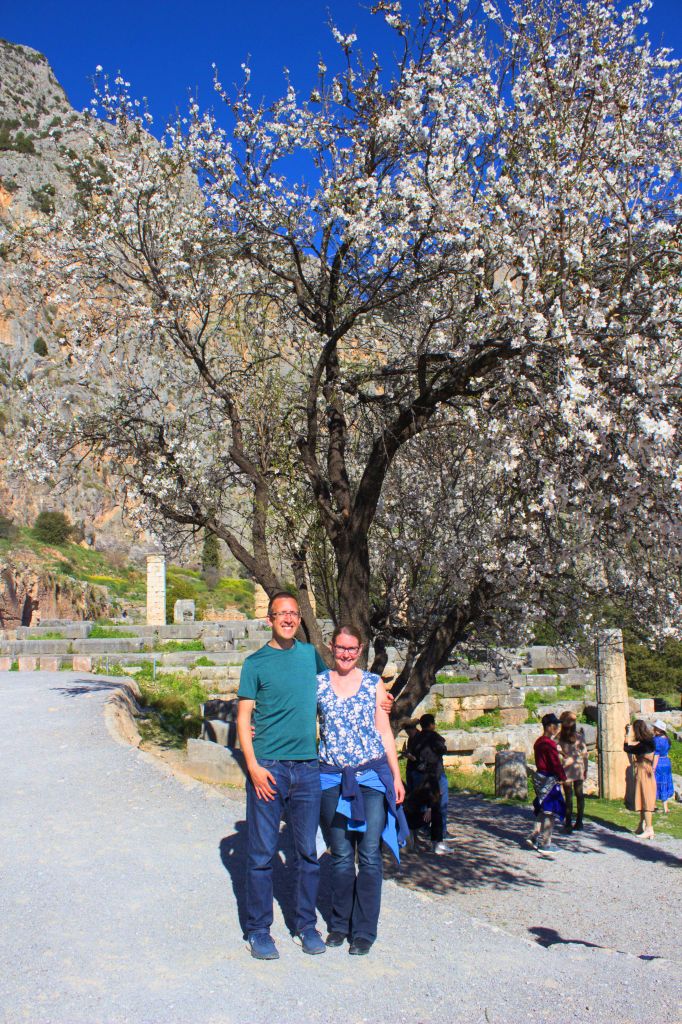
After Delphi we ended the day in the city of Kalabaka at the base of the monasteries of Meteora in northern Greece.
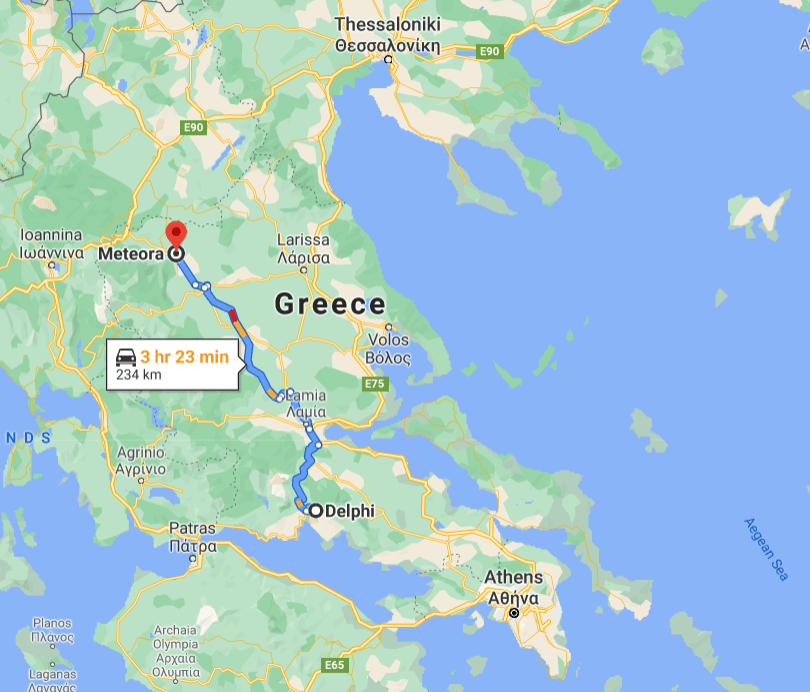
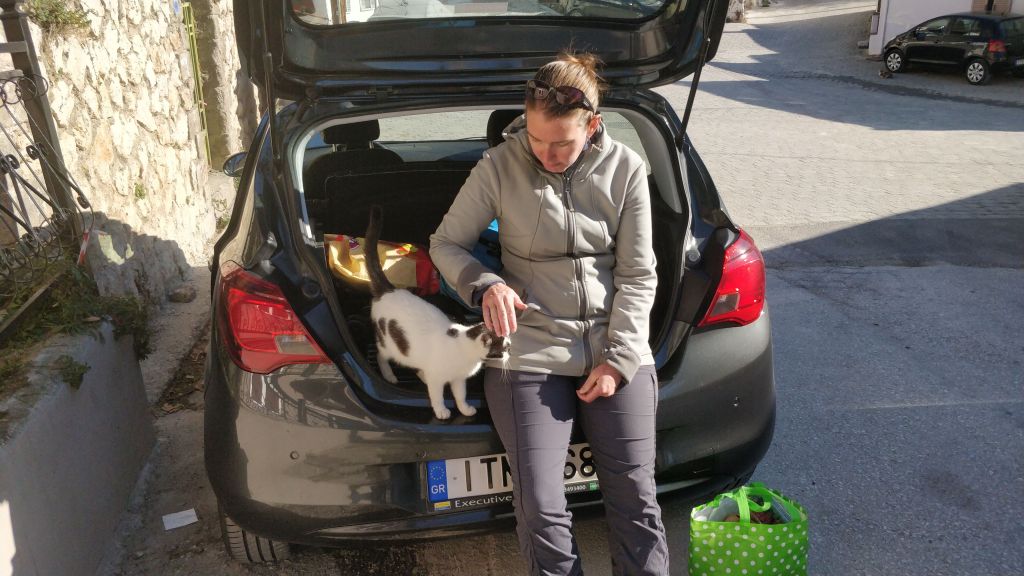
Ironically, we weren’t visiting the monasteries just yet and we actually travelled a couple hours further north into the Vikos Gorge area. While packing up the car in Kalabaka we had a friend stop by and help us out.
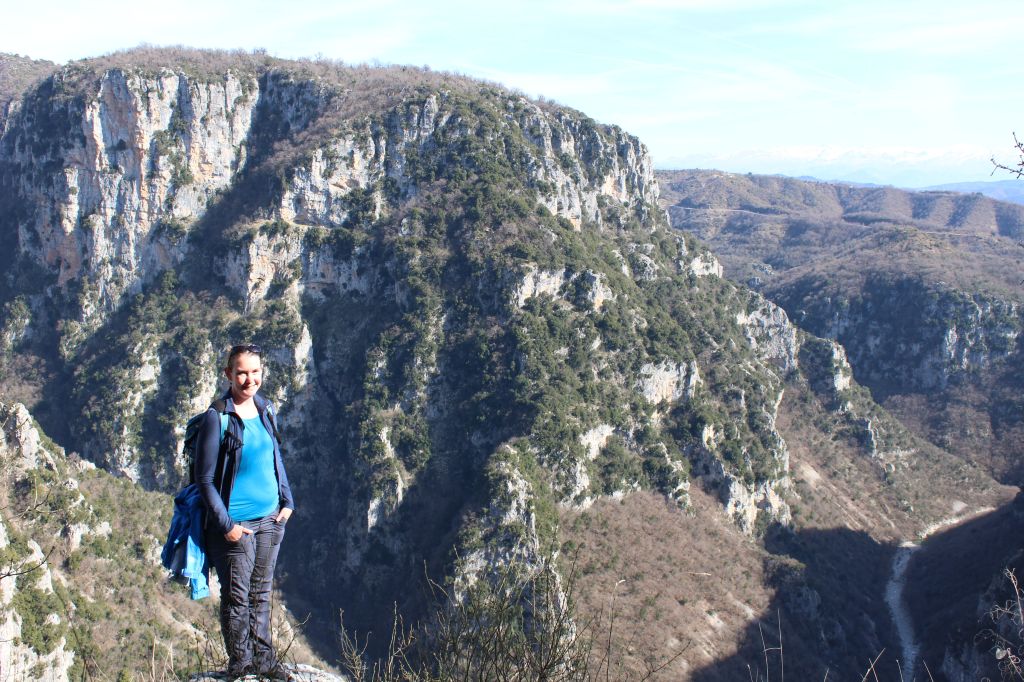
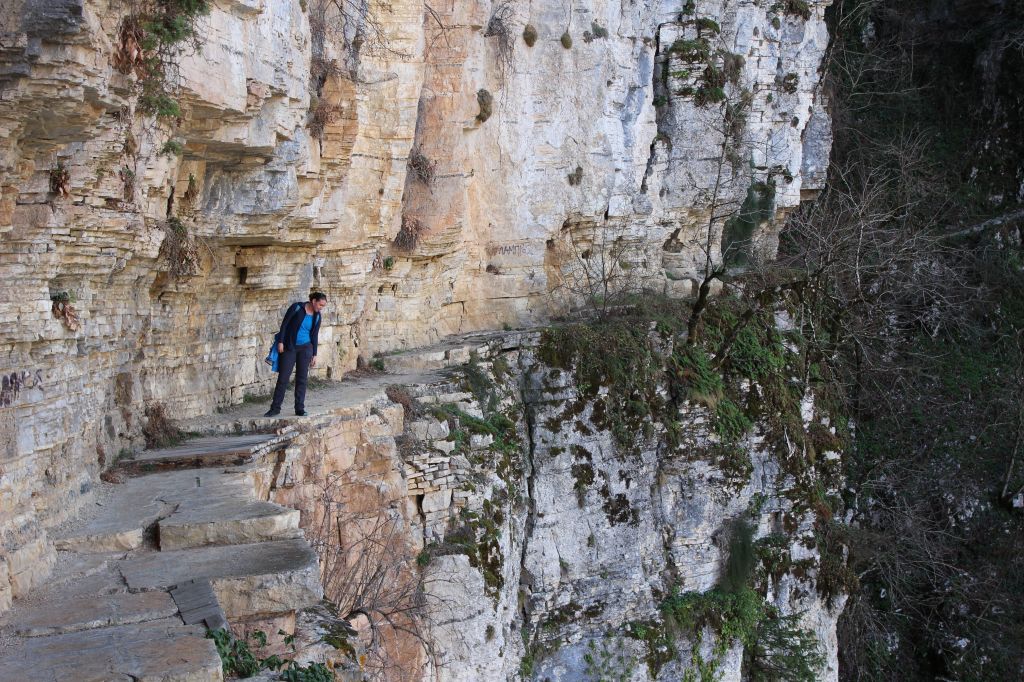
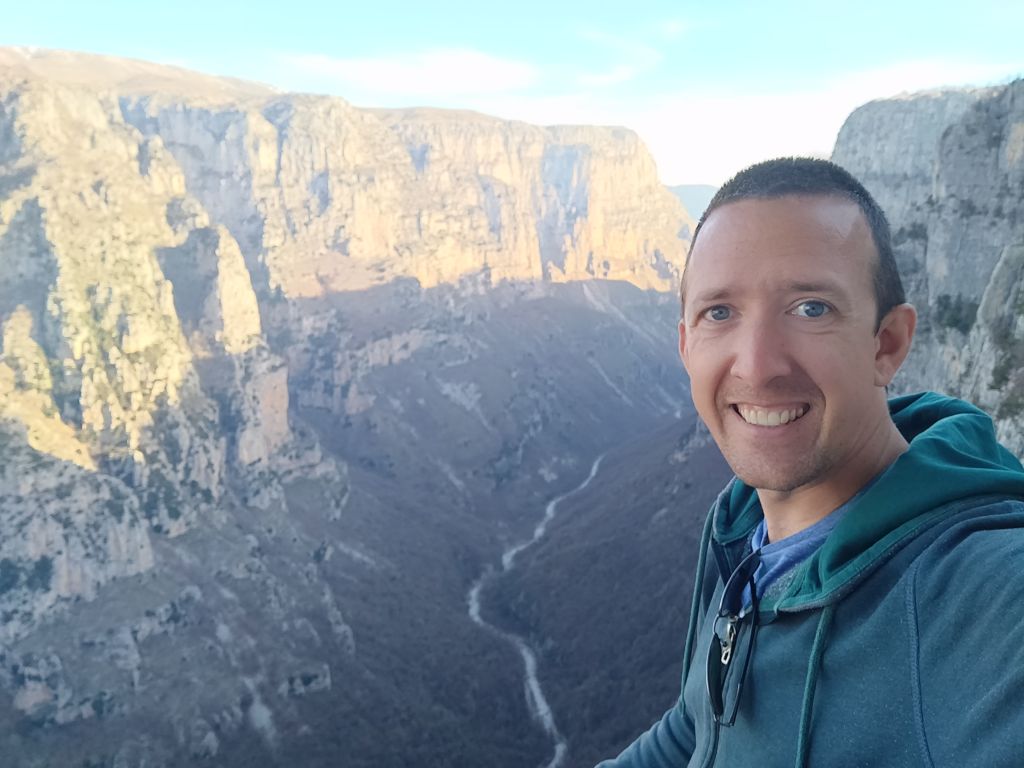
The gorge is ranked as the 2nd largest in the World (the Grand Canyon is #1) but this is deceiving as gorge’s are ranked in size based on how deep they are compared to how wide they are. Vikos isn’t the 2nd deepest gorge nor is it the 2nd widest but together it ranks as the #2 biggest gorge.
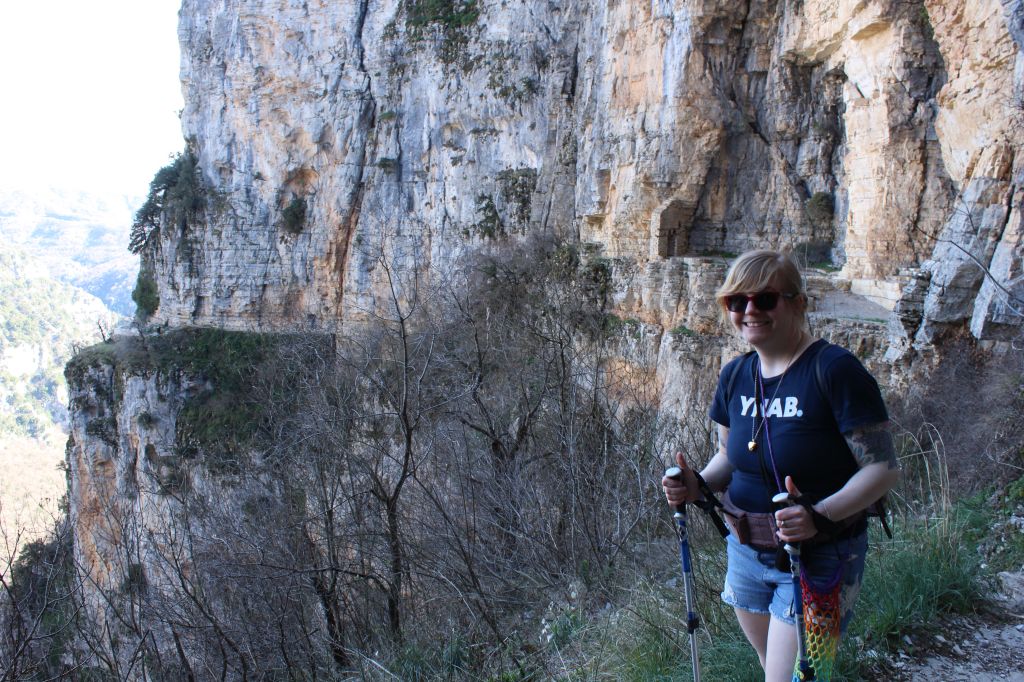
Anyway the gorge is no joke and still super impressive and makes a popular stop for hikers. We read that in the winter it’s recommended only for advanced hikers as the most common route takes about 9 hours and you’ll be pressed to make it with the short day light hours plus depending on the weather there could be snow and ice adding a level of danger.
The town of Monodendri is a common starting place for any visitors and we had booked a hotel overnight here. As we were planning on leaving early the next morning this afternoon was the only time to see the gorge. Thankfully the best viewing area was walking distance from our hotel and the path took us right through the very cute medieval town.
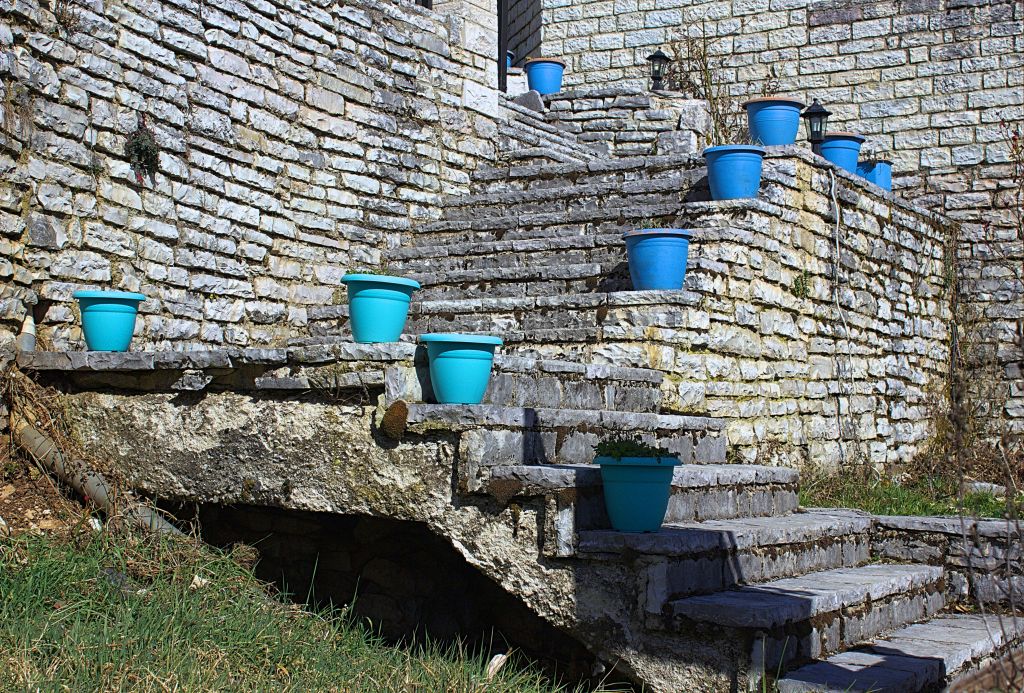
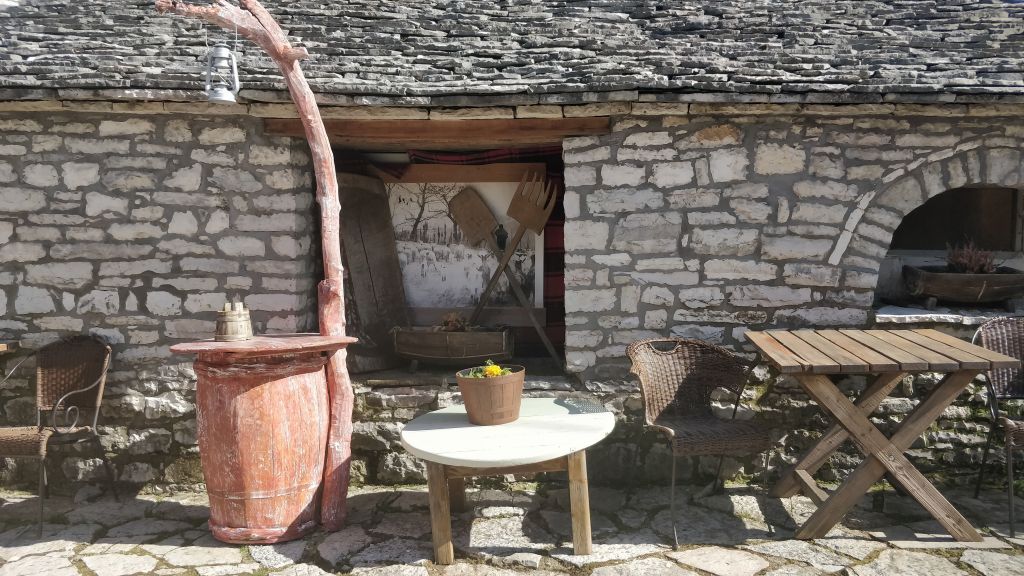
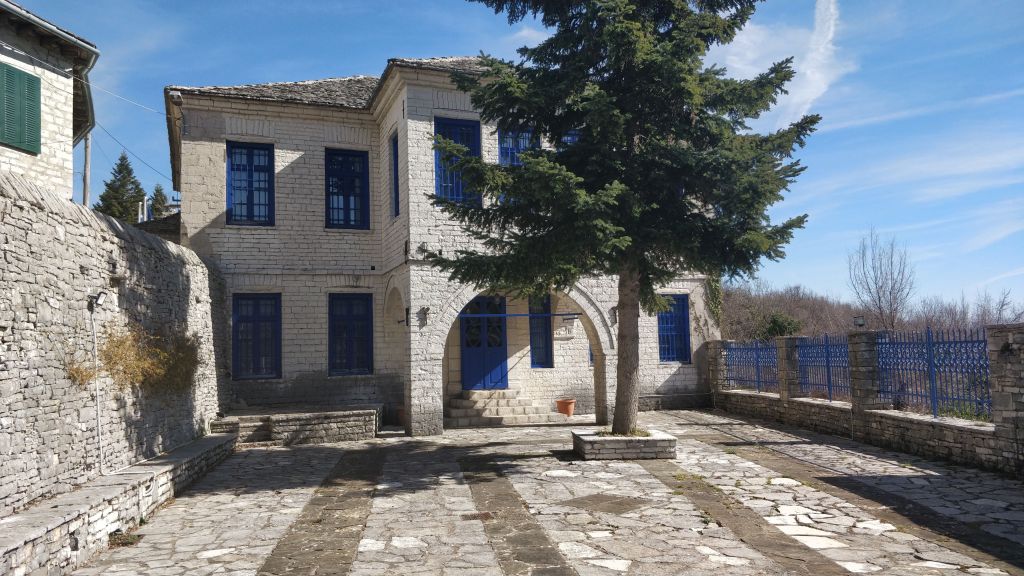
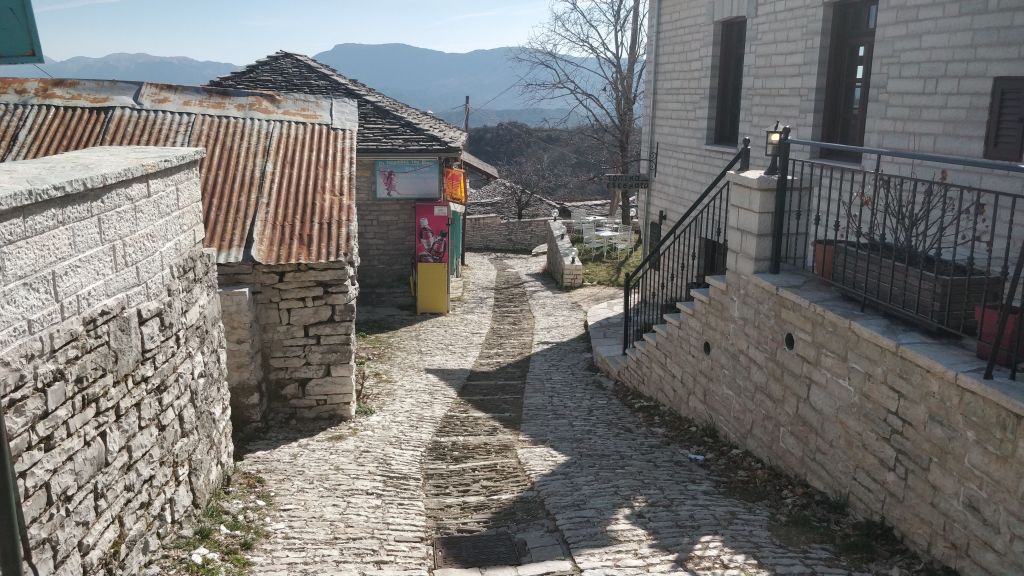
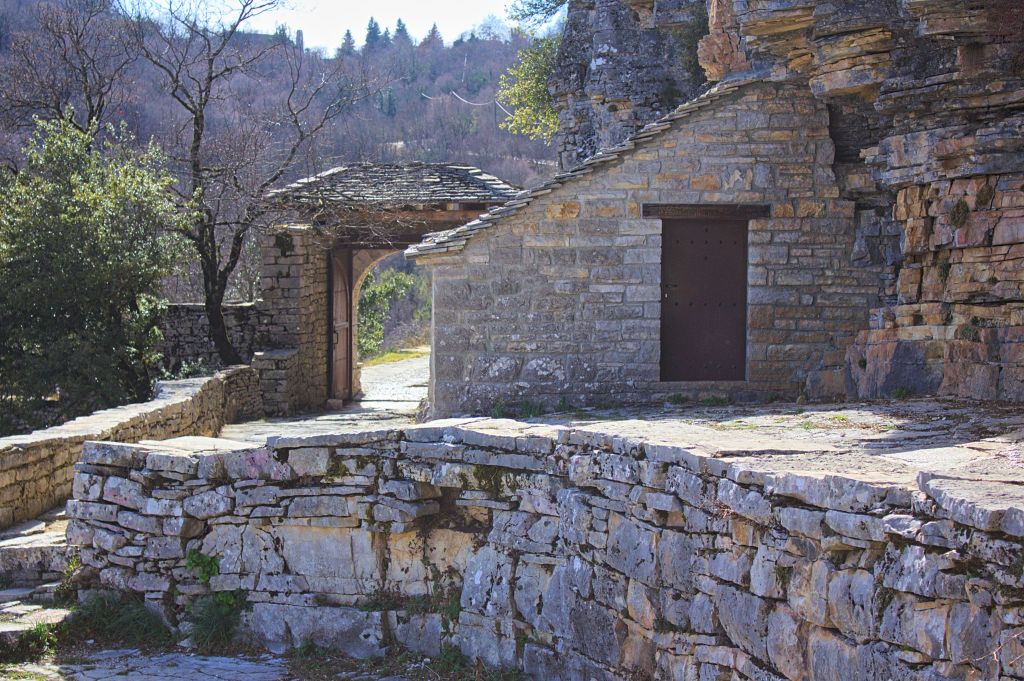
After a short descent leaving the town we reached the entrance to the gorge where you’ll find a small church and some old buildings at the entrance. Walking along the gorge it’s decently narrow and there are no guard rails to save you from falling, this would not fly in Canada I have to say.
Monasteries; Look Up, Way Up
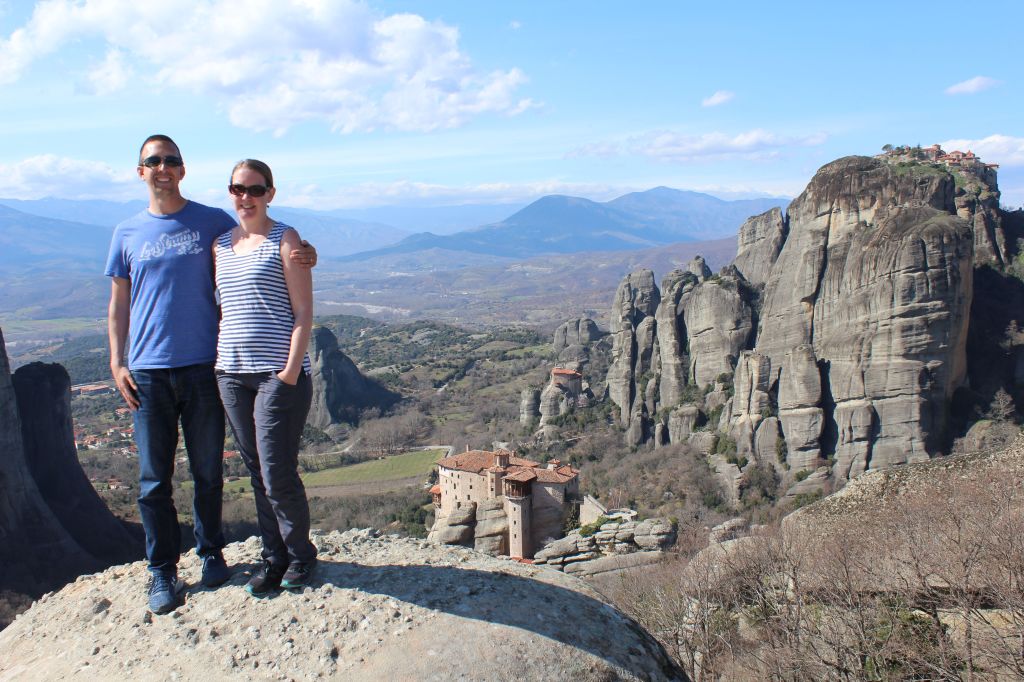
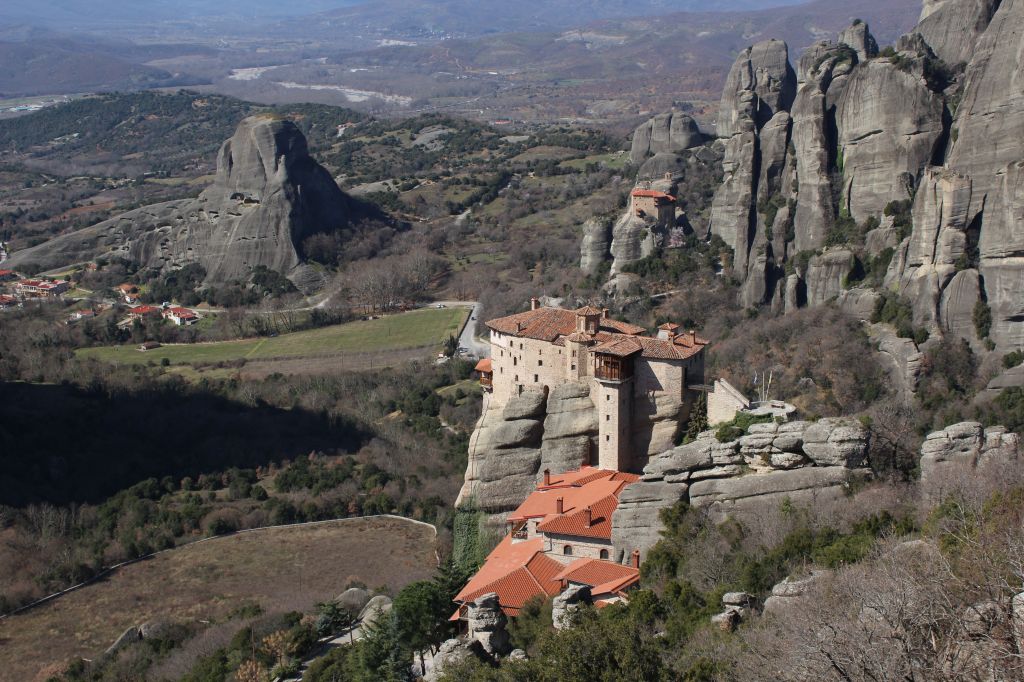
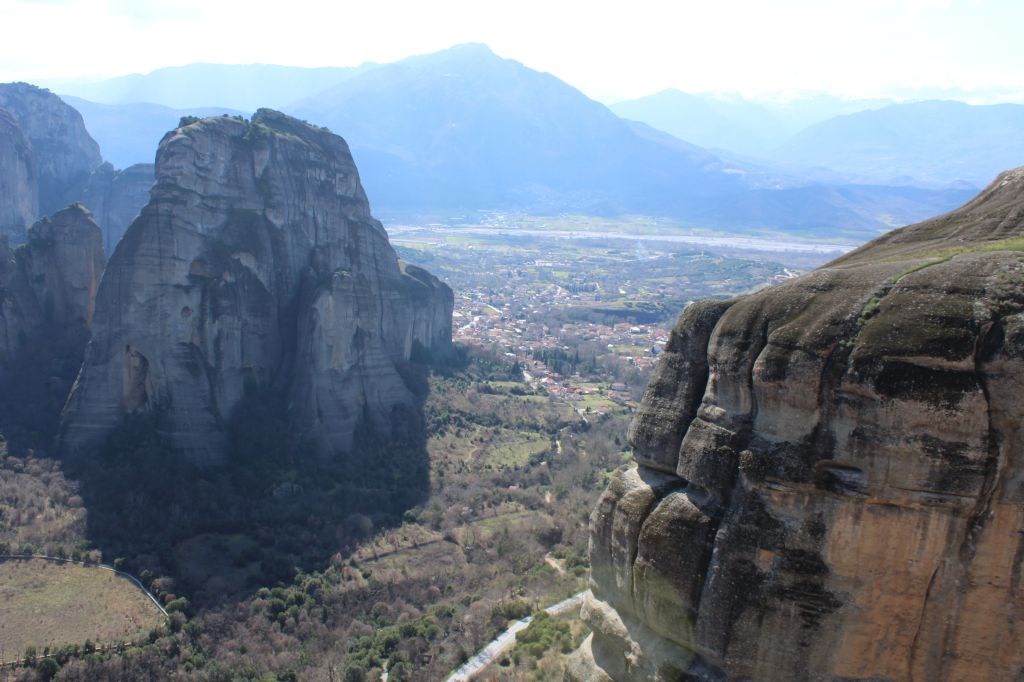
Backtracking to Kalabaka, it was finally time to visit the monasteries of Meteora. Built in the late 1400s and early 1500s these monasteries were constructed on top of impossibly high and steep rock formations as a refuge from the invading Ottoman empire. There are 6 main monasteries you can visit though we only took the time to go through 1.
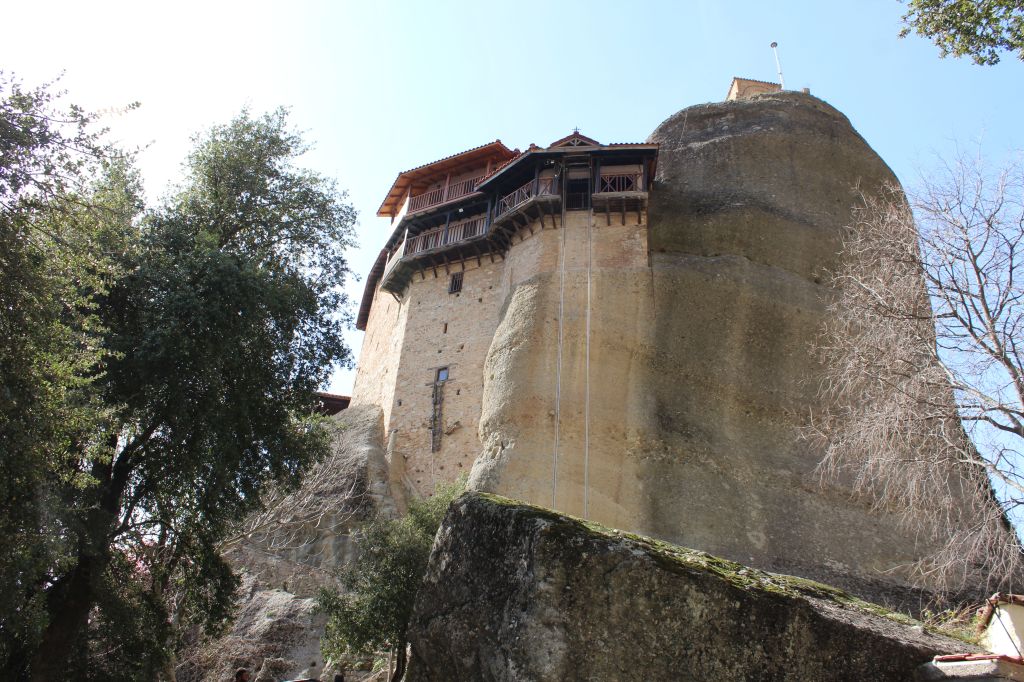
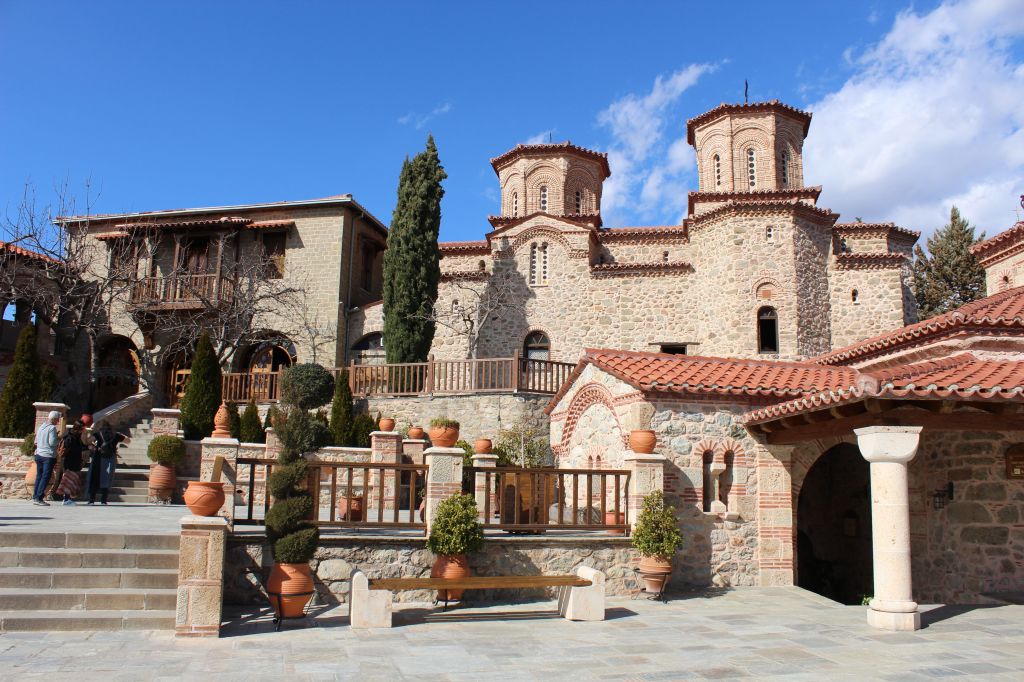
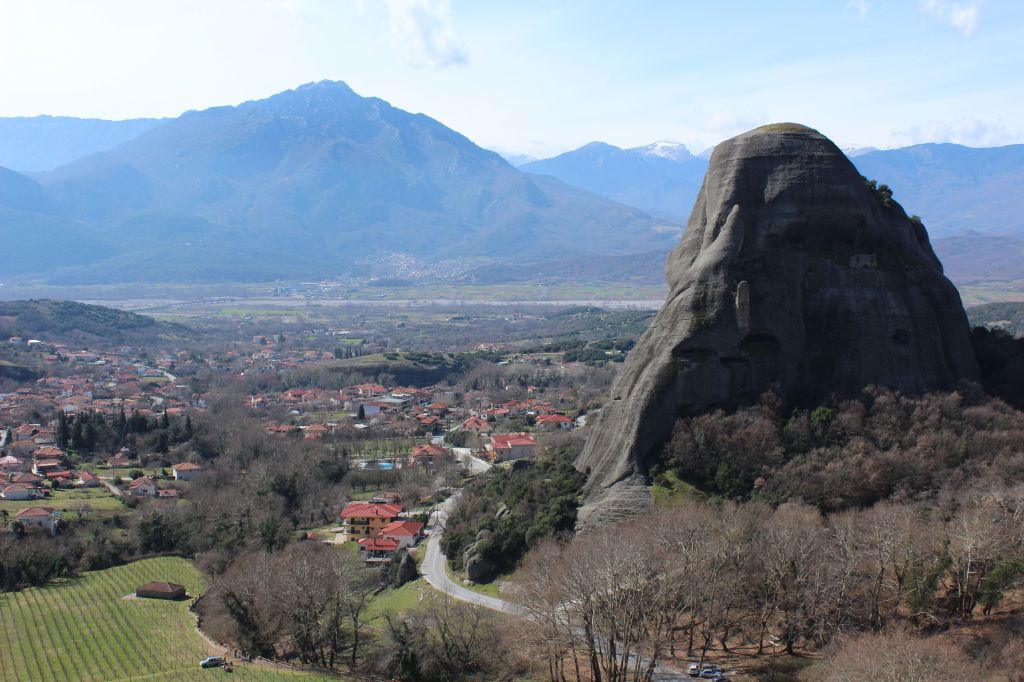
The unique landscape with monasteries dotting some of the rocks makes for some impressive photos.
Food Capital of Greece
I hope you’re not getting tired of reading yet. We’ve been doing a lot in Greece so far but we’re finally on our last stop, the food capital of Greece, Thessaloniki (Th’eh-sa-la-nee-kee) in the far north east of Greece.
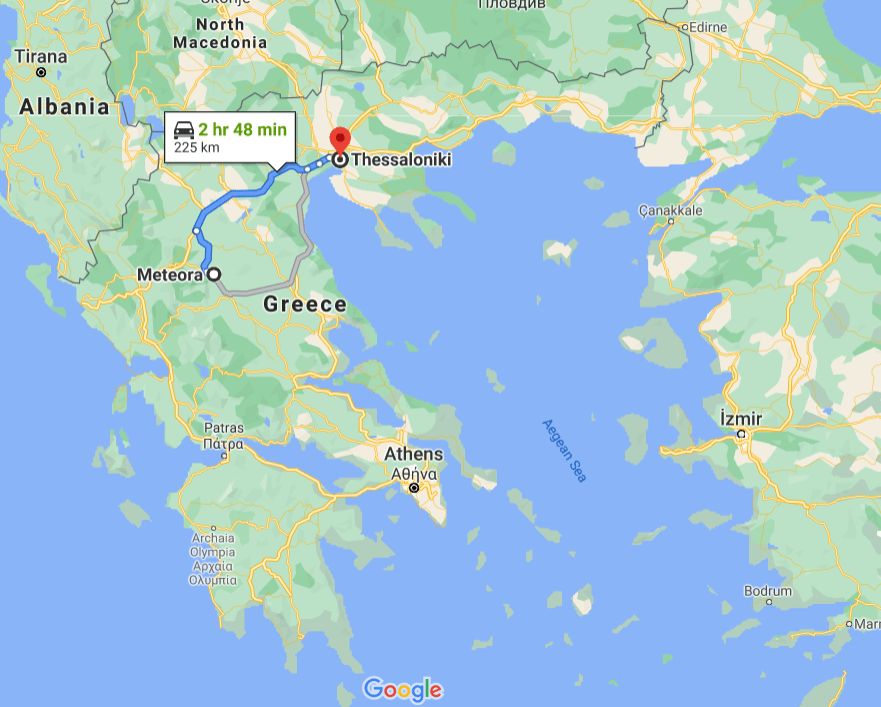
In Ancient Greek times this area was controlled by the Macedonian empire and, ironically, the Greek cities in the south like Athens, Corinth, and Sparta didn’t consider these people to be Greek at all but rather uncivilized barbarians of the north.
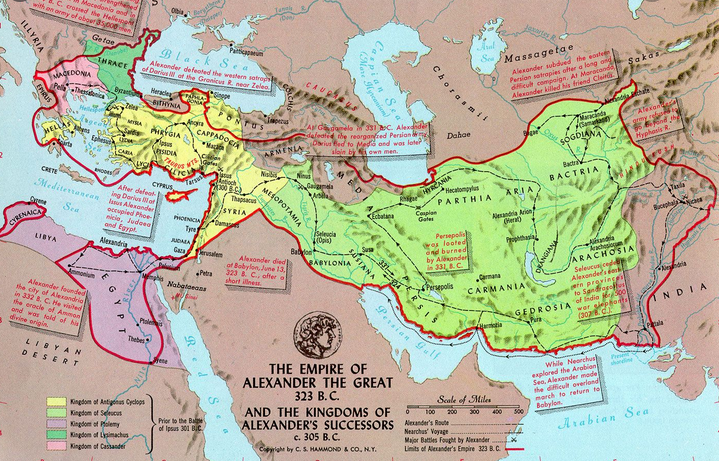
Of course Macedon is most famous for Phillip the 2nd who reorganized his army and did what the Persians couldn’t and conquered all of Greece. He died shortly after leaving his son, Alexander, to rule all of Macedon and after uniting the Greek armies against Persia he conquered a vast amount of land reaching Egypt in the south and stretching east all the way to India.
Alexander the Great is probably one of the best known people in the Western World and he was born in Pella, Greece, roughly 80 kms west of Thessaloniki. So that’s pretty cool to see the land that he grew up in.
Today the city isn’t a well visited tourist stop but its location near the Balkans and West Asia (particularly Turkey) has been a key crossroad for different cultures for the last 3000 years and it has greatly influenced the cuisine here.
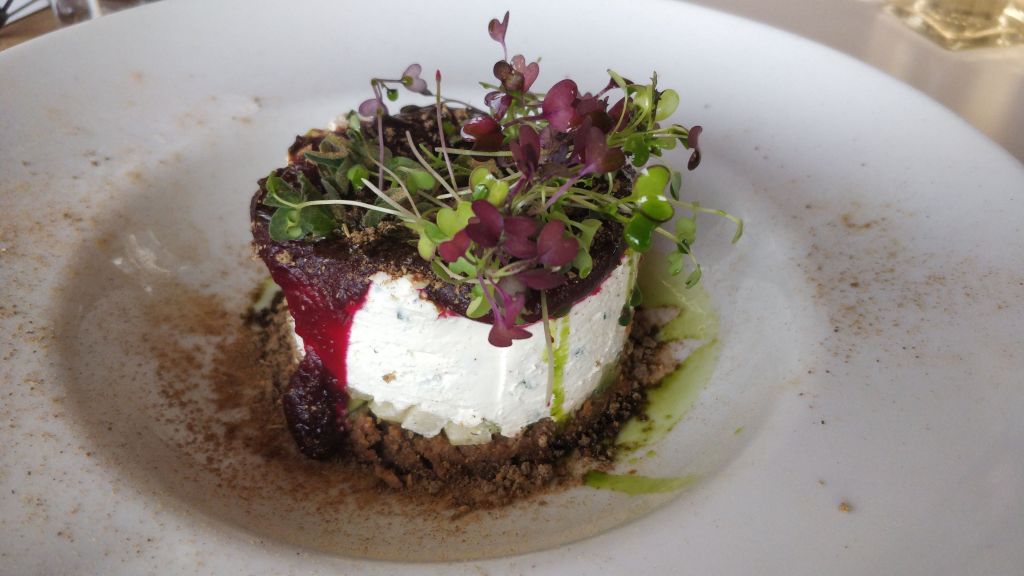
Since we were travelling on a budget we didn’t go crazy on the food. The one photo I want to share is this vegan, savory, cheesecake. It had a sweetened feta cheese, topped with a beetroot puree (mimicking strawberry jam) on a baked mushroom “cookie” crumble. It was hard to get our head around this type of cheesecake but honestly it was really, really good.
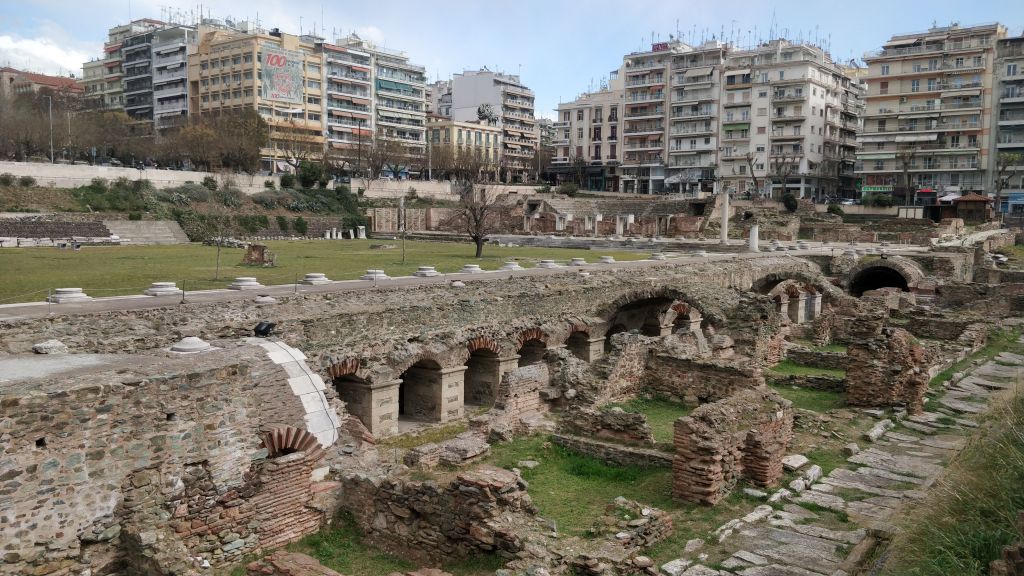
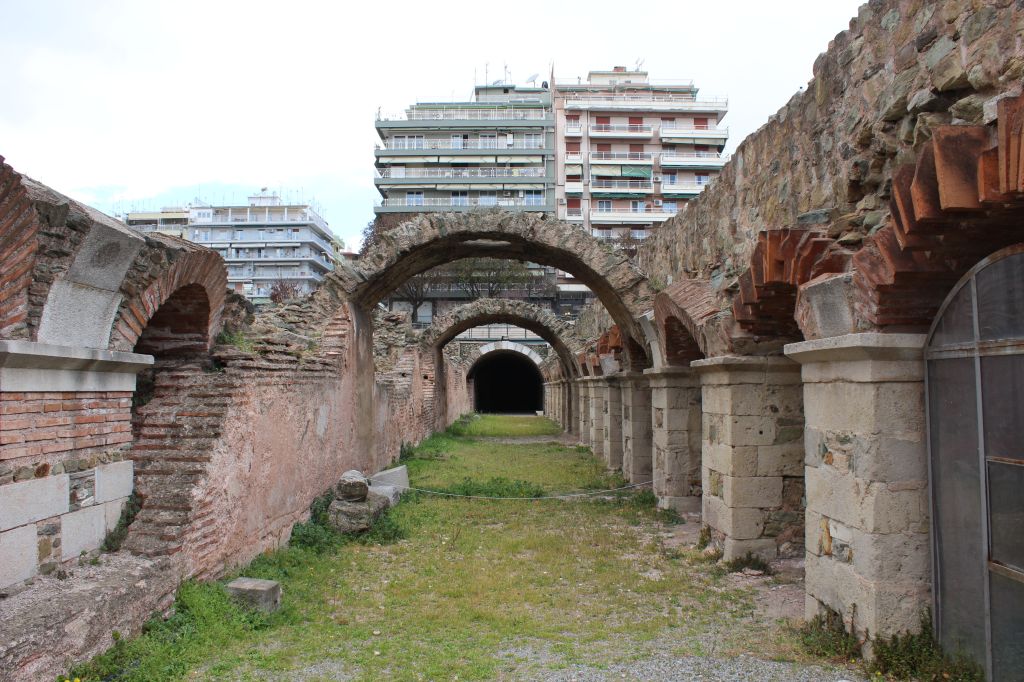
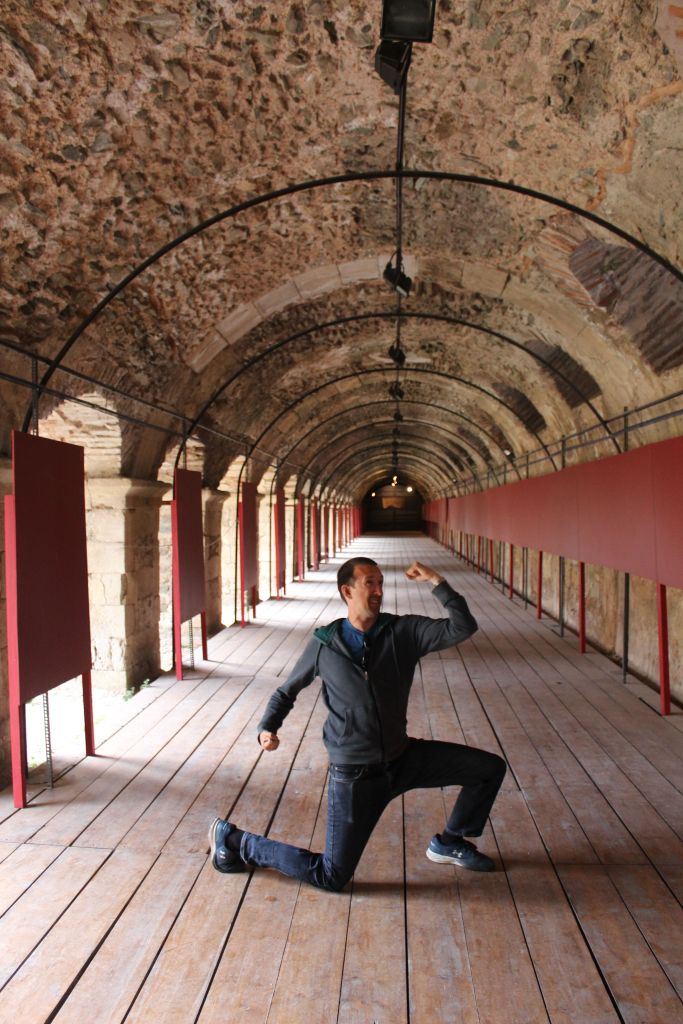
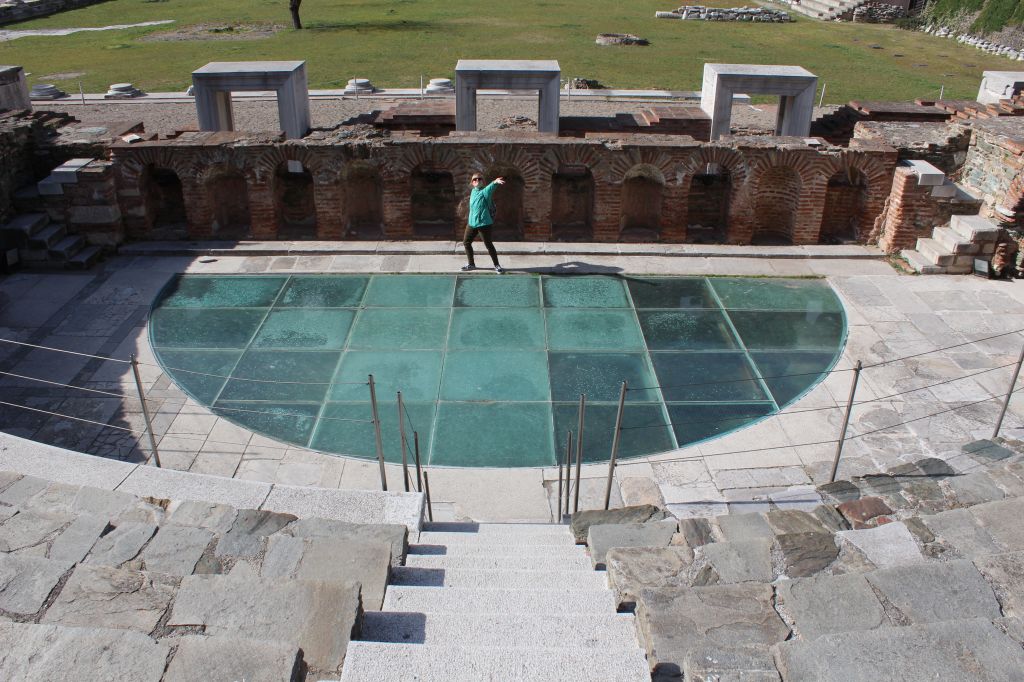
Of course Thessaloniki has plenty of ruin sites and museums to visit.
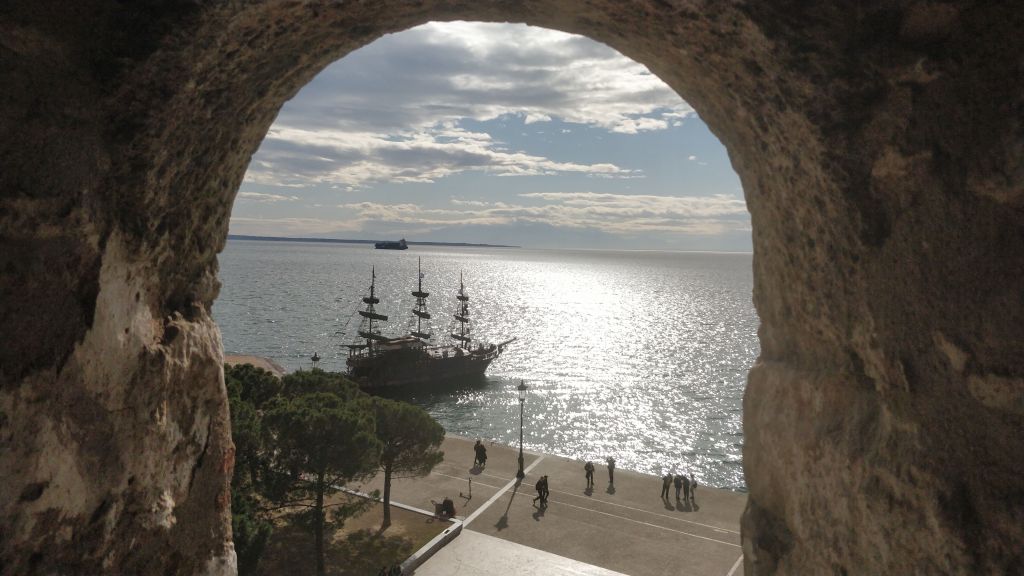
Saying Goodbye to Zeus
Both us and Kelly had flights out of Athens to catch. We drove straight from Thessaloniki to the Athen’s airport but we had a bit of time for one last stop. Literally off the highway was mount Olympus, there was no way we weren’t stopping for this.
In the summer it’s popular to hike Mount Olympus and we wanted to hike it so bad but in the winter snow and ice mean only the most experienced of hikers should attempt it. In the summer, however, it’s very doable by anyone who is semi-fit so I guess it’s another thing we’ll have to come back to Greece for.
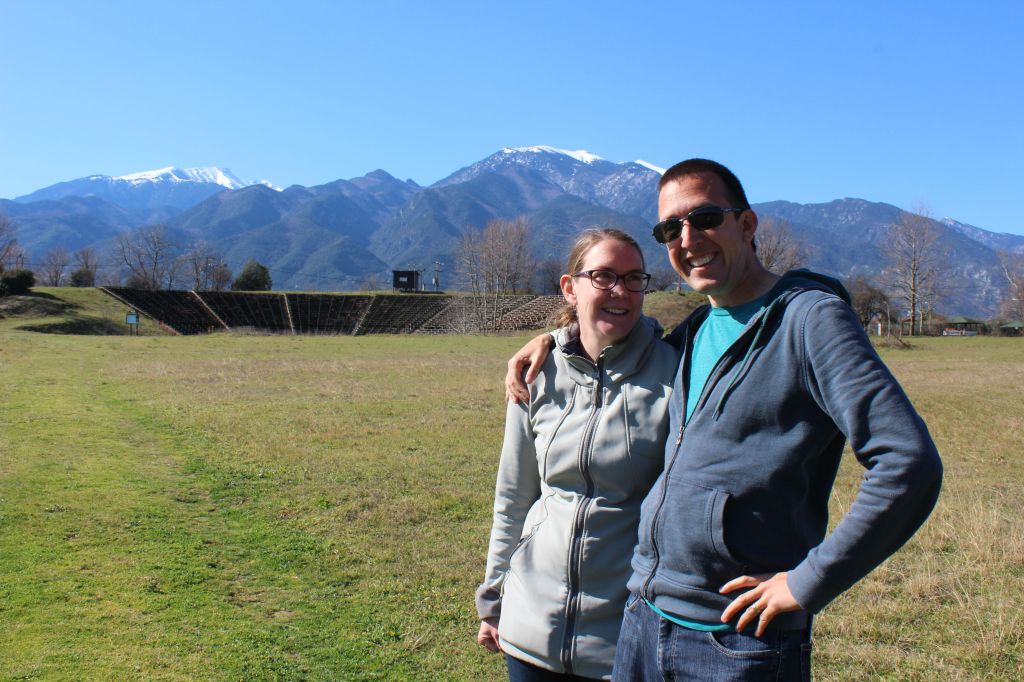
I think I’ve lost track of how many archeological sites we visited in Greece but there was one last one at the base of Mount Olympus. We did a small photoshoot in front of an amphitheater built in ancient times in front of the peak of Olympus.
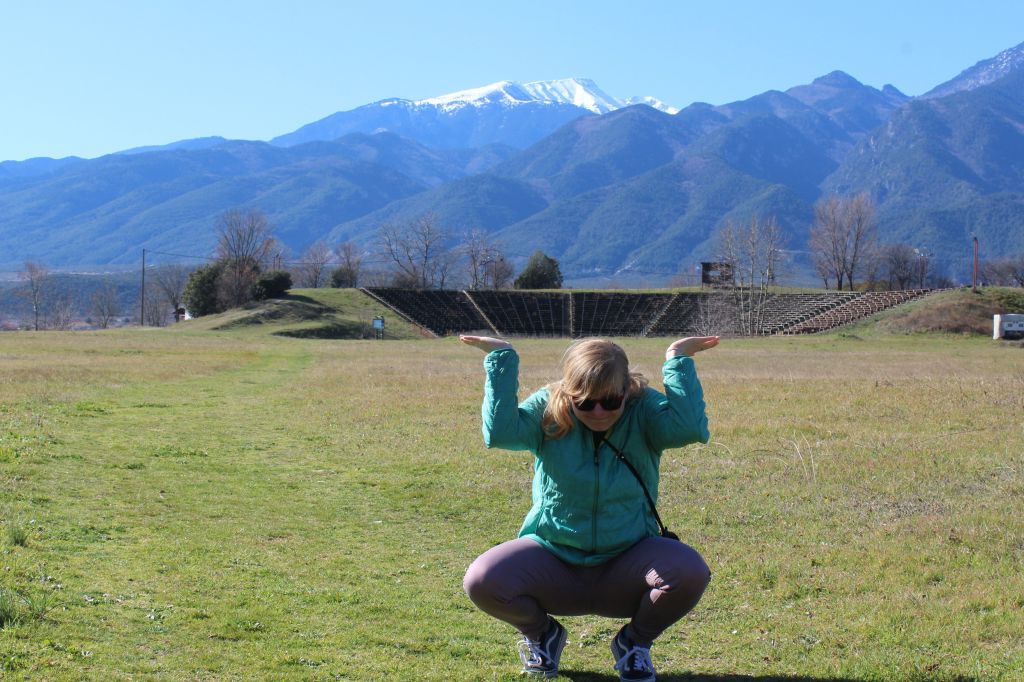
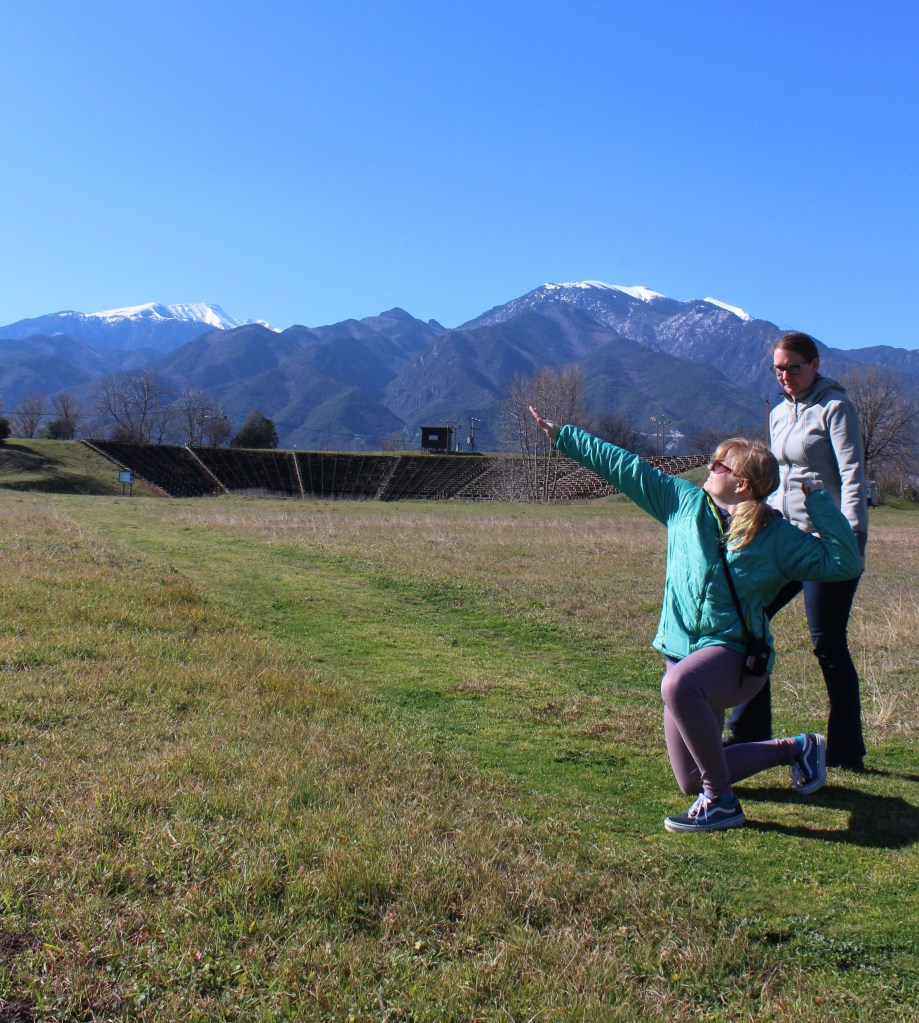
Candice is usually a serious, no shenanigans, person but every now and then she shows her silly side. This was the best pose we could get out of her but it’s great and I’ll keep working on her.
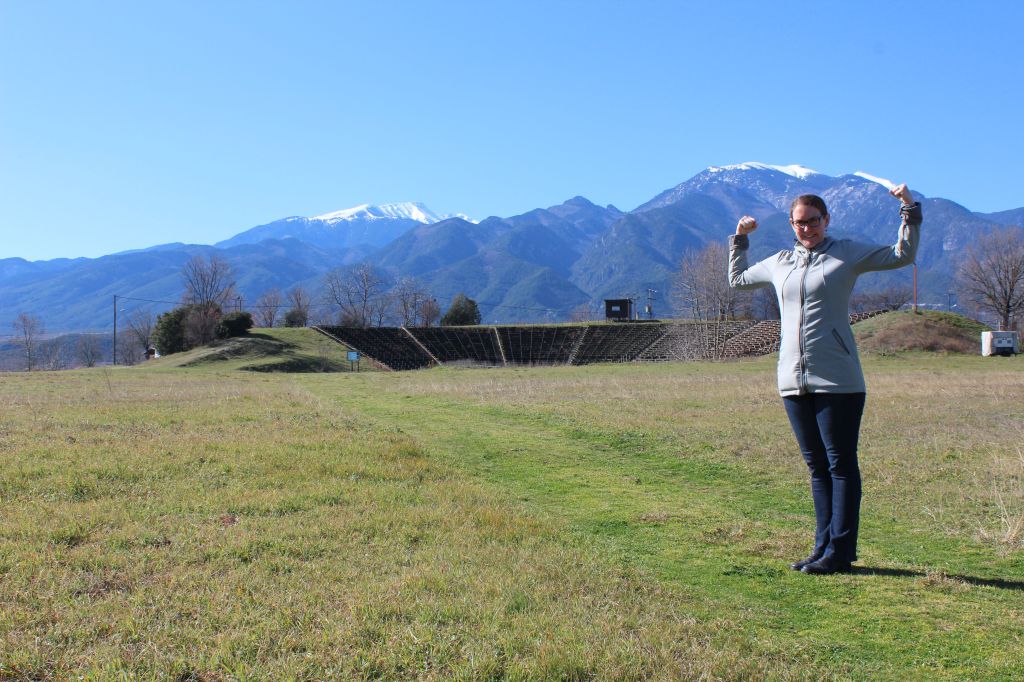
Thanks for sticking to the end of this one. I suppose it was shorter then my post on Turkey but I did split that one up in 2 parts. Greece was hands down, capital A, Amazing. I feel like I’m repeating myself with every post but this country was not overrated at all, the food, the culture, the history, the natural beauty, it was all so awesome.
We’re nearing the end of our time in Europe but we had one final stop before heading home to Canada. A flight to Barcelona, Spain, followed by a short bus to Montpellier in southern France will finally end our trip but that’s for the next post.
Thanks again for reading and following our little adventure.
 A Romping European Time
I enjoyed your tour through Greece, many of your photos brought back lots of memories of my time there in 2010. It was a fantastic grouping of pictures and great dialogue, thanks Cole and Candice..
LikeLike